
Bridge cameras have carved out a unique position in the photography world, offering enthusiasts and hobbyists the best of both worlds. These versatile devices combine the convenience of compact point-and-shoots with advanced features typically reserved for professional DSLR systems. As we step into 2026, the landscape of bridge cameras has evolved dramatically, presenting buyers with an impressive array of options.
Whether you're an aspiring wildlife photographer, a travel enthusiast documenting your adventures, or someone looking to upgrade from a smartphone camera, understanding what makes a bridge camera exceptional is crucial. This guide breaks down the nine essential features you should prioritize when making your purchase decision.
Decoding the Bridge Camera Concept
A bridge camera serves as the middle ground between basic compact cameras and sophisticated interchangeable-lens systems. The term "bridge" perfectly captures its purpose: these cameras bridge the gap for photographers who want more creative control without the complexity and expense of full DSLR or mirrorless setups.
Bridge cameras feature fixed lenses with extraordinary zoom ranges, often spanning from wide-angle to super-telephoto in a single unit. This eliminates the need to carry multiple lenses while still providing remarkable versatility for various shooting scenarios.
Unlike their smartphone counterparts, bridge cameras incorporate larger sensors, optical zoom mechanisms, and manual controls that give photographers genuine creative freedom. They've become increasingly sophisticated, now offering features that rival entry-level professional equipment at a fraction of the cost.
Why Photographers Are Choosing Bridge Cameras in 2026
The modern photographer faces unique challenges. Between managing gear weight during travel, justifying equipment costs, and navigating an overwhelming marketplace, finding the right camera has never been more complex. Bridge cameras address these concerns elegantly.
Today's bridge cameras deliver exceptional image quality, impressive zoom capabilities reaching up to 125x optical magnification in some models, and advanced video features including 4K recording. For hobbyists and enthusiasts who refuse to compromise on quality but appreciate convenience, these cameras represent an ideal solution.
The 9 Essential Features You Cannot Ignore
Master these criteria to make an informed purchase decision
Superior Zoom Performance
The zoom capability stands as the defining characteristic of any bridge camera. When evaluating models, look beyond the marketing numbers and examine the actual optical zoom range. A quality bridge camera should offer at least 40x optical zoom, with premium models pushing beyond 80x or even 100x magnification.
Pay attention to the lens quality itself. Superior glass elements, advanced coatings, and effective image stabilization systems determine whether those distant subjects will appear sharp or disappointingly soft. The best cameras maintain impressive clarity throughout their entire zoom range, from sweeping landscapes to distant wildlife.
Sensor Specifications and Image Quality
While bridge cameras typically feature smaller sensors than DSLRs, significant variations exist within the category. Sensor size directly impacts low-light performance, dynamic range, and overall image quality. Common sensor types include 1/2.3-inch sensors in budget models, 1-inch sensors in mid-range options, and occasionally Micro Four Thirds sensors in premium devices.
Megapixel count matters less than sensor technology. A 16-megapixel camera with a larger sensor will consistently outperform a 24-megapixel model with a tiny sensor, particularly in challenging lighting conditions. Prioritize cameras with back-illuminated sensor technology for noticeably improved performance when light becomes scarce.
Autofocus Precision and Speed
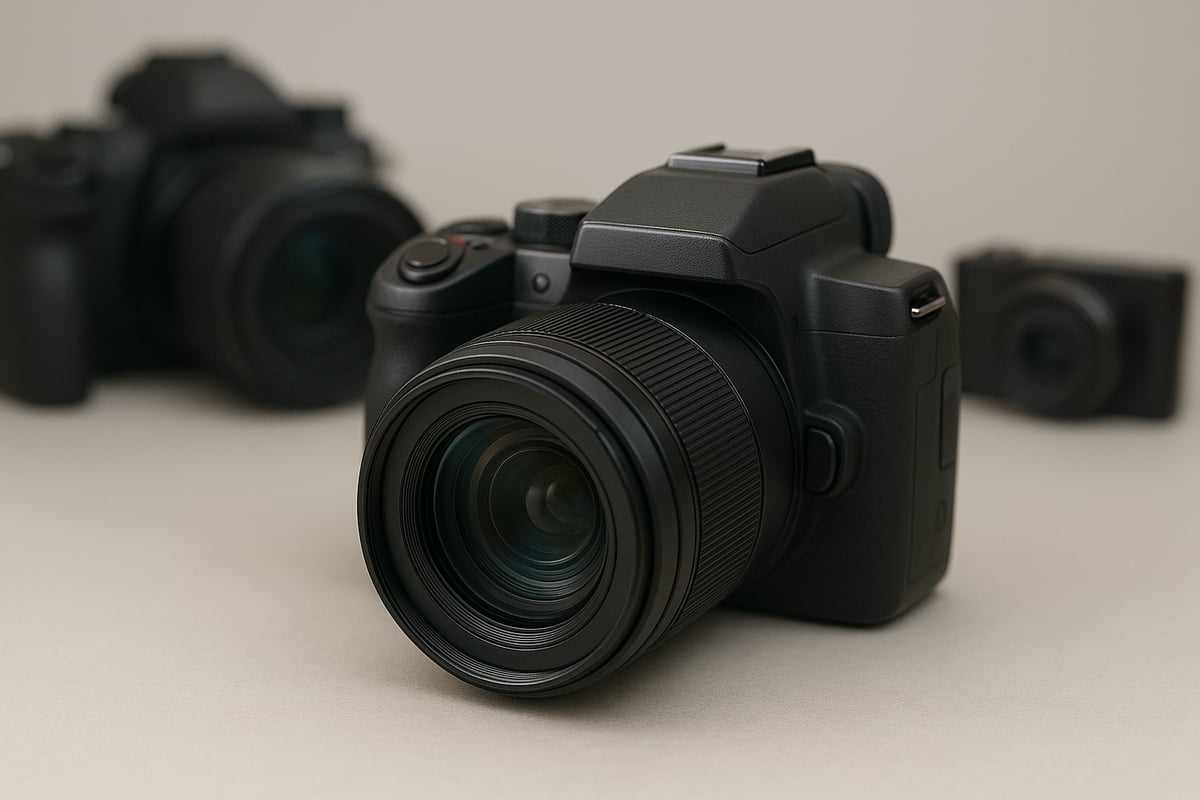
Nothing ruins a perfect moment quite like missed focus. Modern bridge cameras incorporate sophisticated autofocus systems ranging from basic contrast-detection to advanced hybrid systems combining contrast and phase detection. The latter provides dramatically faster and more accurate focusing, especially crucial for moving subjects.
Consider the number of focus points and their distribution across the frame. Premium models now offer subject tracking, eye-detection autofocus, and predictive algorithms that anticipate movement. For wildlife and sports photography, these advanced focusing capabilities make the difference between capturing the decisive moment and getting home with nothing but blurry disappointments.
Electronic Viewfinder and Display Excellence
Your viewfinder serves as the window to your creative vision. A high-resolution electronic viewfinder (EVF) transforms the shooting experience, providing a bright, detailed preview even in direct sunlight when LCD screens become virtually unusable. Look for EVFs with at least 2.36 million dots of resolution and a high refresh rate to minimize lag.
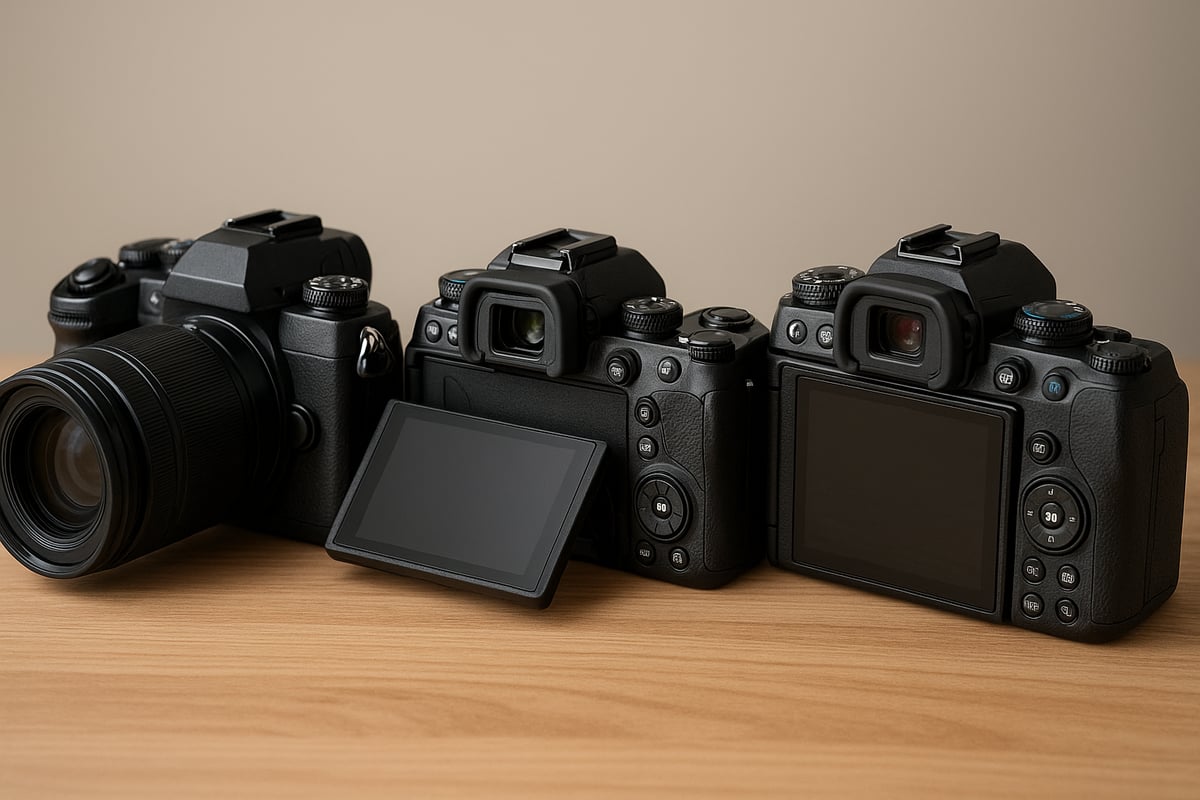
Equally important is the rear LCD display. Articulating screens that tilt and swivel enable creative angles without requiring you to contort yourself into uncomfortable positions. Touchscreen functionality adds intuitive control for focus point selection and menu navigation. In 2026, any serious bridge camera should offer both a quality EVF and a versatile articulating touchscreen.
Video Recording Capabilities
The boundaries between photography and videography continue blurring, making video capabilities increasingly essential. At minimum, expect 4K recording at 30 frames per second from any camera worth considering in 2026. Premium models now offer 4K at 60fps or even 8K resolution for future-proof content creation.
Beyond resolution, examine additional video features. High-speed recording for smooth slow-motion footage, external microphone inputs for professional audio capture, headphone jacks for audio monitoring, and unlimited recording times separate serious video-capable cameras from those offering video as merely an afterthought. Built-in neutral density filters prove invaluable for maintaining proper exposure during bright daylight video work.
Connectivity and Smart Integration
In our connected world, a camera that communicates seamlessly with other devices offers tremendous practical advantages. Built-in WiFi and Bluetooth connectivity enable instant image transfer to smartphones and tablets, remote camera control, and automatic backup to cloud services. These features have transitioned from luxury extras to essential requirements.
Evaluate the companion smartphone applications provided by manufacturers. The best apps offer intuitive remote shooting with live view, comprehensive image transfer options, and even advanced features like geotagging synchronization. Some cameras now support direct social media uploading, though many photographers prefer the control of transferring images first before posting.
Build Quality and Ergonomic Design
A camera becomes an extension of the photographer, making comfort and durability paramount concerns. Examine how the camera feels in your hands. A well-designed grip with appropriate texturing reduces fatigue during extended shooting sessions and provides secure handling, especially important when using extreme telephoto settings where any shake amplifies dramatically.
Weather sealing protects your investment against dust and moisture, essential for outdoor photographers who refuse to let conditions dictate their shooting schedule. Button placement should feel intuitive, allowing quick access to frequently-used settings without removing your eye from the viewfinder. Premium build materials like magnesium alloy frames offer superior durability while keeping weight manageable.
Battery Endurance and Power Management
Few things frustrate photographers more than a dead battery during a perfect shooting opportunity. Bridge cameras vary significantly in their power consumption and battery capacity. Expect anywhere from 200 to 500 shots per charge depending on the model and shooting style. Heavy EVF users and video shooters will drain batteries faster than those primarily using the rear LCD for still photography.
USB charging capability has become increasingly standard, allowing convenient power restoration from portable battery banks during travel. Some cameras support simultaneous charging and shooting, effectively providing unlimited operation time when connected to external power. Always consider purchasing at least one spare battery for extended shooting sessions away from power sources.
Value Proposition and Future-Proofing
Price alone tells an incomplete story. True value emerges from the intersection of features, build quality, and long-term relevance. A slightly more expensive camera with better specs may prove cheaper over time than a budget option requiring replacement sooner. Consider your upgrade path and how long you expect to use this camera before outgrowing its capabilities.
Future-proofing involves assessing which features will remain relevant as technology advances. Raw file support ensures maximum post-processing flexibility regardless of future software developments. Firmware update histories from manufacturers indicate their commitment to improving cameras after purchase. A camera representing excellent value today might become exceptional value through ongoing support and improvements.
Aligning Camera Features With Your Photography Goals
Understanding your primary shooting intentions dramatically simplifies the selection process. Wildlife photographers should prioritize zoom range, fast autofocus, and quiet operation. Travel photographers benefit most from compact designs, weather sealing, and versatile focal ranges. Landscape enthusiasts will appreciate superior image quality and dynamic range over extreme zoom capabilities.
Consider your tolerance for weight and size. A camera too heavy or bulky tends to stay home, while something too small might sacrifice ergonomics. Think honestly about how you'll actually use the camera, not how you ideally imagine using it. The best camera remains the one you consistently carry and use.
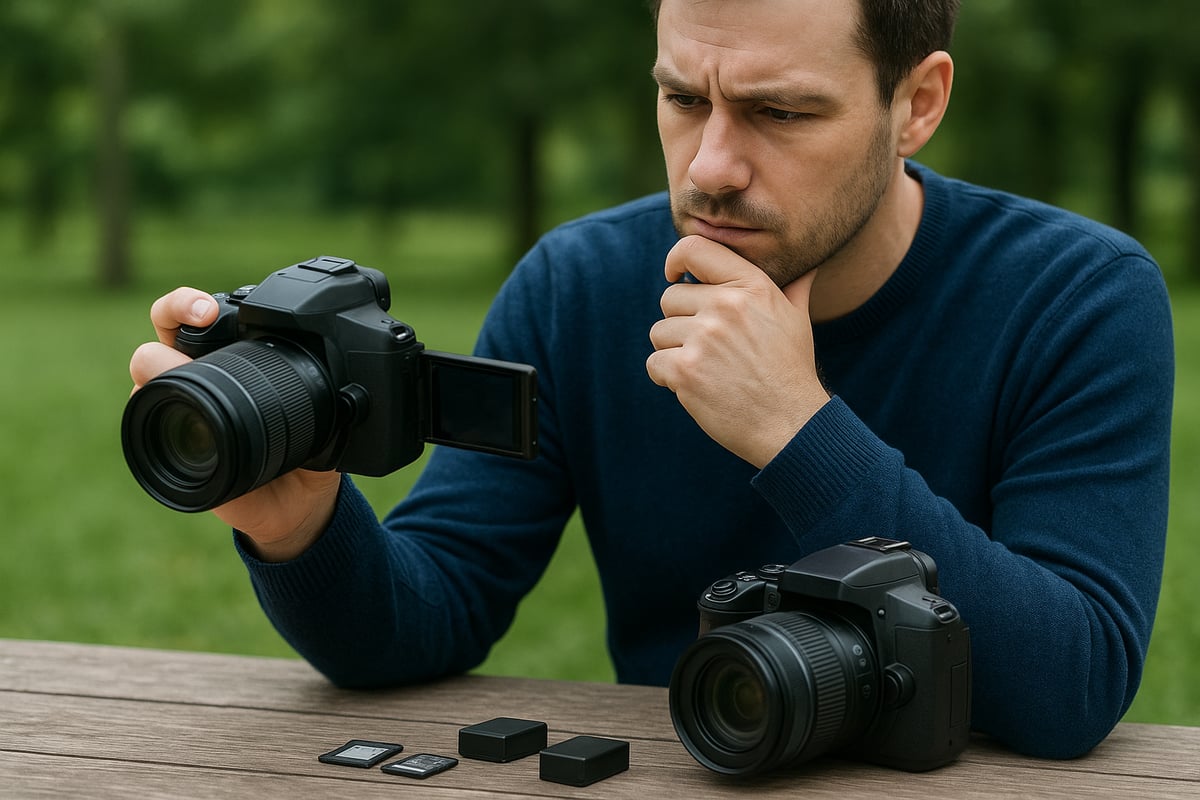
Every camera involves compromises. Understanding which features matter most to your specific needs helps identify where to accept limitations and where to insist on excellence. Make lists prioritizing your requirements from essential through nice-to-have to unnecessary. This framework guides comparison shopping effectively.
Research extensively before committing. Read professional reviews, examine sample images at full resolution, and when possible, handle cameras in person before purchasing. The specifications sheet only tells part of the story. How a camera feels during actual use often determines long-term satisfaction far more than any single feature or benchmark.
Ready to Start Your Photography Journey?
Discover our recommended bridge camera that delivers exceptional value with professional-grade features.
Panasonic FZ300 BlackMaking Your Decision for 2026 and Beyond
The bridge camera market in 2026 offers more capable options than ever before. By focusing on these nine essential features, you'll navigate the marketplace with confidence, avoiding common pitfalls that lead to buyer's remorse. Remember that the perfect camera doesn't exist, only the perfect camera for your specific needs and preferences.
Take your time, do your research, and invest in a camera that genuinely excites you. Photography should bring joy, and the right equipment enhances rather than hinders that experience. Whether you're capturing family memories, exploring nature, or documenting your travels, a well-chosen bridge camera becomes a trusted companion for years of creative exploration.