
How the right head support improves alignment, comfort, safety, and quality of life for wheelchair users.
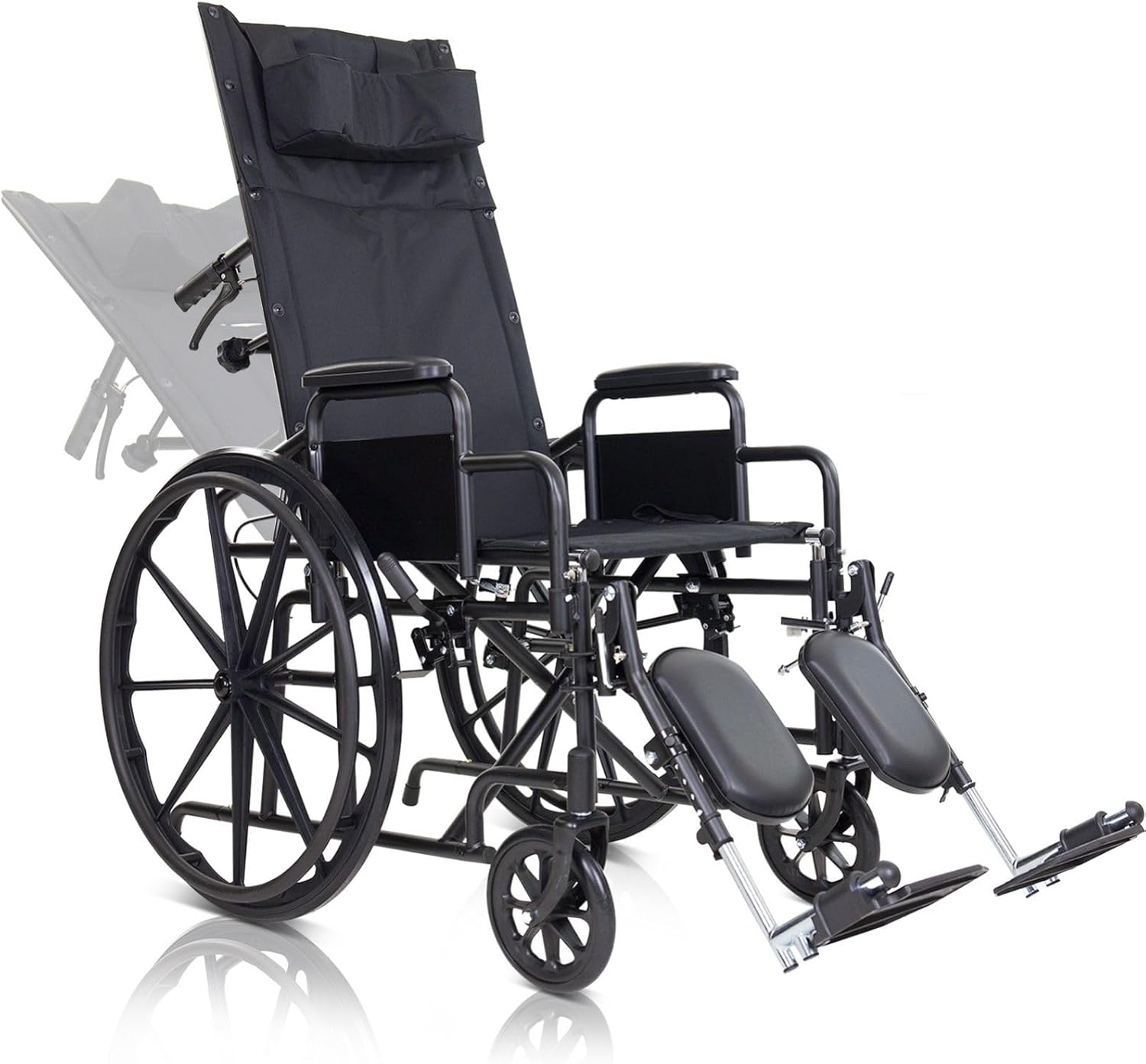
A wheelchair headrest does far more than provide a place to rest one's head. For many users, it is an essential component that directly influences spinal alignment, breathing, swallowing, and overall daily function. This article explores the significance of wheelchair headrests, the benefits they provide, the different types available, and how to select, order, and use them for the best possible outcomes.
Postural Support
Maintaining correct spinal alignment is one of the most important functions a wheelchair headrest performs. Without proper head and neck support, wheelchair users are at risk of developing poor posture that can lead to long-term musculoskeletal complications.
A well-fitted headrest keeps the head in a neutral, upright position — reducing strain on the neck, shoulders, and upper back. This support is particularly critical for individuals with limited muscle control or tone, where passive positioning can mean the difference between comfort and injury over the course of a day.
Headrests help distribute pressure evenly across the head and neck, especially beneficial for those who spend long periods seated. Reduced pressure points minimize discomfort and the risk of skin breakdown.
A comfortable headrest allows users to sit for longer periods without fatigue. This is essential for those who rely on their wheelchair as their primary means of mobility throughout the day.
A headrest supports the head and neck by reducing strain and improving comfort. It maintains proper positioning, lowering the risk of injury during sudden stops or unexpected movements.
Breathing, Speech & Swallowing
Positioning the head correctly has a profound effect on respiratory function. When the head tilts forward or to the side without support, the airway can become partially restricted, making breathing labored — especially during periods of fatigue or extended seated use.
Proper head positioning with a headrest can also improve breathing by keeping airways open and supporting the diaphragm's natural movement. This benefits individuals with respiratory conditions or reduced muscle function in the chest and neck.
A headrest is equally valuable for supporting speech and swallowing. Keeping the head in a stable, upright position assists with oral motor control, clarity of speech, and safe swallowing — all of which rely on correct neck and jaw alignment.
Preventing Injuries & Improving Vision
Wheelchair headrests play a direct role in injury prevention by stabilizing the head and neck against sudden jolts, collisions, or rough terrain. For users who lack the muscle reflexes to self-correct, an unexpected impact without head support can cause serious neck strain or whiplash-type injuries.
Beyond physical safety, correct head positioning also supports visual function. When the head is held at the right angle, the user's field of vision improves — making navigation, social interaction, and screen use more natural and less tiring.
Head Support System Types
Not all wheelchair users have the same needs, and headrest systems reflect that diversity. Understanding the different types available is the first step to selecting the right one.
Before Ordering Equipment
Things To Do
- Conduct a thorough evaluation with a qualified seating specialist. Accurate measurements and postural assessment ensure the best possible fit.
- Always start with the pelvis, then work upward through the trunk, arms, and head. Proper pelvic positioning forms the foundation for all other support.
- Determine the ideal head position considering accommodations or changes in posture that may occur over time.
- Once the seating system is selected, review the delivery process including professional fitting support and any ATP (Assistive Technology Professional) resources available.
Things To Consider
Visual problems are frequently underreported or misdiagnosed. Refer to a specialist if impairment is suspected.
For users with or without functional asymmetries, look for positional features that support trunk and head alignment simultaneously.
Always look for the neck strap strength needed to determine functional head control and understand any secondary symptoms such as increased drooling or a decrease in the presence of muscular tone.
Closely with an experienced clinician who might need additional support over time. Choose a system with compatible hardware to mount components like lateral facial pads, anterior supports, etc., as needed.
During the Delivery of the Equipment
For wheelchairs with power or manual tilt, tilt the wheelchair as much as possible and seat the user squarely against the support surfaces. Transfer the user and position the pelvis in the most neutral position as close to the seat surface as possible.
It is not recommended in the previous "Before Ordering" section: position the pelvis first, then the trunk, and then position the head support to the user's head.
Check that the tilt is active as needed. Each wheelchair offers different mechanisms for this; such adjustments can maximize the fit of the equipment and take advantage of those functions.
Always check the most functional position, even if that means a deviation from a perfect anatomical position.
Determine if tilt angle and head extension are needed to find the position where the user's head is most stable. This will facilitate breathing, swallowing, the visual field, communication, learning, comfort, and participation.
Consider whether the user might need additional components depending on the nature of their condition, such as breathing, eye contact, communication, learning, comfort, and participation.
After Delivery of the Equipment
What To Do
- On a follow-up visit, monitor head extension tolerance as needed to find the position where the user's head is most stable.
- Take pictures if permitted, and check the client's progress.
- Continue to look for improvements in the process and check for progress in positions such as areas like breathing, alertness, communication, learning, comfort, and participation.
- Reassess goals, make necessary changes, and establish new goals.
What To Consider
Continued improvements in a position are inappropriate, but they may have achieved fatigue. Establish what typical fatigue looks like for the individual as early on as possible.
Continue to monitor the seating and positioning throughout the process and look for new strategies if something is not working. Don't be afraid to make changes if they key new strategies improve function, positioning, comfort, and outcomes.
Find the Right Head Support for Your Needs
Explore our trusted wheelchair head support options — designed for comfort, stability, and lasting postural benefit.
Patterson Head SupportFinal Thoughts
A wheelchair headrest is not a simple accessory — it is a functional, therapeutic component that can significantly improve a user's quality of life. From postural alignment and pressure relief to breathing support and injury prevention, the right headrest addresses a wide range of physical and functional needs.
Selecting the right system requires collaboration between the user, caregivers, and qualified seating professionals. Taking the time to assess needs carefully, order correctly, and follow up consistently will ensure the headrest delivers its full benefit over the long term.
Whether you are exploring options for the first time or upgrading an existing setup, investing in a quality head support system is one of the most meaningful steps you can take toward better mobility, safety, and independence.