
Master climate control for your workshop, garage, shed, and backyard structures with efficient ductless heating and cooling systems
Transform your outdoor buildings and backyard workspaces into comfortable, climate-controlled environments year-round. Mini split heat pumps offer the perfect solution for garages, workshops, garden sheds, and backyard studios where traditional HVAC ductwork is impractical or impossible to install.
These versatile ductless systems deliver powerful heating and cooling capabilities while maintaining energy efficiency, making them ideal for spaces that traditional central air systems can't reach. Whether you're creating a workshop retreat, a hobby studio, or simply want to make your garage usable in any weather, understanding mini split installation ensures optimal comfort and performance.
Perfect for Your Outdoor Living Spaces
Mini split systems excel in backyard applications where conventional HVAC systems fall short. From detached garages to garden workshops, these units provide targeted climate control without the complexity and expense of extending your home's ductwork to separate structures.
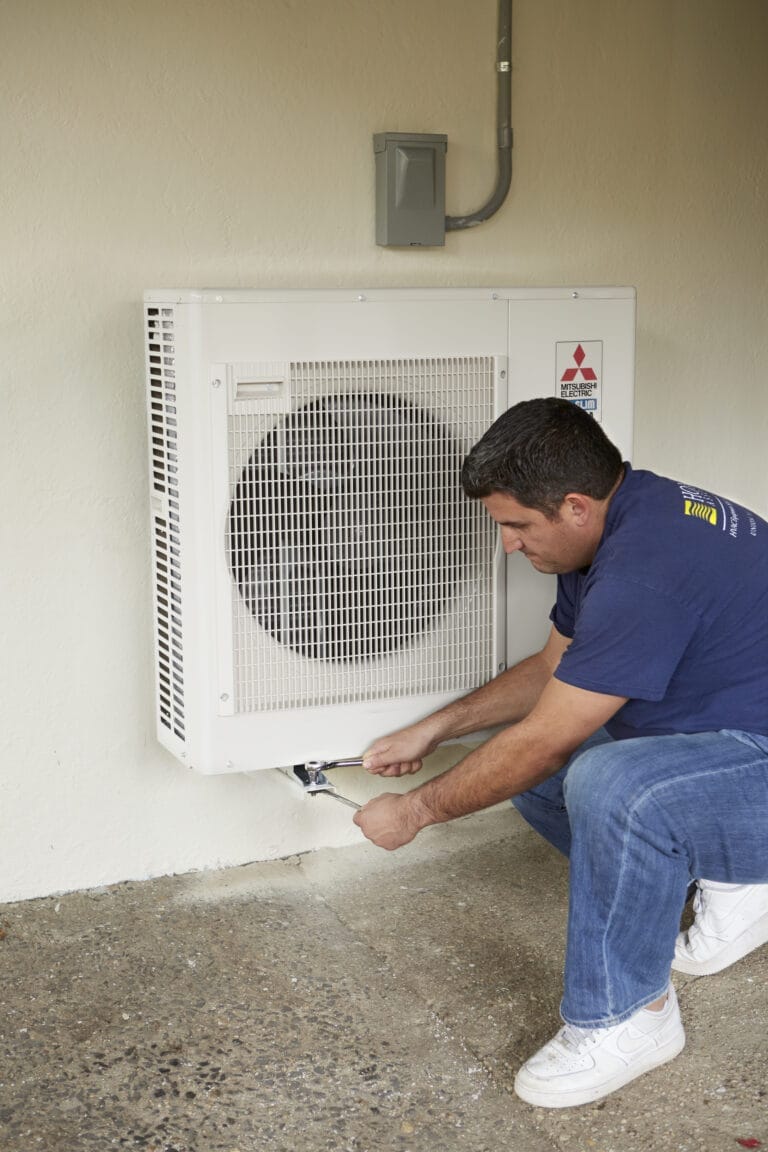
Understanding Ductless Mini Split Technology
A mini split heat pump operates through two main components working in harmony: an outdoor compressor unit positioned outside your structure and one or more indoor air handlers mounted inside. This dual-component design eliminates the need for extensive ductwork, making installation in detached buildings straightforward and cost-effective.
The outdoor unit contains the compressor and condenser components, while the indoor unit disperses conditioned air directly into your space. A slim conduit bundle containing refrigerant lines, electrical wiring, and drainage tubing connects these components through a small penetration in the wall—typically just three inches across—maintaining your building's structural integrity while providing powerful climate control.
Why Mini Splits Excel for Outdoor Structures
- No ductwork required—perfect for detached buildings and remote spaces
- Exceptional energy efficiency reduces operational costs significantly
- Independent zone control for multiple outdoor buildings
- Ultra-quiet operation won't disturb outdoor activities
- Compact design maximizes usable space in smaller structures
- All-weather performance handles extreme temperatures
- Simple installation compared to traditional HVAC extensions
- Dual heating and cooling functionality year-round
Ideal Applications for Backyard Mini Splits
Workshop & Garage Spaces
Create comfortable working conditions in your garage workshop regardless of season. Mini splits keep your workspace at optimal temperatures for woodworking, automotive projects, and detailed craftsmanship while protecting tools and materials from extreme heat or cold.
Garden Sheds & Studios
Transform garden sheds into functional studios, home offices, or creative spaces. Mini splits provide the climate control needed to work comfortably year-round while protecting stored equipment, artwork, and supplies from temperature fluctuations.
Pool Houses & Cabanas
Extend your outdoor entertainment season with climate-controlled pool houses and cabanas. Mini splits handle the humidity challenges of pool environments while providing comfortable changing areas and relaxation spaces.
Outdoor Living Rooms
Convert covered patios and outdoor entertainment areas into three-season living spaces. Strategic mini split placement extends your usable outdoor living area while maintaining open-air ambiance when desired.

Advantages of Ductless Systems for Outdoor Buildings
Energy Efficiency That Makes Sense
Mini split technology delivers remarkable energy savings by eliminating duct losses that traditionally waste over thirty percent of heating and cooling energy. For detached structures where running ductwork would be prohibitively expensive, this efficiency advantage becomes even more significant. Lower energy consumption translates directly to reduced utility expenses while maintaining optimal comfort in your backyard spaces.
Installation Simplicity
Installing climate control in detached buildings traditionally meant complex and expensive ductwork installations or settling for inefficient window units. Mini splits revolutionize this equation by requiring only a small wall penetration to connect indoor and outdoor components. This streamlined installation process minimizes disruption to your structure while delivering professional-grade climate control.
Flexible Zone Management
Control temperatures independently in multiple outdoor structures without affecting your main home's HVAC system. This zoning capability allows you to heat or cool specific buildings only when in use, maximizing energy savings while ensuring comfort exactly where and when you need it.
Weather-Resistant Performance
Modern mini split systems feature outdoor units engineered to withstand harsh weather conditions, from scorching summer heat to freezing winter temperatures. This durability makes them particularly well-suited for exposed outdoor installations where equipment faces direct weather exposure.

Planning Your Outdoor Mini Split Installation
Successful installation starts with careful planning tailored to your specific outdoor space requirements. Proper preparation ensures your system delivers reliable performance while maximizing energy efficiency.
Determining the Right System Capacity
Selecting appropriate capacity for your outdoor structure requires considering multiple factors beyond simple square footage. Building insulation quality, ceiling height, window sizes and orientations, typical usage patterns, and local climate extremes all influence sizing decisions. Structures with minimal insulation or large window areas may require additional capacity, while well-insulated spaces with limited glass can operate efficiently with smaller units.
Key Sizing Considerations for Outdoor Structures
- Building envelope insulation levels and air sealing quality
- Window and door areas with exposure directions
- Ceiling height and total cubic footage
- Typical occupancy levels and heat-generating equipment
- Desired temperature range and usage patterns
- Local climate extremes and seasonal variations
Strategic Equipment Placement
Positioning both indoor and outdoor units strategically maximizes system efficiency and performance. Indoor units should mount in locations that promote even air distribution throughout the space while avoiding direct aim at work areas or seating. Outdoor units require level mounting surfaces with adequate clearances for airflow and service access. Consider noise transmission to neighboring properties and position units accordingly.
Outdoor Unit Placement Best Practices
Mount outdoor units on stable concrete pads or sturdy wall brackets designed for equipment weight. Ensure minimum clearances around all sides for proper airflow—typically 20 inches from walls and 60 inches overhead. Position units in shaded areas when possible to improve efficiency, and consider seasonal sun angles. Protect units from direct snow accumulation in winter climates while maintaining accessibility for service and maintenance.

The Complete Installation Process
While professional installation is strongly recommended for optimal performance and warranty protection, understanding the process helps you prepare your space and appreciate the complexity involved in proper system setup.
1Indoor Unit Mounting
Installation begins with securely mounting the indoor air handler using the manufacturer-provided mounting bracket. Proper positioning ensures optimal air circulation patterns throughout your space. The unit must be perfectly level and firmly anchored to structural framing members capable of supporting its weight plus operating vibrations. For garage and workshop installations, positioning above work areas provides excellent air distribution without interfering with floor space.

2Creating the Line Set Passage
A precisely positioned opening through the building wall accommodates the refrigerant lines, electrical wiring, and condensate drain connecting indoor and outdoor units. This penetration typically measures three inches in diameter and should angle slightly downward toward the exterior to facilitate proper drainage. Careful placement prevents structural complications while maintaining weather-tight integrity around the conduit bundle.

3Outdoor Unit Installation
The outdoor compressor and condenser unit requires a stable, level foundation with adequate clearance on all sides for unrestricted airflow and maintenance access. Concrete mounting pads provide excellent stability, while wall-mounted brackets work well for elevated installations. Consider drainage patterns around the unit location to prevent water accumulation during operation or seasonal weather events.
4Line Set and Control Connections
Refrigerant tubing, electrical wiring, and drain lines run through the wall penetration, connecting the system components. These connections demand precision and expertise to ensure leak-free refrigerant containment and reliable electrical connections. Refrigerant lines require proper insulation along their entire length to prevent energy losses and condensation issues. Professional installers use specialized tools and techniques to create secure, durable connections that will perform reliably for years.
5Electrical Service Installation
Safe electrical installation requires strict adherence to local electrical codes and manufacturer specifications. Most mini split systems require dedicated electrical circuits to ensure reliable operation and prevent circuit overloading. For detached structures, this may involve running new electrical service from your main panel or a sub-panel. Licensed electricians ensure all connections meet safety standards and local regulatory requirements.
6System Evacuation and Charging
Before introducing refrigerant into the system, technicians use professional-grade vacuum pumps to remove all air and moisture from the refrigerant lines. This critical evacuation step prevents contamination and ensures optimal system performance and longevity. Following proper evacuation, pressure testing verifies leak-free connections before final refrigerant charging to manufacturer specifications.
Maintaining Your Outdoor Mini Split System
Regular maintenance keeps your mini split operating efficiently and extends equipment lifespan significantly. Outdoor installations face additional environmental challenges, making consistent maintenance even more critical for reliable performance.
Routine Maintenance Tasks
- Clean or replace air filters monthly during heavy use periods
- Inspect indoor units for dust buildup and clean surfaces regularly
- Verify condensate drainage functions properly without blockages
- Test remote control operation and replace batteries as needed
- Check for unusual sounds or vibrations during operation
Outdoor Unit Care for Harsh Environments
Outdoor units in backyard installations face direct exposure to weather, debris, and seasonal challenges. Clean outdoor coils regularly to remove accumulated dirt, leaves, and debris that restrict airflow. Inspect the area around units and remove vegetation encroaching on clearance zones. In fall, clear leaves and organic matter that could decompose and cause corrosion. Winter maintenance includes removing snow accumulation while avoiding damage to delicate coil fins. Spring inspections should verify winter weather hasn't caused damage or created pest entry points.
Professional Service Requirements
- Annual professional inspection and system tune-up
- Refrigerant level verification and adjustment if needed
- Electrical connection inspection for corrosion or looseness
- Complete system performance testing in both modes
- Drain line cleaning and verification of proper operation
- Outdoor unit coil cleaning with professional equipment
Why Professional Installation Matters
Mini split systems involve specialized refrigeration equipment, precise electrical work, and critical performance adjustments that require professional expertise and tools. While some homeowners consider DIY installation to reduce upfront costs, improper installation can result in poor performance, equipment damage, safety hazards, and voided warranties.
Technical Expertise
Certified installers possess specialized training in refrigeration systems, electrical codes, and mini split technology. They understand proper refrigerant handling, leak testing procedures, and system optimization techniques that ensure peak performance. Their experience with various installation scenarios allows them to address site-specific challenges effectively.
Specialized Equipment
Professional installation requires tools most homeowners don't possess, including vacuum pumps, refrigerant gauges, electrical testing equipment, and specialized flaring tools. These precision instruments ensure proper system setup that DIY approaches cannot match.
Code Compliance
Local building and electrical codes govern HVAC installations, and professional installers understand these requirements. Proper permitting and inspections protect your investment and ensure compliance with regulations, particularly important for detached structures that may have specific code requirements.
Warranty Protection
Manufacturer warranties typically require professional installation by licensed technicians to remain valid. This protection safeguards your investment and provides recourse if equipment issues arise. DIY installation typically voids these warranties, leaving you fully responsible for any future repairs or replacements.
Common Issues and Solutions
Understanding potential problems helps you address minor issues quickly and recognize when professional service is necessary. Outdoor installations may encounter unique challenges related to environmental exposure.
Inadequate Heating or Cooling Performance
When your system struggles to maintain comfortable temperatures, start by checking air filters for clogging and ensuring all vents remain unobstructed. Verify the outdoor unit has adequate clearance and isn't blocked by debris, vegetation, or snow accumulation. Check thermostat settings and ensure the selected mode matches your needs. If these basic checks don't resolve the issue, refrigerant levels may need professional adjustment or the system may be undersized for your space's actual requirements.
Unusual Operating Sounds
While mini splits operate quietly, unusual noises warrant attention. Rattling typically indicates loose mounting hardware or debris in the outdoor unit. Grinding or squealing sounds suggest internal mechanical issues requiring professional diagnosis. In outdoor installations, verify that weather hasn't loosened mounting components or allowed debris to enter the unit. Regular inspections help catch these issues before they escalate.
Condensate Drainage Problems
Water leaking from indoor units usually indicates clogged condensate drain lines. In workshop and garage applications, dust and airborne particles can accumulate in drain lines more quickly than in residential installations. Regular drain line flushing prevents blockages. Frozen evaporator coils can also cause drainage issues and may indicate airflow restrictions or low refrigerant levels requiring professional attention.
System Power Issues
If your system won't start, verify power supply by checking circuit breakers and GFCI outlets if applicable. Ensure remote control batteries are fresh and properly installed. Some outdoor installations may experience electrical issues related to weather exposure or pest damage to wiring. If basic power checks don't resolve the problem, electrical troubleshooting should be left to qualified professionals.
Weather-Related Challenges
Outdoor installations face unique weather-related issues. Extreme cold can reduce heating capacity as outdoor units work harder to extract heat. Ice accumulation on outdoor units during freezing rain should melt naturally through defrost cycles—never attempt to chip ice away mechanically. Heavy snow should be cleared gently to prevent airflow restriction without damaging delicate coil fins. Summer heat can reduce cooling efficiency if outdoor units lack adequate shade or air circulation.
Maximizing Your Outdoor Space Comfort
Mini split heat pump systems represent an outstanding solution for climate-controlling detached structures and backyard spaces where traditional HVAC systems prove impractical. Their combination of installation flexibility, energy efficiency, and reliable performance makes them ideal for workshops, garages, studios, and outdoor living areas.
Understanding proper installation practices, maintenance requirements, and operational characteristics empowers you to make informed decisions about climate control for your outdoor spaces. Whether converting a garage into a workshop, creating a backyard studio, or simply making outdoor structures more comfortable year-round, mini splits deliver professional-grade performance without the complexity of conventional systems.
The investment in quality equipment and professional installation pays dividends through years of reliable service, reduced energy costs, and enhanced usability of your outdoor living and working spaces. With proper care and maintenance, your mini split system will provide comfortable, efficient climate control that transforms how you use your backyard structures throughout every season.