
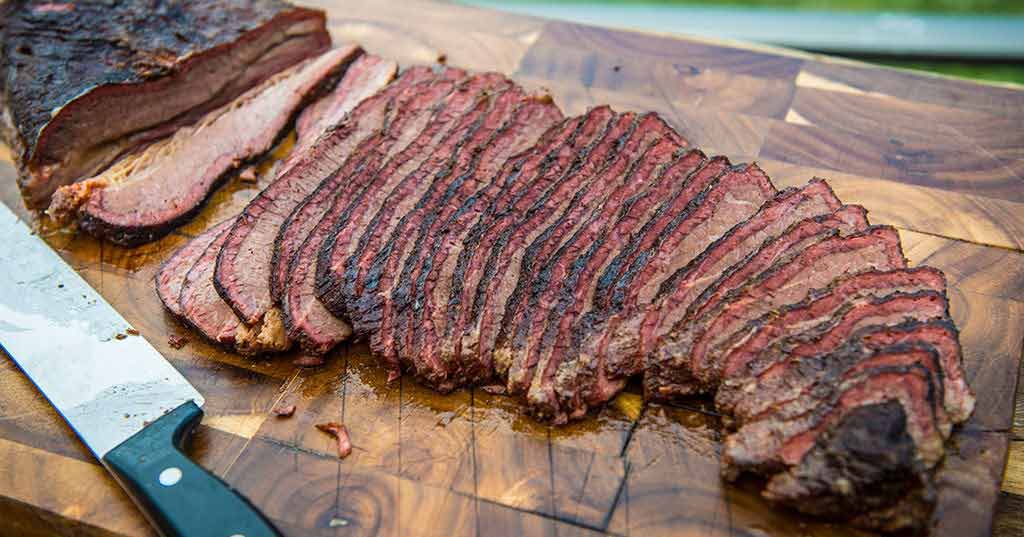
What Exactly Is a Wood Pellet Grill?
Everyone loves barbecue. The smoky aroma, the tender meat, the satisfaction of cooking over real wood — it takes us back to our roots. But traditional smoking can be unpredictable, time-consuming, and frustrating. That’s where wood pellet grills come in, combining the authenticity of wood-fired flavor with the convenience of modern temperature control.
A pellet grill is essentially a sophisticated outdoor cooker that burns compressed hardwood pellets to generate heat and smoke. Originally introduced in the late 1980s, pellet grills have evolved considerably over the decades. Early innovators in the space recognized the potential of using food-grade wood pellets — originally manufactured as a heating fuel — as a consistent and flavorful cooking medium. Since then, numerous manufacturers have refined the concept, building grills that deliver outstanding results with minimal hands-on effort.
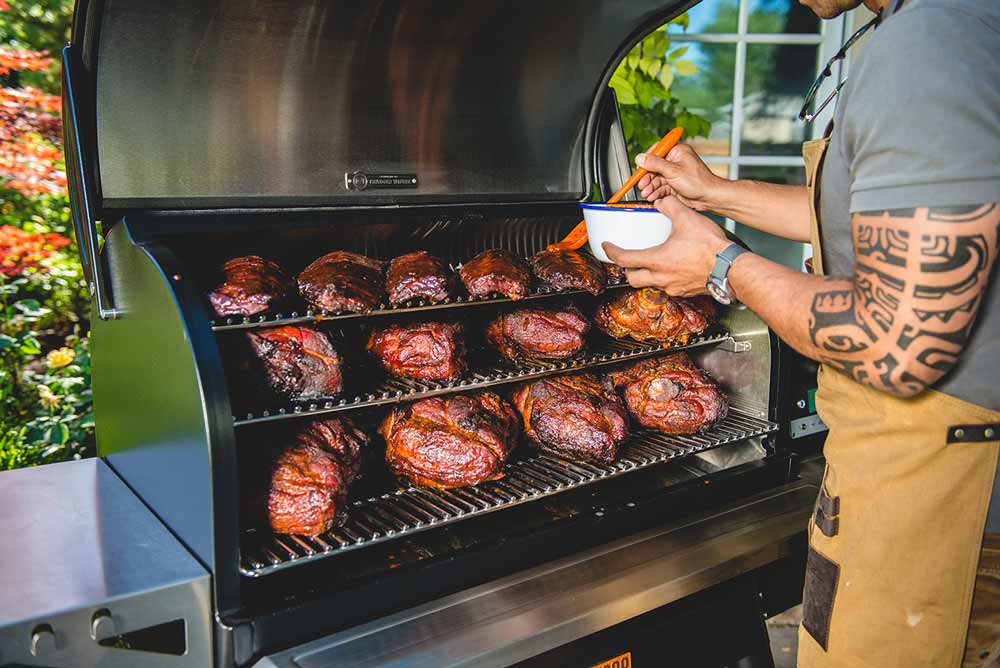
Sometimes called “pellet smokers” or “wood pellet cookers,” these grills are prized for their versatility. They can smoke low and slow at temperatures as low as 180°F, sear at high heat above 500°F, and do everything in between — bake, roast, braise, and grill. Unlike charcoal or propane setups, a pellet grill automates the fuel delivery and temperature regulation, so you spend less time babysitting and more time enjoying your backyard.
Why do people love pellet grills? They deliver authentic wood-smoked flavor with push-button simplicity. Load the hopper, set your temperature, and let the grill handle the rest. It’s the easiest path to consistently delicious results.
Are Wood Pellet Grills Really Worth It?
This is the first question most people ask, and the answer depends on what you value in outdoor cooking. If you want genuine smoky taste without the steep learning curve of an offset smoker or the constant temperature swings of charcoal, a pellet grill is an excellent investment.
While you can absolutely achieve remarkable results with a traditional stick-burner or kettle grill, those methods require significant attention. You need to tend the fire, adjust airflow constantly, and develop an intuition that takes years to build. A pellet grill handles all of this electronically, freeing you to focus on recipes, guests, and the joy of cooking.
Modern pellet grills feature digital controllers that function like outdoor thermostats. Simply set your desired temperature, and the controller manages pellet feed rate and airflow to maintain precise, consistent heat. Whether you’re smoking a brisket for fourteen hours or grilling burgers for a quick weeknight dinner, the grill does the heavy lifting.
That said, pellet grills aren’t without trade-offs. They require electricity to run the auger, fan, and controller. They also produce a milder smoke profile compared to traditional offset smokers — which some purists prefer but others see as more approachable. And while prices have come down significantly, quality pellet grills still represent a meaningful investment, typically starting around $500 and ranging well above $2,000 for premium models.

How Does a Wood Pellet Grill Actually Work?
Understanding the mechanics of a pellet grill helps you appreciate why they perform so consistently. The process is elegantly simple, built around four key components working in harmony.
The Hopper
This is where everything begins. You load food-grade hardwood pellets into the hopper, which acts as a fuel reservoir. Most hoppers hold between 15 and 40 pounds of pellets, giving you hours of uninterrupted cooking.
The Auger
A motorized screw mechanism called an auger feeds pellets from the hopper into the fire pot at a controlled rate. The speed of this auger directly determines how much heat is generated.
The Fire Pot
Pellets drop into the fire pot where a hot rod igniter lights them. Once ignited, the pellets smolder and produce both heat and clean, flavorful smoke that circulates around your food.
The Controller
A digital controller acts as the brain of the operation. It monitors internal temperature via sensors and adjusts the auger speed and fan to maintain your target temperature precisely.
The grilling process always starts with fuel. Pellet grills store their pellets in a side-mounted hopper, then use the motorized auger to transport them into a central fire pot. Once ignited by the hot rod element, the pellets burn cleanly, producing consistent heat and aromatic smoke. A convection fan circulates the heated air throughout the cooking chamber, ensuring even temperature distribution from edge to edge.
This entire cycle is managed by the digital controller, which constantly reads the chamber temperature and makes micro-adjustments to the auger speed and fan output. The result is remarkably stable cooking conditions — no more opening the lid to stoke coals or worrying about flare-ups. Your food cooks evenly in a controlled, smoky environment from start to finish.
Pro Tip: Unlike charcoal or gas grills, pellet grills function more like convection ovens with wood smoke. This means you get even heat circulation plus authentic wood flavor — a combination no other grill type can match as effortlessly.

What Are Wood Pellets and Why Are They a Superior Fuel Source?
The compressed hardwood pellets used in these grills are crafted from pure sawdust and wood shavings — no fillers, no binders, no chemical additives. They’re manufactured by forcing raw hardwood material through a die under extreme pressure, which causes the wood’s natural lignin to bind the particles together. The result is a dense, uniform fuel source that burns cleanly and efficiently.
Food-grade grilling pellets differ significantly from heating pellets you might find at a hardware store. Heating pellets can contain softwoods, bark, and other materials that produce off-flavors and potentially harmful compounds. Always make sure you’re using pellets specifically labeled for cooking — they’re made exclusively from pure hardwood with food safety in mind.
One of the biggest advantages of cooking with pellets is the variety of wood flavors at your disposal. Each species of hardwood imparts its own distinctive character to your food, allowing you to customize the taste profile of every cook. Here’s a breakdown of the most popular options:
Wood Pellet Flavor Guide
| Wood Type | Flavor Profile | Best Paired With |
|---|---|---|
| Hickory | Bold, robust, bacon-like smokiness | Pork ribs, brisket, pulled pork, sausages |
| Mesquite | Intense, earthy, slightly sweet | Beef steaks, burgers, dark poultry |
| Apple | Mild, fruity, subtly sweet | Chicken, turkey, pork chops, fish |
| Cherry | Mildly sweet with a rich color | Poultry, pork, lamb, salmon |
| Maple | Light, mildly sweet, delicate | Vegetables, poultry, ham, cheese |
| Oak | Medium, versatile, clean smoke | Virtually everything — a perfect all-rounder |
| Pecan | Rich, nutty, slightly sweet | Poultry, pork, baked goods, game |
| Competition Blend | Balanced mix of hardwoods | All-purpose, ideal for beginners |
Pellet consumption varies based on cooking temperature, weather conditions, and the specific grill, but a general rule of thumb is that you’ll burn through about one to three pounds of pellets per hour at moderate smoking temperatures. At higher grilling temperatures, consumption increases accordingly. A standard 20-pound bag of quality pellets typically costs between $15 and $25, making pellet grilling an economical fuel choice compared to lump charcoal or specialty smoking woods.
Pellet Storage Tip
Wood pellets absorb moisture quickly, and damp pellets can jam your auger and produce inconsistent results. Always store your pellets in a sealed, airtight container in a dry location. If you won’t be using your grill for an extended period, empty the hopper and store leftover pellets properly. Keeping them dry ensures reliable ignition, clean burns, and maximum flavor every time you cook.

How do wood pellet grills compare to traditional smokers?
Pellet grills offer automated temperature control that traditional smokers lack. While stick-burners and offset smokers can produce exceptional smoke flavor, they demand constant attention and a steep learning curve. Pellet grills deliver reliable results with far less effort, making them ideal for both beginners and seasoned grill masters who want convenience without sacrificing taste.
Are pellet grills worth the investment?
Absolutely. If you value consistent results, ease of use, and the ability to smoke, grill, bake, and roast all on one machine, a pellet grill pays for itself in versatility alone. They’re suitable for complete beginners yet capable enough to satisfy competitive pitmasters. The key is choosing a quality model with solid construction and a reliable controller.
What maintenance do pellet grills require?
Pellet grills are relatively low-maintenance. After each cook, you should clean the grill grates and remove ash from the fire pot. Periodically, give the drip tray and heat shield a thorough cleaning to prevent grease buildup. Vacuum out accumulated ash from the cooking chamber every few sessions. Keeping your grill clean not only extends its lifespan but also ensures your food tastes its best every time.
Can I use a pellet grill in rain or cold weather?
You can, but environmental conditions do affect performance. Cold and windy weather will increase pellet consumption because the grill has to work harder to maintain temperature. Using an insulated blanket (available for most models) helps significantly in cold climates. Rain isn’t ideal — moisture can affect pellet quality if the hopper isn’t covered — but a quality grill cover and sheltered location solve most weather-related challenges.
Can you use a pellet grill as a standard grill?
Yes. While pellet grills excel at low-and-slow smoking, many modern models reach temperatures of 500°F or higher, making them perfectly capable of searing steaks, grilling burgers, and cooking pizzas. Some models include direct-flame access or sear plates for even more intense high-heat cooking. They truly are the most versatile outdoor cooker you can own.