
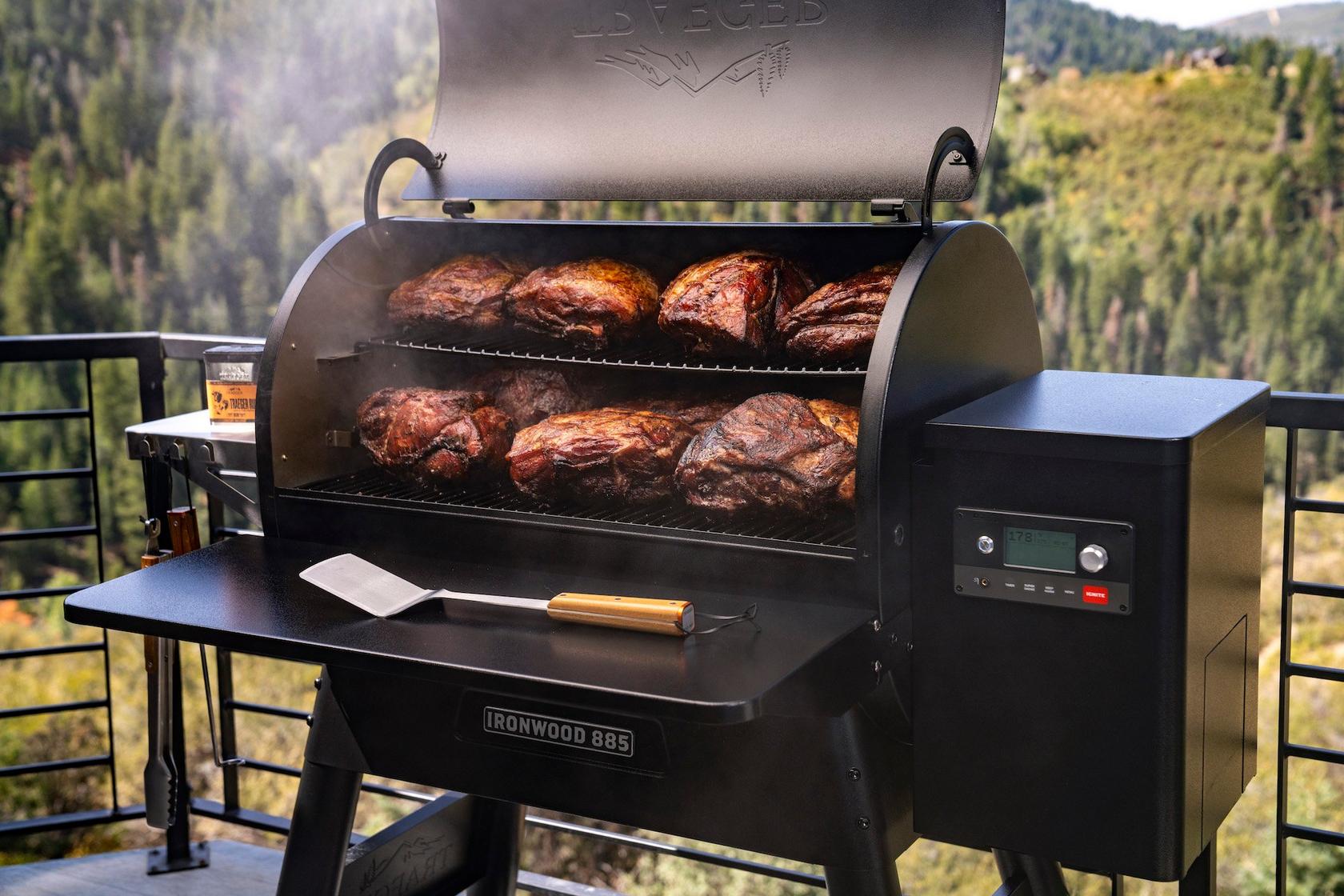
A pellet grill is a remarkable outdoor cooker that lets you harness the rich taste and aroma of real hardwood. Whether you're preparing brisket, pulled pork, ribs, chicken, seafood, or even vegetables, the beauty of pellet grilling is its ability to deliver consistent smoke and temperature — making the entire process approachable for beginners and endlessly rewarding for seasoned pitmasters.
Beyond smoking meat, you can expand your outdoor cooking repertoire to include smoked cheeses, roasted peppers, grilled fruits, and much more. The versatility of a quality pellet grill means you'll find yourself cooking outdoors more often, turning everyday meals into wood-fired experiences. In this guide, we'll walk you through everything you need to know — from how a pellet grill works to choosing the right temperatures, plus our favorite recipes and techniques.
How a Pellet Grill Works
Pellet grills operate on a straightforward but ingenious concept. Hardwood pellets — small, compressed cylinders of natural sawdust — are loaded into a side hopper. From there, a motorized auger feeds them into a fire pot at a controlled rate. An igniter rod lights the pellets, and a convection fan circulates heat and smoke throughout the cooking chamber, much like an outdoor convection oven.
What sets pellet grills apart from conventional charcoal or gas models is precision. A digital controller regulates how many pellets are fed into the fire pot, allowing you to dial in your desired temperature — sometimes within just a few degrees. This means you get the convenience of set-it-and-forget-it cooking combined with authentic hardwood smoke flavor.
If you've ever struggled with maintaining heat in a traditional smoker, a pellet grill eliminates much of that guesswork. Simply choose your wood pellet variety — hickory, mesquite, apple, cherry, or competition blends — set your temperature, and let the grill handle the rest. It's the ideal intersection of old-school flavor and modern convenience.
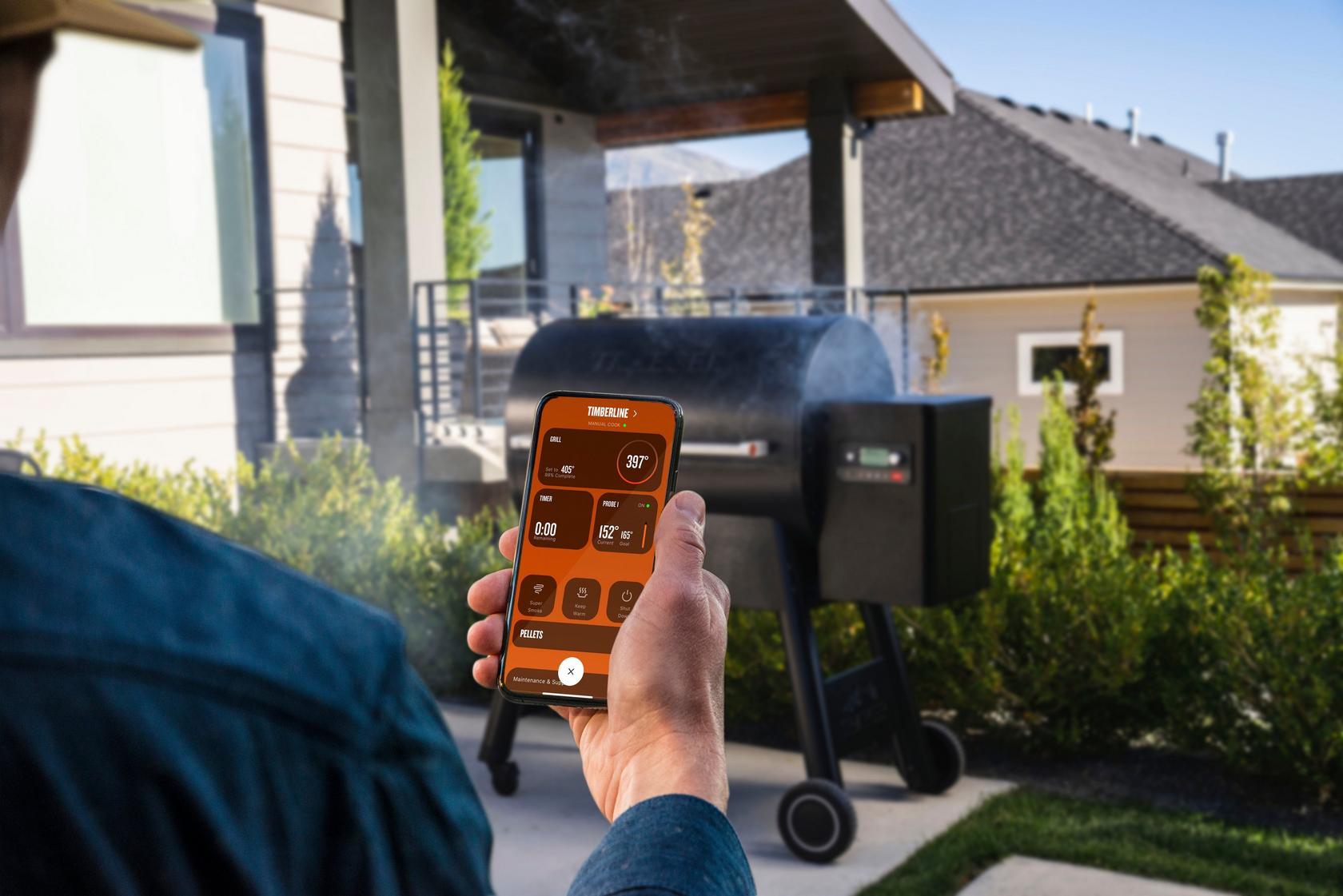
How to Smoke on a Pellet Grill — Step by Step
Smoking on a pellet grill is one of the most satisfying ways to cook, especially once you understand a few essential steps. Follow this process to produce juicy, deeply flavorful smoked meats and more every single time.
Step 1
Start With Quality Pellets
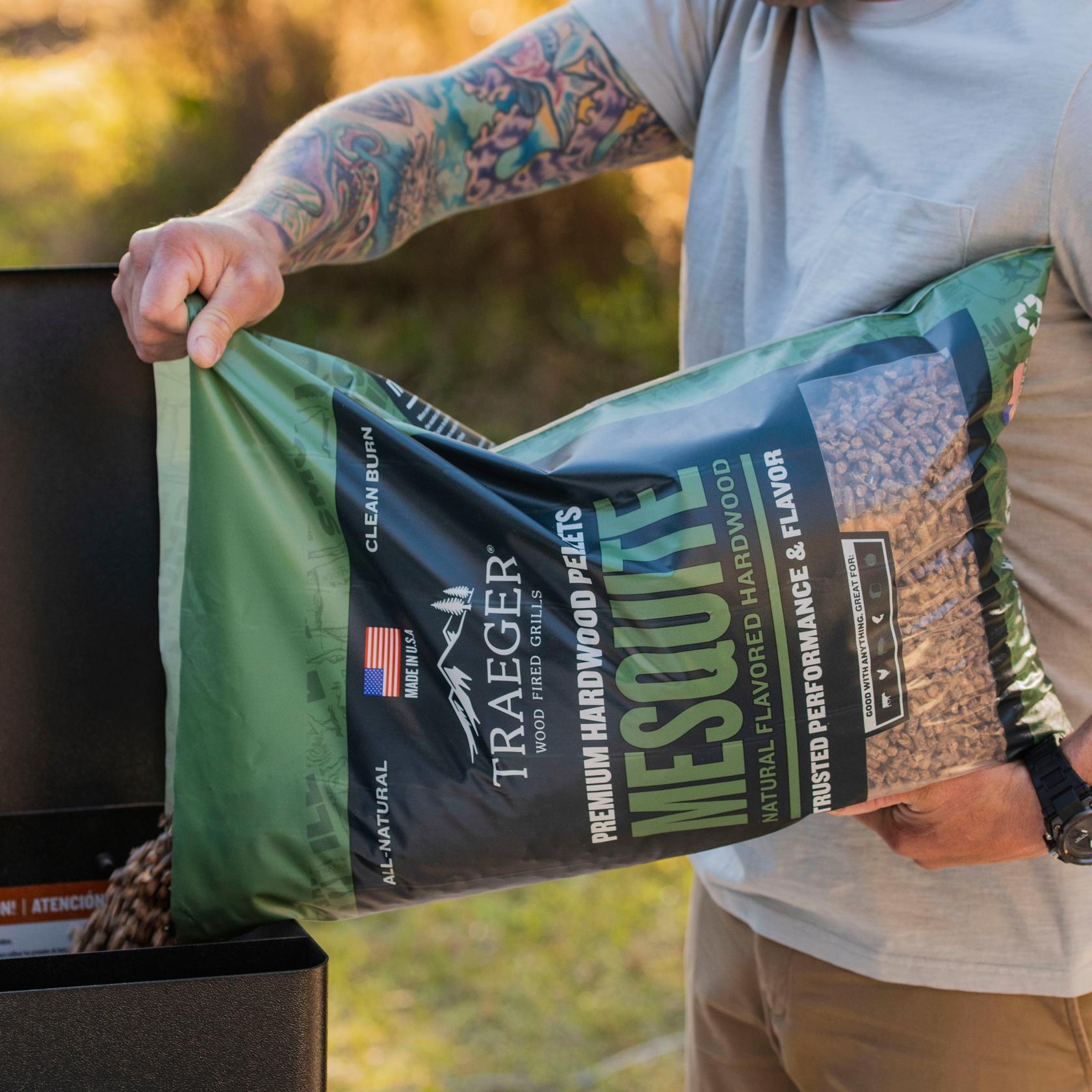
Before you do anything else, make sure your hopper is loaded with fresh, high-quality hardwood pellets. The type of pellet you choose directly influences the flavor profile of your food. Hickory and mesquite bring bold, robust smokiness. Fruitwoods like apple and cherry offer a milder, slightly sweet finish — perfect for poultry, pork, and fish. Competition blends provide a balanced, versatile flavor that works with virtually anything.
Step 2
Fill the Hopper & Set Your Temperature
Though some cooks like to skip the preheat, we strongly recommend letting the grill warm up to your target temperature before placing food inside. This stabilizes the internal environment and ensures even cooking from the start. For most smoking sessions, you'll want a temperature range of 180°F to 275°F — low and slow is the name of the game.
Step 3
Prepare Your Food
Now it's time to get your proteins and vegetables grill-ready. Whether you've brined a turkey overnight, slathered ribs with a dry rub, or marinated chicken thighs for a few hours, preparation is where great flavor begins. Trim excess fat where needed, apply your seasoning generously, and allow the meat to reach room temperature before it hits the grate. This promotes even heat absorption and a better smoke ring.
Step 4
Choose the Right Grill Temperature
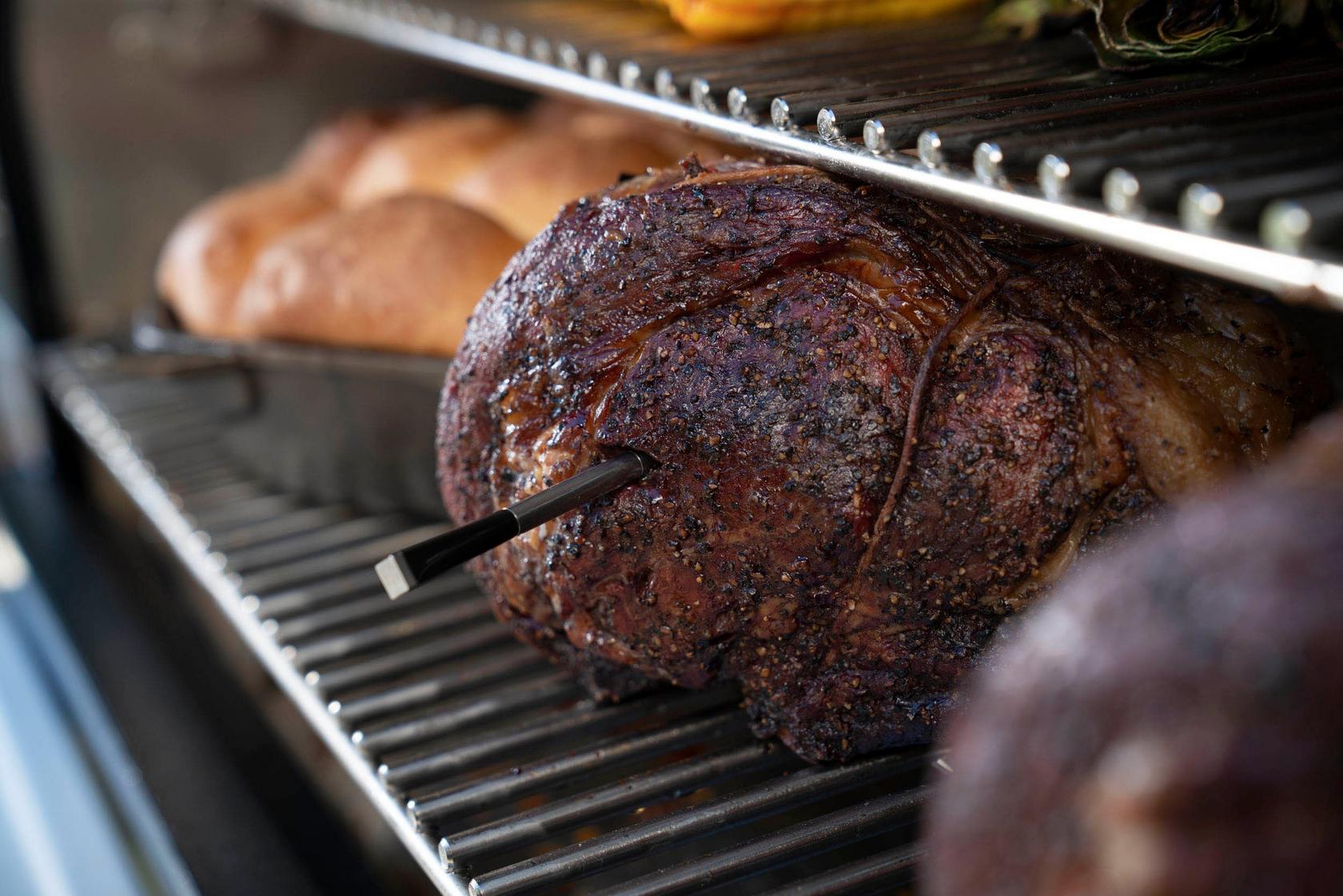
Smoked food is all about patience and the correct heat level. The right temperature depends entirely on what you're cooking. Brisket and pork shoulder generally thrive at 225°F for long, slow cooks. Poultry often benefits from slightly higher heat — around 250°F to 275°F — to ensure crispy skin while staying juicy inside. Delicate items like salmon or vegetables do well at lower temperatures, sometimes as low as 180°F. Use a reliable meat thermometer to monitor internal temperatures, and always cook to temp, not to time.
Step 5
Use the Super Smoke Feature
If your pellet grill has a super smoke or enhanced smoke mode, don't be afraid to use it — especially during the first few hours of your cook. This feature increases the volume of smoke rolling through the chamber, giving your food a deeper, more pronounced wood-fired flavor. It works best at lower temperatures (typically below 225°F) and is ideal for cuts that spend a long time on the grate, like brisket and pork butt.
Step 6
Be Patient — Low and Slow Is the Way
Resist the temptation to open the lid too frequently. Every time you do, heat and smoke escape, which extends your cook time and can result in uneven flavor. A well-seasoned pitmaster knows that patience is the secret ingredient. Trust the process, monitor your thermometer, and let the grill do what it was built to do. Most smoking sessions range from two hours for smaller items to upwards of twelve to sixteen hours for a full brisket.
Step 7
Let Your Meat Rest Before Serving
Once your meat hits its target internal temperature, pull it off the grill and let it rest. For large cuts like brisket, wrapping in butcher paper and resting in a cooler for one to two hours allows the juices to redistribute, resulting in a more tender and flavorful final product. Smaller cuts like ribs and chicken only need about ten to fifteen minutes. This step is often overlooked but makes a massive difference in the end result.
Step 8
Keep Your Grill Clean for the Next Cook
After the feast, take a few minutes to clean your grill. Scrape the grates, empty the ash from the fire pot, and wipe down the interior. Regular maintenance keeps your pellet grill performing at its peak and prevents off-flavors from old residue building up over time. A clean grill is a happy grill — and it'll reward you with better-tasting food every single time.
Featured Product
Ready to Start Smoking?
Take your outdoor cooking to the next level with the Recteq Deck Boss 800 — a powerhouse pellet grill built for serious backyard flavor.
Recteq Deck Boss 800
Best Smoked Meat Recipes
Here are some of the most beloved smoking recipes you can try. Whether you're a first-timer or a backyard veteran, these classics never disappoint:
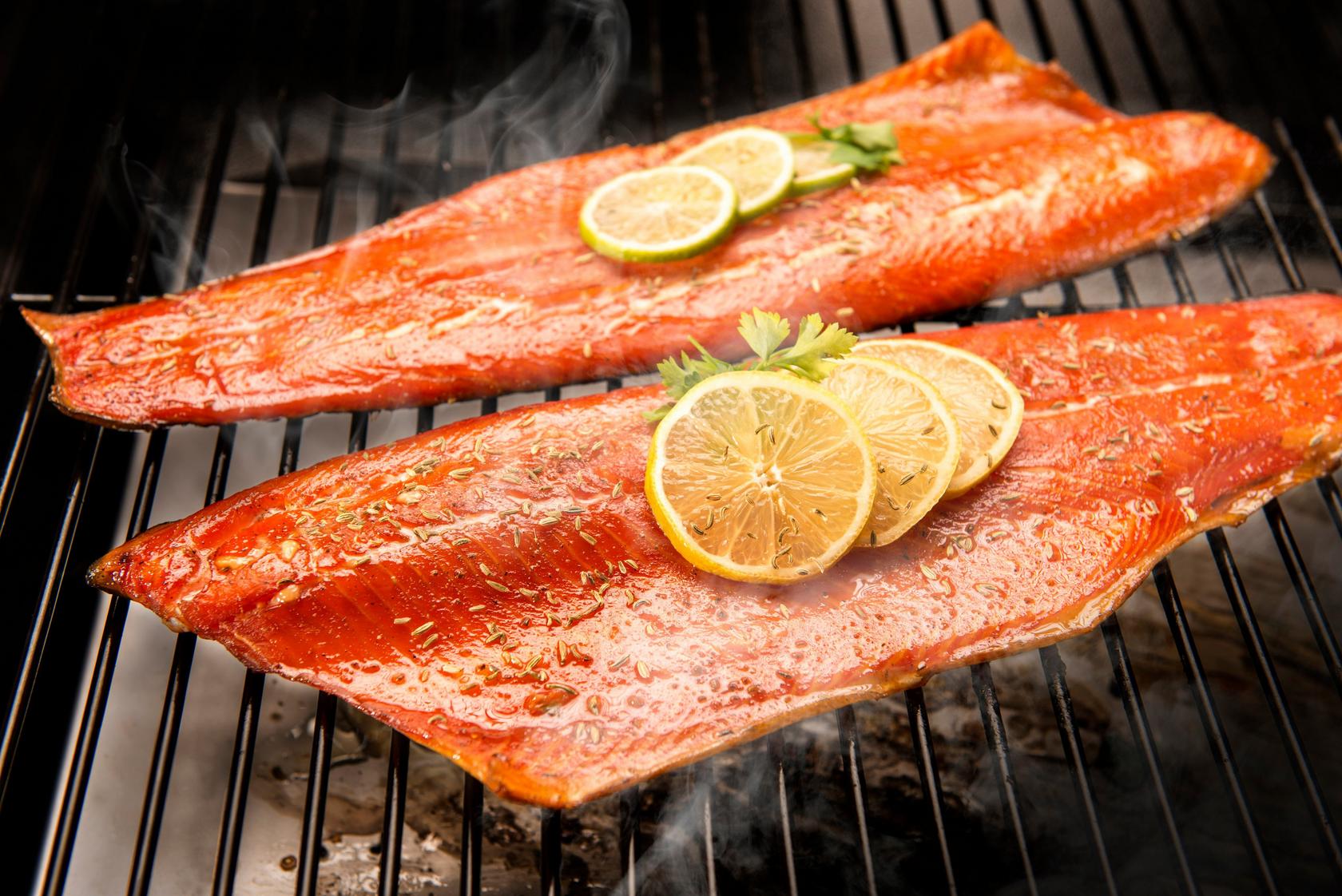
Smoked Brisket
Bacon-Wrapped Smoked Meatloaf
Beer Brined Smoked Turkey
Smoked Spare Ribs
Smoked Pork Tenderloin
Classic Smoked Sausage
Christmas Smoked Baby Back Ribs
Classic Smoked Wings
Smoked Butterscotch Butt
Classic Prime Rib
Smoked Cheeseburger
S.L.T. (Smoked BLT)
Best Non-Meat Smoked Recipes
Smoking isn't reserved for meat alone. In fact, some of the most surprisingly delicious pellet grill creations are plant-based sides, cheeses, and desserts. Give these a try at your next cookout:
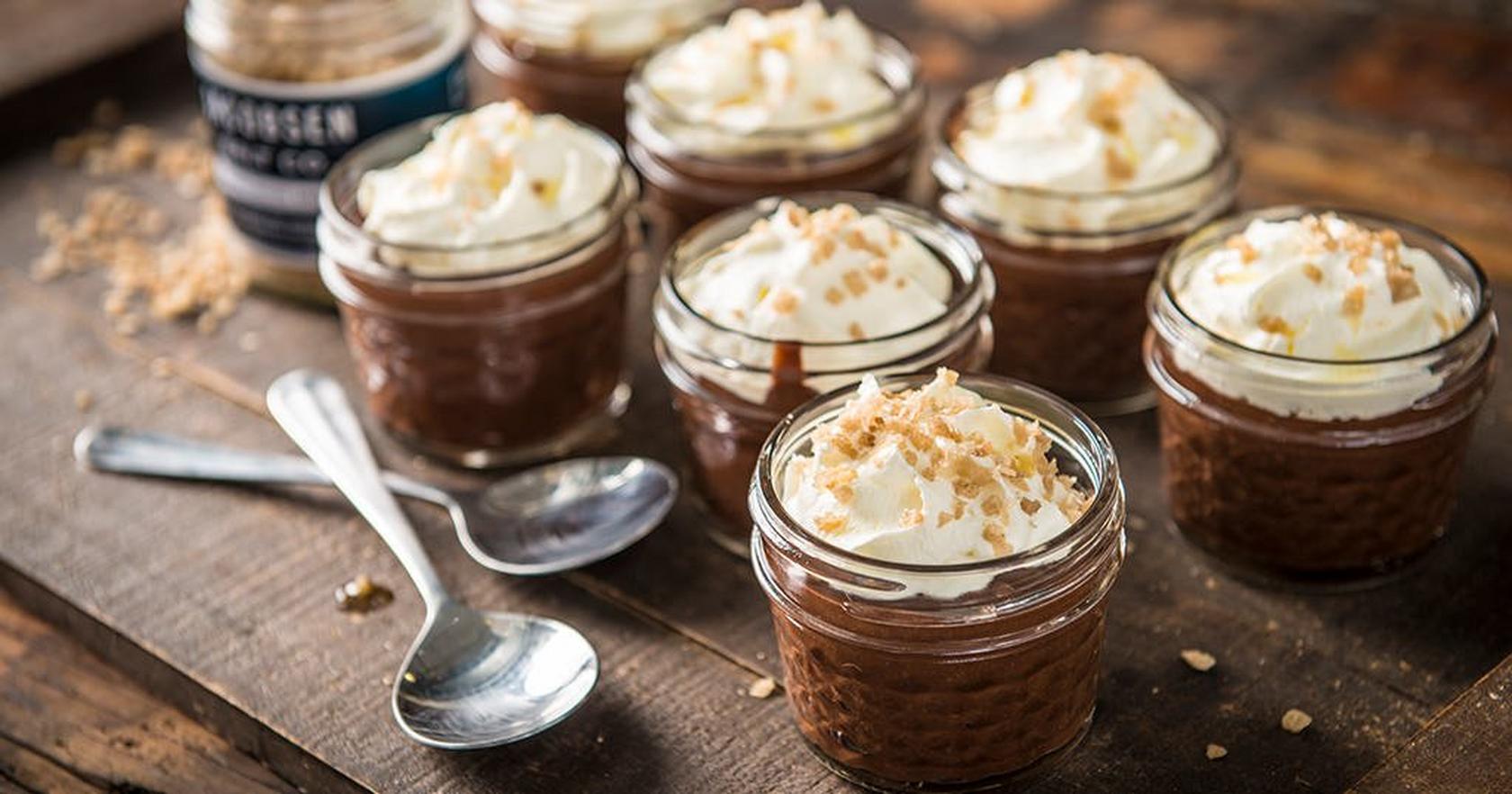
Smoked Guacamole
Smoked Artichokes
Classic Smoked Potato Salad
Smoked Elote-Style Corn Salad
Smoked Mac and Pimento Cheese
Smoked Beet and Goat Cheese Salad
Smoked Chocolate Mousse Cake
Explore More Smoking Guides
Dig deeper into our favorite smoking topics and take your skills to the next level.
How to Smoke a Brisket Like a Pro
Intro to Smoking With Wood Pellet Chunks
How to Smoke a Turkey
Guide to Smoked Salmon & Fish
Best Woods for Smoking Different Meats
Smoking Meat Temperature & Time Chart
Now that you understand the essentials of smoking, the only thing left is to fire up your grill and start cooking. Find the right pellet grill for your backyard and make every meal an outdoor experience.