

Pellet smokers have completely changed the way backyard cooks approach outdoor BBQ. Whether you're a weekend warrior or a devoted pitmaster, these versatile machines deliver consistent, wood-fired flavor with a level of ease that traditional smokers simply can't match. This guide covers everything — from what a pellet grill actually is, to pro-level tips that will transform your cookouts forever.
Table of Contents
- Introduction to Pellet Smokers
- Benefits of Owning a Pellet Smoker
- Tips & Tricks to Using a Pellet Smoker
- Discover the Magic of Smoking Food
- How to Best Use Your Pellet Smoker
Introduction to Pellet Smokers
A pellet smoker — sometimes called a pellet grill — is an outdoor cooking appliance that runs on small, compressed hardwood pellets as its fuel source. These pellets are automatically fed from a hopper into a firepot by an auger, where they ignite and produce both heat and smoke. A digital controller regulates the auger speed to maintain your chosen temperature precisely, meaning you get a true "set it and forget it" cooking experience that gas and charcoal grills simply cannot replicate.
Pellet smokers bridge the gap between the convenience of gas grilling and the authentic, deep flavor of wood-fire cooking. They can smoke low and slow for hours, roast a whole chicken to juicy perfection, sear steaks with impressive grill marks, and even bake a wood-fired pizza — all on one machine.
"The pellet smoker is the most versatile piece of outdoor cooking equipment you will ever own — it is part grill, part smoker, and part outdoor
oven."

Benefits of Owning a Pellet Smoker
Once you cook on a pellet smoker, going back feels impossible. Here's why these grills have developed such a passionate following.
Precision Temperature Control
A digital PID controller keeps your cooking temperature within a tight range. No babysitting, no guessing — just reliable, repeatable results every single time you cook.
Authentic Wood-Fired Flavor
Hardwood pellets come in dozens of varieties — hickory, applewood, cherry, mesquite, and more. Each wood imparts a distinct, natural flavor you simply cannot get from gas or propane.
Set It and Forget It
Load the hopper, dial in your temperature, and walk away. The smoker manages itself automatically — giving you more time to relax with guests instead of tending a fire.
Incredible Versatility
Smoke a brisket overnight, grill burgers at high heat, roast vegetables, bake desserts, and even braise. The pellet smoker replaces multiple outdoor cooking appliances in one unit.
Smart Technology
Modern pellet smokers connect to smartphone apps, allowing you to monitor temperatures, adjust settings, and track your cook remotely from anywhere on your property.
Cleaner Burning Fuel
Compressed hardwood pellets burn efficiently and cleanly. They produce minimal ash compared to charcoal, making post-cook cleanup significantly faster and easier.

Tips & Tricks to Using a Pellet Smoker
Getting the most out of your pellet smoker comes down to a few smart habits. These tips separate good BBQ from unforgettable BBQ.
Always Preheat Properly
Give your pellet smoker at least 15 minutes to fully preheat before adding food. This stabilizes the cooking chamber temperature and ensures a clean burn — which means better flavor from the very first minute of cooking.
Match Your Wood Pellets to Your Protein
The pellet flavor you choose matters enormously. Mild woods like applewood and cherry complement poultry and fish beautifully. Bold woods like hickory and mesquite stand up to beef and pork. Experiment to find your personal perfect pairings.
Keep the Hopper Full
Running out of pellets mid-cook is the most common beginner mistake. For long smokes — brisket, pork shoulder, ribs — check the hopper every few hours and top it up proactively. Most cooks use far more pellets than they anticipate.
Use a Quality Meat Thermometer
Internal temperature is the only reliable indicator of doneness. Invest in a dual-probe thermometer — one probe for the meat, one to verify the grill's actual temperature. This single tool will improve your results dramatically.
Don't Rush the Rest
After pulling your meat from the smoker, rest it properly — tented loosely with foil. Large cuts like brisket need 30 to 60 minutes of resting to allow juices to redistribute. Skipping this step is the difference between a good cook and a great one.
Clean Your Grill Regularly
Grease buildup is both a fire hazard and a flavor killer. Wipe down grates after each cook, clean the grease trap weekly during active season, and deep-clean the cooking chamber at least once a month for peak performance.
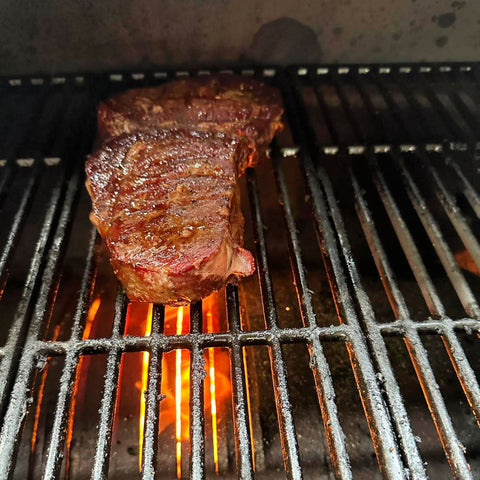
Discover the Magic of Smoking Food on a Pellet Smoker
There is something genuinely transformative about food that has been kissed by real wood smoke. The complex, layered flavors that slow-smoking produces — the mahogany bark on a brisket, the fall-off-the-bone tenderness of smoked ribs, the delicate smoke ring inside a pork shoulder — are simply impossible to achieve with any other cooking method.
Pellet smokers make this culinary magic accessible to everyone. The low-and-slow process gently breaks down tough connective tissue in larger cuts, converting it into rich, gelatinous collagen that makes every bite melt in your mouth. Meanwhile, the smoke itself penetrates the surface of the meat, depositing flavor compounds that build throughout the cook.
What Can You Cook on a Pellet Smoker?
The honest answer is: almost anything. Beyond the classic BBQ staples, pellet smokers shine across a surprisingly broad range of foods.
| Food | Temperature | Wood Pairing | Estimated Time |
|---|---|---|---|
| Beef Brisket | 225°F – 250°F | Oak / Hickory | 12 – 18 hrs |
| Pork Ribs | 225°F – 250°F | Cherry / Apple | 5 – 6 hrs |
| Pulled Pork | 225°F – 250°F | Hickory / Pecan | 10 – 14 hrs |
| Whole Chicken | 325°F – 375°F | Applewood | 2 – 3 hrs |
| Salmon | 180°F – 200°F | Alder / Cherry | 2 – 4 hrs |
| Pizza | 450°F – 500°F | Any hardwood | 10 – 15 min |
| Vegetables | 375°F – 400°F | Pecan / Apple | 30 – 60 min |
The versatility of the pellet smoker means your investment pays dividends across every season — from summer ribs to Thanksgiving turkey to holiday prime rib.

How to Best Use Your Pellet Smoker
Whether you are firing up for the first time or looking to sharpen your technique, these 10 steps will ensure every cook is a success from start to finish.
-
Season Your Grill Before the First Cook
Run your brand-new pellet smoker at 350°F for 45 minutes before cooking any food. This burns off manufacturing residues and coats the interior surfaces, protecting them and improving non-stick performance for all future cooks.
-
Choose Your Pellets Intentionally
Plan ahead and select a wood variety that pairs with what you're cooking. Keep at least two or three types of pellets on hand so you always have the right flavor profile ready to go.
-
Preheat the Grill Fully
Set your target temperature and close the lid. Wait the full preheat cycle before opening the lid or adding food. Patience here pays off in more consistent cooking results throughout the entire session.
-
Season and Prepare Your Meat in Advance
For deeper flavor penetration, apply your dry rub or marinade the night before and refrigerate uncovered. Bringing meat closer to room temperature for 30 minutes before placing it on the grill also promotes more even cooking.
-
Place Food Correctly on the Grates
Position larger, thicker cuts toward the center of the grate where heat distribution is most even. Leave adequate space between pieces to allow proper airflow and smoke circulation around all surfaces.
-
Monitor Internal Temperature Consistently
Insert your probe thermometer at the thickest part of the meat, away from bone. Check temperatures periodically rather than relying solely on time estimates — every cut and every cook behaves slightly differently.
-
Minimize Lid-Opening During the Cook
Every time you lift the lid, you release heat and smoke and interrupt the cooking environment. Trust the process and the temperature controller — only open the lid when you genuinely need to check or baste.
-
Use the Wrap Technique for Longer Cooks
When larger cuts hit the "stall" — a frustrating plateau in internal temperature — wrap them tightly in butcher paper or foil. This traps moisture and helps push through the stall faster without sacrificing bark quality.
-
Rest Your Meat Before Slicing
Transfer cooked meat to a cutting board, tent loosely with foil, and allow it to rest. This essential step lets the juices redistribute evenly throughout the cut, resulting in noticeably more tender and juicy results.
-
Clean and Maintain After Every Session
Empty the ash pot, wipe down the grates while still warm, and cover your smoker after every cook. Store pellets in a sealed, airtight container to keep them dry and burning efficiently for your next session.