
Table of Contents
1. Introduction to Pellet Smokers
2. Benefits of Having a Pellet Smoker
3. Tips and Tricks for Using a Pellet Smoker
4. Discover the Magic of Smoking Food on a Pellet Smoker
5. How to Best Use Your Pellet Smoker — 10 Easy Steps
Introduction to Pellet Smokers
If you have ever dreamed of producing restaurant-quality smoked meat right in your own backyard, pellet smokers are the answer you have been looking for. These innovative grills use compressed hardwood pellets as fuel, combining the convenience of modern technology with the rich, authentic flavor of traditional wood-fired cooking. Whether you are a beginner or a seasoned pitmaster, a pellet smoker opens up a world of culinary possibilities.
Pellet smokers operate on a simple yet brilliant concept. An electric-powered auger feeds wood pellets from a hopper into a firepot, where they are ignited to produce heat and smoke. A digital controller manages the airflow and pellet feed rate, maintaining a steady temperature throughout your cook. This means you can set the temperature and walk away, confident that your food is being smoked evenly and consistently for hours on end.
What makes pellet smokers so appealing is their incredible versatility. You are not limited to just smoking — these machines can grill, bake, roast, braise, and even sear at high temperatures. From slow-cooked brisket and pulled pork to perfectly roasted vegetables and homemade pizza, a pellet smoker truly is an all-in-one outdoor cooking solution that transforms your backyard into a gourmet kitchen.

Benefits of Having a Pellet Smoker
Unmatched Ease of Use
One of the biggest advantages of pellet smokers is how remarkably simple they are to operate. Gone are the days of constantly monitoring charcoal levels, adjusting dampers, or worrying about temperature swings. With a pellet smoker, you simply fill the hopper with your favorite wood pellets, set your desired temperature using the digital controller, and let the machine handle the rest. It is truly a set-it-and-forget-it approach to outdoor cooking that makes smoking accessible to everyone.

Rock-Solid Temperature Consistency
Temperature control is the secret to outstanding barbecue, and pellet smokers deliver it effortlessly. The onboard controller continuously monitors and adjusts the pellet feed rate and fan speed to hold your target temperature within a few degrees. Whether you are slow smoking ribs at 225°F for eight hours or cranking up the heat to 450°F for a quick sear, the results are consistently excellent. This precision takes the guesswork out of barbecue and gives you repeatably delicious results every single time.
Incredible Wood-Fired Flavor
Nothing compares to the taste of food kissed by real wood smoke, and pellet smokers deliver that authentic flavor in abundance. Hardwood pellets come in a wide variety of flavors — hickory, mesquite, apple, cherry, pecan, and many more — allowing you to customize the smoke profile to perfectly complement whatever you are cooking. The gentle, consistent smoke produced by burning pellets infuses your food with deep, complex flavor without overwhelming bitterness, creating a taste that gas and electric grills simply cannot replicate.

Extraordinary Versatility
A pellet smoker is far more than just a smoker — it is a complete outdoor cooking station. You can smoke a brisket low and slow on Saturday, grill burgers at high heat on Sunday, bake a fresh loaf of bread on Monday, and roast a whole chicken on Tuesday. Some models even reach temperatures high enough for serious searing. This kind of versatility means you get the functionality of multiple appliances packed into one sleek unit, saving space and money while dramatically expanding your cooking repertoire.
Superior Fuel Efficiency
Pellet smokers are impressively efficient with their fuel consumption. Because the controller only feeds pellets as needed to maintain temperature, there is very little waste. A typical 20-pound bag of pellets can fuel anywhere from 12 to 20 hours of smoking depending on the temperature and weather conditions. Compared to the constant restocking of charcoal or the high cost of propane over time, wood pellets offer excellent value while delivering a superior cooking experience.
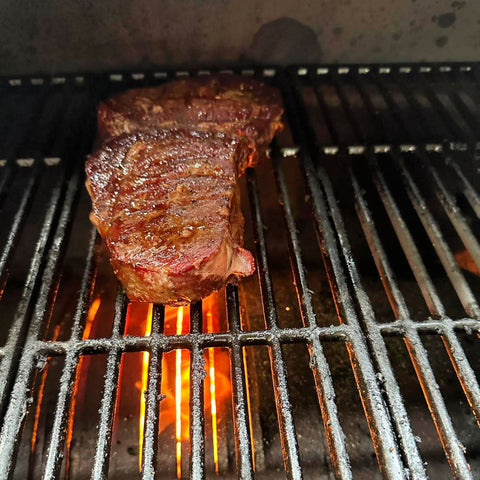
Ready to Elevate Your Backyard Cooking?
Explore the Recteq Deck Boss 800 — built for serious flavor and effortless control.
Recteq Deck Boss 800Tips and Tricks for Using a Pellet Smoker
Getting the most out of your pellet smoker is all about understanding a few key techniques. Whether you just unboxed your first unit or have been smoking for years, these practical tips will help you achieve better results and get more enjoyment from every cook.
Always Preheat Your Smoker
Just like you would preheat your oven before baking, always allow your pellet smoker at least 10 to 15 minutes to reach your target temperature before placing any food on the grates. Preheating ensures the entire cooking chamber is evenly heated, the firepot is producing clean smoke, and the grill grates are hot enough to give your meat a good initial sear. Skipping this step often leads to uneven cooking and a less appealing smoke flavor during the early stages.
Choosing the Right Pellets for the Job
The type of wood pellets you choose has a major impact on the final flavor of your food. Stronger woods like hickory and mesquite pair beautifully with bold-flavored meats such as beef brisket and pork shoulder. Milder fruit woods like apple and cherry are ideal for poultry, fish, and vegetables, imparting a subtle sweetness without overpowering the natural flavors. Do not be afraid to experiment with blends either — mixing two or three pellet varieties can produce wonderfully complex and unique flavor profiles.
Keep Your Smoker Clean
Regular cleaning is essential to maintaining peak performance and great-tasting food. After every few cooks, take a few minutes to vacuum out the ash from the firepot and the bottom of the cooking chamber. Scrape down the grill grates and wipe out any grease buildup from the drip tray. A clean smoker runs more efficiently, produces cleaner smoke, and prevents off-flavors caused by rancid grease or excessive ash buildup. It also extends the life of your investment significantly.
Invest in a Quality Meat Thermometer
Even with the best temperature control, the internal temperature of your meat is the only reliable indicator of doneness. A good wireless meat thermometer lets you monitor your cook from inside the house, removing the temptation to constantly open the lid and release precious heat and smoke. Aim for the proper target temperatures — 195°F to 205°F for brisket, 200°F to 205°F for pulled pork, and 165°F for poultry — and you will achieve perfectly cooked results every time.
Resist the Urge to Peek
Every time you open the lid of your pellet smoker, you lose heat and smoke — two things that take time to recover. A common saying in the barbecue world is "if you are lookin', you ain't cookin'." Trust your thermometer, trust your smoker, and keep that lid closed as much as possible. Your patience will be rewarded with juicier, more flavorful food and faster cook times overall.

Discover the Magic of Smoking Food on a Pellet Smoker
There is something almost magical about the way a pellet smoker transforms simple ingredients into extraordinary meals. The slow dance of heat and smoke breaks down tough connective tissue in meat, rendering it impossibly tender while building layer after layer of rich, smoky flavor that permeates every fiber. It is a cooking method that rewards patience and turns humble cuts into show-stopping centerpieces.

Consider the classic beef brisket — a notoriously tough cut of meat that, when subjected to 10 to 14 hours of low and slow smoking at 225°F, becomes melt-in-your-mouth tender with a deeply flavorful bark on the outside and a beautiful pink smoke ring just beneath the surface. Or think about a rack of pork spare ribs, seasoned with a simple dry rub and smoked until the meat pulls cleanly from the bone with just a gentle tug. These are the kinds of transformations that only real wood smoke and patient cooking can achieve.
But the magic of pellet smoking extends far beyond traditional barbecue cuts. Imagine smoking a whole salmon fillet with alder wood pellets, producing a delicately flavored fish with a gorgeous golden exterior. Picture a tray of smoked mac and cheese, the top layer bubbling with a perfectly caramelized crust infused with subtle hickory notes. Even desserts benefit from the smoker — smoked peach cobbler and smoke-kissed chocolate brownies are just a few of the unexpected treats you can create.

The social element of pellet smoking is another part of its charm. There is something wonderfully communal about firing up the smoker early in the morning, spending the day tending to your cook while friends and family gather around, and then sitting down together to enjoy an incredible meal that you crafted from scratch. Pellet smoking is not just about food — it is about creating memories, sharing traditions, and bringing people together around the warmth and aroma of real wood-fired cooking.
The best part is that with a pellet smoker handling the hard work of temperature management, you are free to enjoy the experience rather than stressing over the details. You can focus on preparing side dishes, playing with the kids, or simply relaxing with a cold drink while the smoker does what it does best — turning good ingredients into unforgettable food.

How to Best Use Your Pellet Smoker — 10 Easy Steps
Whether this is your very first cook or you are looking to refine your technique, following these ten straightforward steps will set you up for success every time you fire up your pellet smoker.
Choose Your Location Wisely
Place your pellet smoker on a flat, stable surface in a well-ventilated area away from your home, fences, and any flammable materials. Ensure there is adequate clearance on all sides for proper airflow and safe operation. A covered patio works well as long as there is enough overhead clearance for smoke to dissipate safely.
Fill the Hopper with Quality Pellets
Load your hopper with high-quality, food-grade hardwood pellets. Always use pellets specifically designed for cooking — never heating pellets, which may contain harmful binders and additives. Select your wood variety based on what you are cooking and the flavor profile you want to achieve.
Start the Ignition Cycle
Power on your smoker and initiate the startup sequence with the lid open. Most pellet smokers require the lid to remain open during ignition to prevent a dangerous buildup of smoke and fumes. The ignition rod will heat the pellets in the firepot, and within a few minutes you will see smoke begin to flow — this is your signal that the fire has caught.
Preheat to Your Target Temperature
Once smoke is flowing, close the lid and set your desired cooking temperature. Allow the smoker a solid 10 to 15 minutes to fully preheat and stabilize. The cooking chamber needs time to reach an even temperature throughout, ensuring consistent results from the moment your food hits the grates.
Prepare Your Meat Properly
While the smoker preheats, prepare your meat. Apply your dry rub or marinade generously and allow it to come to room temperature for about 30 minutes before placing it in the smoker. Cold meat from the refrigerator can cause temperature drops in the cooking chamber and may lead to longer cook times and uneven results.
Place Your Food and Insert Thermometer Probes
Set your prepared food on the grill grates and immediately insert your meat thermometer probe into the thickest part of the meat, avoiding bones or fat pockets. Close the lid promptly to minimize heat loss. Position the meat so air can circulate freely around all sides for even smoke penetration and consistent cooking.
Monitor and Be Patient
Let the smoker work its magic. Monitor your cook through the thermometer readings rather than constantly opening the lid. Keep an eye on the pellet hopper level during long cooks and top it off as needed to prevent the fire from going out. Trust the process — great barbecue takes time, and rushing it never leads to the best results.
Wrap if Needed to Push Through the Stall
For larger cuts like brisket and pork shoulder, you may encounter the temperature stall — a period where the internal temperature plateaus as moisture evaporates from the surface. You can wrap the meat in butcher paper or aluminum foil to push through this phase more quickly while retaining moisture. This technique, known as the Texas Crutch, is a trusted method used by competition pitmasters worldwide.
Rest Your Meat Before Serving
When your meat reaches its target internal temperature, remove it from the smoker and let it rest for at least 15 to 30 minutes before slicing. Resting allows the juices to redistribute throughout the meat, resulting in a far juicier and more flavorful final product. For larger cuts like brisket, resting in a cooler wrapped in towels for up to two hours produces outstanding results.
Shut Down and Clean Up Properly
After your cook is complete, follow the proper shutdown procedure for your pellet smoker. Most models have a shutdown cycle that burns off remaining pellets in the firepot and runs the fan to cool the unit down safely. Once cooled, take a few minutes to scrape the grates, empty the drip tray, and vacuum out ash from the firepot. Consistent cleaning after every cook ensures your smoker stays in top condition and is always ready for the next barbecue session.
Start Your Pellet Smoking Journey Today
The Recteq Deck Boss 800 delivers competition-grade performance right in your backyard. Precision temperature control, massive cooking space, and built to last.
Recteq Deck Boss 800