
Got a mountain bike and ready to explore? The real question is — how far can you go? Mountain bikes have become remarkably affordable in recent years, and the trail scene has changed dramatically because of it. Head to any trailhead on a Saturday morning and you will notice most riders are on full-suspension rigs, many rolling on 29-inch wheels, all decked out with impressive components.
Not long ago, the majority of riders were bouncing along on budget hardtails with rim brakes. Affordable dual-suspension options were clunky and heavy, and anything truly trail-worthy came with a hefty price tag. A decent "entry-level" performance bike could easily run close to $2,000 — and that was still a hardtail with basic V-brakes.
Today's pricing shift has brought a flood of new designs, frame materials, and riding disciplines into the mainstream. The old debate of cross-country versus downhill has faded, as manufacturers now aim to build bikes that can handle a bit of everything — some with more success than others.
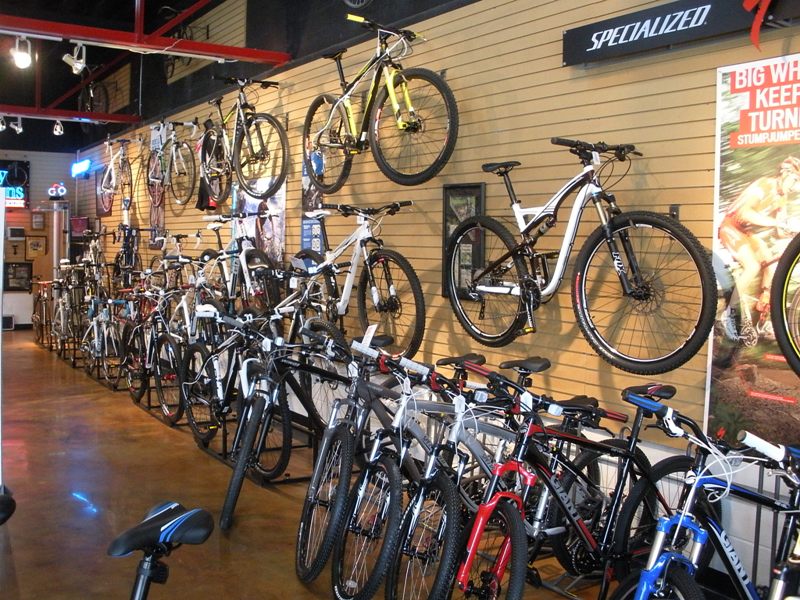
So where do you start? Should you grab a hardtail or go full-suspension? And if dual-suspension is the way to go, how much travel do you actually need? We have broken mountain bikes down into clear categories below, explaining the purpose, strengths, and trade-offs of each type to help you make the right choice.
Note: This guide uses 26-inch wheels as its baseline reference point. For a deeper look at the 29-inch platform, see additional resources online.
General Purpose / Recreational
Everyone has to start somewhere. Recreational mountain bikes are designed more for the aesthetic appeal of an off-road bicycle than for serious trail performance. The gearing, suspension, and wheel specifications on these bikes are better suited for family outings and very smooth, well-maintained paths rather than rugged singletrack.
Pro tip: It is always wise to consult with a mountain bike specialist at your local bike shop to determine which type of bike suits your needs. Purchasing a recreational mountain bike for serious trail riding to save a few dollars often backfires when the wheels give out and the fork snaps. Invest in the right bike from the start.
XC Hardtail
Up to 100mm (4") travel
Cross-country hardtails are the featherweights of the performance mountain bike world, offering the least amount of suspension travel in the category. You will typically find an 80–100mm travel fork paired with tighter, more aggressive geometry and snappier handling — a real advantage when threading through narrow singletrack at speed.
Frame materials range from alloy and carbon fibre to chromoly and even titanium. At the higher end of the spectrum, these become dedicated XC race machines, particularly when built around a 29-inch wheelset.
XC Dual-Suspension
Up to 100mm (4") travel
Adding rear suspension to a cross-country platform transforms the riding experience. Dual-suspension bikes deliver better grip, more predictable tracking, and improved braking because the rear wheel conforms to the terrain far more effectively. They are also noticeably more comfortable over long distances. Short-travel full-suspension rigs excel at maintaining speed across rough and technical trails, and are frequently built with premium alloy or carbon fibre frames.
Much like their hardtail counterparts, XC dual-suspension bikes shine on technical, tight terrain. They climb exceptionally well, accelerate quickly, and are the go-to choice for competitive XC racing and endurance events.
Trail Hardtail
120mm (5") travel
Offering more relaxed geometry than a pure cross-country bike and packing a fork with up to 120mm of travel, trail hardtails are fantastic tools for all-day singletrack adventures. A longer wheelbase paired with slacker angles provides greater stability and inspiring confidence on rougher, steeper descents.
Trail Dual-Suspension
120mm (5") travel
Similar in spirit to the XC dual-suspension platform but with a more relaxed stance and additional travel, trail bikes have become the ultimate all-rounders. Sporting 120–130mm of front and rear travel, these machines strike a remarkable balance. They will not climb like an XC bike or descend like an all-mountain rig, but they handle both directions admirably.
Modern materials and suspension technology have made trail bikes competitive even in endurance racing formats like 24-hour events, proving just how versatile they have become.
All-Mountain
140–150mm (5–6") travel
Thanks to leaps in suspension design and the widespread adoption of carbon fibre, all-mountain bikes have earned the title of the modern "do-it-all" machine. With approximately 150mm of front and rear travel, they are built for rough, technical terrain and steep descents while still retaining the ability to pedal uphill under their own power.
Expect beefier frames and wheels to handle the increased suspension loads, which does add a couple of kilograms to the overall weight. The geometry runs slacker too, which is noticeable on climbs — keeping the front wheel weighted on steep gradients can be a challenge, though adjustable travel forks help mitigate this.
If you love pushing limits on the descents but still want to pedal your way to the top of just about anything, an all-mountain bike is your ideal companion.
Freeride
180mm (7") travel
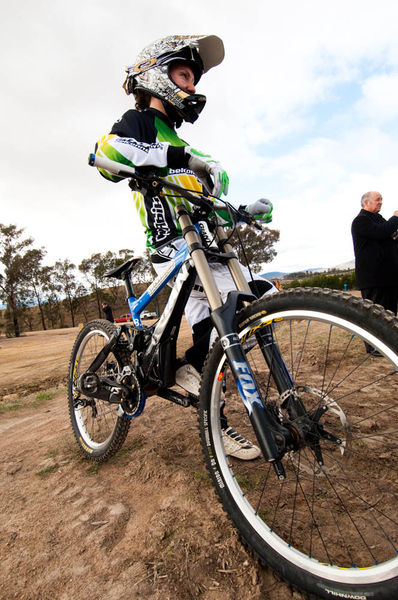
Freeride is all about big drops, massive jumps, and conquering man-made obstacles. Around 180mm of travel is standard, usually paired with a single-crown fork. These bikes are built as tough as downhill rigs yet feature steeper head tube angles and a shorter wheelbase for better low-speed manoeuvrability and stability on tight, technical trails.
Downhill
200mm (8") travel
Downhill bikes are purpose-built gravity machines featuring roughly 200mm of travel front and rear, typically paired with a triple-crown fork. Every aspect of the design — weight distribution, geometry, and suspension tuning — is optimised for blazing-fast descents. Riders shuttle or take chairlifts to the top, as pedalling uphill is not what these bikes are designed for. Extremely slack head tube angles (66 degrees or less) and long wheelbases deliver high-speed stability, and they accommodate tyres up to 3 inches wide for maximum grip.
Dirt Jump / 4X
Dirt jump bikes are typically short-travel hardtails engineered for aggressive handling, razor-sharp agility, explosive acceleration, and serious airtime. They often feature gusseted alloy frames, sloping top tubes, high-specification wheels, single-chainring setups with bash guards, and simplified gearing. These bikes thrive on purpose-built race tracks and dedicated dirt jump lines.
Forks on dirt jump rigs usually sit in the 100–140mm travel range, offering enough cushion for hard landings while keeping the front end responsive and playful.
This guide is just a starting point. Head to your local bike shop and speak with a mountain bike specialist who can help match the right bike to your trails, your terrain, and your personal riding style.
Happy trails from the team at Backyard Provider.