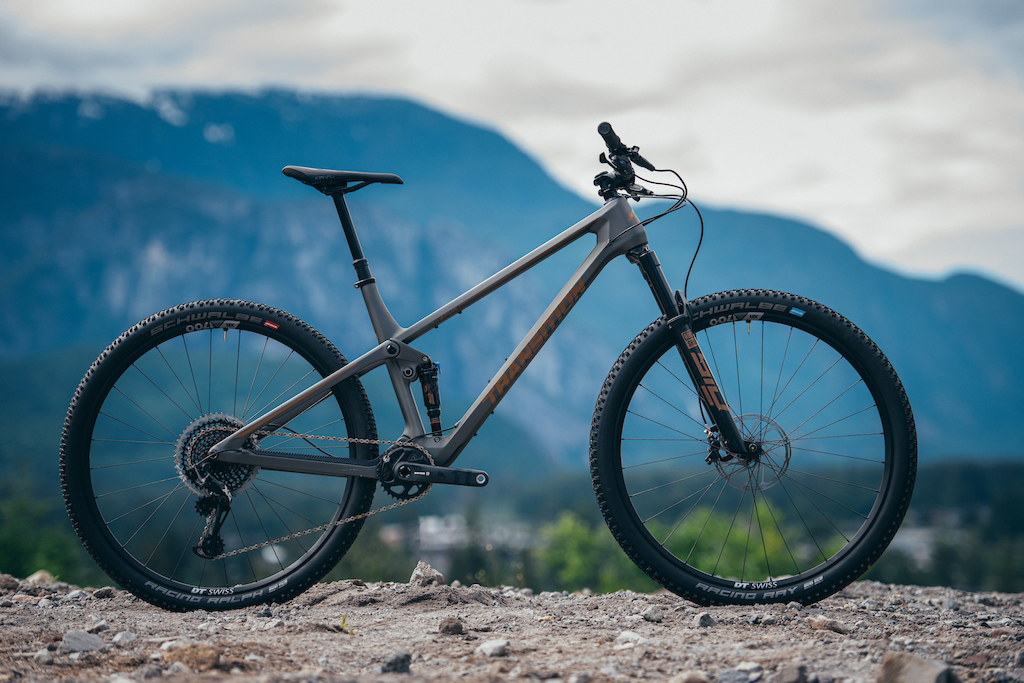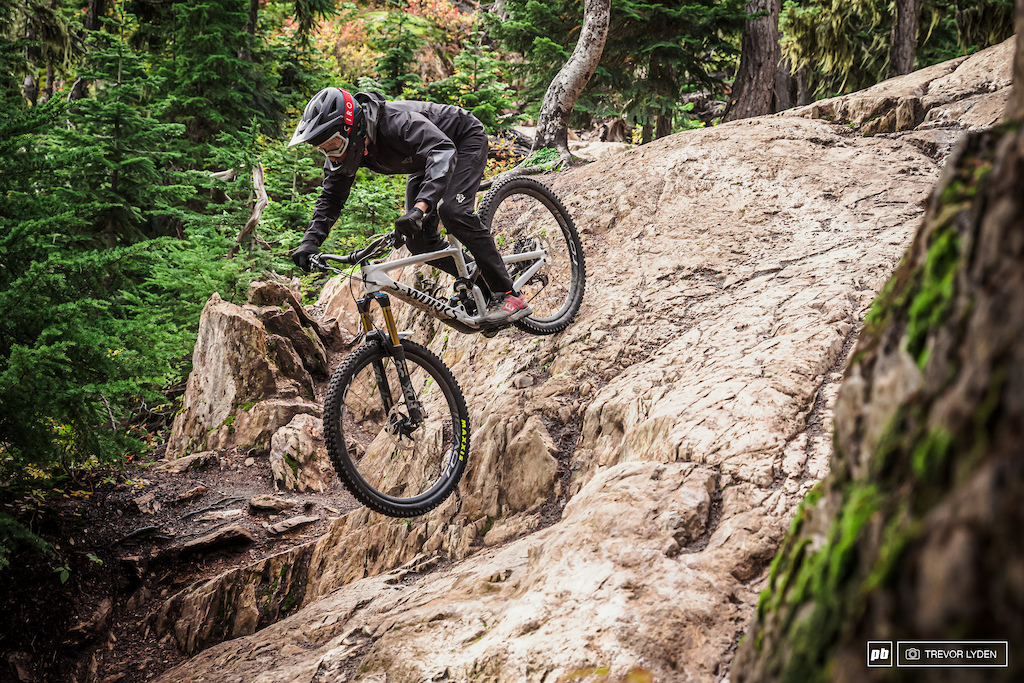
A few years ago, the cycling world saw a noticeable shift toward shorter-travel mountain bikes. Riders everywhere started downsizing, swapping their long-travel enduro rigs for nimbler, lighter trail bikes. The reasoning was sound on the surface — less travel means less weight, faster climbing, and a bike that feels more playful on mellower trails. But there is growing evidence, both anecdotal and performance-based, that going the opposite direction and riding a bit more bike than you think you need can actually be a huge advantage.
It may feel counterintuitive. After all, nobody wants to pedal a heavy, sluggish machine up long fire roads. But advances in frame design, suspension technology, and component weight have made it possible to ride a longer-travel bike without many of the old penalties. The result is a machine that descends with unshakeable confidence and still climbs respectably well. So what exactly is the case for being "over-biked"?
More Travel, More Options
Going back to the heart of this debate, there is no shortage of amazing trail bikes on the market right now. Bikes with 120 to 140mm of travel, aggressive geometry, and featherweight frames are everywhere. They are genuinely incredible machines. But here is the thing — you do not actually need less than 150mm of travel to ride a comfortable, efficient trail bike. Modern long-travel bikes have evolved dramatically. The days of heavy, wallowing enduro bikes that felt like riding a mattress on flat ground are over.
You do not have to own every bike for every occasion. But if you are choosing one bike to rule them all, there is a powerful argument for choosing the one with a bit more capability. A bike with 150 to 160mm of travel is not going to hold you back on a cross-country loop. It will, however, save you on those days when the trail gets rougher than expected, when you decide to take the steep alternate line, or when you find yourself at the top of something genuinely intimidating. More suspension means more options, and more options means more fun.
Bad Vibrations and Body Fatigue
One of the strongest reasons to ride a bigger bike has nothing to do with speed or style. It has everything to do with your body. Every bump, root, and rock that your bike fails to absorb gets transmitted directly into your hands, wrists, elbows, and spine. Over the course of a long ride, those micro-impacts accumulate. Riders on shorter-travel bikes often report more fatigue, more hand numbness, and greater overall body soreness after rough rides compared to those on longer-travel machines.
This is not just about comfort — it is about performance. When your body is being rattled, you tense up. Tense riders make poor decisions, brake too late or too hard, and lose flow on the trail. A bike that absorbs more of the terrain keeps you fresher, looser, and more capable of riding well for longer. Some research even suggests that prolonged exposure to high-frequency vibrations can contribute to repetitive strain issues over time. Taking care of your body on the trail is not soft — it is smart.
"A bike that smooths out the rough stuff does not just make you more comfortable — it keeps you riding better for longer. That is the real competitive advantage."
A Good Deal on Capability
Bike design and component choice largely come down to the trade-off between climbing efficiency and descending confidence. Increasing travel generally means adding a bit to the price tag and the scale reading. But modern engineering has narrowed the gap considerably. A 150mm trail bike today can weigh within striking distance of a 130mm bike from just two or three years ago. Frame materials, suspension designs, and lightweight components have all improved to the point where the penalty for extra travel is minimal.
Longer-travel bikes also tend to hold their value well. Because they are more versatile, they appeal to a broader range of buyers on the secondhand market. And with modern geometry and well-tuned suspension platforms, a long-travel bike can genuinely serve double duty as both a capable trail bike and a rowdy enduro machine. That kind of versatility is hard to argue with, especially when you consider the cost of owning multiple bikes versus one that does it all reasonably well.

150mm+
Ideal Travel Range
29"
Wheel Size Sweet Spot
1 Bike
To Rule Them All
The Short-Travel Experiment
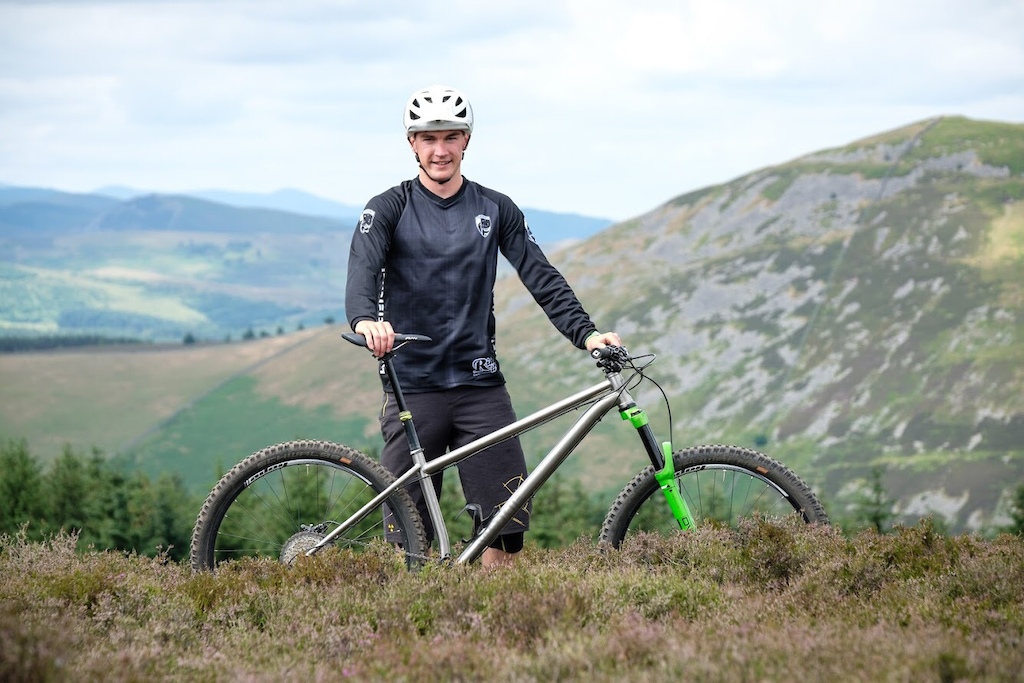
There was a time when a particular short-travel bike captured the imagination of the mountain biking community. It was quirky, interesting, and it made a compelling case for doing more with less. Riders loved the nimble handling and the featherweight feel on climbs. The idea was simple — strip away everything unnecessary and let pure riding skill fill the gap. And for a while, it worked. Skilled riders could make that little bike dance on trails that seemed far beyond its intended purpose.
But over time, most riders who pushed that experiment found its limits. The bike was brilliantly engaging on smooth, flowing trails, but it became punishing on anything truly rough. Hands went numb, confidence wavered on steep descents, and the bike simply ran out of capability when the terrain demanded more. It was not a failure of design — it was a reminder that there are real, physical limits to what a short-travel platform can absorb. Most riders who tried it eventually went back to something with more travel, not because the short bike was bad, but because the longer bike was better in more situations.
The Bottom Line
The ongoing conversation around trail bike travel has made a lot of riders question how much capability they really need. And that is a fair question. But it also works the other direction — there is real value in having a bike that can do more than your average ride demands. Instead of sizing your bike to your easiest trails, consider sizing it to your hardest ones. A short-travel bike will never climb steep, rough terrain the way a long-travel bike can. But a well-designed long-travel bike can absolutely handle mellow singletrack with grace and efficiency.
The appeal of going over-biked is not about overkill. It is about confidence, comfort, and versatility. It is about knowing that whatever trail you point your wheels at, your bike is ready. Modern suspension and frame design have erased most of the old compromises. So if you are debating between two bikes and one has a bit more travel, a bit more capability, and a bit more range — do not be afraid to go bigger. Your body, your confidence, and your riding will thank you.
Remember:
It is much easier to ride a long-travel bike on mellow trails than it is to ride a short-travel bike on gnarly ones. Choose capability, and the rest will follow.