

What Is Mountain Bike Suspension?
Suspension on a mountain bike is what absorbs the bumps, rocks, roots, and rough patches of the trail so your body doesn't have to. It's the difference between a jarring, bone-rattling ride and one that feels smooth, controlled, and confidence-inspiring. Whether you're rolling over gravel or dropping into a rock garden, your suspension system determines how the bike responds to the terrain beneath you.
There are two main categories to understand:
Hardtail Mountain Bikes — Feature a front fork suspension only, paired with a rigid rear frame. They offer efficiency and simplicity with less mechanical complexity.
Full Suspension Mountain Bikes — Include both front and rear suspension systems, designed to deliver maximum comfort and control across rough, demanding terrain.
Suspension travel is measured in millimeters and indicates how much the fork or shock can compress. Here are some common ranges:
| Travel Range | Best For |
|---|---|
| 100–120mm | Cross-country (XC) riding, prioritizing speed and climbing efficiency |
| 130–150mm | Versatile trail riding, balancing climbs and descents |
| 160–180mm+ | Aggressive enduro and downhill, tackling steep and technical terrain |
Grasping these basics sets the foundation for deciding between a hardtail and full suspension mountain bike.
Exploring Hardtail Mountain Bikes
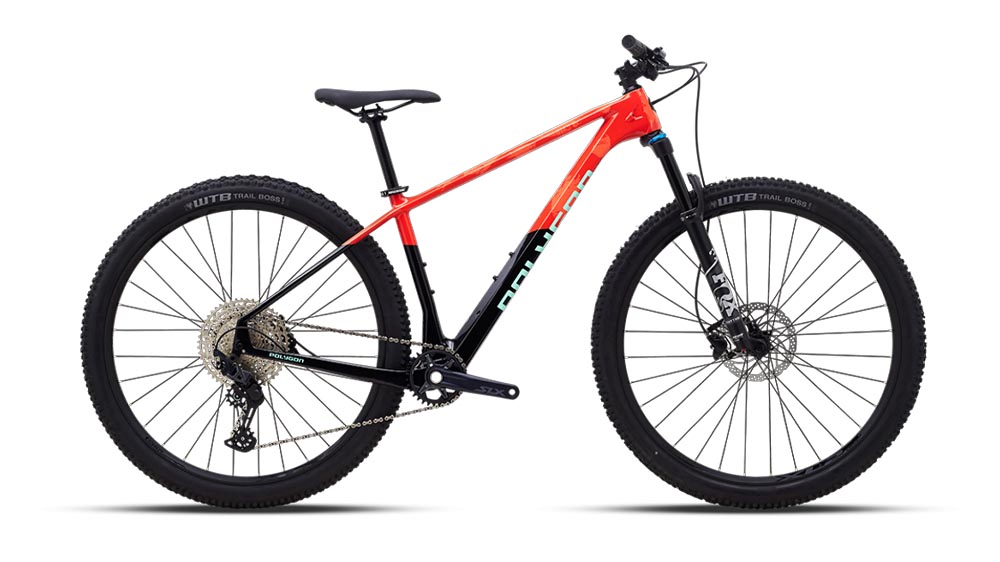
Hardtail mountain bikes remain a favorite among riders of all levels. Their lightweight construction and straightforward engineering make them an excellent entry point and a highly capable trail companion. With suspension limited to the front fork, these bikes put more of your pedaling energy directly into forward motion.
Frame & Design
Typically crafted from aluminum or carbon, hardtail frames are geometrically optimized for climbing performance and responsiveness. The rigid rear triangle translates every pedal stroke into efficient power delivery, giving riders a direct, connected feel with the trail.
Ride Performance
Hardtails teach you to read the trail. Without rear suspension to smooth things out, you learn better line selection and body positioning. They excel on smooth singletrack, gravel paths, and moderate terrain where agility and pedaling efficiency matter most.
Best For
Cross-country enthusiasts, commuters, riders on a budget, and anyone seeking a low-maintenance, budget-friendly mountain bike that still performs admirably on a wide variety of trails.
Hardtails are ideal for riders who value simplicity, skill development, and efficiency—making them a reliable choice for beginners and experienced riders alike.
Diving Into Full Suspension Mountain Bikes
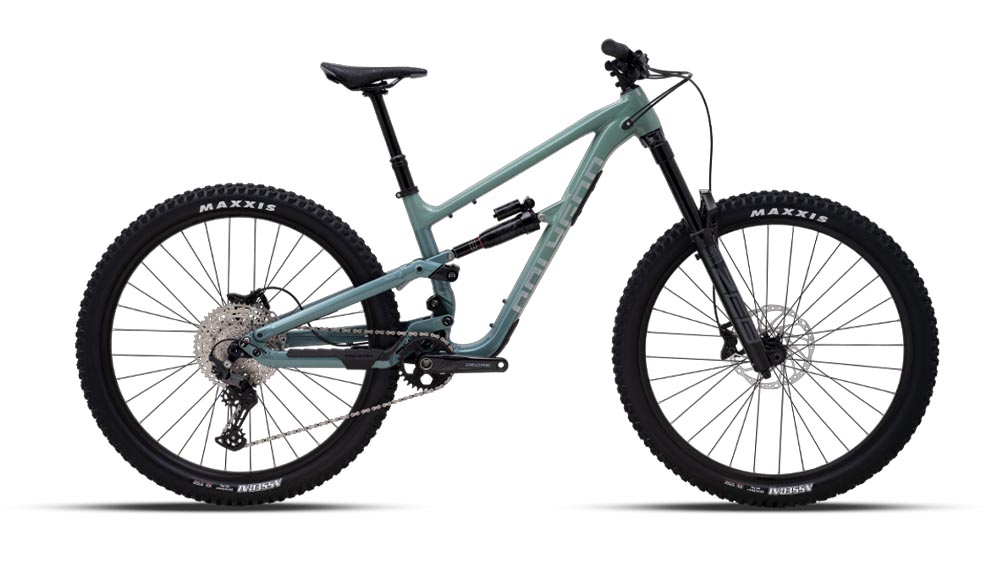
Full suspension mountain bikes—sometimes referred to as "full sus"—feature shock absorbers at both the front and rear. They're engineered for riders who want maximum comfort and control when the trail gets rough, steep, or unpredictable.
Traction & Grip
The rear shock keeps the back wheel glued to the ground, maintaining contact even over rocks, roots, and rough patches—giving you noticeably better traction.
Comfort & Control
Dual suspension dramatically reduces rider fatigue by absorbing the constant impacts of aggressive terrain, so you can ride longer and with more confidence.
Frame & Design
Modern full suspension frames incorporate advanced linkage systems that balance pedaling efficiency with bump absorption, creating a responsive yet plush ride feel.
For riders tackling rugged landscapes—think rocky descents, technical switchbacks, and root-laden trails—a full suspension MTB delivers the unmatched confidence and performance you need.
Hardtail vs Full Suspension MTB: Key Differences
Putting these two side by side reveals distinct strengths and trade-offs. Here's how they compare across the features that matter most:
This comparison highlights how each bike caters to different riding needs, from efficiency-focused trails to advanced technical terrain.
Choosing the Right MTB for You
Selecting between a hardtail and full suspension MTB depends on several personal factors. Consider these key areas before making your decision:
Hardtail vs Full Suspension MTB on Technical Trails
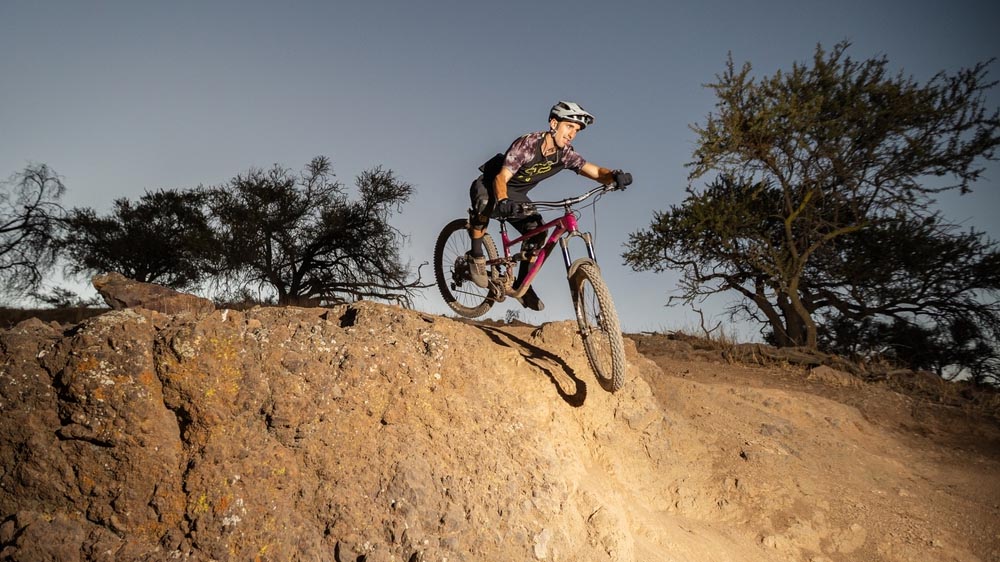
For sessions with rock gardens, steep drops, or loose surfaces, a full suspension mountain bike frequently takes the lead. The rear shock works in concert with the front fork to keep both wheels tracking the ground, providing stability and traction when things get rough. This reduces rider fatigue significantly, allowing you to tackle longer and more demanding rides with greater control.
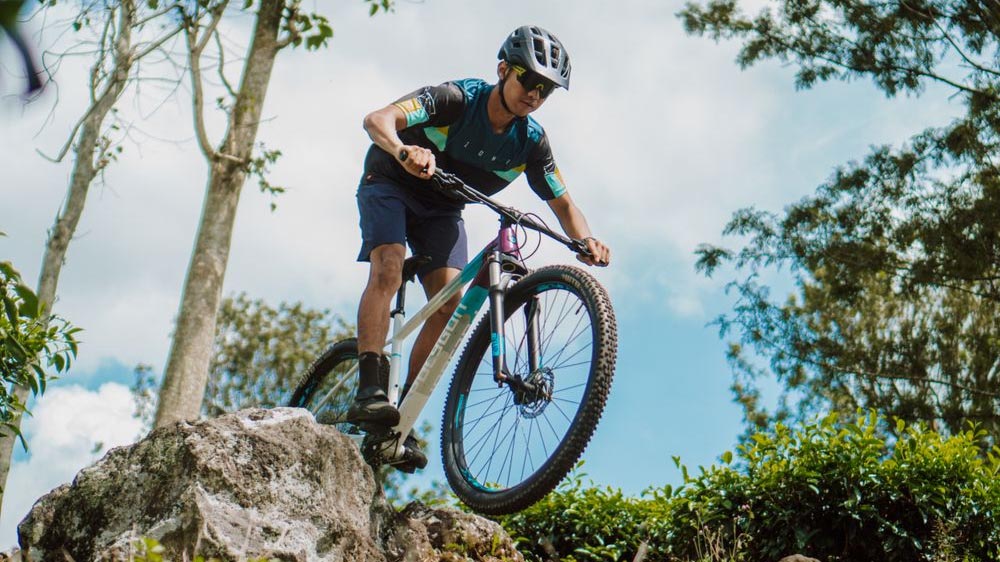
That said, skilled riders often choose a hardtail specifically for technical trails as a way to challenge themselves and refine their technique. A rigid rear end forces you to be more precise—picking better lines, timing your weight shifts, and working with the terrain rather than relying on suspension to forgive mistakes.
Ultimately, if you want maximum confidence and reduced body strain on aggressive trails, a full suspension MTB is the clear choice. But if skill-building and raw engagement with the trail are your priorities, a hardtail can be equally rewarding.
Commuting and Daily Riding: Hardtail or Full Suspension?
For daily commuting on paved roads, bike paths, light gravel, or urban streets, a hardtail mountain bike is typically the smarter pick. Its lighter weight ensures efficient pedaling, quick acceleration, and lighter weight—perfect for urban environments or cruising along bike paths.
While full suspension mountain bikes handle comfortably on commutes as well, their extra weight and energy loss through rear suspension compression make them less efficient on flat, smooth surfaces. Unless your daily route includes notably rough off-road sections, a hardtail is the practical pick for daily rides.
Hardtail Mountain Bike Recommendation for Daily Riding
For everyday use, look for a hardtail with a comfortable saddle, reliable braking, efficient gearing, and a geometry that keeps you upright and relaxed over longer rides. Tires in the 2.0–2.25" range offer a nice balance of grip and rolling efficiency for mixed surfaces.
Pros and Cons of Hardtail and Full Suspension MTBs
Top Mountain Bike Brands to Explore
The mountain biking world is filled with reputable manufacturers producing both hardtail and full suspension models. Do your research and find a brand that aligns with your riding style, budget, and terrain preferences. Look for brands with a track record of quality engineering, solid warranties, and strong community reviews to help guide your investment.
Whether you opt for a well-known industry leader or a rising brand gaining traction among riders, the best mountain bike is the one that matches your needs and keeps you excited to hit the trails.
Conclusion: Hardtail vs Full Suspension MTB — Your Ride, Your Choice
Whether a hardtail or full suspension MTB belongs in your garage comes down to your priorities. A hardtail mountain bike delivers efficiency, affordability, and a pure connection to the trail—ideal for cross-country, commuting, and riders developing their skills.
A full suspension mountain bike provides unmatched comfort, control, and confidence when the terrain turns demanding. It absorbs the punishment of technical trails so you can focus on the ride, not the rocks beneath you.
Evaluate your budget, your terrain, your experience level, and how you want to feel on the trail. The right mountain bike isn't just about specs—it's about the ride that makes you want to keep coming back.