
If you are serious about pushing your mountain biking to new heights, the 29-inch mountain bike — often called a "29er" — deserves serious consideration. These larger-wheeled machines have transformed the trail riding experience, but understanding whether they match your body type, terrain, and riding style is essential before making your move.
What Is a 29-Inch Mountain Bike?
A 29-inch mountain bike is defined by its wheel diameter — 29 inches, to be precise. You will sometimes hear riders refer to them as "29ers," a shorthand that has become standard across the trail community. While the frame geometry and components vary widely by model and price point, the defining characteristic is always that larger wheel rolling beneath you.
Riders in the 5'6" and above height range typically find that 29ers offer the most natural fit and handling. Shorter riders sometimes discover that the larger wheels create fit challenges, though modern frame geometry has made 29ers increasingly accessible across a wider range of body types.

Key Features of a 29-Inch Mountain Bike
Tires Built for the Trail
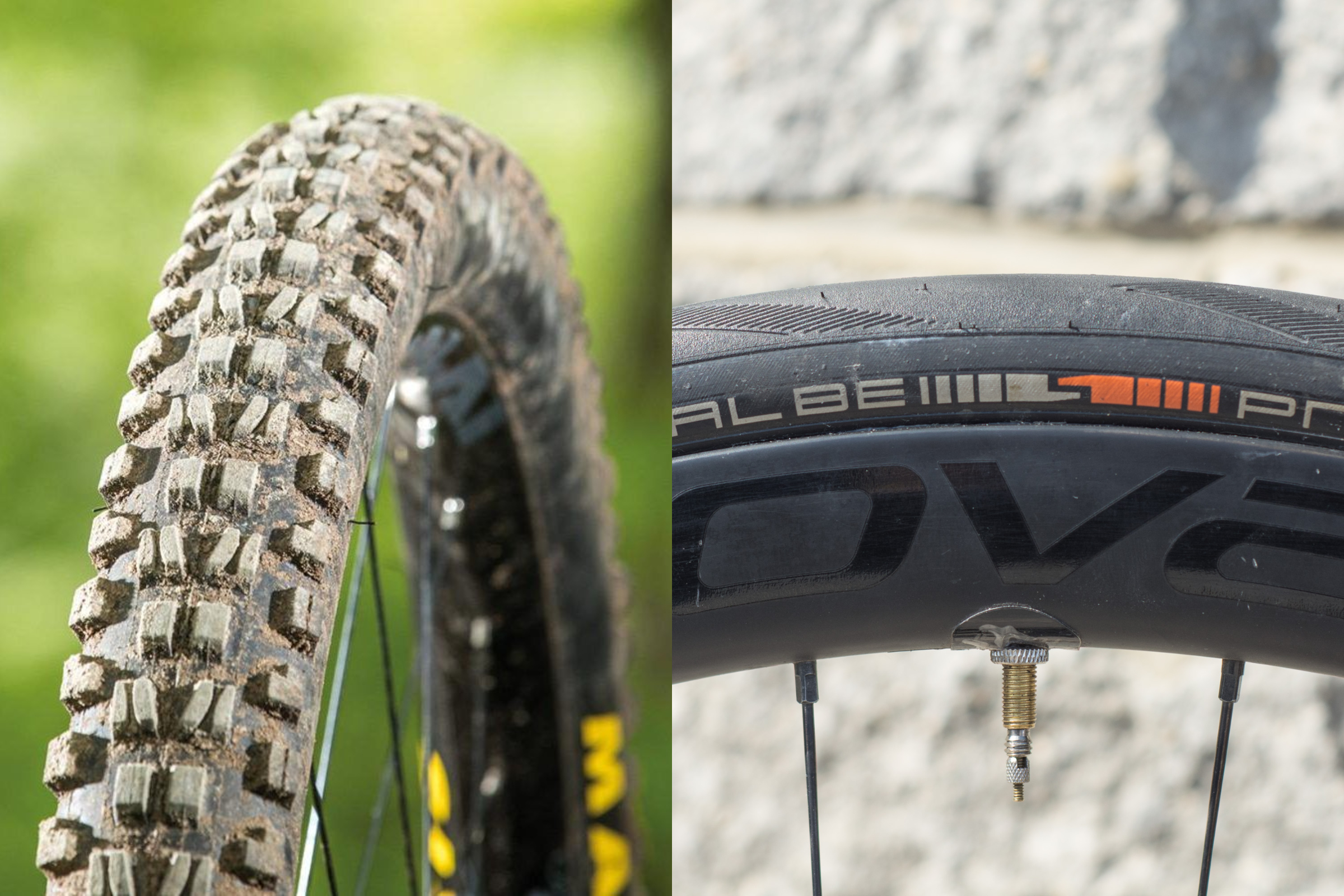
The tires on a 29er are engineered to match their larger rims with aggressive tread patterns that grip loose soil, gravel, and rooted terrain. Many contemporary models ship with tubeless-ready tires that offer lower rolling resistance and puncture resilience — a welcome advantage on demanding backcountry rides.
Larger, More Confident Wheels
The defining characteristic of the 29er is, of course, the wheel. A larger diameter creates a shallower contact angle with obstacles, meaning roots, rocks, and trail debris are rolled over rather than slammed into. The result is a noticeably smoother, more controlled ride, particularly at higher speeds.
Stiff, Performance-Oriented Rims
Rim quality on modern 29ers has advanced considerably. Wider internal dimensions support larger tire volumes for better traction and comfort, while robust construction handles the lateral stresses of aggressive cornering. Many riders upgrading from smaller wheel sizes are immediately struck by how planted the front end feels.
Full Suspension Options
Full-suspension 29-inch mountain bikes have become the benchmark for serious trail and enduro riding. With both front fork and rear shock absorbing trail chatter and larger hits, the rider can maintain speed and control through rough terrain that would otherwise demand significant slowing down.
Tubeless Road-Ready Tires
Many 29ers now come equipped with or are compatible with tubeless setups straight out of the box. Tubeless tires allow riders to run lower pressures for enhanced grip without the risk of pinch flats — making them a practical choice for both trail adventures and longer mixed-terrain outings.
Roll-Over Ability
Larger wheels create a shallower angle of attack on obstacles, allowing the bike to glide over roots and rocks with greater ease.
Increased Traction
A longer contact patch between tire and trail means more grip under acceleration and braking, especially on loose or wet surfaces.
Better Momentum
Once rolling, larger wheels maintain speed more efficiently, making long descents and flatter terrain more rewarding.
The Pros & Cons of Riding a 29er
✓ Advantages
- Larger wheels smooth out rough and rocky terrain, reducing fatigue over long rides
- Improved climbing efficiency on mixed trail surfaces thanks to better traction
- Greater stability at speed, particularly on fast, open descents
- Excellent rolling momentum once up to speed on flatter sections
- Strong frame options across hardtail and full-suspension configurations
— Considerations
- Heavier overall weight compared to smaller-wheeled alternatives at equivalent price points
- Tighter, technical singletrack may feel less nimble due to the larger wheel arc
- Higher standover and reach can make fit challenging for shorter riders
- Typically commands a higher price for comparable component quality
Are 29-Inch Mountain Bikes Better?
The honest answer is: it depends on you. A 29er excels in open terrain, flowing trails, and long-distance cross-country rides where rolling efficiency and obstacle clearance matter most. Riders who prioritize raw speed on technical trails or tight switchbacks may find the larger wheel less intuitive than a 27.5-inch alternative.

The Bottom Line on Wheel Size
If you are a taller rider seeking a confidence-inspiring, fast-rolling bike for trail riding and moderate enduro terrain, the 29er is arguably the most versatile mountain bike platform available today. The key is matching the wheel size to your body, your terrain, and your ambitions on the trail.
Rider Size Guide for 29-Inch Bikes
Finding the right frame size is as important as wheel size. Use this guide as a starting point — always cross-reference with manufacturer sizing charts for your specific model.
| Rider Height | Recommended Frame Size |
|---|---|
| 5'4" – 5'7" | Small |
| 5'7" – 5'11" | Medium |
| 5'11" – 6'2" | Large |
| 6'2" and above | X-Large |
GT Bikes Zaskar FS Comp 29 — Indigo 2024
A race-bred full-suspension 29er with a performance-tuned suspension platform, sharp geometry, and trail-ready componentry. Built for riders who demand responsive handling and confident descents without sacrificing climbing efficiency.
Zaskar FS Comp 29Frequently Asked Questions
Ready to Ride Bigger?
A 29-inch mountain bike offers a compelling combination of speed, comfort, and confidence that suits the vast majority of trail riders. Whether you are a seasoned enthusiast or stepping onto serious singletrack for the first time, the 29er platform continues to set the benchmark for well-rounded mountain bike performance.
Shop the Zaskar FS Comp 29