
From backyard ramps to Olympic podiums — discover the history, anatomy, riding styles, and culture behind one of the most versatile bikes ever built.
BMX — short for Bicycle Motocross — was born in Southern California in the early 1970s, inspired by the daring energy of motocross racing. What began as kids mimicking their motorbike heroes on dirt tracks has grown into a globally recognized sport with Olympic status, a rich competitive scene, and a culture that reaches far beyond the track.

Manufacturers responded to the growing enthusiasm by building bikes purpose-designed for BMX riding. These bikes became known for their durability, agility, and ability to handle both the demands of competitive racing and the creativity of freestyle expression. BMX gained official Olympic recognition in 2008, marking a defining milestone in its journey from neighborhood pastime to mainstream sport.
Today, BMX covers a wide spectrum of disciplines — from high-speed race circuits to urban skate plazas — and continues to evolve with each generation of riders who push the boundaries of what's possible on two wheels.
- The Anatomy of a BMX Bike
- Types of BMX Bikes
- Purpose and Use in Sports
- Recreational Use
- Urban and Street Riding
- Tricks and Stunts
- Safety and Considerations
- Round-Up
The Anatomy of a BMX Bike
A BMX bike is a carefully engineered combination of components, each chosen for a specific purpose. Understanding what makes up a BMX bike helps explain why it performs so differently from a regular bicycle — and why riders are so particular about their setups.
🏗️ Frame
The backbone of the bike. Provides structural integrity and support, typically made from durable steel or lightweight alloys for strength without excess weight.
🔧 Forks
Attached to the front wheel, forks contribute to steering and impact absorption — critical for landing tricks and riding rough terrain.
⚙️ Wheels
Smaller than standard bikes, BMX wheels are enhanced for durability and performance on varied terrain including dirt, concrete, and ramps.
🦶 Pedals & Cranks
The drivetrain transfers power to the wheels. A single chainring setup keeps weight low and mechanics simple for maximum reliability.
🛑 Brakes
Linear-pull or U-brakes provide reliable stopping power. Some freestyle riders run minimal or no brakes to allow full rotor spin for tricks.
🪑 Saddle
Slim and low-profile, the BMX saddle prioritizes freedom of movement over comfort — riders rarely sit while performing tricks or racing.
Every component on a BMX bike works together with a specific purpose. This focused design philosophy is what gives BMX bikes their distinctive agility, strength, and personality compared to other bicycle categories.
Types of BMX Bikes
BMX bikes come in several distinct types, each engineered for a specific riding discipline. Choosing the right type makes an enormous difference in performance, safety, and enjoyment.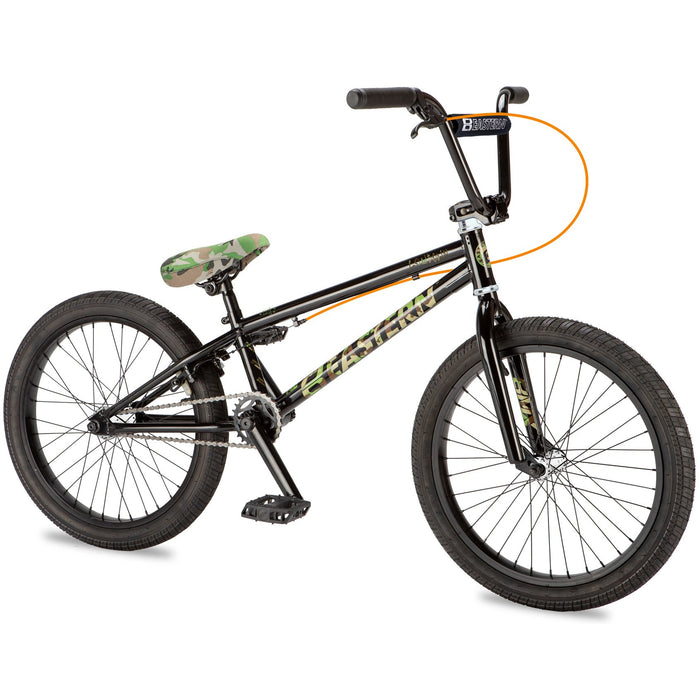
-
Freestyle BMX Designed for tricks and technical riding. Features a strong, impact-resistant frame, responsive handling, and pegs for grinds. Built to absorb repeated landings across ramps, rails, and street features.
-
Racing BMX Optimized for speed on purpose-built tracks. Lightweight frames, aerodynamic geometry, and high-grip tires allow riders to navigate berms and jumps at maximum pace.
-
Street BMX Excels in urban environments. Built tough to handle the unpredictability of city riding — stairs, ledges, gaps, and rails all become part of the terrain.
-
Dirt Jump BMX Crafted for launching off dirt jumps. A compact, responsive frame and strong components handle the stress of big air, rotations, and heavy landings on natural terrain.
Purpose and Use in Sports
In the world of competitive BMX, the bike becomes an extension of the athlete. Racing BMX bikes are built with lightweight frames and nimble handling to give riders the speed and agility needed to navigate professional-level tracks with precision and confidence.
Freestyle BMX, on the other hand, is rooted in creativity and technical mastery. These bikes are built to withstand the intense physical demands of tricks, jumps, grinds, and aerial maneuvers. The double trapeze frame, gyroscope handlebars, and reinforced components are all purpose-built to handle this punishment while allowing riders to express their unique style.
BMX at the Olympic Level
BMX racing has been part of the Olympic Games since 2008, and BMX freestyle joined the program at the Tokyo 2020 Games. This recognition elevated the sport's global profile and inspired a new generation of riders to take BMX seriously as a competitive discipline. Olympic BMX showcases the extraordinary athleticism, speed, and creativity that defines the sport at its highest level.
Beyond the Olympics, BMX is a fixture at major action sports events worldwide. Competitions reward not just technical execution, but the boldness and originality riders bring to their runs — making it one of the most expressive and visually thrilling sports to watch.
Recreational Use
You don't need to compete to love BMX. For millions of riders around the world, BMX is simply the most fun way to get around, explore, and stay active. The bike's compact size and responsive handling make it exceptionally versatile — equally at home on a quiet residential street, a local skate park, or a backyard dirt setup.
Recreational BMX riders enjoy the freedom that comes with a bike that requires almost no maintenance compared to multi-speed alternatives, and the simplicity of a platform that rewards skill development at every level. Whether you're a beginner learning your first bunny hop or a seasoned rider dialing in a new line, BMX keeps every session engaging.
🌳 Backyard Riding
Build a simple ramp or dirt jump in your own backyard and you have an instant BMX playground for all ages.
🏫 Skate Park Sessions
Local skate parks are the social hub of recreational BMX — a welcoming space to ride, learn, and connect with other riders.
🚴 Casual Cruising
BMX bikes are surprisingly capable cruisers for short urban trips — nimble, durable, and low-maintenance.
👨👩👧 Family Activity
BMX is one of the few cycling disciplines genuinely accessible and exciting for both kids and adults at the same time.
Urban and Street Riding
Cities were not designed with BMX in mind — but riders have always found a way to transform the urban landscape into a riding arena. Staircases become launch pads. Handrails become grind spots. Plazas, curbs, walls, and gaps all take on new meaning when seen through the eyes of a street BMX rider.
The compact, responsive design of BMX bikes makes them uniquely suited to city environments. Their tight turning radius, low weight, and robust construction allow riders to weave through crowded spaces and react to obstacles instantly. Street riding is as much about creativity and vision as it is about bike control — finding lines that others walk past without a second glance.
Tricks and Stunts
Tricks are the soul of BMX. From the moment the sport emerged, riders have been competing to outdo each other with increasingly technical and daring maneuvers. BMX has given the world some of the most adrenaline-charged moments in action sports history.
Legendary riders have pushed the boundaries of human possibility on a bicycle. Names like Dave Mirra and Mat Hoffman defined an era of BMX with their groundbreaking tricks and fearless approach to progression. Today, riders like Garrett Reynolds and Hannah Roberts continue to redefine what a BMX bike can do — blending raw power with refined technical skill in ways that consistently leave audiences breathless.
Dave Mirra
X Games legend known for pushing park and street BMX to new heights
Mat Hoffman
The "Condor" — vert BMX pioneer and inventor of iconic aerial tricks
Garrett Reynolds
Modern street BMX master redefining technical riding on urban terrain
Hannah Roberts
Olympic silver medalist redefining women's freestyle BMX globally
The appeal of BMX tricks goes well beyond the spectacle. It's about riders achieving what seems physically impossible, pushing personal limits, and inspiring those who watch to get on a bike and try for themselves.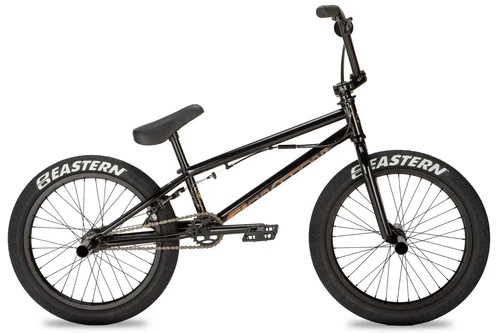
Safety and Considerations
BMX riding is an exhilarating sport, but safety should always be the first priority — regardless of your skill level or riding style. The right protective gear and a sensible approach to progression make the experience both safer and more enjoyable.
⛑️ Helmet
A properly fitted, certified BMX helmet is non-negotiable. Full-face helmets are recommended for dirt jumping and racing; half-shell for park and street.
🦺 Pads
Knee and elbow pads significantly reduce injury risk during falls. Essential for beginners and strongly recommended for all skill levels.
👟 Footwear
Flat-soled shoes with good grip keep your feet firmly on the pedals — crucial for maintaining control during technical maneuvers.
🔍 Bike Checks
Inspect your bike before every session. Check bolts, brakes, tire pressure, and the connection between fork and frame for any signs of wear.
Ride within your current ability level and progress gradually. Be mindful of your surroundings — especially in shared urban spaces where pedestrians and other cyclists are present. The BMX community prides itself on mutual respect for riders of all levels, and that ethos extends to every environment you ride in.
Round-Up
BMX bikes are more than sporting equipment — they are tools for self-expression, physical development, and genuine adventure. Whether you're drawn to the competitive intensity of racing, the creative freedom of freestyle, the urban exploration of street riding, or simply the joy of riding with friends on a weekend afternoon, BMX has something extraordinary to offer.
The sport rewards commitment. Every session builds skill, confidence, and an understanding of your bike that deepens over time. And with options ranging from entry-level bikes perfect for beginners to high-performance setups for serious riders, getting started has never been more accessible.
Discover a diverse selection of BMX bikes and accessories below. Explore our range — including the Eastern Shovelhead 20" — and find the bike that matches your riding ambitions.
Ready to Ride?
Whether you're picking up BMX for the first time or upgrading your current setup, the right bike makes all the difference. Explore our full BMX range and find the perfect ride for your style, terrain, and ambition.