
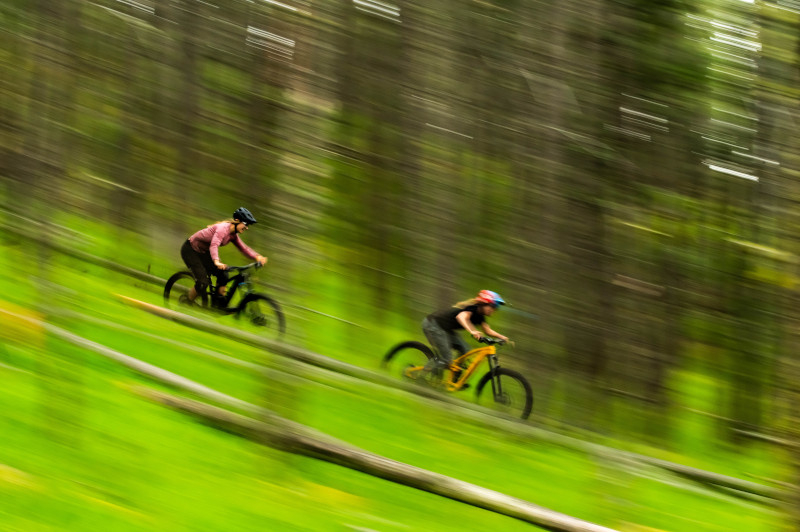
Mountain biking is a wonderfully varied discipline with something for everyone. In this Mountain Bike Buying Guide, we are not going to dive into every ultra-niche category out there — things like rigid single-speeds or slopestyle rigs. Instead, we will focus on the styles of mountain bikes that the majority of riders actually shop for, ride, and love.
Men's and Women's Mountain Bikes
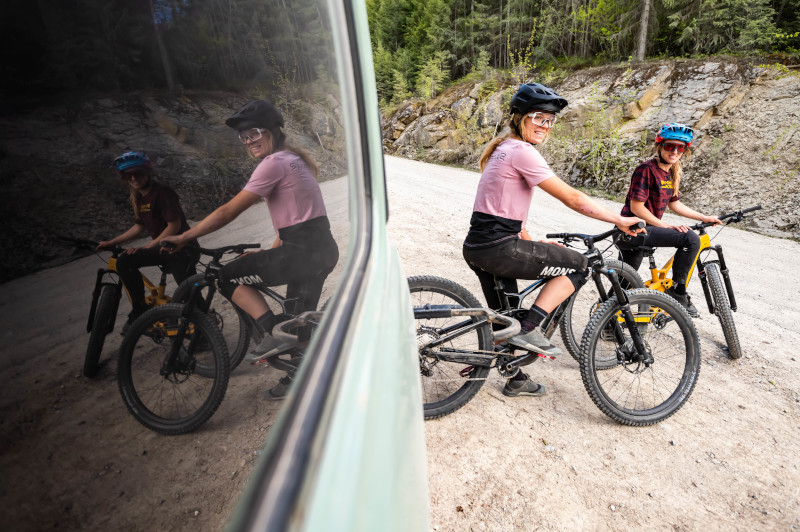
Almost every mountain bike on the market today is sold as a unisex model. Over the past several years, the major brands have moved away from offering separate men's and women's versions. Instead, they now produce a wider range of frame sizes to accommodate every body type. For example, many popular models are available in sizes from XXS all the way through XXL — meaning they can comfortably fit riders from about 4'5" to 6'5" and beyond.
Wheel and Tyre Sizes
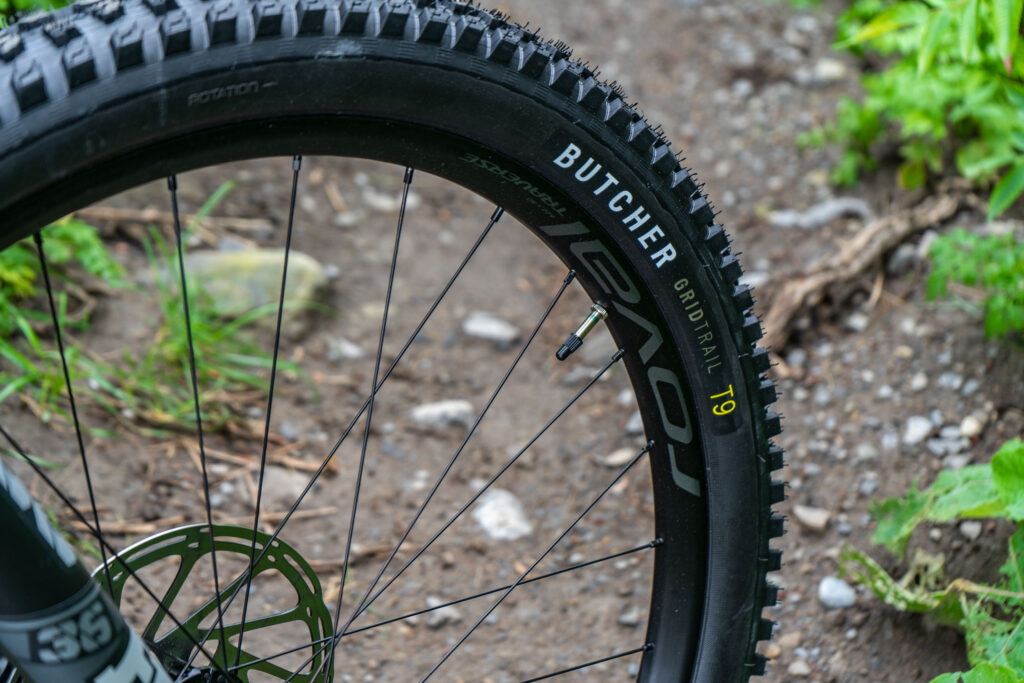
For years, 26-inch wheels were the go-to standard for mountain bikes, but those days are long gone — you will mostly only find them on kids' bikes now. The modern default is 29 inches, although some bikes still ship with 27.5-inch wheels. 29ers are popular for racing since they roll over obstacles efficiently and hold speed well. On the other hand, 27.5-inch wheels are nimbler through tight, technical terrain and pick up speed faster, which is why you will still see them on many dedicated trail bikes.
You will also notice that different frame sizes sometimes come with different wheel sizes. Smaller and extra-small frames often roll on 27.5-inch wheels, while medium through extra-large frames typically get 29-inch wheels. This helps keep overall proportions balanced and the bike manageable for shorter riders.
Tyre widths have also expanded alongside wheel diameters. The old 2.1-inch tyre is considered ultra-narrow by today's standards. Most modern mountain bikes come fitted with 2.4- or 2.6-inch tyres, which provide more grip, better stability, and greater confidence on rough ground.
Where Are You Going to Ride — and Can You Jump?
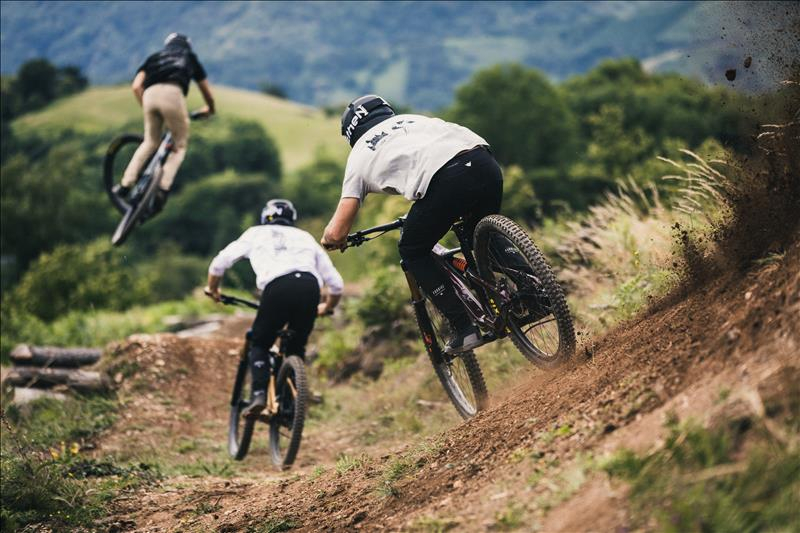
Modern mountain bikes generally fall into three main categories: XC, Trail, and Enduro. Understanding which one suits your riding style is the single most important decision you will make.
XC (Cross Country)
XC bikes are built for speed and efficiency. They typically feature 29-inch wheels and around 100mm of suspension travel. If most of your riding takes place on bridleways, fire roads, and natural singletrack, an XC bike will be the fastest and most efficient choice you can make.
Trail
Trail bikes are designed for both climbing and descending. They usually come with 130mm to 140mm of suspension travel and work with either 27.5-inch or 29-inch wheels — though 29 is fast becoming the standard. Trail bikes are excellent all-rounders. They may not be as quick as XC bikes on smooth ground, but they handle rougher terrain, moderate jumps, and dedicated trail centres far more confidently. If you plan on exploring varied terrain and want a single bike that does it all, a trail bike is an outstanding option.
Enduro
Enduro bikes are built for aggressive trail riding, big descents, and bike park days. With approximately 160mm of suspension travel, they can absorb serious impacts and handle challenging downhill sections while still being pedal-efficient enough to get you back uphill. You will find enduro bikes in both 27.5-inch and 29-inch setups, as well as mullet configurations with a 29 at the front and a 27.5 at the rear.
Beyond these three main categories, there is also a growing sub-category known as down country bikes. These sit between XC and Trail, typically offering around 120mm of suspension travel on 29-inch wheels. They are engineered to be as fast as an XC race bike while still handling more rugged terrain. Down country bikes are ideal if you plan to cover long distances on rocky, natural trails.
Hardtail or Full Suspension
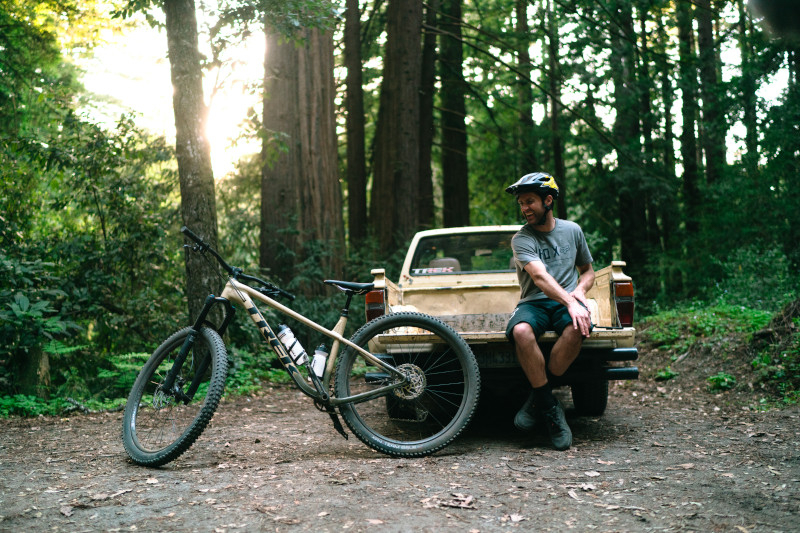
Most mountain bikes under the $2,000 mark are hardtails — meaning they have a suspension fork at the front but a rigid frame at the rear. Hardtails are more affordable, lighter, and extremely efficient on roads and climbs because none of your pedalling energy is lost to rear suspension movement.
Full suspension bikes, on the other hand, add a shock absorber at the rear. This helps the rear wheel maintain contact with the ground over roots, rocks, and rough sections, meaning better traction, more grip on technical climbs, and a faster, more comfortable experience on descents. If you are riding local trails and bridleways, a hardtail will serve you brilliantly. If you want to tackle trail centres, bike parks, jumps, or simply want maximum fun and versatility, full suspension is the way to go.
1x Drivetrains
The trend in mountain biking has moved firmly toward simplicity. The current standard is a single chainring at the front paired with a wide-range cassette — usually 12 cogs — at the rear. This 1x setup provides all the range you need to conquer steep climbs and maintain speed on flats. Some budget-friendly bikes still feature 2 or 3 chainrings up front, which can be beneficial if you plan to use the bike for road commuting since the extra gears give you higher top-end speed.
Our Top XC Mountain Bike Picks
Speed-focused machines built for fast trails and efficient climbing.
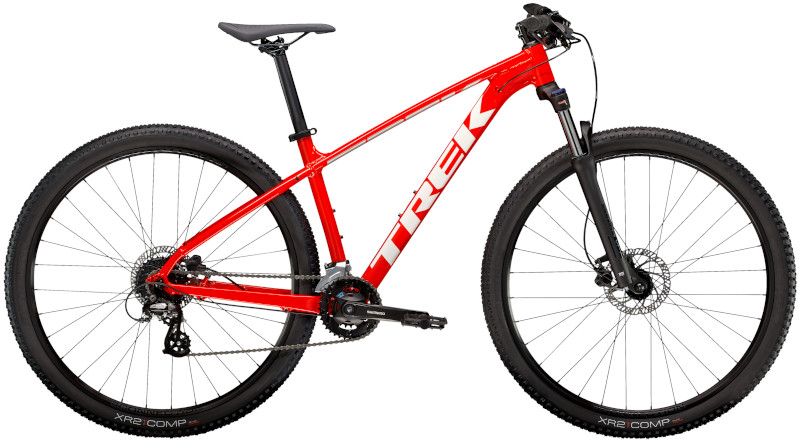
Entry-Level XC Hardtail
A solid all-round mountain bike that doubles as a capable commuter. It features 29-inch wheels, a reliable suspension fork, and a versatile build that suits everything from fire roads to light singletrack. Often lauded as one of the best-selling mountain bikes on the planet, this style of bike is the ideal starting point for anyone entering the sport.

Dedicated XC Race Bike
When you step up to a dedicated XC machine, you get a lighter, more focused ride designed for racing and long-distance efficiency. Expect 100mm travel forks, a 1x drivetrain, a dropper seatpost, and tubeless-ready wheels — everything a modern XC bike should have. These bikes are fantastic for covering big distances quickly while keeping weight to a minimum.
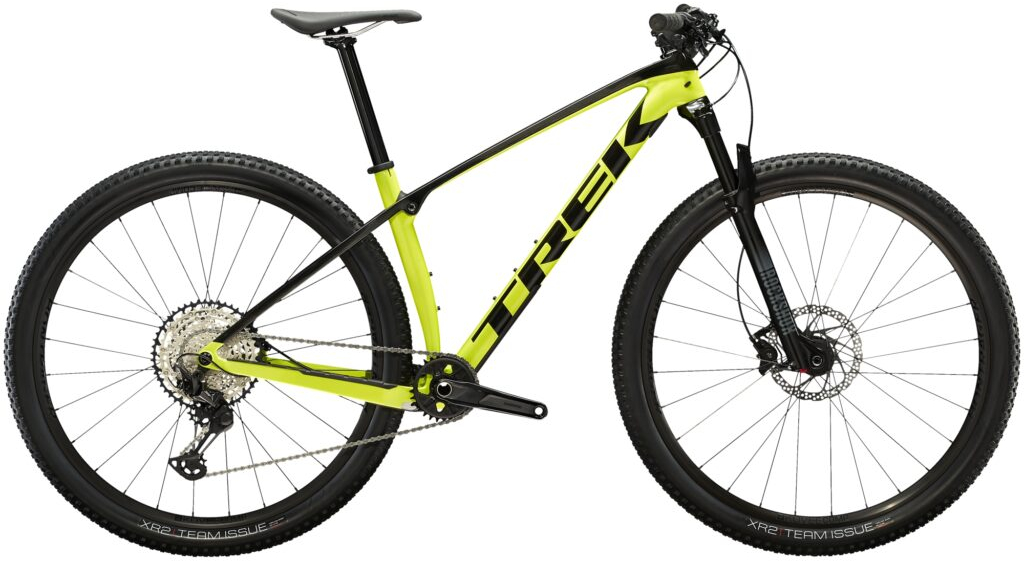
Lightweight Alloy XC Racer
For riders who want near-carbon performance without the carbon price tag, a lightweight aluminium XC race bike is a compelling option. These models use 29-inch wheels, 100mm travel forks, and a 1x drivetrain. They are incredibly quick on flat ground, float uphill with ease, and excel on tight, twisty woodland singletrack.
Carbon XC Race Machine
At the top end of XC, carbon fibre frames deliver the ultimate in lightweight performance. Features like an IsoSpeed decoupler allow a small amount of controlled flex at the rear, soaking up trail chatter and helping you stay seated and pedalling efficiently over rough ground for longer. These are race machines in every sense.
Our Top Down Country Bike Picks
The sweet spot between XC speed and trail bike capability.
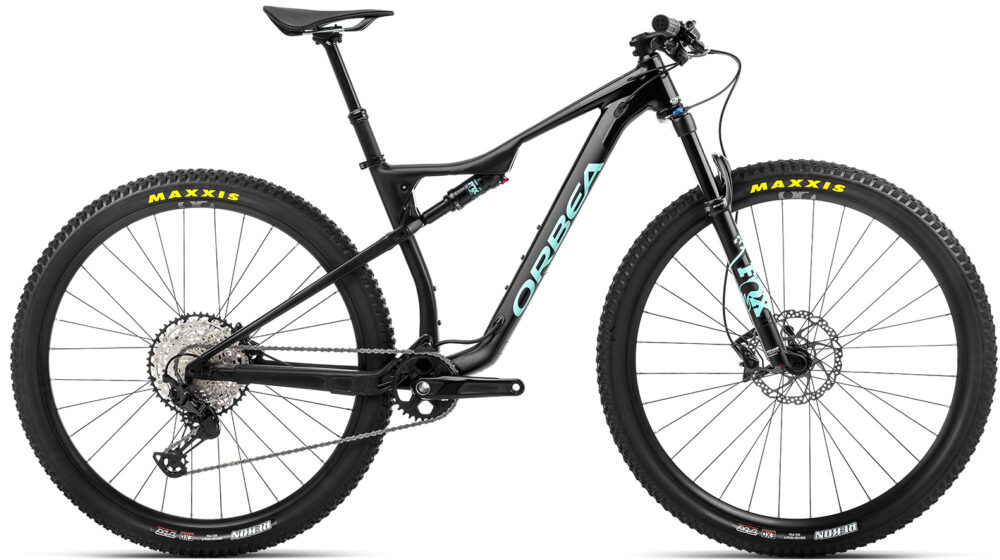
Trail-Oriented Hardtail
Some newer-generation hardtails are built around a trail-oriented frame geometry featuring slacker head angles and a longer wheelbase. This setup gives the bike a more confident, planted feel off-road compared to traditional XC designs. They still ship with 100mm travel forks and 29-inch wheels, but the revised geometry pushes them squarely into down country territory — perfect for riders who want speed and capable handling on rougher trails.
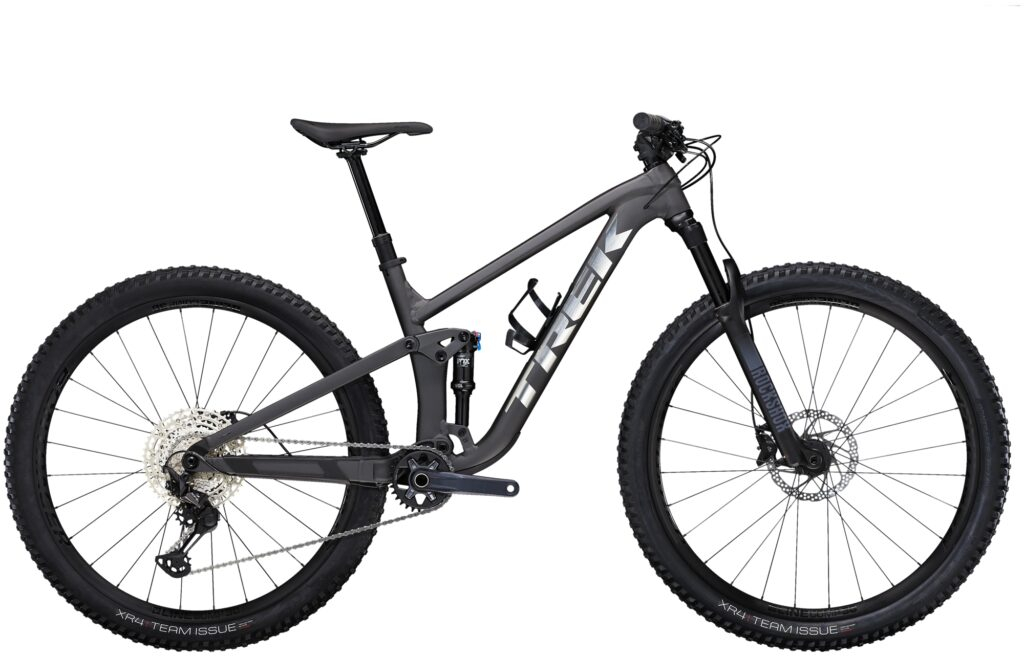
Full Suspension Down Country Racer
A full-suspension down country bike typically offers around 100mm of rear travel with a trail-version option bumping up to 120mm. These bikes are lightning-fast yet capable of handling rougher tracks and natural trails with confidence. The extra rear travel makes them ideal for long days in the saddle over rocky, demanding terrain.
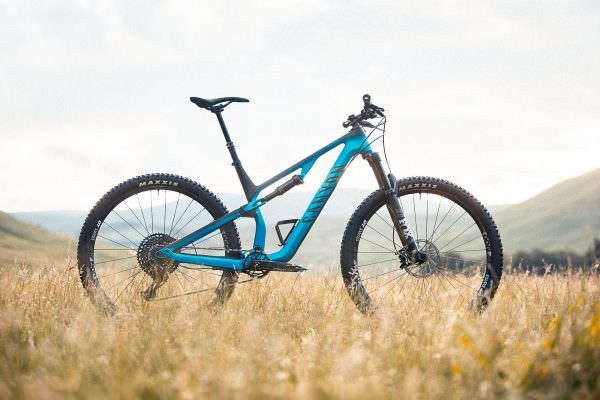
Purpose-Built Short-Travel Trail Bike
Purpose-built short-travel trail bikes come with 120mm of travel front and rear, 29-inch wheels, and adjustable geometry links that let you fine-tune the ride to your preferences. They deliver XC-level speed on climbs while confidently handling steep, technical, and rocky descents. It is the best of both worlds for riders who refuse to compromise.
Our Top Trail Bike Picks
Versatile all-rounders that climb well and descend with confidence.
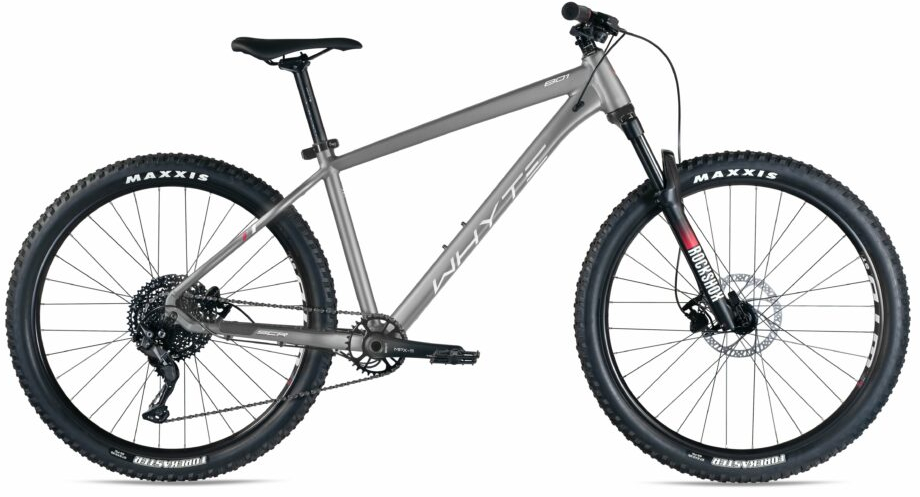
Trail Hardtail Pioneer
A well-designed trail hardtail sets the template for what a great hardtail should be. With 120mm travel forks, a short stem, wide handlebars, and 27.5-inch wheels wrapped in wide 2.6-inch tyres, it delivers outstanding stability and manoeuvrability on tight, twisting trails. It is a proven platform that consistently earns praise for its handling.
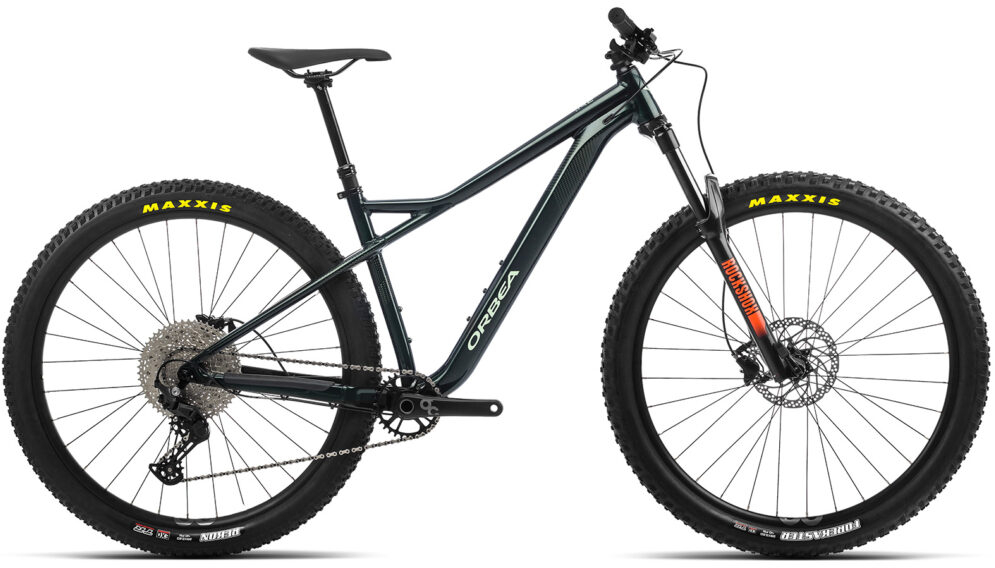
Versatile Full-Suspension Trail Bike
A versatile full-suspension trail bike takes the hardtail concept and amplifies it with a 140mm fork, 29-inch wheels, and proven, hard-wearing components chosen for reliability. This style of bike is equally at home on natural trails, trail centres, and bike parks. Durable parts mean longer intervals between servicing and more time spent riding.
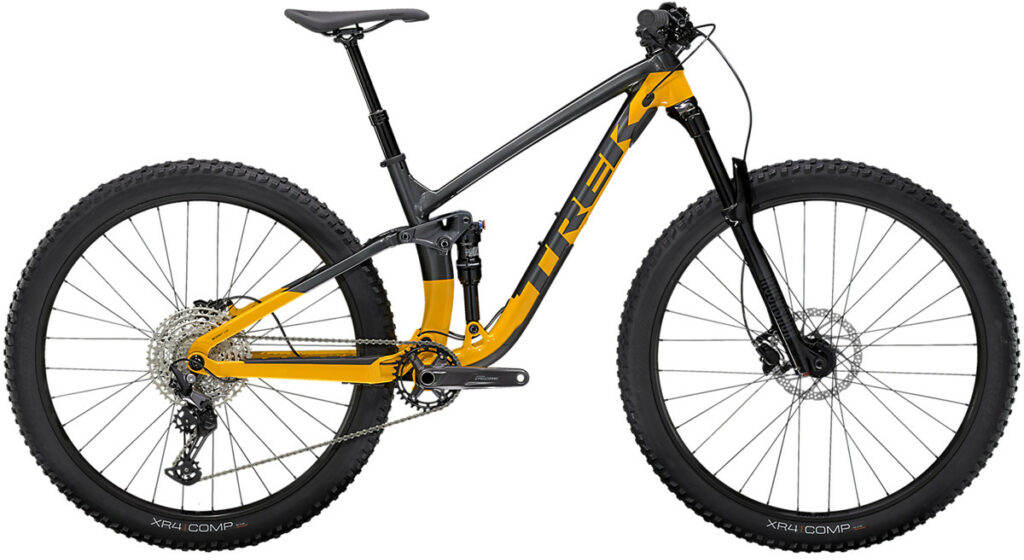
Mid-Travel Trail All-Rounder
Mid-travel trail bikes have been refined over decades into the definitive do-it-all mountain bike. With 130mm at the rear and 140mm at the front, 29-inch wheels, and size-specific suspension tuning, they deliver a consistent ride feel regardless of frame size. These bikes use flexible sizing that lets you go up or down a size depending on whether you prefer nimbleness or high-speed stability.
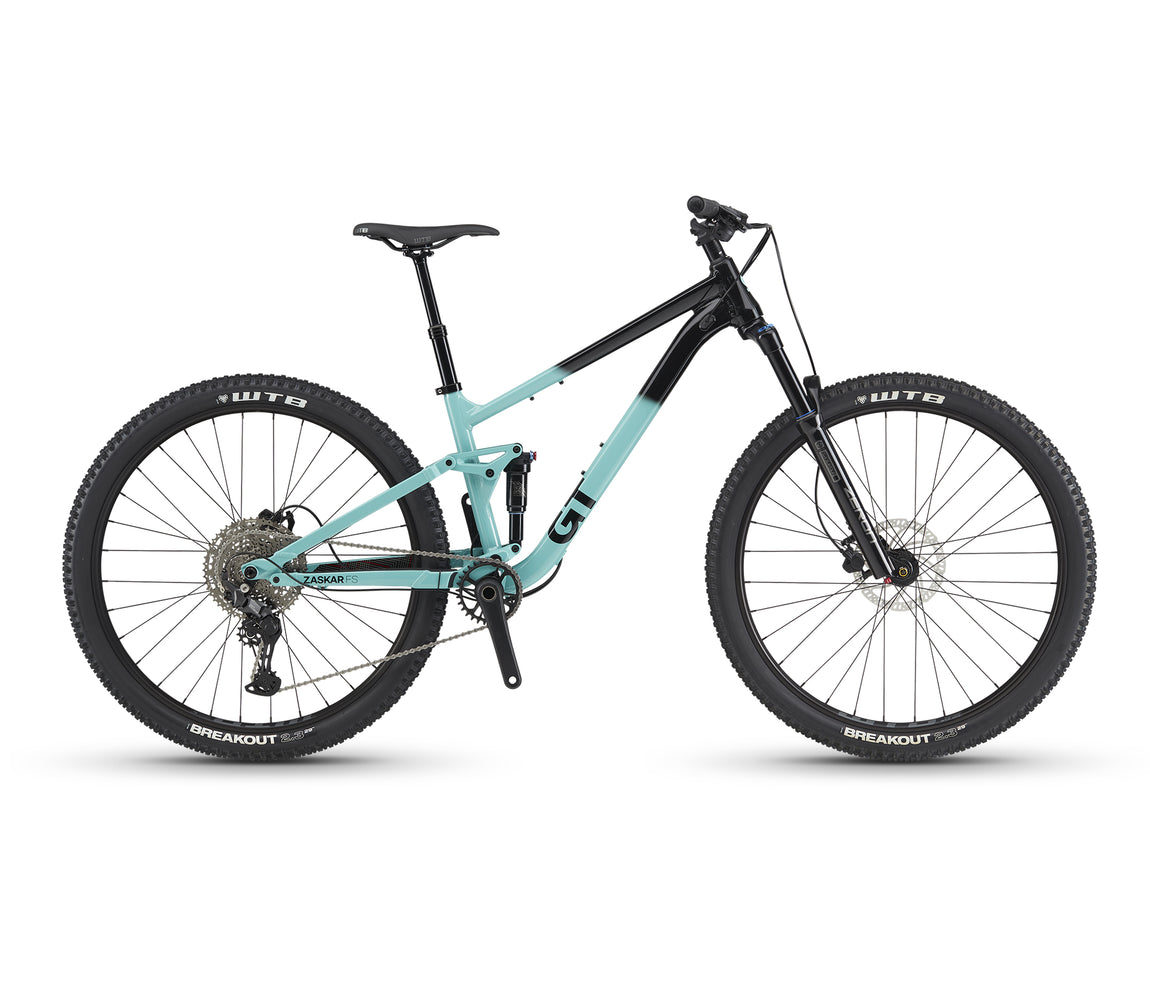
The Do-It-All Trail Bike
If you genuinely do not know which style of mountain bike you need, a versatile full-suspension trail bike is the safest bet. With 130mm of rear travel and 140mm up front, it is capable enough for most trails you will point it at. Available in both aluminium and carbon frames, these bikes come in multiple wheel sizes depending on frame size — smaller frames get 27.5-inch wheels for agility, while larger frames roll on 29-inch wheels for speed and stability. The entry-level aluminium version offers outstanding value with a specification focused on performance where it matters most.
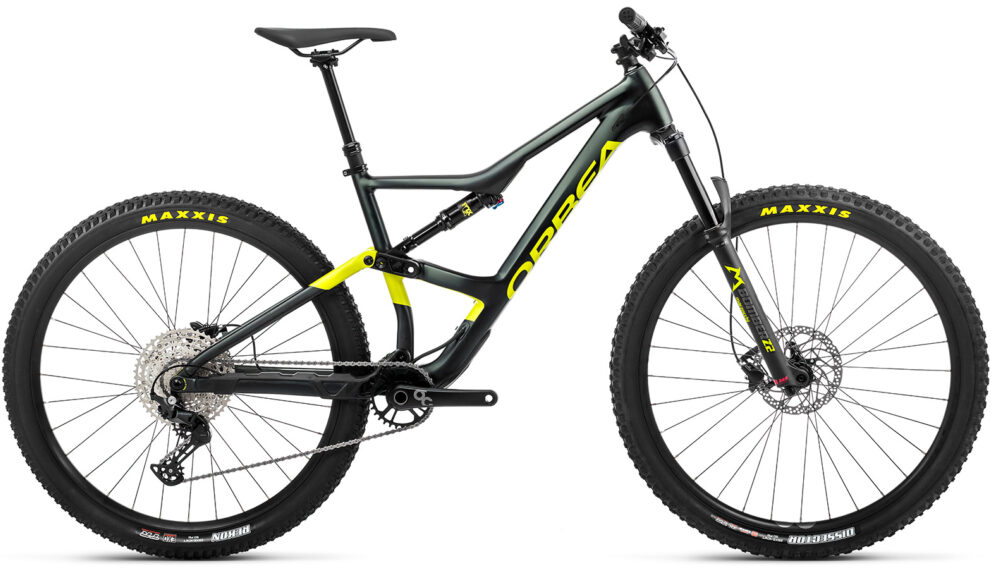
Long-Travel Trail Bike
For riders who want a trail bike with a bit more capability, a model offering 140mm of travel front and rear strikes an excellent balance. These bikes climb well enough for all-day adventures and can also handle bike parks, jumps, and uplift sessions with ease. Some even come in a long-travel variant with 150mm of rear travel for those who lean toward the gnarlier side of trail riding.
Our Top Enduro Bike Picks
Heavy-duty machines designed for aggressive descents and big hits.
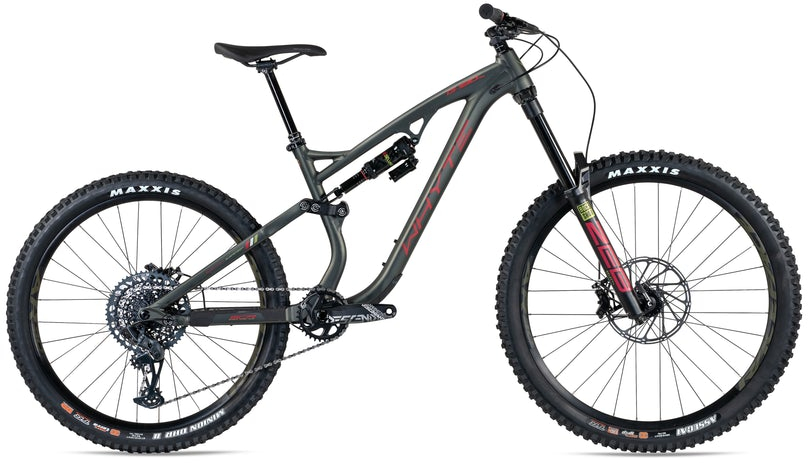
Carbon Enduro Race Bike
A full carbon enduro race bike borrows design elements from downhill race machines while remaining pedal-efficient enough to climb back uphill under your own steam. With around 170mm of travel front and rear and 29-inch wheels, these bikes are built to handle the most demanding terrain. The S-sizing system allows you to choose a smaller frame for agility or a larger one depending on your preference for stability at speed.
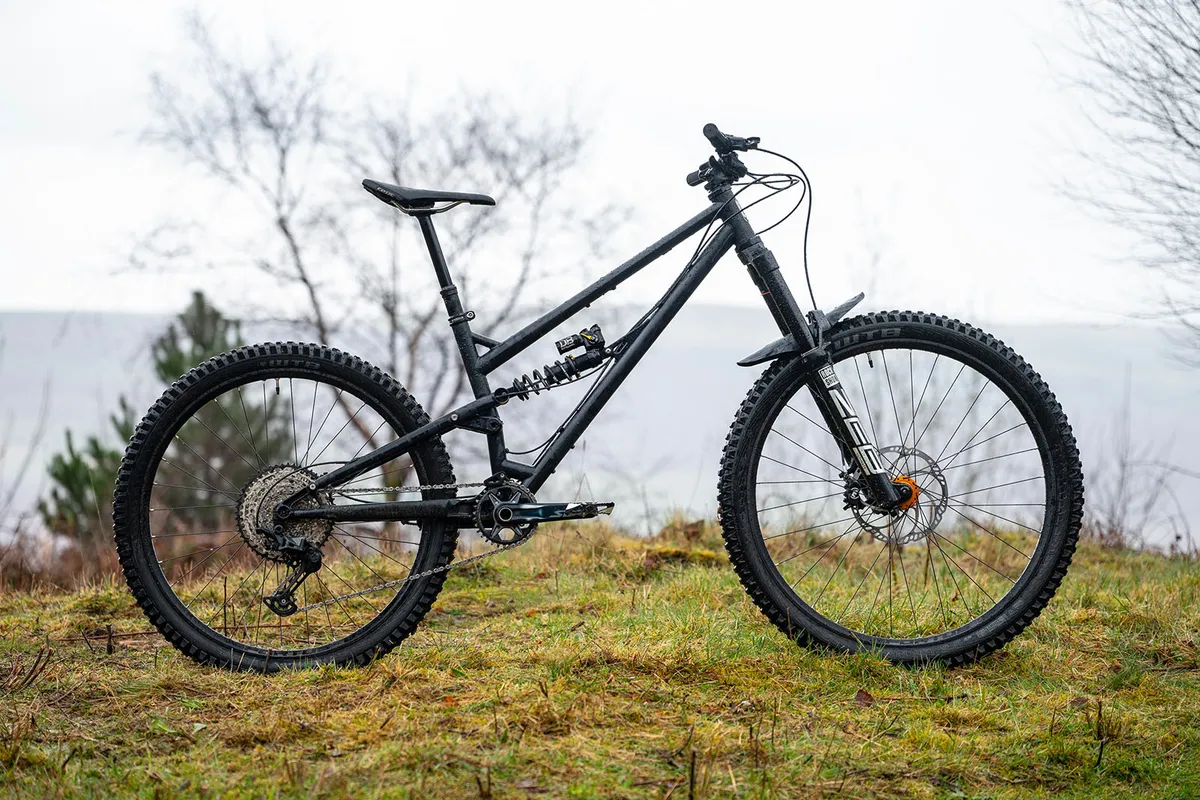
Aluminium Enduro Beast
For riders who want maximum travel without breaking the bank, an aluminium-framed enduro bike with 180mm of travel front and rear is hard to beat. That is downhill-level suspension in a package light enough to pedal uphill. A mullet wheel configuration — 29 inches at the front and 27.5 at the rear — helps the bike carve tight corners and maintain agility while still rolling over obstacles with ease. These bikes have earned rave reviews for their nimble handling and raw capability.
Ready to Hit the Trails?
Browse our full collection of mountain bikes and find the perfect ride for your next adventure.
GT Zaskar FS Comp 29