
Unlock the potential of renewable energy for your backyard and beyond with our comprehensive guide to solar inverters and their applications
Transforming your outdoor space into an energy-independent haven starts with understanding the technology that makes it all possible. Solar power inverters serve as the essential bridge between the sun's raw energy and the electricity that powers your backyard retreat, garden workshop, or off-grid cabin. This comprehensive guide will walk you through everything you need to know about solar inverters, from their fundamental operation to selecting the perfect system for your specific needs.
Whether you're looking to create a sustainable backyard oasis, power remote work areas, or establish complete energy independence, understanding solar inverter technology is your first step toward achieving these goals. We'll explore the various inverter types, their unique advantages, and how to maximize your investment in renewable energy.
Understanding Solar Inverter Technology: A Step-by-Step Breakdown
Solar inverter systems operate through a sophisticated yet elegant process that transforms sunlight into usable electrical power. Let's examine each stage of this remarkable energy conversion journey:
1Solar Panels Generate DC Electricity
Your solar panels begin the process by capturing photons from sunlight. Through the photovoltaic effect, these panels convert solar radiation into direct current (DC) electricity, similar to the power stored in batteries. This DC electricity represents the raw energy that will eventually power your backyard equipment and appliances.
2DC Electricity Flows to Battery Storage
The generated DC electricity travels to your battery bank, where it's stored for later use. This storage capability is crucial for maintaining power during nighttime hours or cloudy conditions. Modern battery systems ensure you have reliable energy reserves whenever you need them, making your backyard setup truly self-sufficient.
3DC Electricity Enters the Inverter
When power is needed, the stored DC electricity flows from your batteries into the inverter unit. This is where the magic happens. The inverter serves as the heart of your solar power system, preparing to transform the DC current into a form that your household appliances can utilize.
4Inverter Transforms DC to AC Power
Inside the inverter, sophisticated electronics convert the DC electricity into alternating current (AC) electricity. This conversion is essential because virtually all standard household appliances, power tools, and electronic devices require AC power to operate. The inverter produces clean, stable AC power that matches the quality of grid electricity.
5AC Power Flows to Your Backyard Applications
The freshly converted AC electricity now flows through your electrical panel, ready to power everything in your backyard retreat. From lighting and refrigeration to power tools and entertainment systems, the AC power seamlessly energizes all your equipment just as if connected to the traditional utility grid.
6Continuous Performance Monitoring
Modern solar inverter systems include integrated monitoring capabilities that track energy production and consumption in real-time. This feature allows you to optimize your energy usage patterns, identify potential issues early, and ensure your system operates at peak efficiency throughout its lifespan.
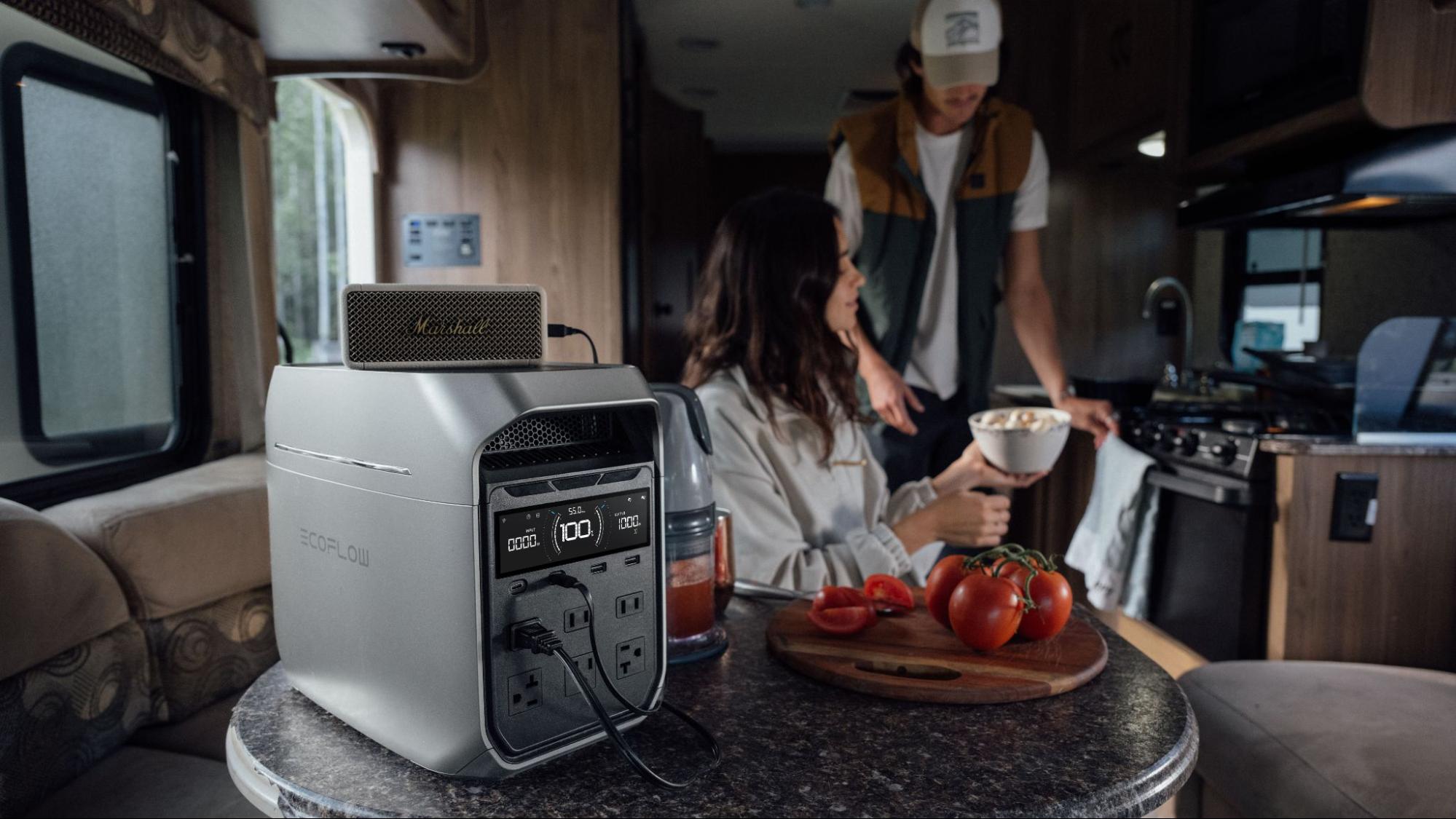
Power Your Backyard Paradise with Professional-Grade Solar Technology
Experience reliable, efficient off-grid power with our premium 6000-watt hybrid solar inverter system. Perfect for comprehensive backyard installations and remote properties.
6000W Hybrid InverterExploring Solar Inverter Types: Finding Your Perfect Match
Selecting the right inverter type is crucial for optimizing your backyard solar installation. Each category offers distinct advantages tailored to different applications and energy requirements. Let's explore the options available:
Hybrid Inverters
Hybrid inverters represent the cutting edge of solar technology, seamlessly integrating with both your solar panel array and utility grid connection. These versatile units automatically manage power flow between your panels, battery storage, and the grid, ensuring uninterrupted power supply to your backyard spaces. During sunny periods, they maximize solar collection while storing excess energy. When conditions are less favorable, they smoothly transition to stored or grid power. This intelligent switching makes hybrid inverters ideal for year-round outdoor living spaces where reliability is paramount.
String Inverters
String inverters connect multiple solar panels in series configurations, channeling their combined output to a single central inverter unit. This design offers simplicity and cost-effectiveness, making it an excellent choice for straightforward backyard installations with minimal shading issues. While string inverters work best when all connected panels receive consistent sunlight exposure, they excel in uncomplicated setups where ease of installation and maintenance are priorities over maximum individual panel optimization.
Microinverters
Microinverters attach directly to individual solar panels, with each panel having its own dedicated inverter. This panel-level approach delivers superior performance in challenging conditions where shading varies across your roof or yard. Although microinverters require higher initial investment and more complex installation, they provide unmatched flexibility and optimization. They're particularly valuable for backyard configurations with trees, structures, or varying roof angles that create inconsistent sunlight patterns throughout the day.
Power Optimizers
Power optimizers strike a balance between string inverters and microinverters. Installed at each solar panel, they maximize individual panel performance by conditioning the DC power before sending it to a central string inverter. This hybrid approach delivers many benefits of panel-level optimization while maintaining the reliability and simplicity of centralized conversion. Power optimizers excel in partially shaded backyard environments where individual panel performance varies, yet you prefer a single main inverter for easier maintenance.

Selecting Your Ideal Solar Power Inverter: 6 Critical Considerations
Choosing the right solar inverter for your backyard energy system requires careful evaluation of several key factors. Consider these essential elements to ensure optimal performance:
Essential Selection Criteria:
- Determine Your Power Requirements: Calculate your total wattage needs by inventorying all equipment and appliances you'll operate simultaneously in your backyard space. Include lighting, refrigeration, power tools, and any other electrical devices to establish your minimum inverter capacity.
- Assess System Dimensions and Layout: Evaluate your available installation space and solar panel configuration. Consider roof angles, ground-mounting options, and optimal placement for both panels and inverter equipment to maximize efficiency and accessibility.
- Verify Inverter Efficiency Ratings: Select models with efficiency ratings exceeding 95% to minimize energy losses during conversion. Higher efficiency means more of your captured solar energy reaches your appliances rather than being lost as heat.
- Consider Long-Term Reliability: Investigate manufacturer warranties extending five years or longer. Quality warranties indicate manufacturer confidence and protect your investment against premature failures or performance degradation.
- Plan for Future Expansion: Choose inverter systems offering scalability through additional modules or upgraded components. This flexibility allows your system to grow alongside your evolving energy needs without requiring complete replacement.
- Evaluate Advanced Features: Modern inverters offer monitoring capabilities, smart grid integration, and remote management options. These features provide valuable insights into system performance and enable proactive maintenance scheduling.
Critical Factors in Solar Inverter Performance
Understanding Inverter Compatibility and Integration
Your solar inverter must seamlessly integrate with your specific solar panel array, battery bank, and electrical system requirements. Voltage compatibility, power handling capacity, and communication protocols all play crucial roles in system performance. Professional consultation can help ensure all components work together harmoniously for optimal results.
Can Solar Inverters Function Off-Grid?
Absolutely! Many solar inverters are specifically engineered for off-grid applications, making them perfect for remote backyard installations, cabins, workshops, and recreational properties. These specialized systems excel at managing battery storage and maintaining consistent power output without any connection to utility infrastructure.
Determining the Right Inverter Size for Off-Grid Backyard Systems
Proper inverter sizing begins with comprehensive power consumption analysis. Calculate your monthly electricity usage by examining utility bills or measuring actual consumption of devices you plan to operate off-grid. Multiply daily watt-hours by the hours each device runs daily, then extend this calculation across your expected usage patterns.
Practical Sizing Example:
Consider a modest backyard workshop requiring 15,000 watts daily. With a four-hour daily solar generation window, you'll need 3,750-watt solar panel capacity. Factor in an additional 2.5-hour safety margin to account for weather variability, bringing your recommendation to 5,000 watts or more. Your battery bank should store sufficient energy for 10,000 watt-hours minimum, while your inverter must handle instantaneous loads with a 3,000-watt continuous rating—preferably higher to accommodate startup surges from motors and compressors.
This means selecting an inverter rated at least 3,000 watts for steady operation. However, the ideal choice would be our 6,000-watt system, providing ample headroom for power-hungry equipment and future expansion. Remember, undersized systems lead to frequent overloads and shortened equipment lifespan, while properly sized systems deliver reliable performance for decades.
Solar Inverters: Comprehensive Advantages and Limitations
Advantages
- Transforms DC solar energy into AC power compatible with standard household appliances and tools
- Enables sustainable energy independence and reduces reliance on utility grid connections
- Provides reliable backup power during grid outages or in remote locations
- Features minimal maintenance requirements with typical 10-15 year operational lifespans
- Offers versatile applications from small backyard workshops to complete property power systems
- Includes intelligent monitoring systems for optimizing energy production and consumption patterns
Considerations
- Requires substantial upfront investment typically ranging from several hundred to several thousand dollars
- Solar panel warranties generally extend 10-15 years, potentially requiring replacement before other system components
- Installation complexity may necessitate professional expertise, particularly for grid-tied or complex off-grid configurations
- Performance depends heavily on local climate conditions and seasonal sunlight variations
- May experience reduced efficiency during extreme temperature conditions without proper ventilation
- Battery replacement costs can significantly impact long-term operational expenses in off-grid systems
Ready to Transform Your Backyard with Solar Power?
Take the first step toward energy independence with our professional-grade solar inverter solutions. Engineered for reliability, efficiency, and long-term performance in demanding off-grid applications.
6000W Hybrid InverterYour Journey to Energy Independence Starts Here
Solar power inverters represent the cornerstone of any successful renewable energy system, whether you're powering a simple backyard shed or a complete off-grid homestead. By understanding the technology, carefully evaluating your needs, and selecting quality components, you'll create a sustainable energy solution that serves your backyard paradise for years to come. The initial investment in proper equipment pays dividends through decades of reliable, clean power generation, reducing your environmental footprint while enhancing your outdoor living experience.