
Whether you're a weekend warrior or a competitive club player, a table tennis robot might be the training partner you never knew you needed — one that never gets tired, never complains, and delivers the exact same ball, thousands of times over.
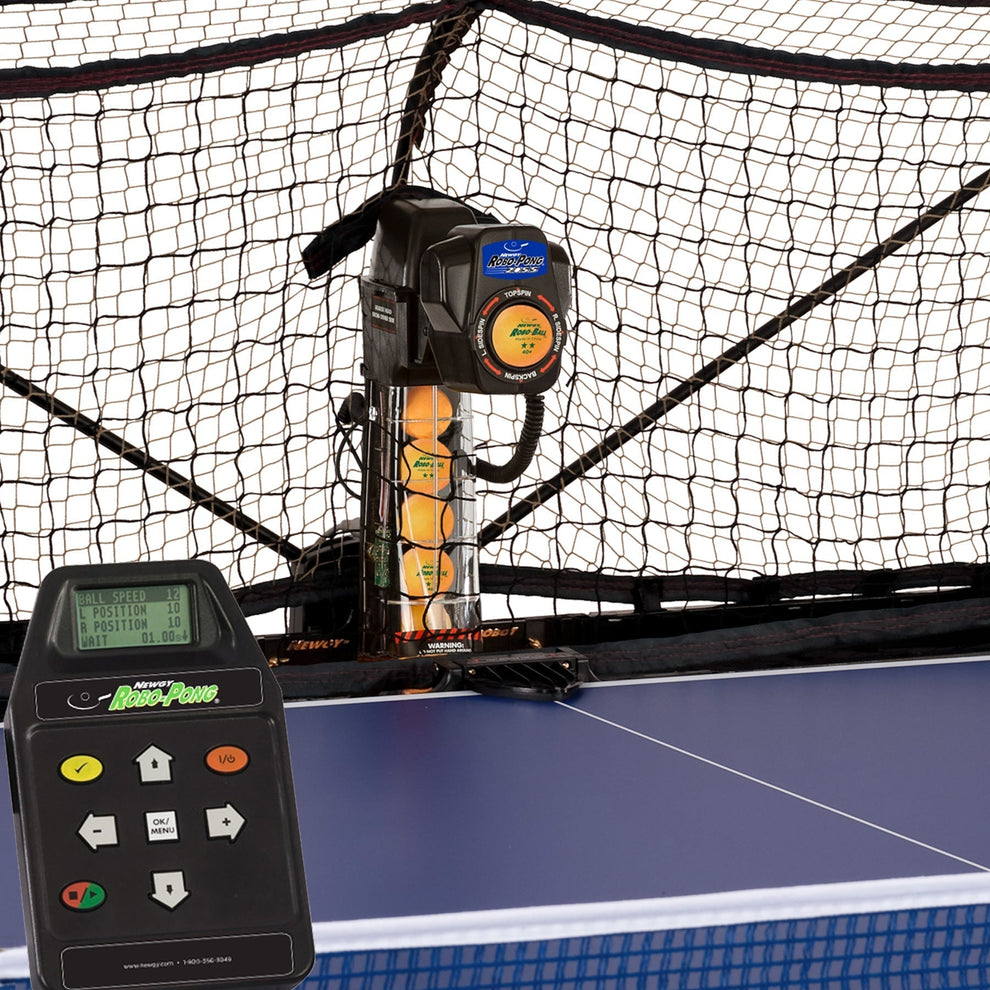
What Is a Table Tennis Robot?
A table tennis robot is an automated ball-feeding machine designed to deliver consistent, repeatable shots to a player standing on the opposite side of the table. Unlike a human practice partner, the robot never loses focus, never misses its mark, and can be programmed to serve the same spin, speed, and trajectory hundreds of times in a row.
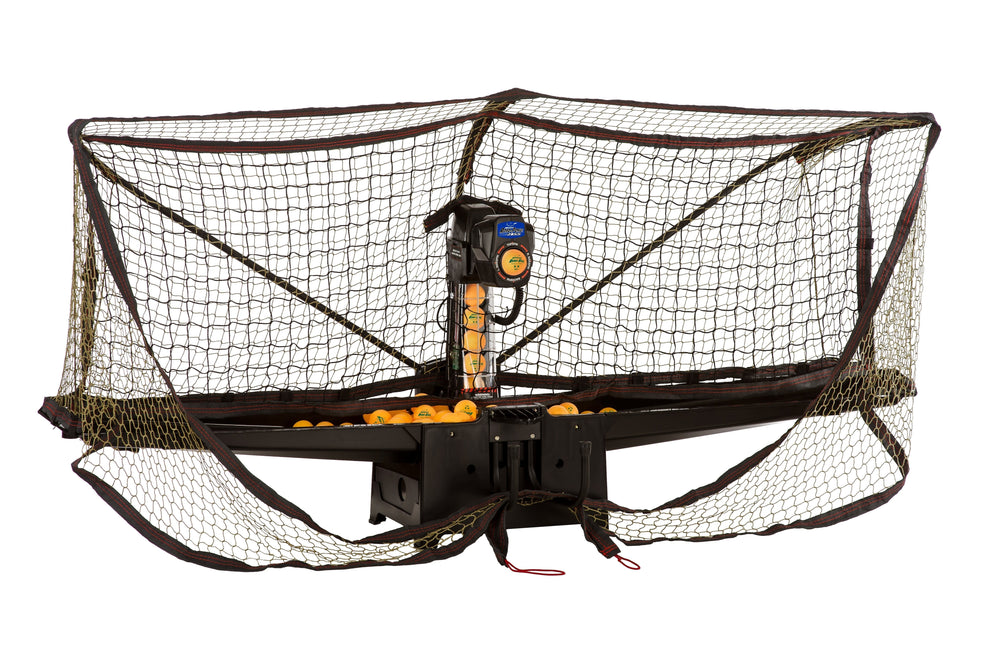
At its most basic, a robot loads balls from a hopper and launches them across the net using spinning wheels or oscillating arms. More advanced models allow you to program complex multi-ball drills, varying spin, frequency, speed, and landing position — all from a wireless remote or smartphone app.
"Consistent repetition is the foundation of every elite skill — and no human training partner can match the repeatability of a well-programmed robot."
Who Benefits Most From a Training Robot?
Table tennis robots aren't just for elite competitors. Recreational players who want to sharpen a weak backhand, beginners building muscle memory from scratch, and coaches running group sessions all stand to gain tremendously from consistent machine-delivered practice.
If you struggle to find a practice partner at your skill level, or if your schedule makes it difficult to coordinate regular sessions, a robot solves both problems immediately. You simply set it up, dial in your drill, and train on your own terms.
Beginners
Learn proper stroke technique with perfectly repeatable balls. The robot builds your muscle memory without the frustration of inconsistent feeds from a new practice partner.
Intermediate Players
Drill specific weaknesses — a shaky cross-court loop, inconsistent returns, or hesitant footwork — at your own pace, as many times as you need.
Advanced Competitors
Program complex multi-ball sequences that simulate real match conditions. Push your reaction speed and endurance beyond what a human partner can sustain.
Coaches & Clubs
Run high-volume solo drills during group sessions, freeing you to focus on instruction and feedback while players stay in continuous motion.
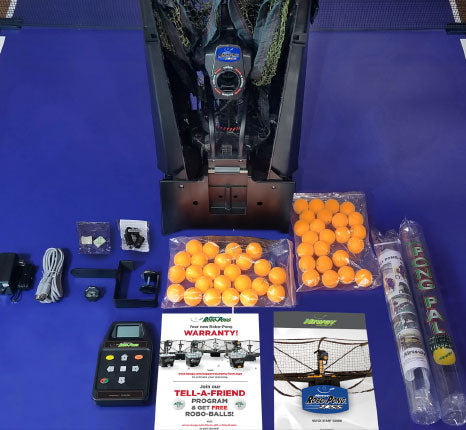
Key Features to Look For
Not all table tennis robots are created equal. The right machine depends on your skill level, training goals, and budget. Before purchasing, consider these essential features:
- Ball frequency control — how fast the robot fires determines drill intensity
- Spin variation — topspin, backspin, sidespin, and no-spin settings are essential for realistic training
- Oscillation — left-right sweeping forces footwork and lateral movement
- Programmable drills — save and recall custom multi-ball sequences
- Ball hopper capacity — larger hoppers mean longer uninterrupted sessions
- Portability — easy setup and breakdown if you train in multiple locations
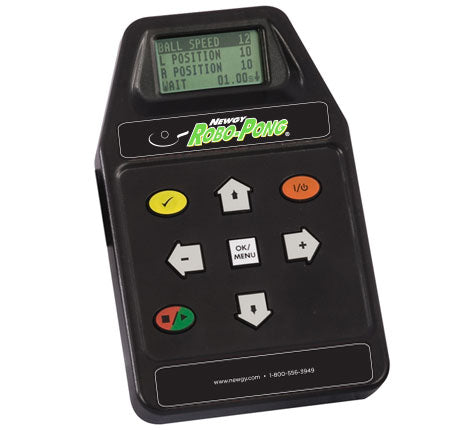
- Remote or app control — adjust settings without walking to the machine
The Science Behind Repetitive Drilling
Sports psychology and motor learning research consistently show that deliberate, repetitive practice accelerates skill acquisition faster than unstructured play. When you repeat the same movement pattern under controlled conditions, your nervous system encodes that pattern at a deeper neurological level — eventually making it automatic and instinctive.
A table tennis robot is the ideal tool for deliberate practice. You can isolate any single element of your game — your topspin forehand, your short push return, your pivot attack — and hammer it with zero variation until it becomes second nature. Human partners simply cannot deliver this level of consistency session after session.
The players who improve fastest aren't necessarily the ones who play the most games — they're the ones who drill the most deliberately and precisely.
Can a Robot Replace a Human Coach or Partner?
This is the question every serious player eventually asks. The honest answer: no — and it was never designed to. A robot cannot watch your technique, correct your grip, or adapt tactically the way a skilled coach or experienced partner can. It has no game intelligence, no competitive spirit, and no ability to read your game and exploit weaknesses.
What a robot does exceptionally well is volume. It gives you the high-repetition, controlled drilling environment that complements coaching beautifully. Think of it like a batting cage in baseball — it won't replace your hitting coach, but it will transform your raw contact and timing between sessions.
For most players, the ideal training program blends robot drilling for technical repetition with live match play for tactical development. Used together, the two approaches compound one another's benefits.
How Long Before You See Improvement?
Results depend on how consistently you train and how structured your drills are. Many players report noticeable stroke improvements within just two to three weeks of focused robot sessions — particularly in areas like ball placement accuracy, reaction speed, and footwork efficiency.
The key is intentional practice. Simply hitting balls the robot fires at you without a clear goal in mind produces only modest gains. Define what you want to improve each session, set your robot accordingly, and stay mentally engaged throughout. That focused approach accelerates progress dramatically compared to mindless repetition.
Setting Up an Effective Robot Training Routine
Getting the most from your robot starts with a training plan. A good weekly structure might look like this:
- 2–3 dedicated robot sessions per week, 30–45 minutes each
- Begin each session with a simple warm-up drill at low frequency
- Isolate one technical weakness per session and spend 60–70% of your time on it
- End with a combination drill that links your improved technique into a longer sequence
- Follow robot sessions with live match play whenever possible to transfer skills
Gradually increase frequency and spin variation as you improve. The robot should always feel slightly challenging — if it's too comfortable, you've stopped growing.
Frequently Asked Questions
Do I need a full-sized table to use a robot?
Most robots are designed for standard regulation tables, but many models clamp onto any edge. Some compact robots work with smaller practice tables as well.
How many balls do I need?
A standard session typically uses 60–100 balls. Most robots come with a ball catcher net to recycle balls automatically, reducing how often you need to reload the hopper.
Are table tennis robots suitable for children?
Absolutely. Many young players develop excellent technique faster with a robot than with peer partners, because the ball delivery is predictable and forgiving at beginner settings.
What type of balls should I use with a robot?
Most robots work best with 40mm poly balls — the current international standard. Check your robot's manual for any specific ball recommendations from the manufacturer.
Can I use a robot outdoors?
While technically possible with an outdoor table, wind and uneven surfaces can affect ball trajectory. Indoor use is strongly recommended for consistent, productive training.
Ready to Elevate Your Training?
The Robo-Pong 2055 delivers professional-grade ball feeding, programmable drills, and precise spin control — everything you need to train smarter and improve faster.
Robo-Pong 2055