
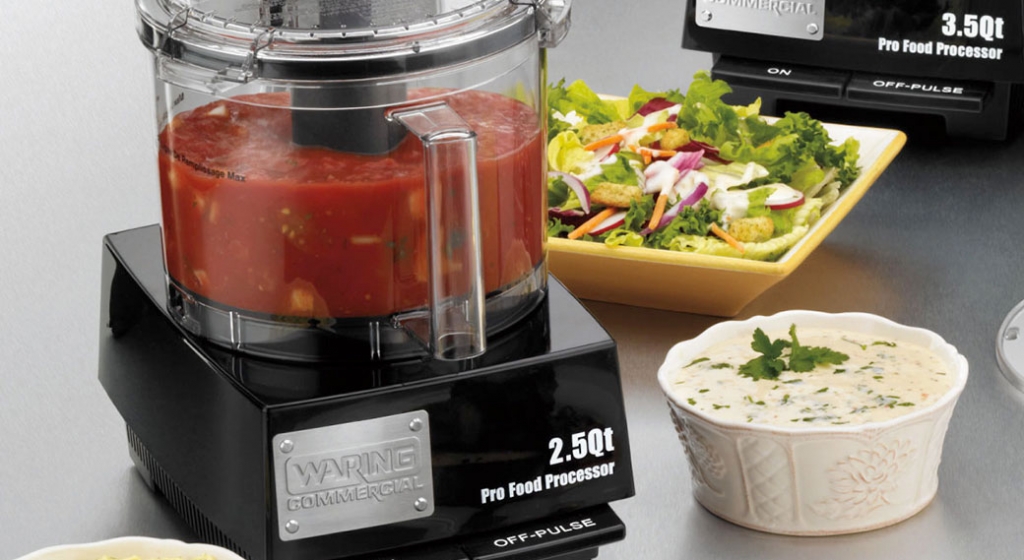
Whether you're hosting large gatherings in your backyard, preparing meals for outdoor events, or simply want professional-grade food preparation capabilities in your outdoor kitchen, a commercial food processor can revolutionize how you handle ingredients. From slicing vegetables for a crowd to grinding fresh spices for marinades, these powerful machines bring restaurant-quality efficiency right to your backyard setup.
But with so many options available, how do you know which food processor fits your needs? This comprehensive guide walks you through the essential questions every outdoor cooking enthusiast should ask before making this important investment.
When Should You Consider a Commercial Food Processor?
The moment your standard kitchen appliances struggle to keep pace with your outdoor cooking demands, it's time to consider upgrading to commercial-grade equipment. If you find yourself spending excessive time manually chopping, slicing, or preparing ingredients for backyard barbecues and gatherings, a commercial food processor can dramatically reduce your prep time.
Commercial food processors deliver superior performance, enhanced durability, and remarkable efficiency compared to their residential counterparts. They're engineered to handle larger volumes and extended operation periods without overheating or losing performance. The precision of commercial blades ensures consistent cuts every time, whether you're preparing coleslaw for fifty guests or grinding meat for homemade burgers.
Additionally, these robust machines typically feature simpler designs that make cleaning and maintenance straightforward—a crucial consideration when you're managing food prep in an outdoor environment.
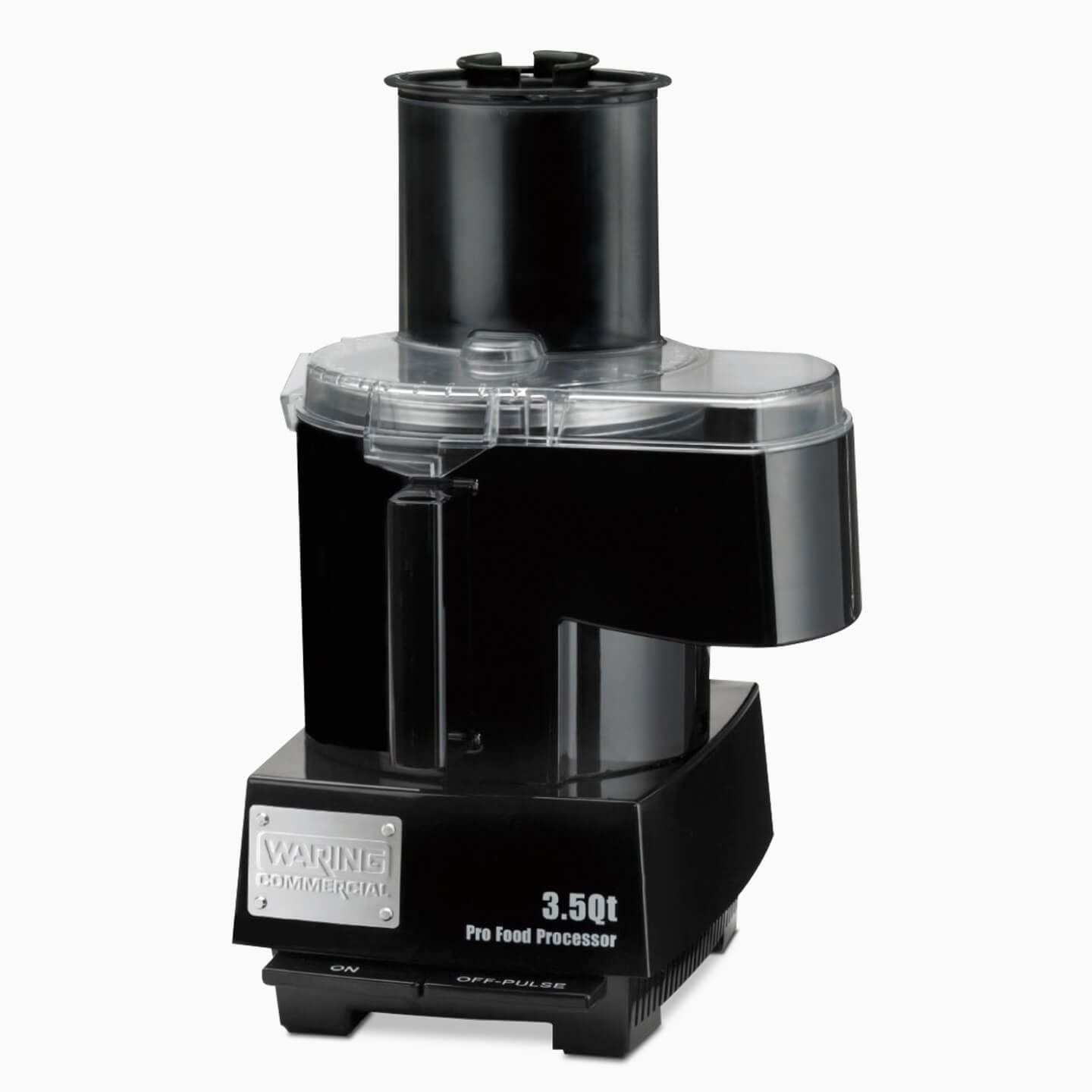
Commercial food processors bring professional efficiency to your outdoor kitchen
Understanding Continuous Feed Food Processors
Continuous feed food processors represent the pinnacle of efficiency for high-volume food preparation. Unlike batch processors where you must stop to empty the bowl, continuous feed models allow you to keep adding ingredients through a feed tube while processed food automatically exits through a separate chute into your waiting container.
This design proves invaluable when you're preparing large quantities of shredded cheese for nachos, sliced onions for grilling, or julienned vegetables for fresh salads. The uninterrupted workflow means you can process pounds of ingredients in minutes rather than the stop-and-start rhythm of traditional processors.
For backyard cooking enthusiasts who regularly entertain groups or prepare meals for outdoor events, the time savings alone can justify the investment in a continuous feed model.
A quality commercial food processor can reduce your outdoor meal prep time by up to 75%, letting you spend more time enjoying your backyard gatherings.
Who Benefits Most From Commercial Food Processors?
Outdoor cooking enthusiasts who frequently host gatherings will find commercial food processors transformative. If your backyard is the neighborhood gathering spot for summer cookouts, holiday celebrations, or weekend brunches, the efficiency gains become immediately apparent.
Those who process fresh ingredients from their gardens also benefit tremendously. Whether you're making fresh salsa from homegrown tomatoes, preparing pesto from your herb garden, or processing vegetables for canning and preservation, commercial processors handle these tasks with ease and consistency.
Catering professionals, food truck operators, and anyone running a food-related business from their property will find commercial food processors essential for meeting health regulations and maintaining consistent quality in their preparations.
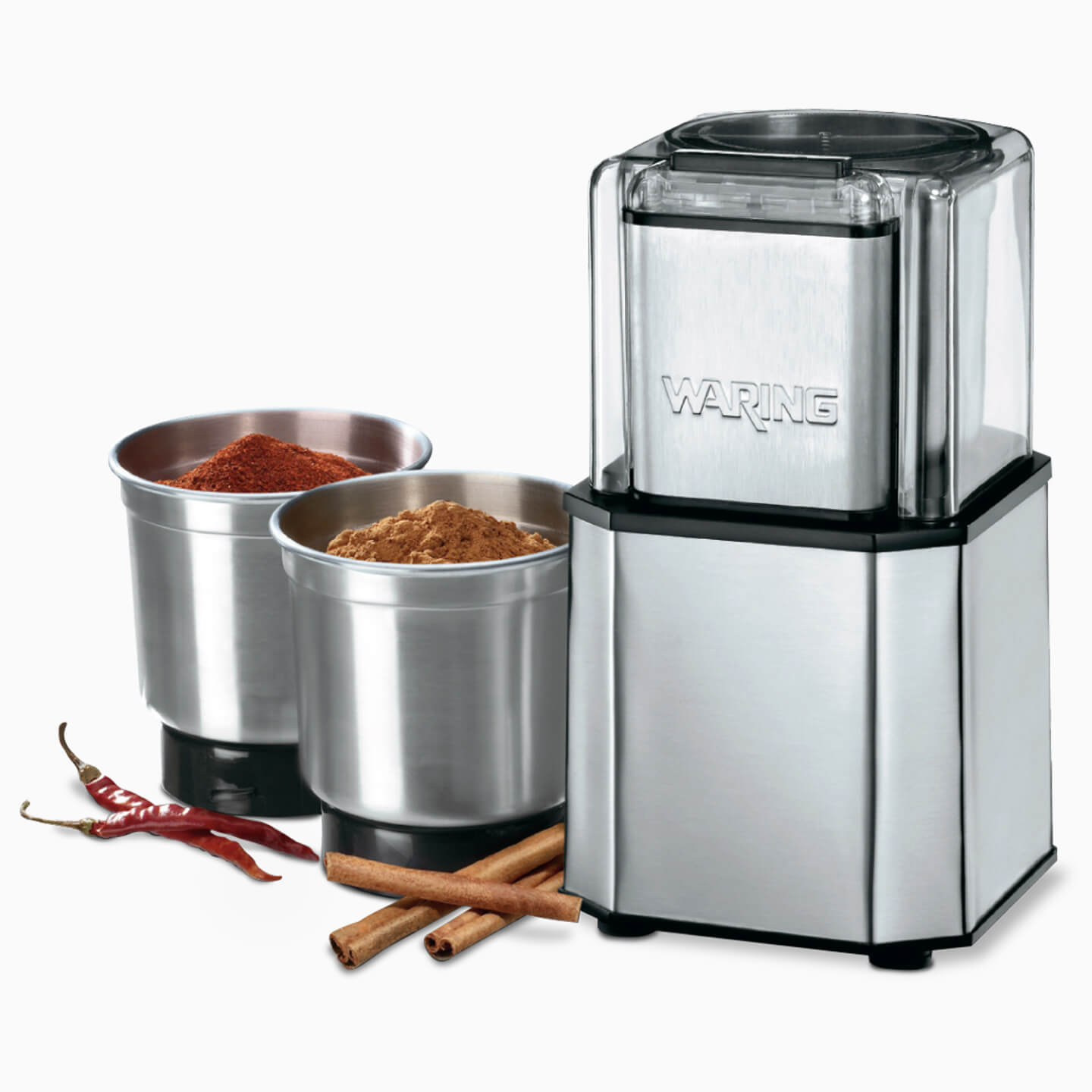
Can Food Processors Handle Spice Grinding?
Absolutely—and grinding your own spices is one of the most rewarding uses for a commercial food processor in outdoor cooking. Freshly ground spices deliver exponentially more flavor than pre-ground alternatives, elevating your barbecue rubs, marinades, and seasonings to professional levels.
However, not every food processor excels at this task. Look for models with powerful motors and specialized grinding attachments designed for hard, dry ingredients. Smaller batch bowls often work better for spice grinding than larger continuous feed setups, as they keep ingredients concentrated near the blades.
For best results when grinding spices, work in small batches and pulse rather than running continuously. This prevents heat buildup that can diminish the volatile oils responsible for spice flavor and aroma.
When to Consider Heavy-Duty Food Processing
Heavy-duty food processors become necessary when your processing demands exceed what standard commercial models can handle. If you're working with dense root vegetables, processing large quantities of meat, or running your equipment for extended periods during events, stepping up to heavy-duty specifications ensures reliable performance.
These robust machines feature more powerful motors, reinforced components, and enhanced cooling systems that prevent overheating during demanding tasks. The investment proves worthwhile for serious outdoor cooking setups where equipment failure during a large event simply isn't an option.
Consider heavy-duty options if you process tough ingredients regularly, operate for more than an hour continuously, or simply want the peace of mind that comes with professional-grade durability.
Slicing Discs
Create uniform slices for vegetables, fruits, and meats with adjustable thickness options.
Grating Discs
Perfect for cheeses, root vegetables, and chocolate with various coarseness settings.
Dicing Blades
Achieve consistent cube cuts for salsas, salads, and vegetable medleys effortlessly.
What Do Food Processor Discs Accomplish?
The versatility of commercial food processors largely depends on their disc and blade attachments. Understanding what each disc type accomplishes helps you select a processor that meets your specific outdoor cooking needs.
The standard S-blade handles chopping, pureeing, and mixing tasks essential for creating dips, sauces, and marinades. Slicing discs produce uniform cuts ideal for vegetable platters and sandwich toppings. Shredding discs make quick work of cheese for nachos and vegetables for slaws. Specialty discs for julienne cuts, waffle cuts, and French fry shapes expand your preparation possibilities.
When evaluating processors, consider which disc options come standard versus which require additional purchase. Building a comprehensive disc collection over time allows you to tackle virtually any food preparation challenge your outdoor cooking adventures present.
Maintaining Your Commercial Food Processor
Proper maintenance ensures your commercial food processor delivers years of reliable service in your outdoor kitchen. After each use, disassemble all removable components and wash them thoroughly with warm, soapy water. Most commercial models feature dishwasher-safe parts, but hand washing with immediate drying prevents water spots and extends component life.
Wipe down the motor base with a damp cloth, being careful never to submerge it in water. Inspect blades regularly for dullness or damage—sharp blades process more efficiently and put less strain on the motor. Store your processor in a protected area when not in use, especially important in outdoor environments where exposure to elements can accelerate wear.
Schedule periodic deep cleaning to remove any residue buildup in hard-to-reach areas. Following the manufacturer's maintenance recommendations preserves your warranty coverage and ensures optimal performance throughout the equipment's lifespan.
Selecting the Right Brand for Your Needs
Choosing a reputable brand ensures you receive quality construction, reliable performance, and accessible service support. Leading commercial food processor manufacturers have earned their reputations through decades of serving demanding professional kitchens—the same durability benefits your outdoor cooking setup.
Look for brands that offer comprehensive warranty coverage, readily available replacement parts, and responsive customer support. Read reviews from other outdoor cooking enthusiasts to learn how specific models perform in real-world conditions similar to your intended use.
Consider the total cost of ownership, including initial purchase price, expected lifespan, energy consumption, and replacement part costs. A slightly higher upfront investment in a quality brand often proves more economical over time compared to replacing inferior equipment every few years.
Featured Food Processor
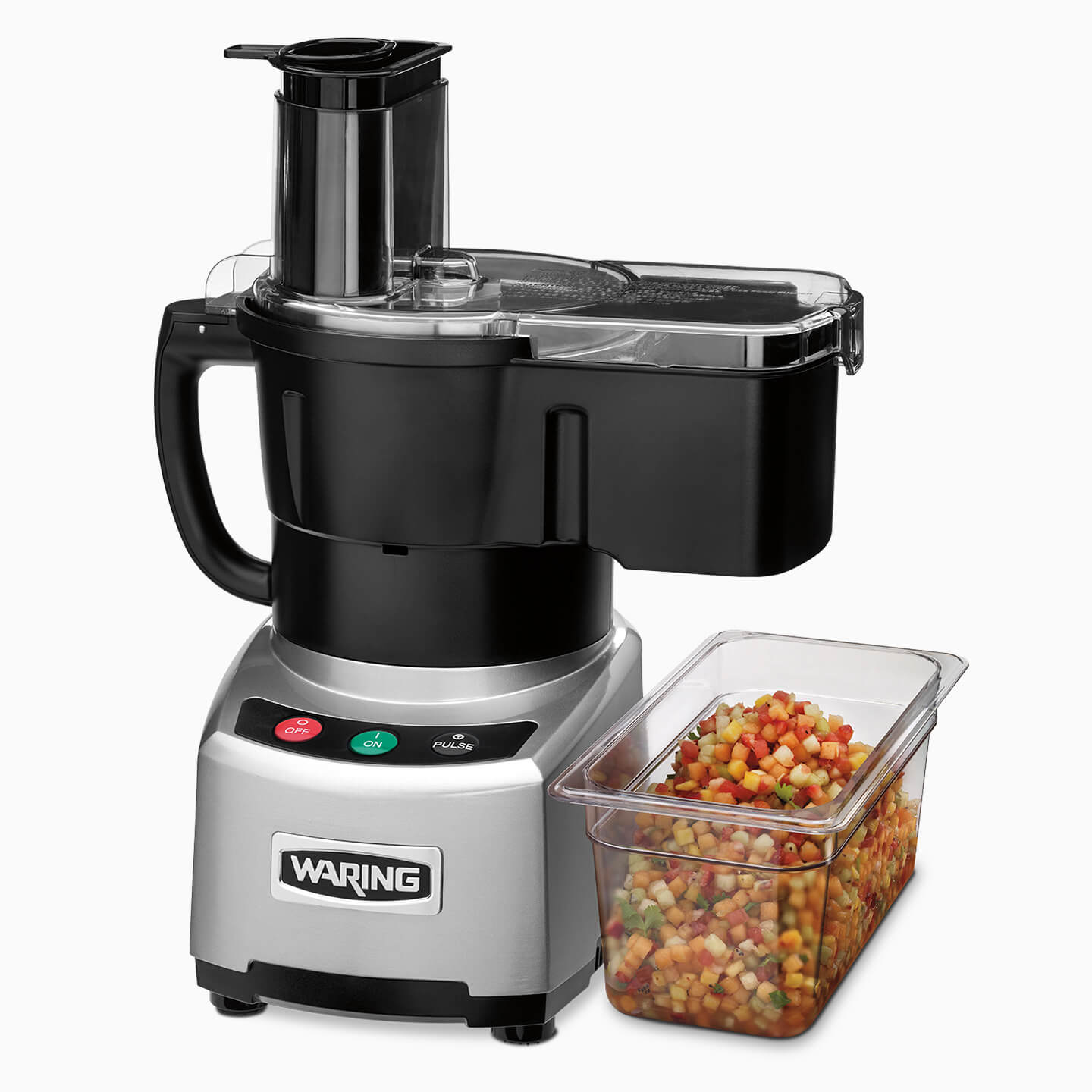
Discover professional-grade food processing with a stainless steel bowl designed for demanding outdoor kitchen environments.
Robot Coupe BLIXER3Elevate Your Outdoor Cooking Experience
A commercial food processor transforms how you prepare meals in your outdoor kitchen. By asking the right questions and understanding your specific needs, you'll find the perfect equipment to make every backyard gathering memorable. Explore our selection of professional-grade food processors and take your outdoor cooking to the next level.