
A dependable HVAC system plays a vital role in maintaining a comfortable and well-regulated indoor environment. The value of a high-performance heating, ventilation, and air conditioning setup goes well beyond simple temperature adjustment — it directly influences energy efficiency, air quality, and your overall sense of well-being at home. Today, homeowners have the flexibility to choose between single-zone and multi-zone ductless mini split systems, each offering distinct advantages for personalized climate management.
A single zone mini split system pairs one outdoor compressor unit with a single indoor air handler, delivering precise temperature control to one designated area. On the other hand, a multi-zone system connects a single outdoor unit to two or more indoor units, enabling independent temperature regulation across multiple rooms or zones in the home. While some refer to a two-unit setup as a "2-zone system," in most scenarios, additional indoor units can be added to cover even more areas throughout the house.
Curious about how ductless air conditioners work? By exploring these systems in detail, you'll discover that ductless mini splits consist of an outdoor condenser connected to one or more indoor units through a compact refrigerant line — no bulky ductwork required. This streamlined installation process not only prevents energy waste caused by leaky ducts but also enhances overall efficiency. The core benefits include flexible placement, impressive heating and cooling power, whisper-quiet operation, and the convenience of managing climate settings without sacrificing your home's aesthetics.

Understanding the Difference Between Single & Dual Zone Mini Splits
Choosing between a single zone and a dual zone ductless system is one of the most impactful decisions you'll make for your heating and cooling setup. Ductless systems have surged in popularity thanks to their remarkable efficiency and flexibility. Understanding whether a single-zone or multi-zone configuration best fits your requirements is essential. Let's break down the advantages, drawbacks, and key considerations for each option to help you make a confident, informed decision.
Advantages & Disadvantages of Single Zone Ductless Mini Splits

Single zone ductless mini splits and split-type systems offer focused climate control for individual rooms or areas, making them a go-to solution for efficient, energy-conscious homeowners. Here's a look at the essential pros and cons to help you determine whether a single zone unit fits your situation.
✓ Advantages
Lower Upfront Cost: Single zone mini splits are generally more budget-friendly than multi-zone setups since you're only investing in one indoor unit paired with the outdoor compressor, rather than the two or more indoor units found in a dual zone configuration.
Quick & Simple Installation: Say goodbye to lengthy setup timelines. Single zone systems are engineered for straightforward, fast installation, pairing seamlessly with wall-mounted indoor units. You can even have your system up and running in as little as one day. Explore how easy it is to install a mini split with the right guidance.
Space-Saving Design: Enjoy comfortable temperatures without cluttering your living space. The compact profile of a single zone mini split makes it a smart choice for areas where floor or ceiling real estate is limited — mount it on a wall and forget it's there.
Energy Efficiency: Because these systems heat or cool only one area at a time, they tend to deliver strong energy performance, helping you keep utility bills in check while maintaining comfort.
✗ Disadvantages
Limited Coverage Area: While incredibly efficient, single zone mini splits are designed for individual spaces. They may fall short when it comes to heating or cooling larger homes or multiple rooms simultaneously.
Indoor Unit Visibility: The wall-mounted air handler is always visible in the room. While modern units feature sleek designs, they still occupy wall space and may not blend seamlessly with every interior aesthetic.
Style Limitations: Mini split indoor units come in a limited range of visual styles — primarily wall-mounted, floor-mounted, and ceiling cassette options. While functional and increasingly attractive, these choices may not satisfy every homeowner's design vision.
Advantages & Disadvantages of Multi Zone Mini Split Systems
Dual and multi-zone mini split systems offer a compelling combination of benefits and trade-offs, making it important to weigh both sides carefully before committing. Here's what you need to know.
✓ Advantages
Zoning Capabilities: One of the standout features of a multi-zone system is the ability to create distinct temperature zones throughout your home. Each connected room or area can be heated or cooled independently, offering truly personalized comfort that single-zone units simply can't match.
Centralized Control: Enjoy the convenience of centralized operation. With a dual or multi-zone setup, you can adjust and monitor settings for every zone from a single control point — simplifying daily management and keeping your home's climate perfectly balanced.
Energy Efficiency: Multi-zone systems are designed to maximize energy performance. By directing cooling and heating only where it's needed, ductless multi-zone mini splits help reduce energy waste and lower monthly utility costs — all without compromising comfort in any room.
✗ Disadvantages
Higher Initial Investment: The upfront price tag of a dual or multi-zone mini split system is typically steeper compared to single-zone alternatives. However, it's worth considering the long-term energy savings and comfort improvements that can offset the initial expense over time.
More Complex Installation: Installing a multi-zone system involves greater complexity than a single-zone setup. More refrigerant lines, electrical connections, and indoor units mean the process demands skilled professional installation — though the end result delivers whole-home comfort that's well worth the effort.
Weighing these advantages and disadvantages carefully empowers you to make a well-informed decision based on your household's unique needs and priorities. Despite the higher initial cost, the efficiency gains and personalized comfort of a multi-zone system often justify the investment for homes with multiple occupied rooms.
How to Choose the Right Ductless Mini Split System
Selecting the ideal ductless heating and cooling system for your home requires a thoughtful assessment of your specific needs. Leveraging the simplicity of a single-zone system brings a focused, efficient solution that's perfect for smaller spaces or areas needing targeted temperature management. In many cases, a single zone mini split can be installed by a homeowner or a technician in just a few hours, making it a practical and fast upgrade.
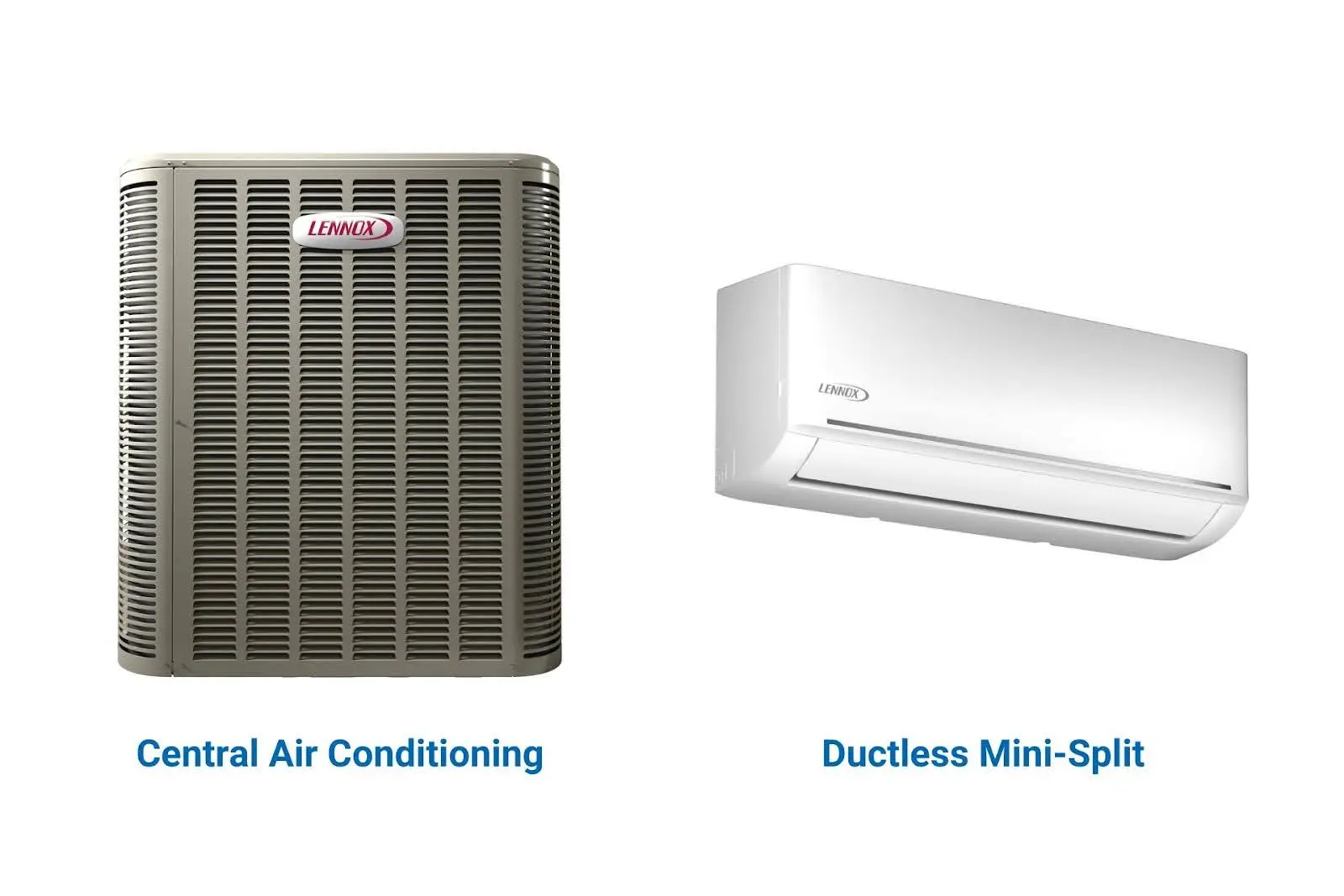
For larger households or those who want individualized room-by-room temperature control, a multi-zone ductless mini split system is the stronger choice. These advanced systems empower homeowners to fine-tune the climate in different zones independently, ensuring personalized comfort throughout the entire living space. With the ability to manage multiple zones, you can also optimize energy usage and maintain the exact temperature you prefer in each room.
Key factors to consider include the total square footage of your home, the number of rooms you need to condition individually, and your overall heating and cooling demands. By choosing the right ductless mini split system based on your unique situation, you unlock enhanced comfort, superior energy efficiency, and a climate control solution that truly fits your lifestyle.
Featured Product
Senville 36000 BTU Dual Zone Mini Split
Take control of your home comfort with a powerful dual zone ductless system — heat and cool two separate areas with one efficient outdoor unit.
Senville 36000 BTU Dual ZoneFrequently Asked Questions About Dual Zone Ductless Mini Splits
Ready to upgrade your home's climate control?
Senville 36000 BTU Dual Zone© Backyard Provider • Your Trusted Source for Home Comfort Solutions