

In the world of HVAC systems, single-zone mini splits and multi-zone mini splits are two popular choices among homeowners. These ductless solutions give you the flexibility to cool or heat specific areas within your property. They stand out because of their installation simplicity, energy efficiency, and ability to offer personalized climate control room by room.
But when the time comes to decide between a single-zone or a multi-zone mini split, what should you consider? This guide explores everything you need to know, from system basics and performance comparisons to sizing guidance and real-world value.
What Is the Zone Control System?
A zone control system lets you regulate the temperature independently across different rooms or areas in your home. Rather than relying on one thermostat that governs the entire house, zone control divides your living space into distinct climate areas, or "zones." Each zone gets its own thermostat or controller, allowing occupants to set different temperatures in different rooms based on personal preferences or room usage.
How Does a Zone Control System Work?
The central concept is straightforward. Each zone in your home connects to its own indoor air handling unit. In a conventional forced-air setup, dampers in the ductwork direct airflow to specific rooms. But with a mini split system, each room gets a dedicated wall-mounted, ceiling-installed, or floor-standing unit. The outdoor compressor communicates with each indoor unit independently, so you can cool your living room to 72°F while keeping the bedroom at 68°F — all without one area affecting the other.

Pro Tip: Zone control is especially valuable in homes with multiple stories, open floor plans, or rooms with large windows that gain more heat throughout the day.
What Is a Single Zone Mini Split?
A single-zone mini split is a compact and efficient system designed to condition one specific area. This type of setup consists of a single outdoor compressor paired with one indoor air handler. It is a straightforward choice when you need climate control in a studio apartment, a converted garage, a home office, or any individual room that lacks existing ductwork.
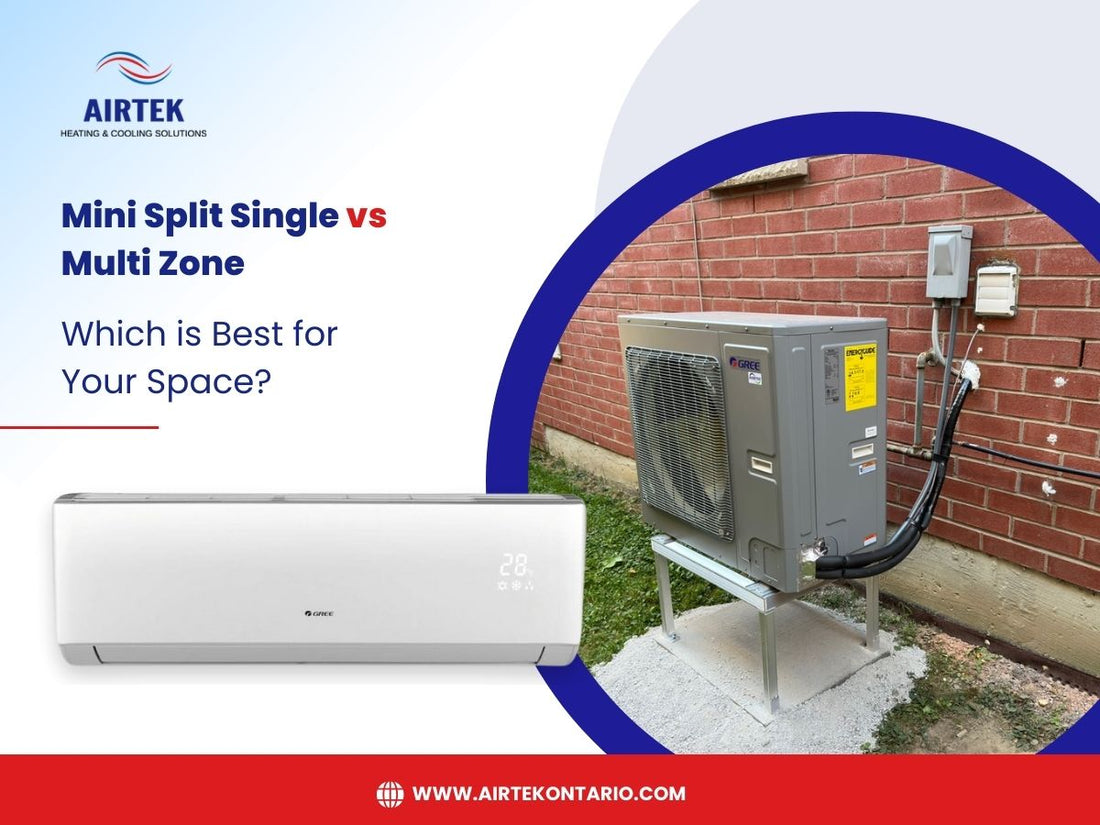
The outdoor unit houses the compressor, condenser coil, and expansion valve. The indoor unit contains the evaporator coil and blower fan. A set of refrigerant lines and a small conduit connect the two. Installation typically requires only a 3-inch hole through the wall, making it a far less invasive option compared to traditional ducted systems.

What Is a Multi-Zone Mini Split?
A multi-zone mini split takes the same fundamental concept and scales it. Instead of serving just one room, this system features a single outdoor compressor connected to multiple indoor air handlers — typically between two and eight units, depending on the model and capacity. Each indoor unit operates independently, giving you full climate control across several rooms or zones simultaneously.
The beauty of a multi-zone system lies in its ability to deliver individualized temperature control for each room. A family member who prefers cooler temperatures can set their bedroom thermostat lower while someone else keeps the living area warmer. The outdoor compressor powers all the indoor units, yet each one responds to its own remote or thermostat.
Pros and Cons of Single Zone Mini Splits
Before committing to a single-zone configuration, it helps to weigh the benefits against the limitations so you can make a well-informed choice.
✓ Pros
- Lower Upfront Cost — A single-zone unit requires fewer components than multi-zone setups. The overall investment is lower, making it a budget-friendly choice for targeted climate control in a single area.
- Energy Efficiency — Because the system focuses on conditioning one space, there is minimal energy waste. You cool or heat only where you need it, rather than spending resources on unoccupied rooms.
- Straightforward Installation — The installation process is simpler, quicker, and generally more affordable. Fewer refrigerant lines, one indoor unit, and one outdoor unit mean less labor and fewer parts.
- Ideal for Specific Applications — Single-zone systems are a smart fit for garages, workshops, sunrooms, home additions, and server rooms that need dedicated temperature management.
✗ Cons
- Limited Coverage — A single-zone system can only manage the climate in one room. If you need cooling or heating in multiple rooms, you would need to purchase and install separate systems for each space.
- Higher Cumulative Cost for Expansion — If your needs grow over time and you install multiple single-zone units, the combined cost of individual outdoor compressors and installation can exceed what a multi-zone solution would have cost from the start.
- Outdoor Space Considerations — Each single-zone system requires its own outdoor condenser. Multiple systems mean multiple outdoor units, which can take up space and create a cluttered exterior appearance.
Pros and Cons of Multi-Zone Mini Splits
Multi-zone systems offer broader reach, but they come with their own set of trade-offs. Understanding both sides helps you determine if this is the right path for your home.
✓ Pros
- Room-by-Room Temperature Control — Multi-zone splits let you assign unique temperature settings to each room. This means every occupant can enjoy their preferred comfort level without compromising.
- Single Outdoor Unit — Instead of cluttering your property with several condensers, a multi-zone system uses just one outdoor unit. This preserves curb appeal and saves valuable exterior space.
- Greater Energy Efficiency at Scale — Modern multi-zone systems use inverter-driven compressors that adjust output based on demand. When only one or two rooms call for cooling, the compressor scales down, delivering impressive overall energy savings.
- Flexible Indoor Unit Options — You can mix and match wall-mounted, ceiling cassette, floor-standing, or concealed duct indoor units depending on each room's layout and design preferences.
✗ Cons
- Higher Initial Investment — The cost of a multi-zone system is greater upfront compared to a single-zone model. The outdoor unit must be robust enough to power multiple indoor units, and installation involves more refrigerant lines and electrical connections.
- More Complex Installation — Running refrigerant lines to several rooms requires experienced technicians and more labor hours. The installation process is longer and may involve more disruption during setup.
- Maintenance Across Multiple Units — With more indoor units in operation, routine maintenance tasks like filter cleaning, coil inspection, and drain line checks multiply. Each unit needs individual attention to stay in peak condition.
How Many Mini Splits Do I Need?
Figuring out the right number of mini split units for your home comes down to a few key factors. Here is a practical approach to calculating what you need:
Step 1: Determine the Number of Zones
Walk through your home and count the rooms or spaces where you want independent temperature control. Each room with its own climate needs is considered one zone. Pay special attention to areas that tend to be naturally warmer or cooler than the rest of the house — those zones may benefit most from dedicated units.
Step 2: Measure Each Room's Square Footage
Accurate measurements are essential. Multiply the length by the width of each room to get the square footage. This number directly impacts the BTU capacity you will need for each zone.
Step 3: Match the BTU Rating to the Room Size
Use the following general sizing guidelines to determine the appropriate BTU output for each room. Keep in mind that factors such as ceiling height, insulation quality, sun exposure, and local climate can shift these numbers.
| Room Size (sq. ft.) | Recommended BTU |
|---|---|
| 150 – 300 sq. ft. | 9,000 BTU |
| 300 – 500 sq. ft. | 12,000 BTU |
| 500 – 700 sq. ft. | 15,000 BTU |
| 700 – 1,000 sq. ft. | 18,000 BTU |
| 1,000 – 1,200 sq. ft. | 24,000 BTU |
| 1,200 – 1,500 sq. ft. | 30,000 BTU |
| 1,500+ sq. ft. | 36,000+ BTU |
Quick Rule of Thumb: As a general estimate, you will need roughly 20 BTU per square foot. Rooms with high ceilings, poor insulation, or significant sun exposure may require 25 BTU per square foot or more.

Are Multi-Zone Mini Splits Worth It?
The short answer is: for many homeowners, absolutely. Multi-zone mini splits provide a compelling combination of comfort, efficiency, and flexibility that traditional HVAC systems often struggle to match. But whether a multi-zone system is right for your home depends on your specific circumstances.
If you live in a house with multiple bedrooms, a home office, and shared living areas, a multi-zone setup lets everyone stay comfortable on their own terms. The energy savings from only conditioning occupied rooms can offset the higher initial cost over time. Many modern multi-zone systems also carry ENERGY STAR ratings and qualify for utility rebates, further reducing the overall investment.
On the other hand, if you only need climate control in a single room or a small addition, a single-zone system is more practical and cost-effective. There is no sense in paying for multi-zone capacity when your needs are straightforward.
HVAC Systems vs Multi-Zone Splits
Conventional HVAC systems rely on ductwork to distribute conditioned air throughout the house from a central unit. While effective in many situations, they come with a notable disadvantage: they treat the entire home as a single temperature zone unless you invest in additional zoning equipment. Energy is wasted cooling or heating unoccupied rooms, and duct leaks can reduce efficiency by 20–30%.
Multi-zone mini splits eliminate ductwork entirely. Each room gets its own dedicated air handler, so energy goes exactly where it is needed. There are no ducts to leak, no wasted airflow, and no fighting over the thermostat. For older homes without existing ductwork, or for homeowners looking to supplement a central system, multi-zone splits offer a highly efficient alternative.
Single-Zone vs Multi-Zone: The Bottom Line
If your goal is to condition a single room or dedicated space, a single-zone system delivers excellent performance at a lower cost. If you want whole-home comfort with individual room control, a multi-zone system provides flexibility that traditional HVAC simply cannot match. Your ideal choice depends on the size of your home, the number of rooms you want to condition, your budget, and your long-term comfort goals.
Conclusion
Single-zone and multi-zone mini split systems each serve a distinct purpose. Single-zone units are ideal when you need focused, affordable climate control for one specific area — a garage, a sunroom, an attic conversion, or a home office that runs hot in summer. They are easy to install, energy-efficient for their scope, and budget-friendly.
Multi-zone systems step up when you need comprehensive comfort across multiple rooms. They reduce outdoor clutter to a single condenser, deliver room-by-room temperature control, and operate with impressive energy efficiency thanks to inverter technology. The higher upfront investment pays dividends in long-term savings and daily comfort.
For homeowners weighing their options, the right choice comes down to how many spaces you want to condition and how much flexibility you need. Evaluate your home's layout, think about your household's temperature preferences, and consider your budget for both installation and ongoing energy costs. With the right system in place, you will enjoy efficient, reliable comfort all year round.