
It comes to keeping your home comfortable throughout the year, few solutions rival the versatility and efficiency of a dual zone mini split system. Whether you are battling sweltering summer heat or enduring bone-chilling winter evenings, these ductless systems give you precise climate control in two distinct areas of your home — all from one compact outdoor unit. Gone are the days of arguing over the thermostat or wasting energy heating rooms nobody is using.
A dual zone mini split air conditioner and heat pump brings a modern approach to home climate management. Instead of forcing conditioned air through lengthy ductwork (which can lose up to 30% of energy along the way), these systems deliver warm or cool air directly to the rooms that need it. The result? Lower utility bills, reduced environmental impact, and the kind of comfort that makes every corner of your house feel just right.
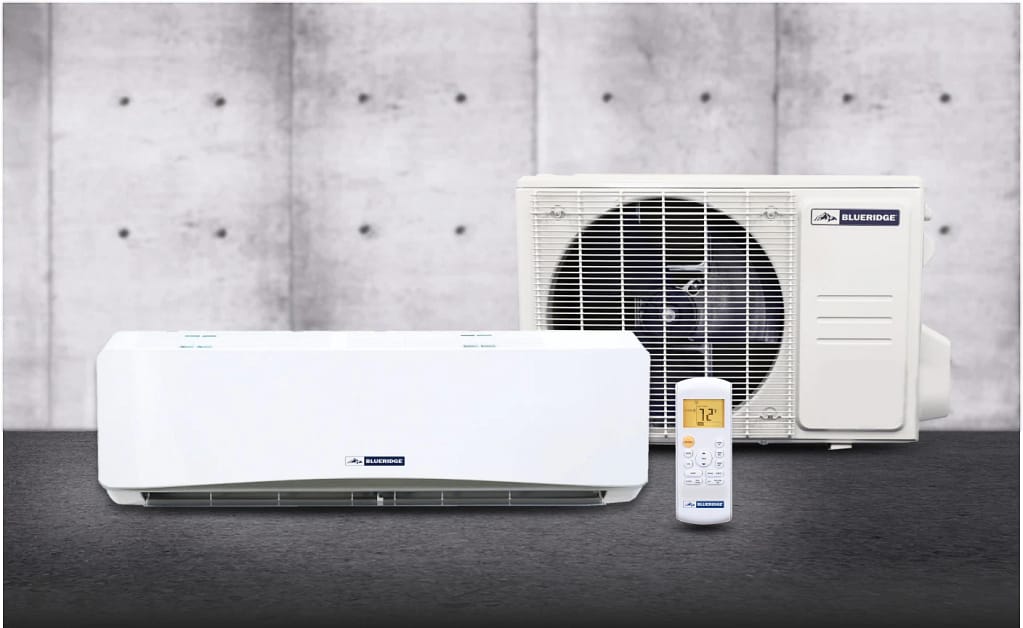
What Exactly Is a Dual Zone Mini Split System?
A dual zone mini split is a type of ductless HVAC system composed of a single outdoor compressor unit connected to two separate indoor air handling units. Each indoor unit operates independently, meaning you can set one bedroom to a cool 68°F while keeping your living room at a cozy 74°F — simultaneously and without conflict.
The "mini split" name refers to the fact that the system is split between an outdoor component (which houses the compressor and condenser) and the indoor components (which distribute the conditioned air). Thin refrigerant lines and wiring connect the two through a small opening in the wall, eliminating the need for bulky ductwork entirely.
This setup is ideal for homeowners who want room-by-room temperature control without the complexity and cost of a traditional central HVAC system. It is also a fantastic solution for additions, converted garages, sunrooms, and spaces where running ductwork would be impractical or cost-prohibitive.
Key Benefits That Make Dual Zone Systems Stand Out
Personalized Comfort in Every Zone
Each indoor unit comes with its own remote control or thermostat, allowing occupants of different rooms to select their preferred temperature. A couple who disagrees on the ideal sleeping temperature can finally find harmony — one zone cool, the other warm, and no compromises needed.
Remarkable Energy Efficiency
Mini split systems use inverter-driven compressors that adjust speed based on real-time demand rather than cycling on and off like traditional units. This means less energy wasted and noticeably lower monthly bills. Many dual zone models achieve SEER ratings of 20 or higher, placing them among the most energy-efficient HVAC solutions on the market.
Simple, Non-Invasive Installation
Without the need for ductwork, installation is considerably faster and less disruptive than fitting a central system. A small three-inch hole through the wall is all that is needed to connect each indoor unit to the outdoor compressor. Most professional installations can be completed in a single day.
Whisper-Quiet Operation
Indoor units typically operate at noise levels as low as 25 decibels — quieter than a whispered conversation. This makes them perfect for bedrooms, nurseries, home offices, and any space where peace and quiet are valued above all else.
Dual Functionality: Cooling and Heating
A heat pump mini split does not just cool — it reverses its refrigeration cycle in winter to extract heat from outdoor air and deliver it inside. This means you get a complete year-round climate solution from one system, eliminating the need for separate air conditioning and heating equipment.
How Does a 36000 BTU Dual Zone System Work?
A 36,000 BTU system provides substantial heating and cooling capacity — enough to comfortably condition two medium to large rooms. The BTU (British Thermal Unit) rating indicates the total thermal energy the system can transfer per hour, and 36,000 BTUs is a solid benchmark for covering roughly 1,500 to 2,000 square feet of living space across two zones.
The outdoor compressor pressurizes refrigerant and circulates it through insulated copper lines to the indoor units. During cooling mode, the indoor units absorb heat from the room air and transfer it outside. In heating mode, the process reverses: the system extracts heat energy from the outdoor air (even in cold temperatures) and pumps it indoors.
Each indoor unit is equipped with its own expansion valve and fan, allowing it to regulate temperature independently. Advanced inverter technology ensures the compressor runs continuously at variable speeds rather than abruptly switching on and off, which improves efficiency, extends the life of the system, and maintains a more stable, consistent temperature throughout your home.
Ideal Scenarios for a Dual Zone Mini Split
🏠 Home Additions
Expanding your living space with a new room or converted garage? A dual zone system lets you climate-control the new area along with an adjacent room without modifying existing ductwork.
🛏️ Multi-Bedroom Comfort
Install one unit in the master bedroom and another in a child's room or guest suite. Everyone enjoys their ideal sleeping temperature without affecting other areas of the home.
💼 Home Office Setups
Remote work demands a distraction-free environment. A dedicated zone for your office ensures cool, quiet airflow during work hours without over-cooling the rest of the house.
🏡 Sunrooms & Workshops
Spaces like sunrooms, detached workshops, and above-garage rooms are notorious for extreme temperatures. A mini split handles these challenging environments with ease.
Installation: What to Expect
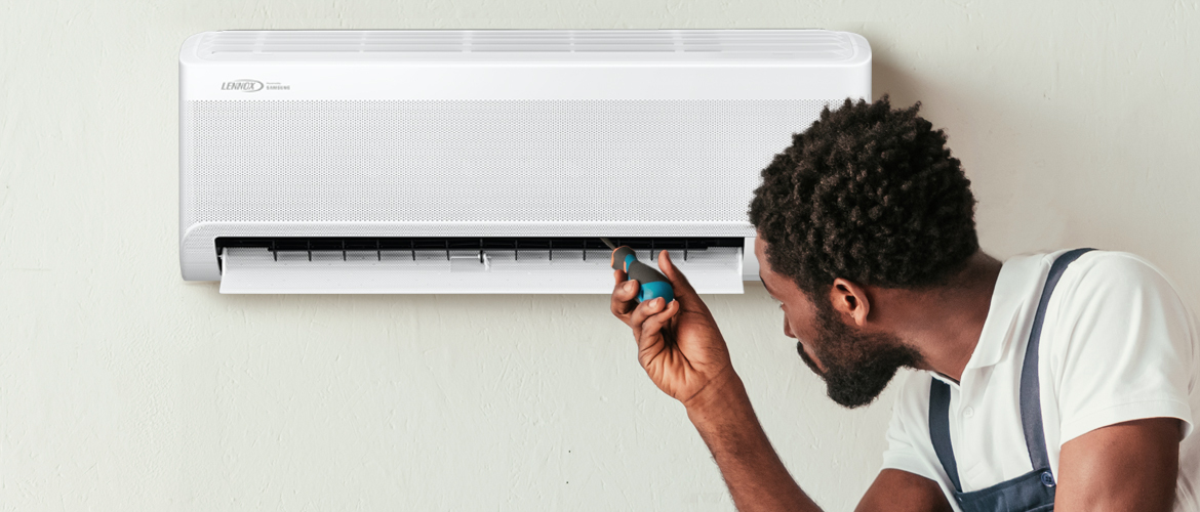
One of the most appealing aspects of mini split installation is its simplicity. While we always recommend hiring a licensed HVAC technician, the process itself is far less involved than installing a traditional ducted system. Here is a general overview of what the installation looks like:
Selecting Indoor Unit Locations — Choose wall positions in the two rooms where you want climate control. Units should be mounted high on the wall for optimal air distribution and away from direct sunlight or heat sources.
Drilling the Line Set Passage — A small hole (roughly three inches in diameter) is drilled through the exterior wall behind each indoor unit. This passage accommodates the refrigerant lines, drainage tube, and electrical wiring.
Mounting and Connecting — The indoor units are secured to their mounting plates, the outdoor unit is positioned on a stable pad or wall bracket, and the refrigerant lines are connected and sealed. A vacuum pump removes moisture and air from the line set before the system is charged.
Testing and Commissioning — The technician powers on the system, verifies proper airflow, checks refrigerant pressure levels, and confirms both zones are heating and cooling correctly. A final walkthrough covers remote control operation and maintenance basics.
Maintenance Tips for Long-Lasting Performance
Keeping your dual zone mini split running smoothly is surprisingly straightforward. A little routine care goes a long way toward ensuring peak efficiency and extending the lifespan of your investment.
Clean the filters regularly. Most indoor units feature washable filters that should be removed and rinsed every two to four weeks during heavy use periods. Clogged filters restrict airflow, reduce efficiency, and can degrade indoor air quality.
Keep the outdoor unit clear. Ensure there is at least two feet of clearance around the condenser unit. Remove leaves, debris, snow buildup, and anything that might obstruct airflow to the coils.
Schedule annual professional service. A licensed technician should inspect the system once a year to check refrigerant levels, clean the coils, verify electrical connections, and ensure everything is operating within manufacturer specifications.
Inspect the condensate drain. Each indoor unit produces moisture during cooling mode that drains through a small line. Make sure these drain lines remain clear to prevent water damage or mold growth.
Why the Senville 36000 BTU Dual Zone Is a Smart Investment
Not every mini split is created equal. The Senville SENA/36HF/D stands apart thanks to a combination of robust capacity, advanced features, and proven reliability that homeowners genuinely appreciate. With 36,000 BTUs of total power distributed across two indoor units, this system comfortably handles large rooms, open-plan living areas, and even challenging spaces that other systems struggle with.
Senville builds this model with high-efficiency inverter technology, ensuring the compressor adjusts output continuously for optimal performance. This translates to less energy consumed, quieter operation, and a longer system lifespan compared to conventional fixed-speed units. Additionally, the built-in heat pump capability means you will stay warm in winter without needing a secondary heating system.
Other notable features include a programmable timer, multiple fan speeds, sleep mode for nighttime comfort, an auto-restart function after power outages, and a washable filter system that keeps maintenance hassle-free. The sleek, modern design of the indoor units blends seamlessly with virtually any interior decor.
Understanding Energy Efficiency Ratings
When shopping for a mini split, you will encounter terms like SEER, EER, and HSPF. Understanding what these mean helps you make a more informed purchase decision and accurately estimate your long-term energy savings.
SEER (Seasonal Energy Efficiency Ratio) measures the total cooling output over a typical cooling season divided by the total energy consumed. A higher SEER rating means more cooling per dollar of electricity. The current federal minimum is 14 SEER for new systems, but premium mini splits regularly exceed 20 SEER.
EER (Energy Efficiency Ratio) measures efficiency at a single peak operating condition rather than across an entire season. It is useful for comparing performance during the hottest days when your system works hardest.
HSPF (Heating Seasonal Performance Factor) applies specifically to the heating function. It represents the total heating output over a heating season divided by electricity consumed. An HSPF of 10 or above indicates excellent heating efficiency.
Mini Split vs. Traditional Central Air: How They Compare
Many homeowners wonder whether a mini split is truly a better choice than a traditional central air conditioning system. The answer depends on your specific situation, but there are several areas where ductless systems hold a clear advantage.
Central air systems rely on a network of ducts to distribute air throughout the home. These ducts can develop leaks, accumulate dust, and lose a significant percentage of conditioned air before it ever reaches your living spaces. Ductless mini splits bypass all of these issues by delivering air directly where it is needed.
Central systems also offer only a single thermostat for the entire home, meaning one temperature setting governs every room. With a dual zone mini split, you get independent control in two zones, preventing the all-too-common problem of some rooms being too hot while others feel too cold.
From a cost perspective, mini splits are typically less expensive to install (especially when no ductwork exists) and considerably cheaper to operate month over month. The upfront investment pays for itself through energy savings in most cases within just a few years.
Frequently Asked Questions
Can a dual zone system heat and cool different rooms at the same time?
Most dual zone mini splits allow each indoor unit to operate in the same mode (both cooling or both heating). Some advanced models do support simultaneous heating and cooling across zones, but this varies by manufacturer and model. The Senville SENA/36HF/D allows independent temperature settings per zone within the same operating mode.
How long does a mini split typically last?
With proper installation and regular maintenance, a quality mini split system can last 15 to 20 years or more. Inverter-driven compressors experience less mechanical stress than conventional units, which contributes to their impressive longevity.
Do mini splits work in extremely cold climates?
Modern heat pump mini splits are engineered to provide effective heating even in temperatures well below freezing. Many units operate efficiently down to -15°F or lower, making them viable even in northern climates. Performance does decrease as temperatures drop further, so supplementary heating may be advisable in the most extreme conditions.
Is it possible to install a mini split myself?
While some handy homeowners do take on DIY installation, we strongly recommend using a licensed HVAC professional. Improper installation can void manufacturer warranties, result in refrigerant leaks, and cause the system to perform poorly. A trained technician ensures everything is done safely and correctly.
Ready to Transform Your Home Comfort?
Experience the difference that personalized, energy-efficient climate control makes in your daily life. Explore the Senville 36000 BTU Dual Zone Mini Split today.
This article is intended for informational purposes only. Always consult a licensed HVAC professional before making installation decisions. Product specifications and availability are subject to change.