
When it comes to choosing between a mini split and a central air system, the decision can feel overwhelming. Both offer reliable climate control, but they differ significantly in terms of how they operate, what they cost, and the kind of comfort they deliver. Whether you're upgrading your current setup, building a new home, or adding climate control to a specific area, understanding the strengths and weaknesses of each system is key to making a sound investment.
With a growing number of homeowners exploring energy-efficient options, this choice has become more important than ever. Some prioritize whole-home comfort while others are looking for targeted temperature control in particular rooms. Let's walk through the essential details so you can find the solution that fits your living space, budget, and lifestyle.

What Exactly Is a Ductless Mini Split?
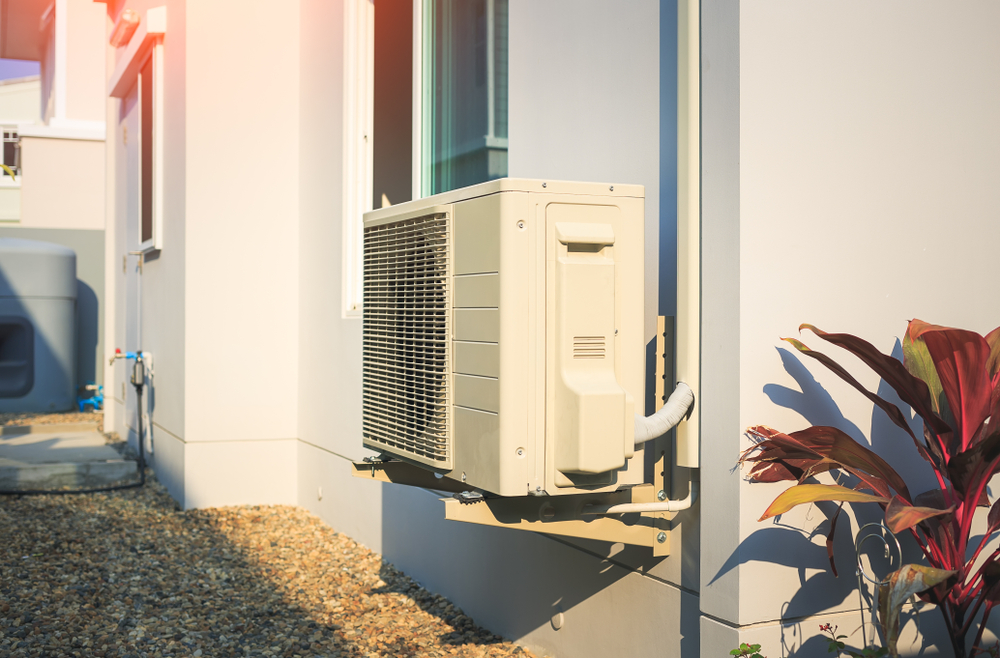
A ductless mini split is a heating and cooling system that operates without the need for traditional ductwork. It consists of two core components: an outdoor compressor unit and one or more indoor air-handling units. The indoor and outdoor components are connected by a conduit that houses the power cable, refrigerant lines, and a drain line. This streamlined setup makes it an attractive option for homeowners who want efficient climate control without the hassle of installing ducts throughout the house.
These systems are particularly well-suited for room additions, converted garages, finished attics, or older homes that lack existing ductwork. Because each indoor unit can be independently controlled, mini splits give you the ability to customize temperatures in different rooms — commonly referred to as "zone control." This means you're only conditioning the spaces you're actively using, which can significantly reduce wasted energy.
Advantages of a Ductless Mini Split
Mini splits avoid the energy loss associated with ductwork, which can account for up to 30% of a central system's energy consumption. By delivering conditioned air directly to each zone, they operate more efficiently and help lower monthly utility bills.
Each indoor unit operates independently, letting you heat or cool only the areas that need it. This personalized approach keeps everyone comfortable without conditioning empty rooms.
Installation requires just a small hole in the wall to connect the indoor and outdoor units — no need to tear into ceilings or walls for ductwork. This makes mini splits ideal for retrofitting older homes or adding comfort to new spaces.
Indoor units can be wall-mounted, ceiling-recessed, or placed as floor-standing consoles. This versatility makes it easy to integrate them into virtually any room layout without compromising interior design.
Ductless systems are known for running remarkably quietly. The indoor units produce minimal noise, and the main compressor sits outside, keeping your indoor environment peaceful and undisturbed.
Without ducts collecting dust, allergens, and pollutants, mini splits tend to circulate cleaner air. Many models include multi-stage filtration that captures particles and reduces airborne contaminants.
Pro Tip: If your home has rooms that are always too hot or too cold, a ductless mini split can solve the problem without requiring you to overhaul your existing HVAC infrastructure. It's a targeted, cost-effective fix.
Drawbacks of a Ductless Mini Split
While efficient long-term, the per-unit cost can add up when you need multiple indoor units. For larger homes requiring whole-house coverage, the initial investment may rival or exceed that of a central system.
Wall-mounted units are functional, but not everyone appreciates their appearance. While modern designs have become sleeker, they're still visible on the wall, which may not blend perfectly with every décor style.
Each indoor unit needs its own filter cleaning and periodic servicing. The more zones you have, the more upkeep is needed to keep the system running at peak performance.
Mini splits work best in defined areas. For open-concept layouts or very large rooms, a single indoor unit may struggle to distribute air evenly without supplemental support.
What Is Central Air Conditioning?
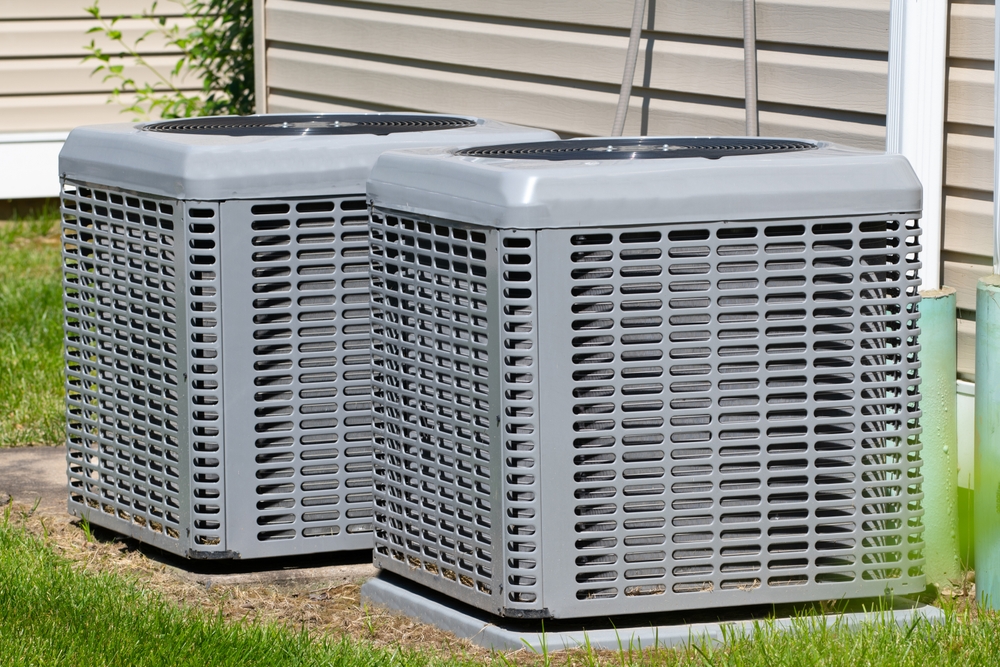
Central air conditioning is a whole-home cooling system that uses a network of ducts to distribute conditioned air throughout every room in the house. It typically includes an outdoor unit containing the compressor and condenser, an indoor evaporator coil (often paired with a furnace), and the duct system that channels cooled air through vents in each room.
This type of system has been the standard in American homes for decades. It's designed to maintain a uniform temperature across the entire house with a single thermostat controlling the whole operation. Central air is particularly effective in larger homes or new construction where ductwork is already part of the building plan.
Advantages of Central Air Conditioning
Central air delivers consistent temperatures to every room simultaneously. If you want uniform comfort throughout a larger home without installing separate units, it's a straightforward and effective solution.
All the hardware — ducts, vents, and air handlers — stays concealed behind walls and ceilings. This gives your rooms a clean, uncluttered appearance with no visible equipment.
Homes with central air conditioning tend to appraise higher and sell faster. Buyers often expect it as a standard feature, making it a smart investment for resale value.
Central systems integrate seamlessly with programmable and smart thermostats, giving you automated scheduling, remote control, and energy usage data at your fingertips.
Central air units come in a variety of sizes and efficiency ratings, making it easy to match a system to your specific home size and climate needs.
Drawbacks of Central Air Conditioning
Ducts running through unconditioned spaces like attics or crawlspaces lose a substantial amount of cooled air before it reaches your living areas. This inefficiency drives up energy costs over time.
If your home doesn't already have ductwork, installing it can be a major construction project. Retrofitting ducts into an existing structure can cost thousands of dollars on top of the unit itself.
A standard central system uses one thermostat, meaning every room gets the same treatment. Rooms with more sun exposure or different insulation levels may still feel too warm or too cool.
Ducts require periodic cleaning to prevent the buildup of dust, mold, and allergens. Neglected ductwork can circulate pollutants throughout your home and reduce system performance.
Side-by-Side Comparison
| Feature | Ductless Mini Split | Central Air |
|---|---|---|
| Installation | Minimal — small wall opening | Extensive — requires full duct system |
| Energy Efficiency | High — no duct losses | Moderate — duct losses up to 30% |
| Zone Control | Yes — each unit independent | No — single thermostat standard |
| Upfront Cost | Moderate per zone, adds up | High if ducts needed, lower if existing |
| Aesthetics | Visible indoor units | Hidden behind walls/ceilings |
| Best For | Additions, older homes, spot cooling | Whole-home, new builds, large spaces |
| Noise Level | Very quiet indoors | Moderate — duct airflow noise |
| Air Quality | Better — no duct contaminants | Depends on duct cleanliness |
Total Comfort: How to Choose the Right System
Selecting the right cooling system ultimately comes down to your home's specific characteristics and your personal priorities. Neither option is universally better — each excels in different circumstances. The best approach is to evaluate your home's layout, your budget for both upfront and ongoing costs, and the level of comfort control you want.
If your home already has ductwork in good condition and you want seamless whole-house cooling with a clean aesthetic, central air is likely the more practical route. However, if you're dealing with a home that lacks ducts, want precise room-by-room temperature control, or need to add cooling to a specific area like a workshop, sunroom, or converted space, a ductless mini split is often the smarter choice.
Many homeowners are also finding that a hybrid approach works best — using central air for the main living areas while adding a mini split to handle problem zones that the central system can't reach effectively. This combination delivers the best of both worlds.
Key Takeaway: There's no one-size-fits-all answer. Consider the age of your home, existing infrastructure, energy efficiency goals, and which rooms need the most attention. The right system is the one that delivers comfort without unnecessary waste.
Ready to Upgrade Your Comfort?
If you've been dealing with uneven temperatures, high energy bills, or an aging system that just can't keep up, now is the time to explore your options. A ductless mini split offers targeted, energy-efficient comfort that puts you in complete control — zone by zone. Browse our selection to find the perfect fit for your space.

Final Thoughts
Both ductless mini splits and central air conditioning have earned their place as reliable home comfort solutions. Central air remains the go-to for whole-house coverage in homes with existing ductwork, while mini splits have rapidly gained ground as the preferred option for targeted efficiency and flexible installation. Understanding where each system shines — and where it falls short — empowers you to invest wisely in long-term comfort.
Whatever direction you choose, prioritize energy efficiency, proper sizing, and professional installation to get the most out of your system. Your home is your retreat, and the right climate control setup makes all the difference in turning it into a space you truly enjoy year-round.