
Discover everything you need to know about ductless cooling systems, from planning and preparation to professional installation tips for your home.

When summer temperatures rise, the comfort of your home depends heavily on a dependable cooling system. If you're exploring a more efficient and adaptable cooling option, you might want to learn how to install a mini split air conditioner. These compact, ductless systems have become increasingly popular among homeowners due to their efficiency and quiet performance. Here's your comprehensive guide on how to install a split AC unit, whether you're a hands-on DIY enthusiast or considering hiring a professional.
📌 Key Takeaways
- Mini split air conditioners offer significant advantages over traditional central AC systems, including energy efficiency, customizable settings, and whisper-quiet operation.
- Understanding the installation process for a mini split AC system helps you decide whether to tackle the project yourself or hire a professional.
- Learn how a mini split AC can give you complete control over the climate in your home while potentially reducing energy costs.
Factors to Consider
Before starting the task of installing a mini split air conditioner, it's essential to understand several important aspects of these systems and what makes them an excellent choice for many homeowners.
The Advantages of a Mini Split Air Conditioner
Beyond their straightforward installation, mini split ACs are well-known for several distinct benefits that set them apart from traditional cooling solutions:
Energy Efficiency
Ductless design eliminates energy losses associated with traditional ducted systems, reducing utility bills significantly.
Customizable Settings
Zone-based cooling allows you to control temperatures independently in different rooms for personalized comfort.
Quiet Operation
Mini splits operate at whisper-quiet noise levels, perfect for bedrooms, offices, and living spaces.
These advantages make mini split systems a superior choice compared to traditional central air conditioning units in many residential applications.
Selecting the Right Size and Capacity
If you're considering how to install a mini split air conditioner effectively, start by choosing a unit that matches your space requirements. Consider factors such as room size, insulation quality, and heat load. Consulting with a reputable HVAC installer can help you determine the optimal capacity for your needs.
Installation Requirements
When you're preparing to install a split AC unit, consider aspects like the positioning of the indoor and outdoor units, electrical needs, mounting options, and correct refrigerant line sizing. For safety and efficiency, consult with professional HVAC technicians experienced in mini split installations. With these factors in mind, you can make a well-informed decision about how to install a ductless air conditioner.
The Installation Process
For those wondering how to install a mini split air conditioner themselves, here's a step-by-step guide:
Preparation
Gather necessary tools such as a drill, screwdriver, level, measuring tape, wrenches, and electrical testing equipment. Choose an ideal spot for your indoor unit and designate an electrical outlet. Note: You may need to have an electrician run a dedicated circuit to the system depending on the requirements shown in the installation guide.
Installing the Indoor Unit
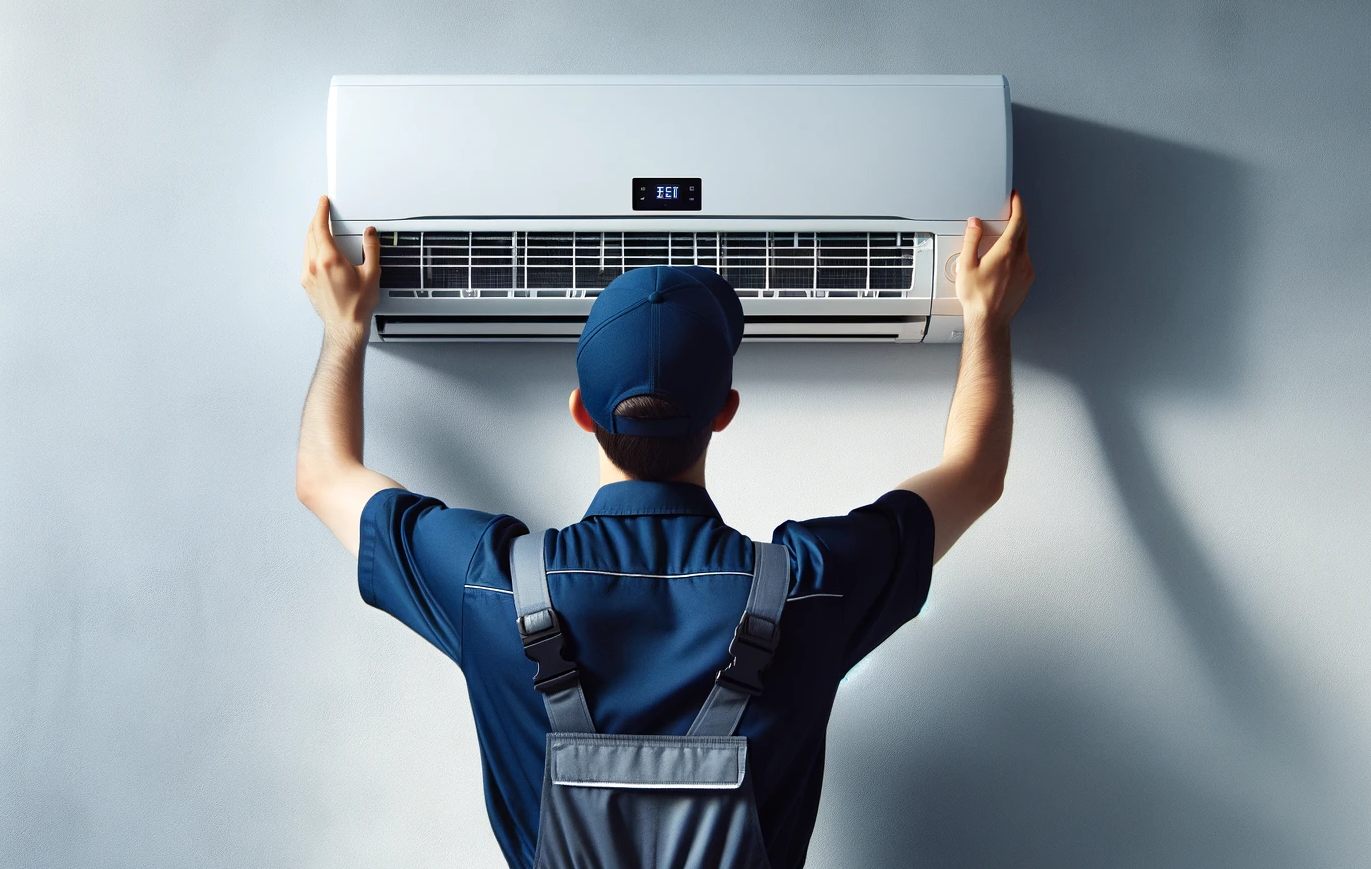
Follow the manufacturer's instructions to mount the indoor unit securely. Use a level to ensure it's straight. Drill a hole to pass the refrigerant lines through and connect them to the indoor unit. Make sure the lines are properly insulated and free from kinks or bends.
Mounting the Outdoor Unit
Choose a well-ventilated location for the outdoor unit, away from direct sunlight or heat sources. Secure the unit using appropriate brackets. Connect the refrigerant lines and electrical components, adhering to the manufacturer's guidelines.
⚠️ Important Safety Warning
Have a contractor drill holes through walls in your home to avoid hitting electrical wiring and pipes inside the wall. It's critical to consult a qualified electrician to ensure proper electrical connections and compliance with local codes.
Professional Assistance and Maintenance
While some homeowners may feel comfortable with a simple installation, more complex systems often call for professional expertise. Consider the importance of proper installation for the optimal performance and longevity of your mini split air conditioner.
If you're unsure about any aspect of how to install a split AC unit, lack the required tools, or have concerns about electrical wiring or refrigerant lines, it's best to hire a professional HVAC installation company.
If you're experiencing a problem with your AC, schedule repair with qualified HVAC technicians who are committed to providing exceptional service and support throughout your HVAC journey.
Ready to Upgrade Your Home Comfort?
Explore our premium selection of mini split air conditioners designed for efficient, quiet, and customizable cooling.
Shop Senville AURA 18000 BTU Mini SplitFrequently Asked Questions
Can I install a mini-split myself?
It involves electrical wiring, refrigerant lines, and correct vacuuming. Most experts recommend professional installation to avoid improper setup or voided warranties.
Where should the indoor unit go?
High on a wall or near the ceiling for optimal airflow. Avoid placing units with minimal obstructions to ensure proper air circulation throughout the room.
Do I need special permission for the outdoor unit?
Some communities have placement rules. Check local codes and ensure your placement meets clearance requirements before installation.
Is it important to size the system correctly?
Absolutely. An undersized unit won't cool effectively, while an oversized unit will cycle too frequently, reducing efficiency and comfort. Professional sizing calculations are recommended.