
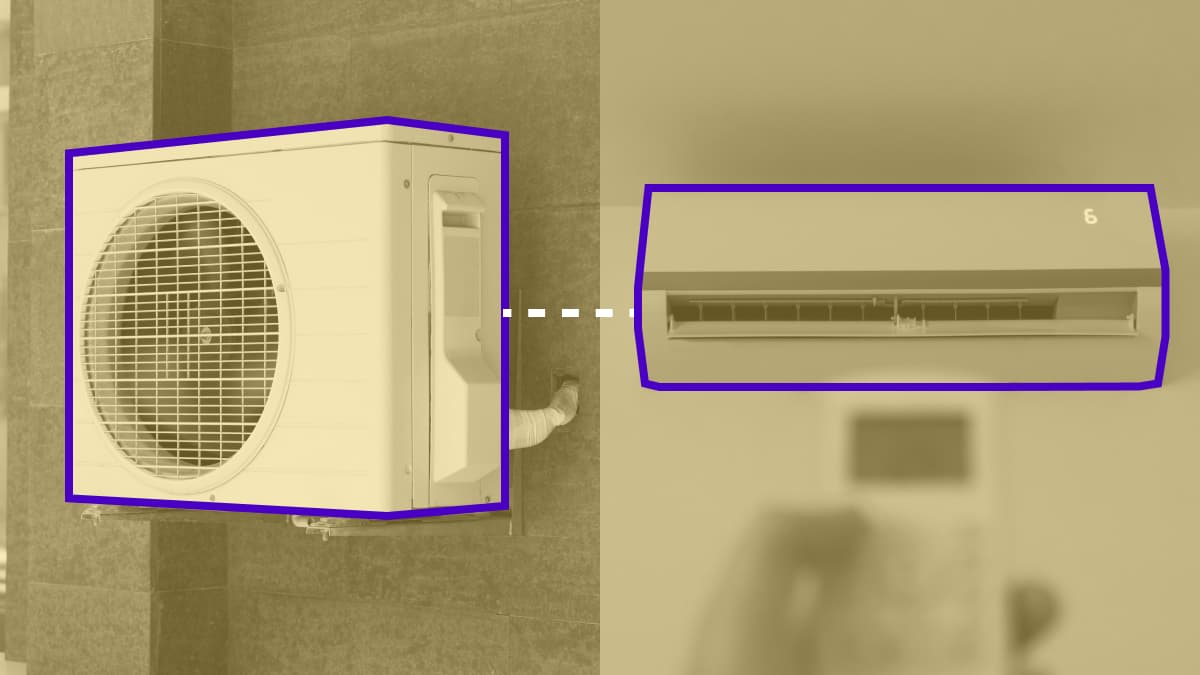
Meet the Mini-Split
Forced-air systems push conditioned air through a network of ducts to heat or cool your home. Mini-splits take a different approach — delivering comfort exactly where you need it, room by room, without a single duct in sight. Whether you call them ductless heat pumps, mini-splits, or just "that quiet thing on the wall," these systems have quietly become one of the most popular ways to heat and cool modern homes.
A mini-split (or "ductless") system is simply a heat pump that skips the ductwork entirely. Units mount high on walls or in ceilings and connect directly to an outdoor compressor through a small refrigerant line. Because each zone is independent, you control the temperature in every room separately — no more household debates over the thermostat.

Beyond temperature control, mini-splits tend to run more efficiently than ducted systems, which can lose a significant portion of conditioned air through leaks in the ductwork. With a mini-split, the air you pay to condition is the air that reaches you.
How Does a Mini-Split Actually Work?
In many ways, a mini-split functions just like a central air conditioning system — it moves heat rather than creates it. In cooling mode it pulls heat from inside your home and releases it outdoors. In heating mode it reverses that process, extracting heat energy from outdoor air (even cold air) and delivering it inside.
The system has three key components: a compressor and condenser unit outside, an air-handler unit mounted inside each zone, and a refrigerant line connecting them. The indoor unit circulates room air over refrigerant-filled coils, transferring heat in or out depending on the season.
Unlike a window unit that simply blows cold air, a mini-split moves heat with precision — consuming far less electricity per unit of comfort delivered. Most modern mini-splits include filtration, dehumidification, and smart-thermostat compatibility built in.

Heating & Cooling Zones — Comfort on Your Terms
One of the most compelling features of a mini-split system is the ability to create independent climate zones throughout your home. You can install a single unit to handle one room — a sunroom, home office, or bonus room — or pair multiple indoor units with a single outdoor compressor to cover an entire floor or whole house.
A single-zone setup is ideal when you need to add heating or cooling to a space where ductwork doesn't reach. Multi-zone systems let different family members keep their rooms at different temperatures simultaneously, without compromising efficiency or comfort elsewhere.
Mounting Your Indoor Unit
Mini-split indoor units are far more flexible than traditional air handlers. Common mounting styles include high-wall units (the most popular), ceiling cassettes that distribute air in four directions, floor-mounted units for rooms with limited wall space, and concealed-duct models that hide behind a finished ceiling for a cleaner look. Each indoor unit connects to the outdoor compressor through only a small hole in the wall — no major renovations required.
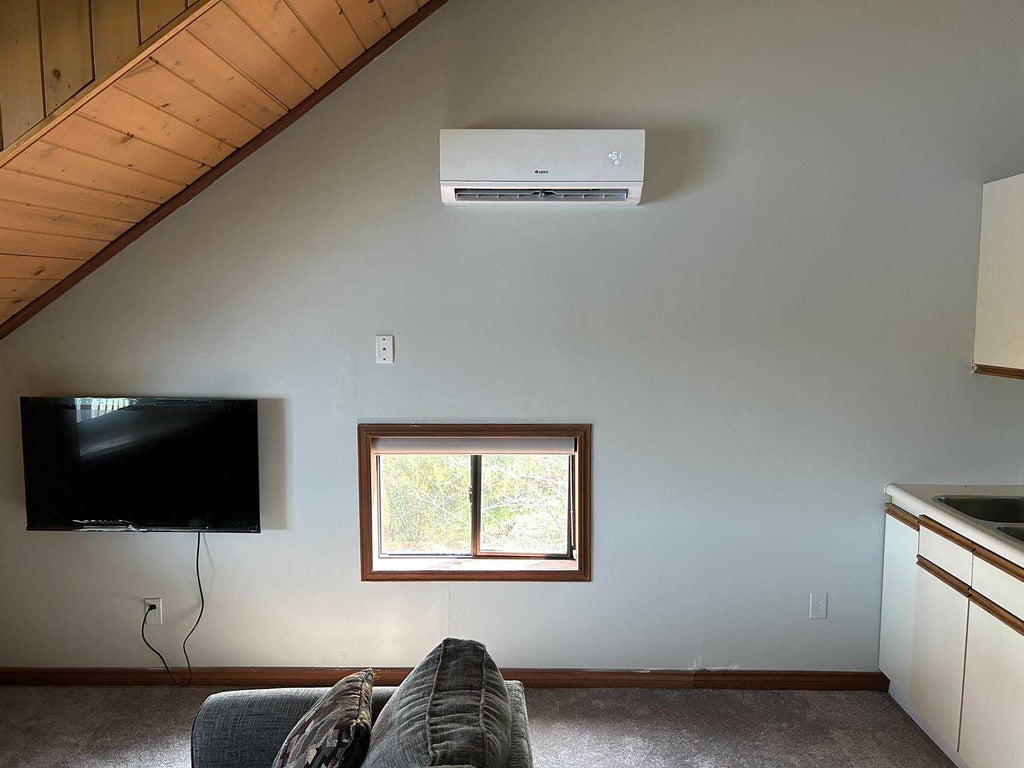
The Benefits of Going Ductless
Mini-split systems offer a compelling set of advantages over traditional forced-air systems. Here's what sets them apart:
Individual Zone Control
Every room can maintain its own temperature, so family members with different preferences all stay comfortable — no compromises needed.
Higher Efficiency
Without ducts to leak through, mini-splits deliver more of the energy you pay for directly into your living spaces — often qualifying for significant utility rebates.
Near-Silent Operation
Indoor units operate at whisper-quiet sound levels, often indistinguishable from background noise — ideal for bedrooms, offices, and media rooms.
Year-Round Comfort
Modern mini-splits heat and cool efficiently across a broad temperature range, making them a true all-season solution for most North American climates.
Easy Installation
No ductwork means installation is faster, less invasive, and often far cheaper than extending or installing a traditional HVAC system.
Built-in Dehumidification
Mini-splits remove excess humidity from the air as they cool, improving indoor air quality and comfort even on muggy days.
Pros & Cons of Mini-Splits
✦ Advantages
- No ducts — no duct-related energy loss
- Independent room-by-room temperature control
- Quiet indoor operation
- Heats and cools in one system
- Eligible for federal tax credits and utility rebates
- Works well in new additions, garages, and sunrooms
- Advanced filtration improves indoor air quality
✦ Considerations
- Higher upfront cost than window units
- Professional installation typically required
- Outdoor unit requires clear placement and airflow
- Indoor unit is visible on wall or ceiling
- Multiple zones require multiple indoor units
- Filter cleaning every few weeks recommended
Mini-Split vs. Central A/C — How Do They Compare?
Both systems heat and cool your home effectively, but they take very different approaches. Here's a quick comparison to help you choose:
| Feature | Mini-Split | Central A/C |
|---|---|---|
| Ductwork required | ✓ No | ✗ Yes |
| Zone control | ✓ Room-by-room | ✗ Whole-home only |
| Energy efficiency | ✓ Higher (no duct losses) | Moderate |
| Upfront cost | Higher per zone | ✓ Lower for whole home |
| Installation invasiveness | ✓ Minimal | Major renovation often needed |
| Heats and cools | ✓ Both in one unit | Separate systems often needed |
Ready to Upgrade Your Home Comfort?
The Senville AURA concealed-duct mini-split delivers powerful, whisper-quiet heating and cooling — engineered to disappear beautifully into any room's ceiling while delivering precision comfort year-round.
Senville AURA 18,000 BTU Concealed DuctFrequently Asked Questions
Explore our top-rated concealed-duct mini-split — discreet installation, powerful performance, and built for year-round comfort.
Senville AURA 18,000 BTU Concealed Duct