
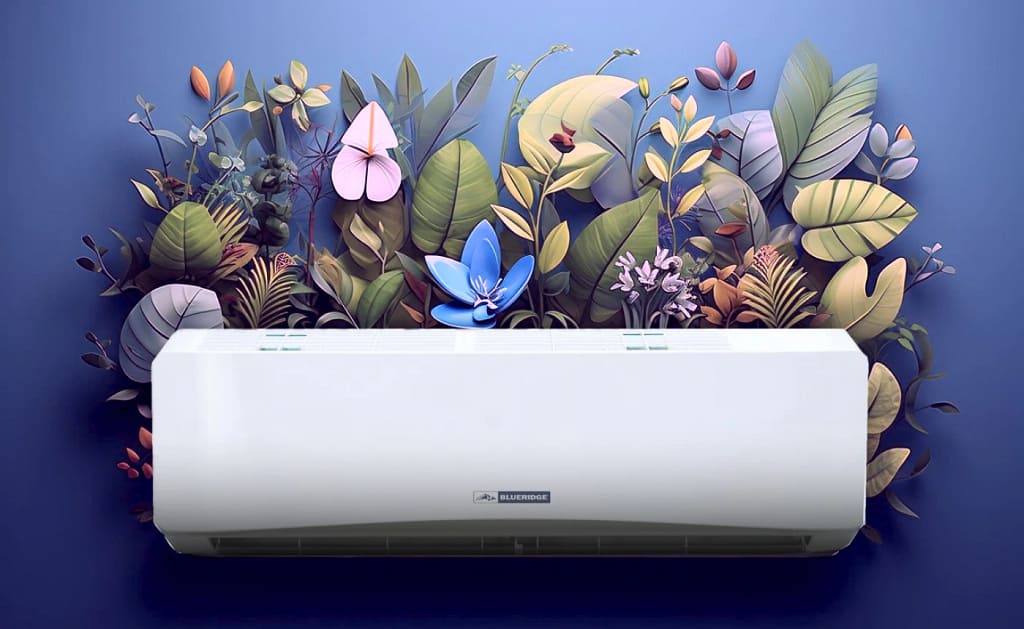
when it comes to efficient heating and cooling solutions for your home or outdoor living spaces, ductless mini-split systems have emerged as one of the most versatile and energy-efficient options available today. Whether you're looking to climate-control a backyard workshop, garage, sunroom, or any space where traditional ductwork isn't practical, these innovative systems deliver powerful performance without the complexity of conventional HVAC installations.
This comprehensive guide will walk you through everything you need to understand about ductless mini-split technology, from how these systems operate to selecting the ideal unit for your specific requirements.
Key Takeaways
- Ductless mini-splits provide both heating and cooling through a simple two-component system
- These systems achieve efficiency ratings up to 30 SEER, significantly reducing energy costs
- Multi-zone configurations allow independent temperature control in different areas
- Proper BTU sizing is critical for optimal performance and efficiency
- Installation is far simpler than traditional ducted systems, requiring only a small wall opening
What Are Ductless Mini-Split Systems?
Ductless mini-split systems represent a modern approach to climate control that eliminates the need for extensive ductwork throughout your property. These systems consist of two primary components: an outdoor compressor/condenser unit and one or more indoor air-handling units. The two components connect through a small conduit that houses the power cable, refrigerant tubing, suction tubing, and condensate drain.
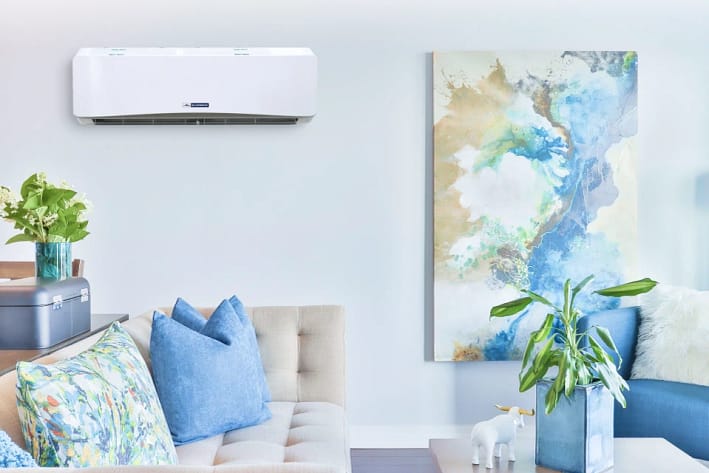
Unlike window units that block views and create security concerns, or central systems that require invasive ductwork installation, mini-splits offer a streamlined solution. The indoor units mount discreetly on walls or ceilings, while the outdoor unit can be positioned up to 50 feet away, providing flexibility in placement and maintaining your space's aesthetic appeal.
Understanding How Ductless Mini-Split AC Systems Work
The operation of a ductless mini-split follows the same fundamental refrigeration cycle used in traditional air conditioning, but with enhanced efficiency and zonal control capabilities.
During cooling mode, the indoor unit draws warm air from your room across the evaporator coil. The refrigerant inside absorbs this heat, transforming from liquid to gas. This cooled air is then distributed back into your space while the heat-laden refrigerant travels through the conduit to the outdoor unit. There, the compressor pressurizes the gas, and the condenser coil releases the captured heat into the outside air. The refrigerant returns to liquid form and cycles back indoors to repeat the process.
Heat pump models reverse this cycle during colder months, extracting heat energy from outdoor air (even in low temperatures) and transferring it inside. This dual functionality makes mini-splits incredibly versatile for year-round comfort in workshops, garages, pool houses, and other backyard structures.
The Different Types of Mini-Split AC Systems
Mini-split systems come in several configurations to match different spatial requirements and usage scenarios:
Single-Zone Mini-Split Systems
Perfect for individual rooms or spaces, single-zone systems pair one outdoor unit with one indoor unit. These are ideal for additions, converted garages, home offices, or any standalone space requiring dedicated climate control. They offer the most straightforward installation and represent the most budget-friendly entry point into ductless technology.
Multi-Zone Mini-Split Systems
When you need to condition multiple areas, multi-zone systems connect several indoor units to a single outdoor compressor. Each indoor unit operates independently with its own thermostat, allowing different temperature settings in each zone. This configuration is excellent for larger properties, guest houses, or situations where different family members prefer different comfort levels.
Ceiling Cassette Mini-Split Systems
For spaces where wall mounting isn't desirable or possible, ceiling cassette units install flush within drop ceilings. They distribute air in multiple directions for even coverage and blend seamlessly into commercial or finished residential spaces. These work particularly well in larger open areas where centralized air distribution improves comfort.
Understanding Capacity in Ductless Mini-Split AC Systems
Capacity refers to the heating and cooling output of a mini-split system, measured in British Thermal Units (BTUs) per hour. One BTU represents the energy required to raise the temperature of one pound of water by one degree Fahrenheit. In practical terms, higher BTU ratings indicate greater heating or cooling power.
Selecting the appropriate capacity is crucial. An undersized unit will struggle to maintain comfortable temperatures, running constantly while failing to adequately condition the space. Conversely, an oversized system cycles on and off too frequently, reducing efficiency, increasing wear, and failing to properly dehumidify the air.
Factors Affecting Mini-Split System Capacity
Room Dimensions
Square footage and ceiling height directly impact BTU requirements
Insulation Quality
Well-insulated spaces retain conditioned air better, requiring less capacity
Climate Zone
Extreme temperatures demand systems with higher output capabilities
Sun Exposure
South-facing windows and direct sunlight increase cooling loads
How to Calculate the Right Capacity for Ductless Mini-Split AC Systems
While professional load calculations provide the most accurate sizing, you can estimate your requirements using a straightforward formula. The general guideline suggests 20 BTUs per square foot of living space as a baseline.
Quick BTU Estimation
Room Square Footage × 20 = Base BTU Requirement
Adjust upward by 10-20% for high ceilings, poor insulation, excessive sun exposure, or hot climates
For example, a 500-square-foot workshop would require approximately 10,000 BTUs as a starting point. If the space has large windows facing west, minimal insulation, or you live in a particularly hot region, consider stepping up to a 12,000 BTU unit.
How to Select the Best Ductless Mini-Split AC System for You
Choosing the right mini-split involves evaluating several key factors beyond just capacity. Here's a systematic approach to finding your ideal system:
Assess Your Cooling and Heating Requirements
Determine whether you need cooling only or year-round climate control. Heat pump models cost slightly more upfront but provide significant value if you require both heating and cooling capabilities.
Understand BTU Requirements
Calculate your space's needs using the formula above, factoring in all variables that affect thermal load. When between sizes, it's generally better to size up slightly than to undersize your system.
Decide: Single-Zone or Multi-Zone System
Single-zone systems suit individual spaces perfectly. However, if you're conditioning multiple rooms or areas, a multi-zone configuration with one outdoor unit serving several indoor heads offers better efficiency and cost-effectiveness than installing multiple single-zone systems.
Consider Energy Efficiency Ratings
Look for systems with high SEER (Seasonal Energy Efficiency Ratio) and HSPF (Heating Seasonal Performance Factor) ratings. While higher-efficiency units may cost more initially, they deliver substantial savings on utility bills over the system's lifespan.
Choose Your Indoor Unit Style
Wall-mounted units are most common and economical. Ceiling cassettes blend into finished spaces elegantly. Floor-mounted units work well in rooms with limited wall space or where low placement is preferred. Select the style that best complements your space's layout and aesthetics.
Establish Your Budget
Balance upfront costs against long-term operating expenses. Premium brands often include advanced features like Wi-Fi connectivity, variable-speed compressors, and enhanced warranties. Determine which features matter most to you and allocate your budget accordingly.
The Advantages of Ductless Mini-Split Systems
Mini-split systems offer numerous benefits that make them an excellent choice for climate control in homes, additions, and outbuildings:
Superior Energy Efficiency
Without ductwork losses that can account for 25-30% of energy consumption in central systems, mini-splits deliver conditioned air directly where needed with minimal waste.
Flexible Installation
Requiring only a three-inch hole for the conduit, mini-splits can be installed virtually anywhere without major construction or the expense of ductwork installation.
Zone Control Capability
Each indoor unit operates independently, allowing personalized temperatures in different zones. Heat only the workshop while keeping the garage cooler, or vice versa.
Quiet Operation
Modern mini-splits operate at whisper-quiet levels, often below 30 decibels indoors—quieter than a library. The compressor noise stays outside where it won't disturb your activities.
Improved Air Quality
Multi-stage filtration systems capture dust, allergens, and particulates. Without ducts collecting and distributing contaminants, indoor air quality improves significantly.
Year-Round Comfort
Heat pump models provide efficient heating and cooling from a single system, eliminating the need for separate heating equipment in most climates.
Ready to Upgrade Your Climate Control?
Experience powerful multi-zone comfort with our premium mini-split solution—perfect for conditioning multiple backyard spaces with a single outdoor unit.
Senville AURA 28000 BTU Multi-ZoneFinal Thoughts
Ductless mini-split systems represent one of the smartest investments you can make for heating and cooling your home, workshop, garage, or any backyard living space. Their combination of energy efficiency, installation flexibility, quiet operation, and precise zone control makes them the preferred choice for millions of homeowners seeking superior climate comfort.
By understanding how these systems work and carefully evaluating your space's specific requirements, you can select the perfect mini-split configuration that will deliver reliable, efficient comfort for years to come. Whether you choose a simple single-zone setup for your home office or a multi-zone system to condition your entire property, ductless technology offers the performance and flexibility modern living demands.