

Heat pump technology has come a long way from its humble beginnings. Unlike conventional appliances that simply relocate heat from one spot to another, modern heat pumps accomplish something far more sophisticated. Traditional systems such as refrigerators, freezers, and air conditioners move thermal energy in a single direction. Heat pumps, however, offer remarkable versatility by transferring heat both indoors and outdoors depending on the season.
This bidirectional capability means your home stays warm during winter months and refreshingly cool when summer arrives. The fundamental distinction between standard appliances and heat pumps lies in their ability to reverse the refrigerant flow direction, effectively providing year-round climate control from a single system.
Energy Efficiency of Heating Systems
Understanding efficiency ratings helps you make informed decisions about your home's heating solution.
300%+
Heat Pump Efficiency
95%
Gas Furnace Max
100%
Electric Resistance
Technological Breakthroughs in Cold Climate Performance
Recent innovations have dramatically expanded the operational range and boosted the efficiency of cold climate heat pump systems. These advancements represent years of dedicated research and engineering refinement.
Variable Speed Compressors
Unlike older systems that run at full capacity or not at all, variable speed compressors adjust their output to match precise heating demands. This modulation results in consistent temperatures and substantial energy savings throughout the heating season.
Enhanced Vapor Injection
This sophisticated technology enables HVAC systems to maintain robust performance even when temperatures plummet well below freezing. Enhanced vapor injection allows the compressor to operate efficiently across a broader temperature spectrum than previously possible.
Electronic Expansion Valves
These precision metering devices regulate refrigerant flow into the evaporator with remarkable accuracy. By delivering optimal refrigerant quantities, they enable systems to extract more heat from cold outdoor air without risking compressor damage.
Advanced Sensors & Controls
Cold climate heat pumps utilize multiple sensor arrays and intelligent control algorithms to optimize performance continuously. These systems match refrigerant flow and compressor speed to real-time conditions, protecting components from damage while maximizing efficiency.
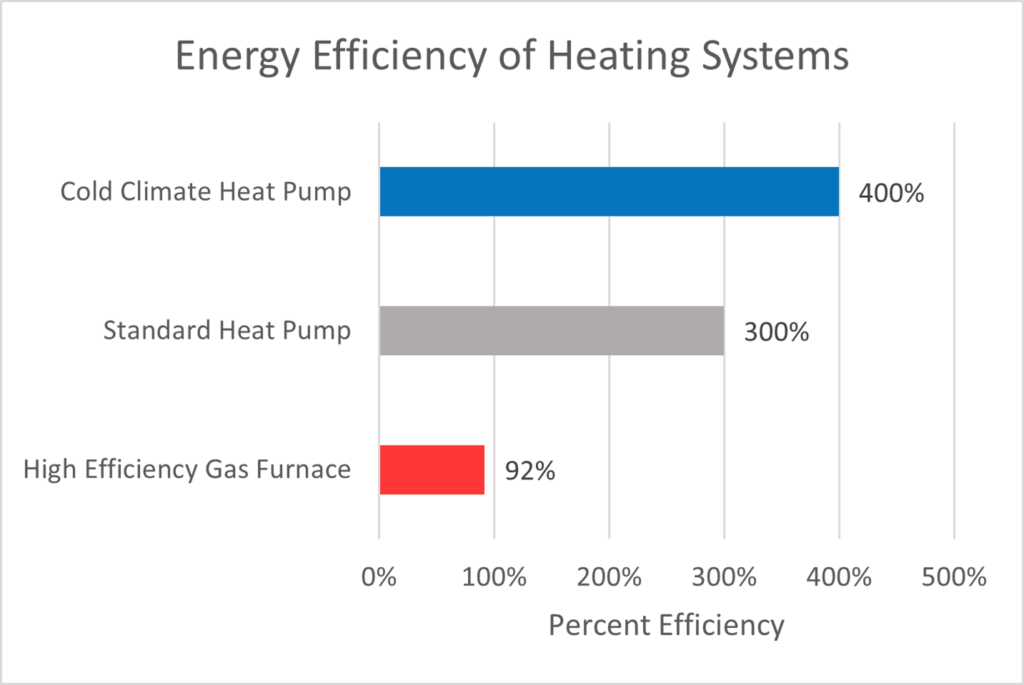
Why Cold Climate Heat Pumps Excel Over Traditional Options
The primary advantage of heat pumps over conventional heating systems lies in their exceptional energy efficiency. While furnaces and boilers generate heat through combustion or resistance, heat pumps simply relocate existing thermal energy from outdoor air into your living spaces.
Standard heat pumps can deliver efficiencies of 200% to 300%, meaning they provide two to three units of heating energy for every unit of electricity consumed. Cold climate models push these boundaries even further, maintaining impressive performance ratios even when outdoor temperatures drop significantly below freezing.
Understanding Efficiency Ratings
When comparing heat pump units, several efficiency metrics come into play. SEER and HSPF ratings remain the most widely accessible for consumer comparison. Higher numbers indicate better efficiency, with SEER measuring cooling performance and HSPF evaluating heating capability across a typical season.
For cold climate applications, pay particular attention to the rated operating temperature range. The lowest temperature at which the unit maintains effective operation varies significantly between manufacturers and models. Some premium cold climate units specify ratings down to -15°F or even -20°F while retaining substantial heating capacity.
Cold Climate Performance Standards
Industry certification programs help identify units truly designed for harsh winter conditions. Look for products meeting specific cold climate requirements, which typically mandate that units deliver at least 70% of rated capacity when outdoor temperatures reach 17°F and at least a portion of rated capacity at 5°F.
Performance must also be verified through factory-installed native controls. Carefully sized supplemental heat sources can extend effective operation through the most extreme temperature events, ensuring your home remains comfortable even during polar vortex conditions.
Key Considerations for Installation
Climate Assessment
Evaluate your region's typical winter low temperatures and heating degree days
Proper Sizing
Work with qualified professionals to calculate accurate heating load requirements
Backup Planning
Consider supplemental heating options for extreme cold events
The Future of Cold Climate Heating
The advancements highlighted throughout this discussion represent years of continuous refinement in heat pump technology. Cold climate heat pumps have evolved from niche products into mainstream heating solutions capable of serving homeowners in the most demanding winter environments.
As technology continues progressing, we can anticipate even greater cold weather performance, higher efficiency ratings, and broader adoption of these remarkable systems. For homeowners seeking to reduce energy consumption while maintaining superior comfort, cold climate heat pumps offer a compelling solution that will only improve with time.
Ready to Upgrade Your Home Comfort?
Explore our selection of high-efficiency multi-zone heat pump systems designed for year-round comfort in any climate.
Shop Senville AURA Mini Split