
Ductless heating and cooling technology has experienced remarkable growth in popularity as homeowners recognize its substantial advantages. While traditional ducted systems remain commonplace, mini-split configurations present a compelling alternative that balances exceptional comfort with outstanding energy performance.
This comprehensive resource explores everything you need to understand about ductless mini-split systems—from fundamental operating principles to advanced features that make them an intelligent investment for modern living spaces.
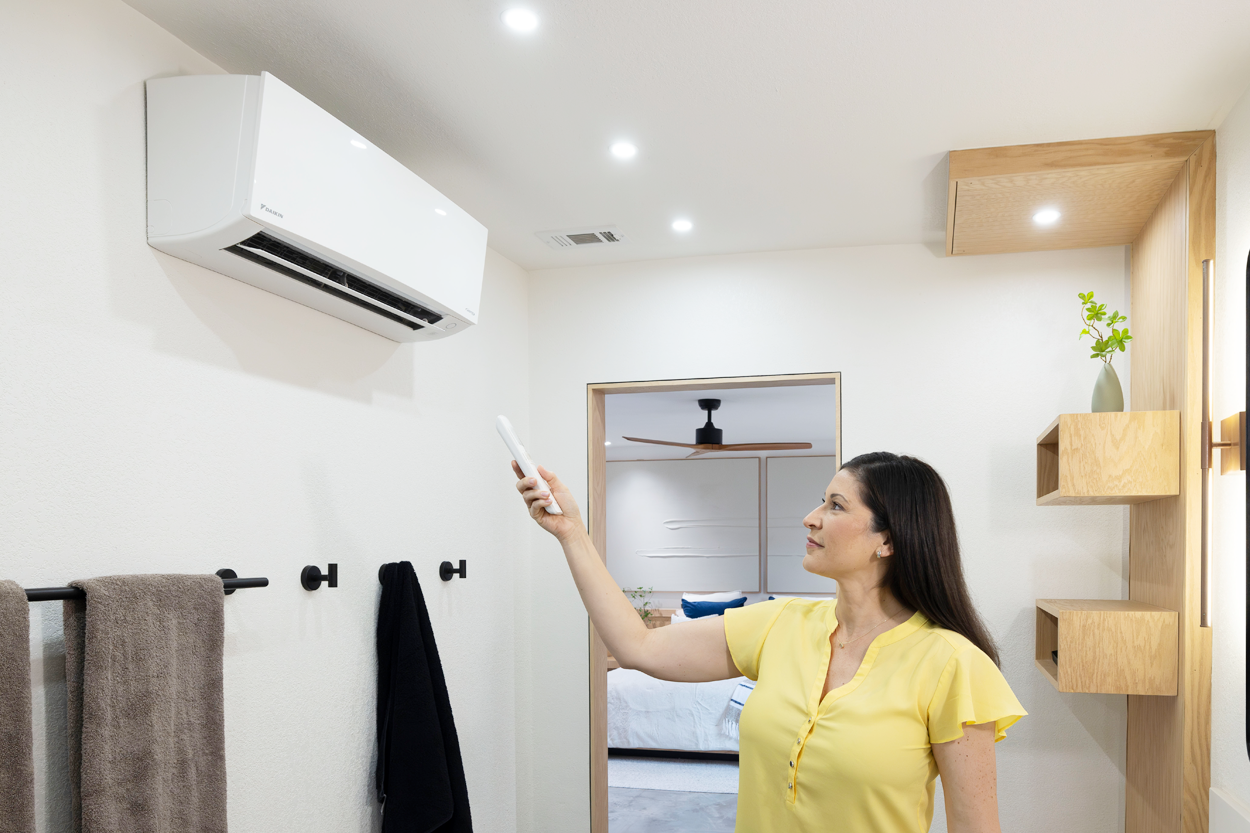
What Exactly Are Ductless Mini-Split Systems?
Ductless mini-split systems represent a sophisticated approach to home climate management. Often called ductless heat pumps or simply mini-splits, these units bypass the need for extensive ductwork that conventional HVAC installations demand. The technology connects an exterior compressor unit with one or multiple interior air handlers through small refrigerant lines and electrical wiring.
Unlike window-mounted air conditioners or portable units, mini-splits deliver whisper-quiet performance while maintaining consistent temperature regulation. Installation requires only a small three-inch opening through exterior walls, preserving your home's structural integrity and aesthetic appeal.
Industry projections indicate that ductless cooling and heating solutions will capture an increasingly significant market share through 2030 and beyond. This growth reflects homeowner appreciation for the technology's versatility, efficiency ratings, and zone-specific temperature management capabilities.
How Do Mini-Split Systems Operate?
Mini-split systems function through elegant simplicity. The configuration eliminates complicated ductwork by establishing direct connections between outdoor and indoor components. Each interior unit operates independently, allowing precise climate customization throughout different living areas.
During cooling cycles: The system extracts warm air from interior spaces, processes it through the outdoor compressor unit, and releases accumulated heat outside. Cool, conditioned air then circulates back through the indoor handler, passing through advanced filtration media that removes airborne particles and allergens.
During heating cycles: The process reverses direction. Even in cold weather, mini-splits extract available heat energy from outdoor air and transfer it inside. This heat pump functionality delivers warmth far more efficiently than traditional resistance heating methods, often reducing energy consumption by 50% or more.
Essential Features of Modern Mini-Split Technology
Superior SEER2 Efficiency Ratings
Contemporary mini-splits achieve remarkable efficiency scores. While conventional central air systems might struggle to reach SEER ratings in the mid-teens, quality ductless units regularly exceed 20 SEER2. Premium models push beyond 30 SEER2, translating directly into lower monthly utility expenses and reduced environmental impact.
Advanced Inverter Compressor Technology
Inverter-driven compressors represent a fundamental advancement over traditional systems. Rather than cycling completely on and off, inverter technology continuously adjusts compressor speed to match real-time heating or cooling demands. This intelligent modulation eliminates temperature swings and reduces energy waste significantly.
Intelligent Climate Sensing
Modern units incorporate sophisticated sensors that detect occupancy and activity levels within conditioned spaces. When rooms sit empty, systems automatically reduce output to conserve energy. Upon detecting returning occupants, performance ramps up to restore comfort rapidly without manual intervention.
Whisper-Quiet Performance
Indoor noise levels typically measure between 19-40 decibels—comparable to a quiet library or gentle rustling leaves. This near-silent operation makes mini-splits ideal for bedrooms, home offices, and living areas where noisy climate equipment would prove disruptive.
Why Homeowners Choose Ductless Mini-Splits
Outstanding Energy Efficiency
Aging ductwork in conventional systems loses substantial conditioned air through leaks, gaps, and inadequate insulation—sometimes wasting 25-30% of generated heating and cooling. Mini-splits deliver conditioned air directly into living spaces without these distribution losses, maximizing every energy dollar spent.
Precision Zone Control
Individual room temperature management eliminates the compromise of whole-house thermostat settings. Family members with different comfort preferences can customize their personal spaces without affecting others. Unoccupied rooms can remain unconditioned, avoiding wasteful heating or cooling of empty spaces.
Simplified Installation Process
Conventional ducted systems require extensive construction—tearing into walls, ceilings, and floors to route ductwork throughout a structure. Mini-split installation typically completes within a single day, requiring only small exterior wall penetrations and minimal disruption to daily routines.
Enhanced Indoor Air Quality
Multi-stage filtration systems capture dust, pollen, pet dander, and other airborne contaminants before they circulate through living spaces. Many models include antimicrobial coatings and advanced filter media that neutralize bacteria and viruses, creating healthier indoor environments.
Flexible Design Options
Indoor units come in various configurations to suit different architectural requirements and aesthetic preferences. Wall-mounted handlers work perfectly for most applications, while ceiling cassettes provide discreet climate control in spaces where wall mounting proves impractical. Floor-standing units offer another versatile alternative.
Ductless Systems Versus Traditional Ducted Equipment
Both ductless mini-splits and central ducted systems serve the fundamental purpose of maintaining comfortable indoor temperatures. However, significant operational and installation differences exist between these approaches.
Traditional ducted configurations require extensive infrastructure hidden within walls and ceiling spaces. This ductwork adds installation complexity, maintenance requirements, and ongoing efficiency losses. Central systems also condition entire homes simultaneously, regardless of which areas actually need climate control at any given moment.
Ductless alternatives eliminate these concerns entirely. Each zone operates independently with its own dedicated indoor unit, thermostat control, and operating schedule. Homes without existing ductwork benefit especially from mini-split technology, avoiding the expense and disruption of retrofitting conventional equipment into finished living spaces.
Understanding Multi-Zone Configurations
Multi-zone mini-split systems connect multiple indoor air handlers to a single outdoor compressor unit. This configuration provides individualized climate control throughout larger homes while maximizing equipment efficiency and minimizing outdoor unit footprint.
Single-zone setups work excellently for additions, converted garages, bonus rooms, or specific problem areas that existing HVAC struggles to condition properly. Multi-zone arrangements scale upward to manage entire homes with two, three, four, or even more independent climate zones operating from shared outdoor equipment.
Each configuration offers distinct advantages depending on your specific requirements, home layout, and budget considerations. Professional assessment helps determine optimal zone quantities and placement strategies for maximum comfort and efficiency.
Making the Right Choice for Your Home
Selecting appropriate climate control equipment requires careful consideration of your home's unique characteristics, your family's comfort expectations, and long-term operating cost implications. Ductless mini-split systems offer compelling advantages for many situations—particularly homes without existing ductwork, spaces requiring supplemental conditioning, or households seeking zone-specific temperature management.
The combination of exceptional efficiency ratings, quiet operation, flexible installation options, and precise climate control makes modern mini-split technology an increasingly popular choice among discerning homeowners. Whether upgrading aging equipment or addressing challenging comfort zones, these versatile systems deliver reliable performance across diverse applications.
Ready to Experience Superior Comfort?
Discover our premium dual-zone mini-split solution designed for whole-home comfort and exceptional energy savings.
Senville 36000 BTU Dual Zone Mini Split