
Key Takeaways
A two zone mini split delivers independent temperature control for two separate areas using a single outdoor condenser unit.
These systems provide exceptional energy savings compared to traditional ducted HVAC systems.
Perfect for home additions, garages, and converted spaces that lack existing ductwork.
A two zone system is an excellent investment for residences and commercial properties requiring flexible climate management.
What Exactly Is a Ductless Mini Split System?
A ductless mini split represents a modern approach to heating and cooling that eliminates the need for extensive ductwork installation. Unlike conventional central air systems that rely on a network of ducts to distribute conditioned air throughout your home, mini splits deliver climate-controlled air directly to individual rooms or zones.
The system comprises two primary components: an outdoor compressor/condenser unit and one or more indoor air-handling units. These components connect through a small conduit that houses the power cable, refrigerant tubing, suction tubing, and condensate drain line. This streamlined configuration makes installation significantly less invasive than traditional HVAC systems.
Mini split systems have gained tremendous popularity among homeowners seeking efficient, customizable comfort solutions. Their compact design, whisper-quiet operation, and zone-specific temperature control make them ideal for modern living spaces where personalized comfort matters most.

Two Zone Mini Split vs. Standard Mini Split: What Sets Them Apart?
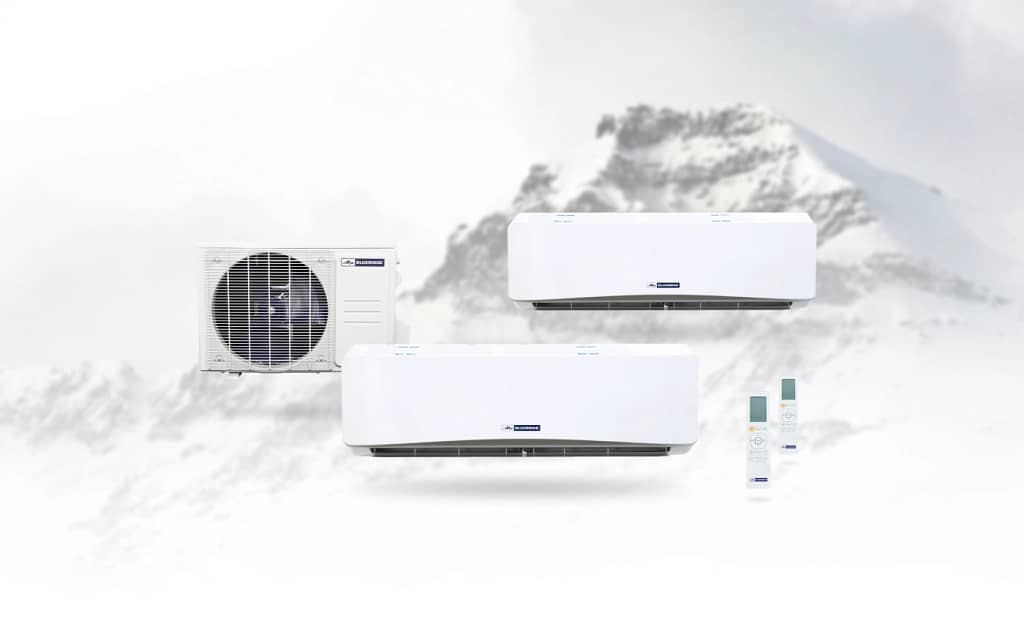
The fundamental distinction between a two zone mini split and a standard single-zone unit lies in its capacity to manage climate control across multiple spaces independently. While a standard mini split consists of one outdoor unit paired with a single indoor handler, a two zone configuration connects one outdoor unit to two separate indoor units.
This multi-zone approach grants you the ability to maintain different temperature settings in two distinct areas simultaneously. For example, you could keep your home office at a cooler 68°F while your living room stays at a comfortable 72°F—all powered by the same outdoor compressor.
Key Differences at a Glance
Single Zone System
One outdoor unit connects to one indoor handler, providing climate control for a single room or area.
Two Zone System
One outdoor unit powers two indoor handlers, enabling independent temperature management in two separate spaces.
Multi-zone configurations offer remarkable flexibility and cost efficiency. Rather than installing separate systems for each room, you can achieve comprehensive coverage with a single outdoor unit. This approach minimizes installation complexity, reduces equipment costs, and maintains a cleaner aesthetic on your property's exterior.
Top Advantages of a Two Zone Mini Split System
Personalized Comfort Control
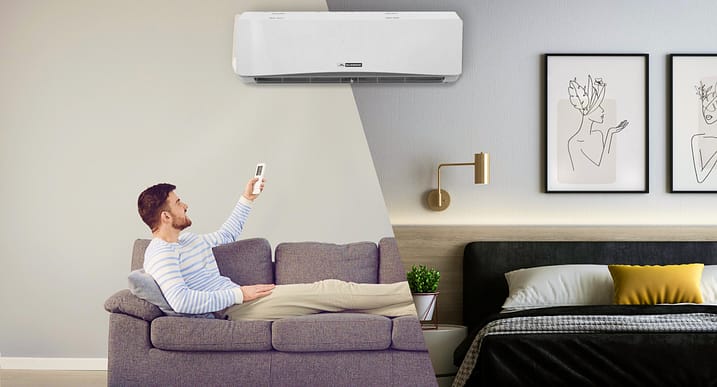
Every household member has unique temperature preferences. Two zone systems allow different family members to customize their space without compromising anyone else's comfort, eliminating thermostat disputes once and for all.
Superior Energy Efficiency
Mini splits use inverter-driven compressors that adjust output based on actual demand, avoiding the energy waste of constant on-off cycling. Heat only the rooms you're using and watch your utility bills decrease significantly.
Extended Equipment Lifespan
Quality mini split systems from reputable manufacturers can deliver reliable performance for 15 to 20 years with proper maintenance. Their durable construction and efficient operation ensure long-term value for your investment.
Simplified Installation Process
Without the need for ductwork, installation becomes faster and less disruptive. A small 3-inch hole connects indoor and outdoor components, preserving your walls and minimizing construction time and mess.
Eliminates Hot and Cold Spots
Traditional HVAC systems often struggle with uneven temperature distribution. Mini splits deliver conditioned air directly to each zone, ensuring consistent comfort throughout your home without frustrating temperature variations.
Remarkable Flexibility
Indoor units come in various styles including wall-mounted, ceiling cassette, and floor-standing models. This versatility allows seamless integration with any interior design while meeting specific spatial requirements.

Understanding SEER Ratings: Why They Matter
When shopping for a mini split system, you'll frequently encounter SEER ratings. SEER stands for Seasonal Energy Efficiency Ratio, a standardized metric that measures cooling efficiency over an entire cooling season. The higher the SEER number, the more efficiently the system converts electricity into cooling power.
What Does a Higher SEER Rating Mean?
A mini split with a 20 SEER rating will consume significantly less electricity than a 14 SEER unit while delivering identical cooling performance. Over the lifespan of the equipment, this efficiency translates to substantial energy savings and a reduced environmental footprint.
Modern mini split systems typically achieve SEER ratings between 15 and 25 or higher, significantly outperforming older central air conditioning units that may only reach 10-13 SEER. When selecting your two zone system, prioritize models with higher SEER ratings to maximize long-term savings.
Keep in mind that while higher SEER units may cost more upfront, the ongoing energy savings typically offset the initial investment within a few years. Consider your local climate, usage patterns, and electricity rates when determining the optimal efficiency level for your needs.
Ideal Applications for Two Zone Mini Splits
Two zone mini split systems excel in numerous scenarios where traditional HVAC solutions fall short. Understanding where these systems perform best will help you determine if they're the right choice for your specific situation.
Home Additions & Renovations
Extending ductwork to new rooms can be expensive and impractical. A two zone mini split provides efficient heating and cooling without major construction work.
Converted Garages & Basements
These spaces often lack existing HVAC infrastructure. Mini splits offer the perfect solution for transforming unfinished areas into comfortable living spaces.
Sunrooms & Enclosed Patios
Large windows create temperature challenges. Mini splits efficiently manage heat gain in summer and maintain warmth during colder months.
Home Offices & Studios
Dedicated workspaces require consistent comfort. Zone control lets you maintain ideal conditions during work hours without heating or cooling the entire house.
Above-Garage Apartments
Guest suites and in-law apartments benefit from independent climate control, offering privacy and comfort without affecting the main home's system.
Server Rooms & Equipment Areas
Spaces with heat-generating electronics require precise temperature management. Mini splits provide the targeted cooling these environments demand.
Two zone systems also prove invaluable in older homes where installing ductwork would be prohibitively expensive or would compromise architectural integrity. Historic properties, log cabins, and homes with limited attic or crawl space access all benefit from the flexibility of ductless technology.
Premium Two Zone Mini Split Solutions
Selecting the right equipment ensures years of reliable comfort. High-quality systems from trusted manufacturers deliver the performance, efficiency, and durability your home deserves.
Senville 36000 BTU Dual Zone Mini Split
Experience powerful heating and cooling across two zones with this high-capacity system. Featuring advanced inverter technology, this unit delivers efficient climate control for larger spaces while maintaining whisper-quiet operation.
36,000 BTU
Cooling Capacity
Heat Pump
Heating & Cooling
Dual Zone
Two Indoor Units
Tips for Choosing Your Two Zone System
Selecting the ideal two zone mini split requires careful consideration of several factors. Taking time to evaluate your specific needs ensures you'll enjoy optimal comfort and efficiency for years to come.
Calculate Your BTU Requirements: Proper sizing is essential. An undersized system struggles to maintain comfort, while an oversized unit cycles too frequently, wasting energy and reducing dehumidification. Generally, you'll need approximately 20-25 BTU per square foot, though factors like ceiling height, insulation quality, and climate affect this calculation.
Consider Indoor Unit Placement: Position indoor handlers where they can distribute air effectively throughout each zone. Avoid locations near heat sources, direct sunlight, or obstructions that might impede airflow.
Evaluate Warranty Coverage: Reputable manufacturers stand behind their products with comprehensive warranty protection. Look for systems offering at least 5-year parts coverage and verify that installation by a qualified technician won't void your warranty.
Plan for Professional Installation: While some homeowners attempt DIY installation, working with a certified HVAC professional ensures proper refrigerant charging, electrical connections, and system configuration for peak performance.
Ready to Transform Your Home's Comfort?
Discover our selection of high-performance two zone mini split systems and find the perfect solution for your heating and cooling needs.
Senville 36000 BTU Dual ZoneThis guide provides general information about two zone mini split systems. For specific installation requirements and recommendations tailored to your property, consult with a qualified HVAC professional.