

Key Takeaways
- Multi-zone mini-splits connect a single outdoor compressor to multiple indoor air handlers for room-by-room climate control
- These systems eliminate ductwork requirements while providing both heating and cooling capabilities
- Mode conflict occurs when different zones request opposing operations simultaneously
- Smart thermostats offer practical solutions to prevent and manage mode conflict issues
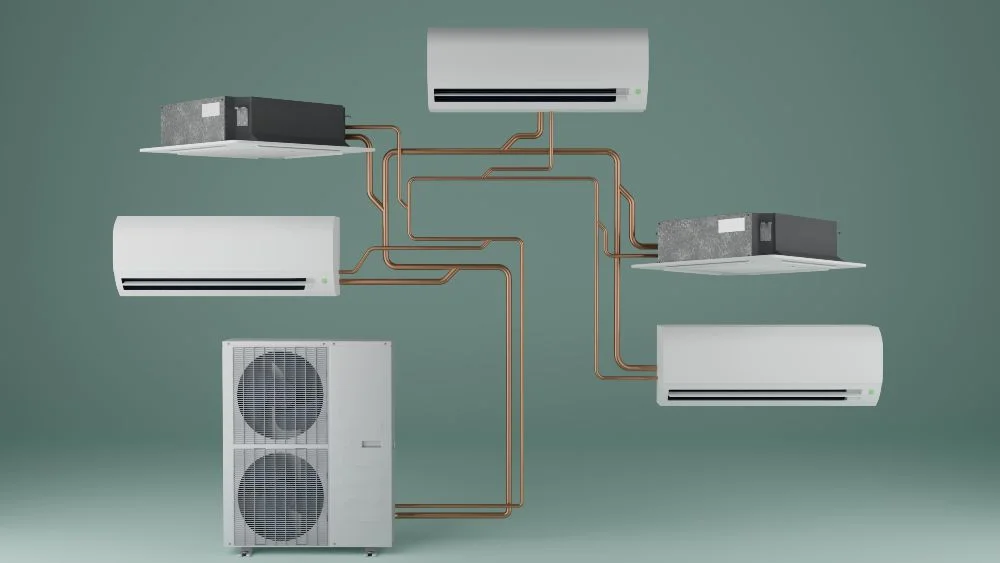
Have you ever wished you could set different temperatures in various rooms without the hassle of traditional HVAC systems? Maybe you want your bedroom cool for sleeping while keeping the living room comfortably warm for evening relaxation. Multi-zone mini-split systems make this kind of personalized comfort a reality. But what exactly makes these systems tick, and how do you get the most out of them? Let's dive into everything you need to know.
What Exactly Are Multi-Zone Mini-Splits and How Do They Function?
Multi-zone mini-split systems represent a modern approach to home climate control that connects one outdoor compressor unit to several indoor air handlers positioned throughout different areas of your home. Unlike conventional forced-air systems that push conditioned air through extensive ductwork, these units deliver heating or cooling directly where it's needed most.
The operation relies on refrigerant cycling between the outdoor compressor and each indoor unit. During cooling mode, the system extracts warmth from inside your home and releases it outdoors. When heating is required, the process reverses—pulling heat energy from outdoor air and transferring it inside. This heat pump functionality makes these systems remarkably energy-efficient compared to traditional heating methods.
Every indoor handler operates with independent temperature controls, giving you the freedom to customize conditions in each zone. Your home office might stay at a productive 72°F while your nursery maintains a cozy 74°F—all managed by the same outdoor unit working efficiently behind the scenes.
Zonal Independence
Each connected room operates autonomously with its own thermostat settings, allowing occupants to tailor comfort without affecting other areas.
Refrigerant Technology
Specialized refrigerant lines connect outdoor and indoor components, efficiently transferring thermal energy throughout the system.
Inverter Compressor
Advanced inverter technology modulates compressor speed continuously rather than cycling on and off, maximizing efficiency and comfort.
Essential Factors to Evaluate Before Selecting Your Multi-Zone System
Choosing the right multi-zone mini-split requires careful consideration of several important factors. The first step involves determining exactly how many zones you need to condition. Each indoor unit connects to the outdoor compressor through refrigerant lines, so planning your zone layout upfront ensures optimal performance and cost efficiency.
Professional installation plays a crucial role in system longevity and effectiveness. While ductless systems generally require less invasive installation than traditional HVAC, proper refrigerant line routing, electrical connections, and unit placement demand experienced technicians. Attempting DIY installation often voids warranties and can lead to premature system failure.
Beyond installation, understanding your home's specific heating and cooling loads helps size the system appropriately. Oversized units cycle too frequently and waste energy, while undersized systems struggle to maintain comfort during extreme temperatures. A qualified HVAC professional can perform load calculations to match system capacity with your actual needs.
Installation Considerations
Multi-zone systems share similarities with single-zone units but involve more complex refrigerant piping and electrical requirements. Indoor units can be mounted on walls, recessed into ceilings, or positioned at floor level depending on room configuration and aesthetic preferences. Always work with certified installers familiar with your specific brand and model.
Primary Advantages of Multi-Zone Mini-Split Technology
Multi-zone ductless systems deliver numerous advantages that make them increasingly popular among homeowners seeking efficient, flexible climate control solutions.
Personalized Temperature Control
Customize temperatures independently in each zone to satisfy different preferences. Family members no longer need to compromise on comfort levels.
Superior Energy Efficiency
Inverter-driven compressors adjust output precisely to current demands rather than constantly cycling, resulting in significantly reduced energy consumption.
Streamlined Aesthetics
Modern indoor units feature sleek, minimalist designs that blend seamlessly with contemporary interiors while maintaining powerful performance.
Whisper-Quiet Operation
Indoor units operate at remarkably low decibel levels, making them ideal for bedrooms, offices, and other spaces where noise disruption is unacceptable.
Enhanced Air Quality
Built-in filtration systems capture dust, allergens, and particulates while eliminating duct-related contamination common in traditional systems.
Flexible Installation Options
Wall-mounted, ceiling cassette, or floor-standing configurations accommodate virtually any room layout or architectural constraint.
Featured Multi-Zone Solution
Achieve whole-home comfort with powerful dual-zone capability and advanced heat pump technology.
Senville 36000 BTU Dual Zone Mini SplitSmart Thermostat Integration for Mini-Split Systems
While multi-zone mini-splits deliver exceptional performance, pairing them with intelligent thermostat controllers unlocks additional convenience and efficiency benefits. Smart thermostats designed specifically for ductless systems provide centralized management across all zones while enabling sophisticated scheduling and automation features.
Intelligent Scheduling
Program temperature adjustments around your daily routine automatically.
Remote Access
Control every zone from anywhere using smartphone applications.
Usage Analytics
Monitor energy consumption patterns and identify optimization opportunities.
Smart Home Integration
Connect with voice assistants and home automation platforms seamlessly.
Many mini-split owners already enjoy limited outdoor unit space, making efficient system management even more critical. Smart controllers help maximize performance while preventing operational issues that could shorten equipment lifespan or reduce comfort.
Understanding Mode Conflict and Effective Solutions
One challenge unique to multi-zone mini-split systems involves mode conflict—a situation arising when different zones simultaneously request opposite operations. Imagine one family member wants cooling in their home office while another needs heating in a chilly basement. Since all indoor units share a single outdoor compressor that can only operate in one mode at a time, the system cannot satisfy both demands simultaneously.
⚠️ What Causes Mode Conflict?
Mode conflict typically occurs during transitional seasons when outdoor temperatures fluctuate significantly between morning and afternoon. Different room orientations, occupancy patterns, and heat-generating equipment can also create opposing comfort needs across zones.
Most multi-zone systems handle mode conflict using priority logic where the first zone requesting operation determines the system's mode until its setpoint is satisfied. This means other zones must wait, potentially leaving occupants uncomfortable until the system becomes available for their needs.
Smart Solutions for Mode Conflict Prevention
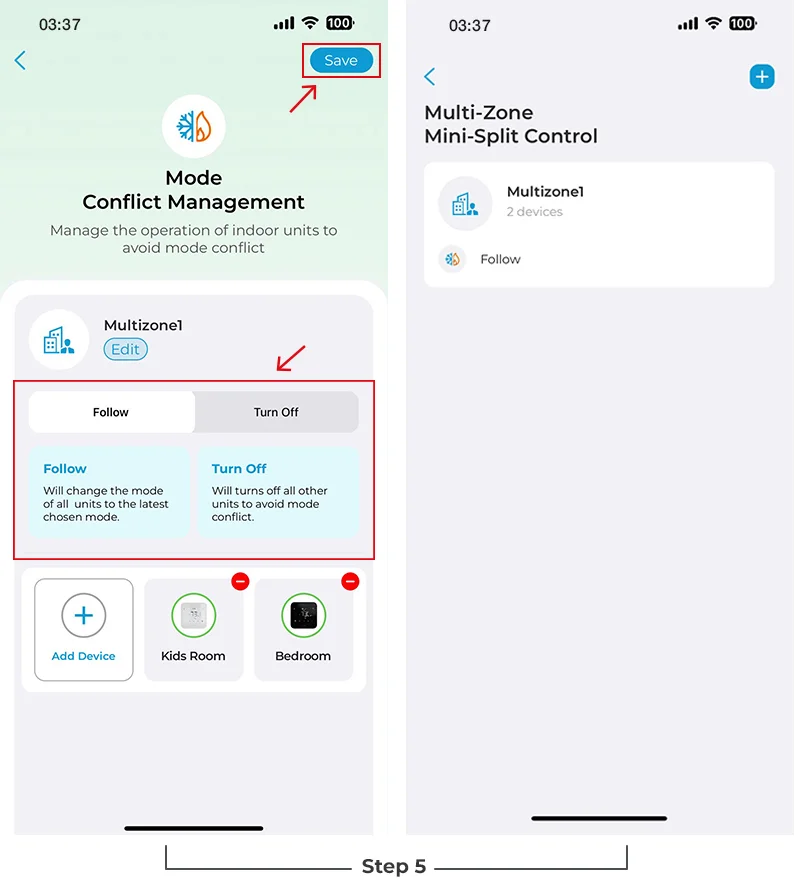
Advanced smart thermostats offer sophisticated features specifically designed to minimize mode conflict occurrences. These controllers can synchronize zone operations, implement intelligent scheduling that anticipates conflicting demands, and even automatically switch modes system-wide when beneficial.
Implementing Effective Mode Management
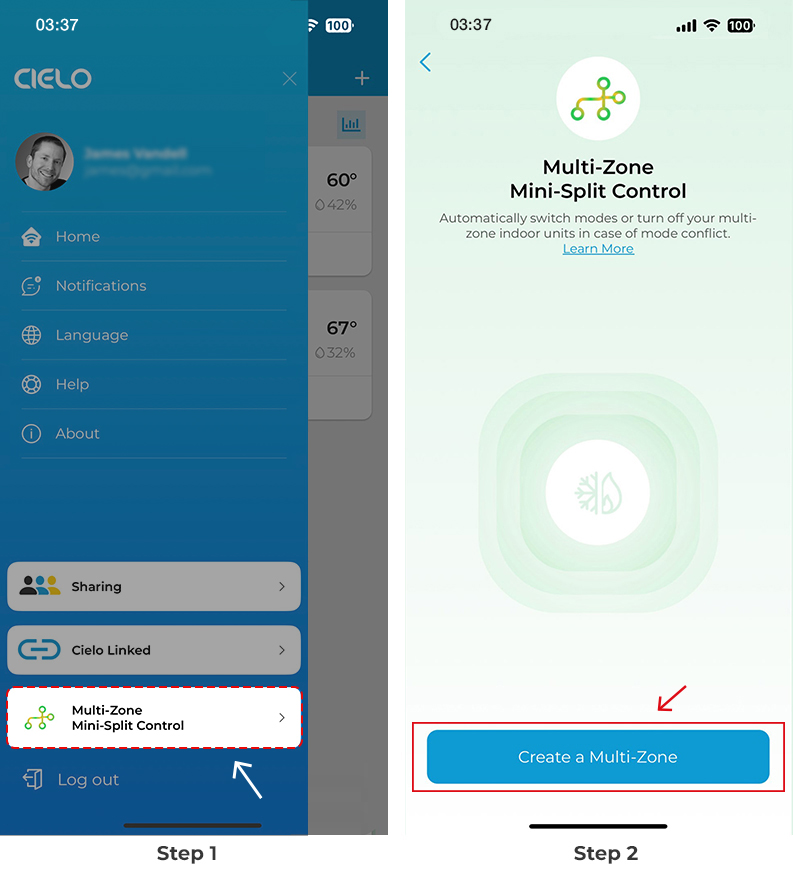
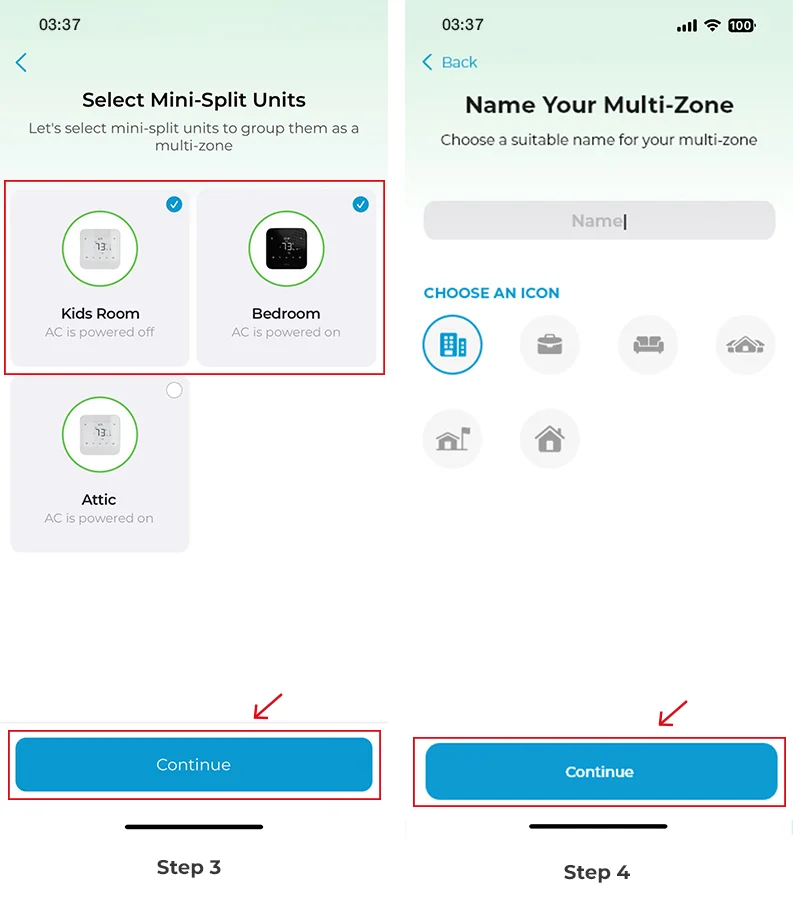
Step 1: Configure all zones within your smart controller application
Ensure each indoor unit is properly registered and identified in your control system.
Step 2: Enable synchronized mode operation
Activate features that coordinate mode selection across all connected zones automatically.
Step 3: Establish temperature ranges and schedules
Create automated schedules that anticipate typical usage patterns and prevent conflicts before they occur.
Step 4: Monitor and refine settings
Review system performance data regularly and adjust configurations for optimal comfort and efficiency.
With proper configuration, smart thermostats can dramatically reduce mode conflict frequency while maintaining comfortable conditions throughout your home. The investment in quality controls pays dividends through improved comfort, extended equipment life, and reduced energy waste.
Final Thoughts
Multi-zone mini-split systems represent an outstanding solution for homeowners seeking efficient, customizable climate control without traditional ductwork limitations. By connecting multiple indoor units to a single outdoor compressor, these systems deliver room-by-room temperature management with impressive energy efficiency and quiet operation.
While mode conflict presents a legitimate consideration for multi-zone owners, modern smart thermostats provide effective tools for managing and preventing these situations. Proper system configuration, intelligent scheduling, and synchronized zone operation keep your entire home comfortable regardless of varying preferences or conditions across different areas.
Whether you're upgrading an existing HVAC setup or planning climate control for new construction, multi-zone mini-splits deserve serious consideration. Their combination of flexibility, efficiency, and advanced features makes them an excellent long-term investment in home comfort.
Ready to Experience Multi-Zone Comfort?
Explore our selection of high-performance mini-split systems designed for reliable, energy-efficient whole-home climate control.
Senville 36000 BTU Dual Zone Mini Split