
The Complete Guide to Sizing Your Mini-Split System
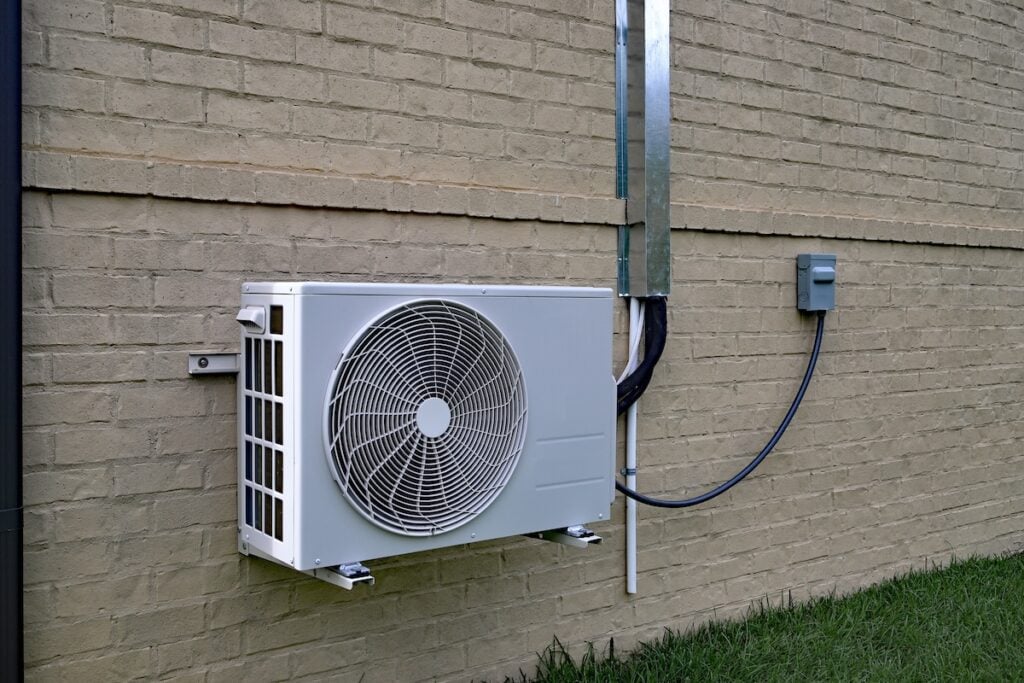
A mini-split system offers an excellent solution for spaces lacking traditional ductwork, whether you're conditioning a small room, basement addition, or an entire open-concept living area. These versatile ductless air conditioners manage heating, cooling, and humidity control with remarkable efficiency. Unlike conventional HVAC systems, mini-splits require only a small opening through an exterior wall to connect the indoor and outdoor components.
Mini-split air handlers come in wall-mounted, ceiling cassette, and floor-standing configurations, while condenser units are available in various capacities. Single-zone setups work beautifully for individual rooms, whereas multi-zone configurations can climate-control several areas simultaneously—perfect for additions, outbuildings, or basements.
Why Correct Mini-Split Sizing Matters
Once you've confirmed that a mini-split is ideal for your situation, selecting the proper size becomes critical. An incorrectly sized unit—whether too small or too large—will compromise performance, increase energy costs, and reduce equipment lifespan.
Undersized Units
When a mini-split lacks sufficient capacity, it struggles continuously to reach your desired temperature. This constant operation accelerates component wear, shortens the system's lifespan, and drives up electricity costs—all while failing to deliver consistent comfort throughout your space.
Oversized Units
Surprisingly, bigger isn't always better. An oversized system cools or heats too rapidly, cycling on and off frequently. This short-cycling prevents proper humidity removal, creates uneven temperatures, wastes energy during startup cycles, and may lead to premature mechanical failures.
Determining the Right Capacity for Your Space
Mini-split capacity is measured in BTUs (British Thermal Units), indicating the heat energy a system can transfer per hour. In HVAC terminology, one ton equals 12,000 BTUs. Several factors influence the optimal BTU rating for your application:
Square Footage
Measure the total floor area requiring climate control. For irregularly shaped rooms or multi-zone setups, calculate each area separately to ensure accurate coverage.
Ceiling Height
Standard calculations assume 8-foot ceilings. Vaulted ceilings, cathedral designs, or converted spaces with extra height require proportionally higher capacity to condition the additional air volume.
Insulation Quality
Well-insulated spaces retain conditioned air more effectively. Older buildings, garages, or workshops with minimal insulation demand additional BTU capacity to compensate for thermal losses.
Climate Zone
Your geographical location significantly impacts requirements. Extreme climates—whether sweltering summers or frigid winters—place greater demands on any HVAC system.
Mini-Split BTU Sizing Reference
Use this general guideline to match your square footage with the appropriate BTU capacity. Remember that unique room characteristics may require adjustments.
| Square Footage | Recommended BTUs |
|---|---|
| Up to 150 sq ft | 6,000 BTU |
| 150 – 250 sq ft | 7,000 BTU |
| 250 – 300 sq ft | 8,000 BTU |
| 300 – 350 sq ft | 9,000 BTU |
| 350 – 400 sq ft | 10,000 BTU |
| 400 – 450 sq ft | 12,000 BTU |
| 450 – 550 sq ft | 14,000 BTU |
| 550 – 700 sq ft | 18,000 BTU |
| 700 – 1,000 sq ft | 21,000 BTU |
| 1,000 – 1,200 sq ft | 23,000 BTU |
| 1,200 – 1,500 sq ft | 24,000 BTU |
| 1,500+ sq ft | Multi-zone recommended |
Note: Spaces exceeding 1,500 square feet typically benefit from multi-zone configurations for optimal comfort and efficiency.
Additional Factors to Consider
Beyond basic square footage calculations, several other variables influence your ideal mini-split selection:
Room Purpose and Occupancy
Spaces hosting frequent gatherings, exercise equipment, or kitchen appliances generate substantial heat. Entertainment rooms, home gyms, and cooking areas may require higher BTU ratings than standard living spaces of equivalent size.
Window Exposure and Sun Load
South and west-facing windows receive intense afternoon sun, dramatically increasing cooling loads. Large glass surfaces, skylights, and minimal shade coverage all contribute to elevated heat gain during peak hours.Mini-Split Configuration Options
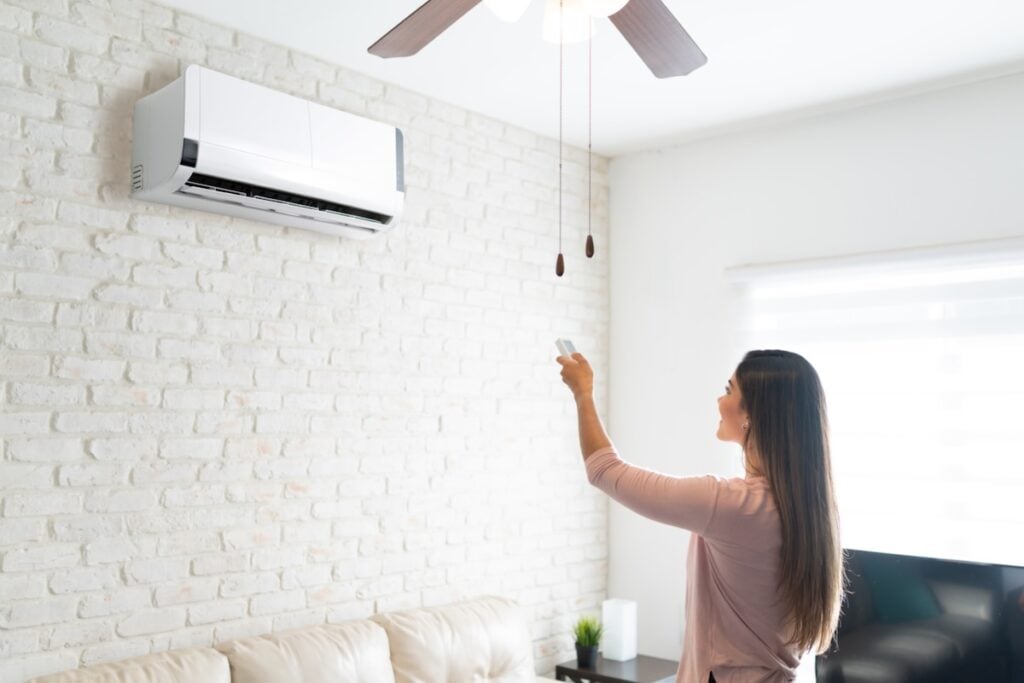
Modern mini-split systems offer remarkable flexibility with various configurations to suit diverse installation requirements and aesthetic preferences:
Heat Pump Systems
Dual-function units providing both heating and cooling capability, ideal for year-round climate control.
Wall-Mounted Indoor Units
The most popular configuration, these handlers mount high on walls for efficient air distribution and easy maintenance access.
Ceiling Cassette Units
Flush-mounted within drop ceilings, these units deliver 360-degree airflow while maintaining a clean, commercial-grade appearance.
Floor-Standing Units
Perfect for rooms with limited wall space or low ceilings, providing accessible controls and straightforward installation.
Energy Efficiency Advantages
Premium mini-split systems achieve impressive SEER2 (Seasonal Energy Efficiency Ratio) and HSPF2 (Heating Seasonal Performance Factor) ratings. High-efficiency models can dramatically reduce energy consumption compared to conventional systems, potentially saving hundreds of dollars annually on utility bills.
Many units feature inverter-driven compressors that modulate output rather than simply cycling on and off. This technology maintains precise temperatures while consuming minimal electricity—a significant upgrade over traditional fixed-speed systems.
Ready to Upgrade Your Climate Control?
Explore our selection of high-performance mini-split systems designed for reliability, efficiency, and whisper-quiet operation. Find the perfect fit for your space today.
Senville 36000 BTU Dual Zone Mini-SplitMaking Your Final Selection
Choosing the right mini-split involves balancing multiple factors: room dimensions, climate conditions, insulation quality, and intended use. While the sizing chart provides excellent baseline guidance, unique circumstances in your space may warrant professional input.
Consider your long-term comfort goals alongside immediate needs. A properly sized mini-split system delivers years of efficient, reliable climate control—keeping your space comfortable through every season while minimizing energy expenses.
Questions about mini-split sizing? Our team is here to help you find the perfect solution for your space.