
When I purchased my first home last summer, one feature immediately caught my attention: the ductless mini-split heat pump system already installed throughout the house. Having worked in the energy efficiency field, I understood that heat pumps represent one of the smartest ways to heat and cool a home. They consume less than half the energy of traditional electric resistance heating while delivering efficient air conditioning when summer arrives.
Instead of burning fuel to generate heat, these systems simply transfer thermal energy from one location to another. When powered by renewable electricity, they can significantly reduce your carbon footprint. After years of touring homes with outdated heating systems and no cooling options, finding a property with an existing heat pump system felt like winning the lottery.
My home sits in Vermont now, though I previously spent five years in Washington and Oregon—states that have embraced heat pump technology and home electrification. Friends from the Pacific Northwest constantly praised their heat pumps, especially the cooling capability as summers grow increasingly warm. Having rented a home with a heat pump before, I already knew I loved the technology, making it a major selling point when house hunting.
However, owning the system rather than renting meant I had plenty to learn. Moving in during a sweltering August, I was eager to get the air conditioning running. One room cooled perfectly, but I struggled to achieve the same comfort in the other rooms—including my bedroom. Only after reaching out to the original installer did I discover two crucial lessons that changed everything.
Lesson 1: Master Your Remote Control
Much of your mini-split's capability hides within the remote control. Think of it like learning a new television remote in a hotel room—you need to explore to unlock all the features. My previous rental had a Mitsubishi unit, but my new home came equipped with Daikin equipment.
I discovered that my Daikin remote had a sliding plastic cover concealing most of its advanced functions. In my rush to cool down the house, I had completely missed this feature. Once I slid open that cover, all the options I needed became accessible. Take time to thoroughly examine your remote—you might be surprised what capabilities await behind a simple panel.
Lesson 2: Understand Mode Selection
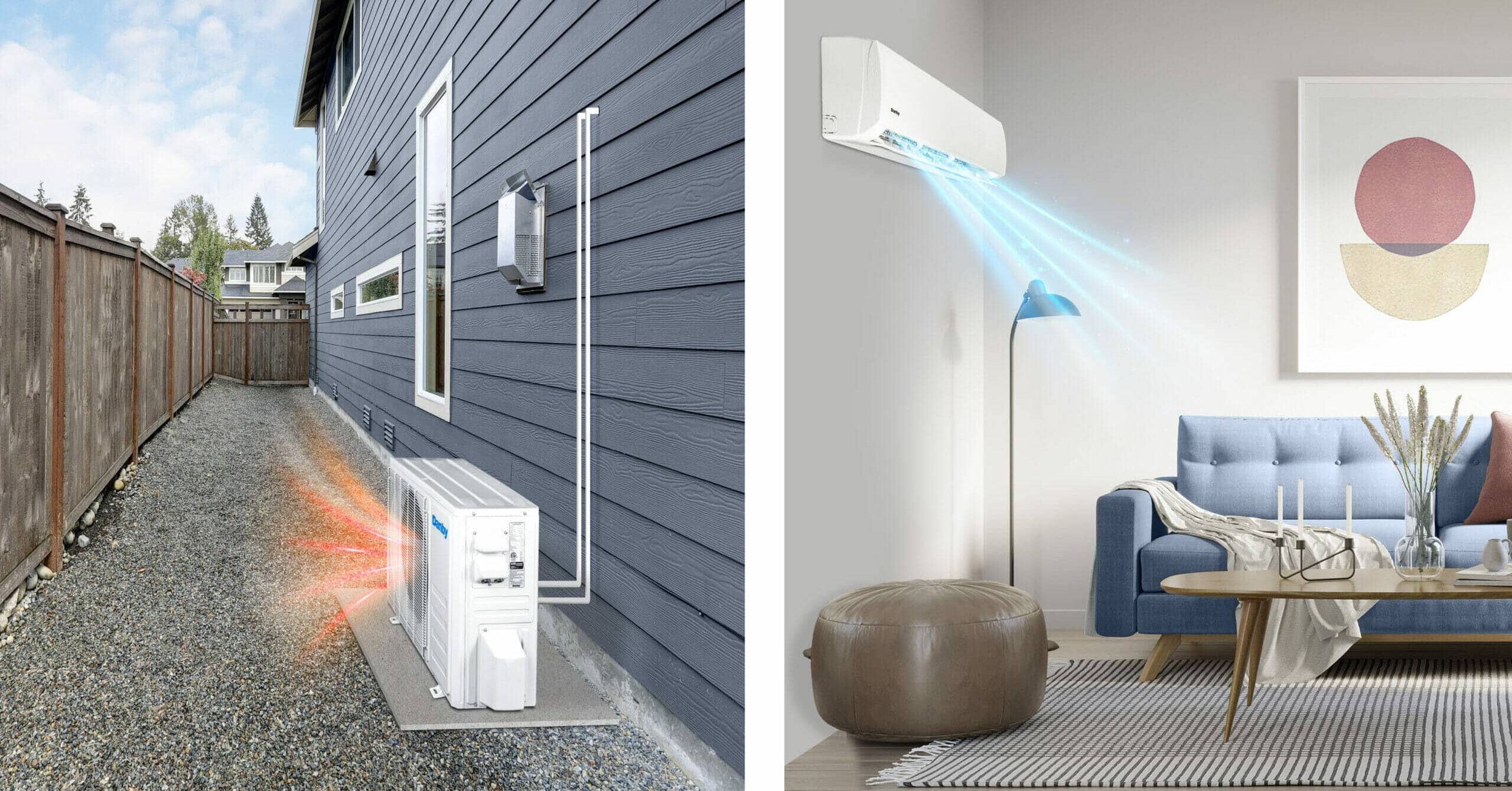
Mini-split systems consist of indoor units (often called heads or air handlers) and outdoor units (the compressor/condenser). You can connect multiple indoor heads to a single outdoor compressor, but here's the critical detail: all heads connected to the same compressor must operate in the same mode simultaneously.
For instance, if two bedrooms share a compressor, you cannot heat one while cooling the other. However, you can absolutely set different temperature targets for each room—perhaps keeping a home office cooler than the living room, or maintaining a workout space at a lower temperature than the rest of the house. This flexibility is one of the features I appreciate most.
Switching modes is remarkably simple: press the mode button and watch the icon change from a sun (heating) to a snowflake (cooling). Once I figured this out and switched all my units to cooling mode, I was amazed at how quickly the entire house became comfortable.
After mastering these basics, my enthusiasm for the system grew tremendously. Some experts recommend having backup heating for the coldest climates, but my mini-split carried me through an entire Vermont winter in complete comfort. I never once needed to activate the small electric resistance backup heaters installed in my home.
Ready to Experience Year-Round Comfort?
Discover our high-efficiency dual-zone mini-split system for whole-home climate control.
Senville 36000 BTU Dual Zone Mini SplitAs a new homeowner learning to maintain my property, one question kept nagging at me: should I have these heat pumps professionally cleaned? I had encountered conflicting opinions on this topic, and I had no knowledge of what maintenance the previous owner had performed. Given how much I care about indoor air quality, I decided to hire a local company specializing in heat pump cleaning for a thorough service.
I felt nervous about what they might discover after years of potentially neglected maintenance, but the experience turned out to be excellent. A knowledgeable, experienced technician visited my home and spent several hours meticulously cleaning each indoor and outdoor unit while patiently answering all my questions. His visit taught me several valuable lessons.
Lesson 3: Heat Pumps Offer More Than Temperature Control
The technician revealed an important feature I hadn't fully utilized: the dry setting. This function technically operates in cooling mode but uses a low fan speed specifically for dehumidification. If you have multiple heads on one compressor, you can run one on dry while another operates on cool—a combination I use frequently during humid summer months.
Despite already having an ENERGY STAR certified standalone dehumidifier in my basement, switching the heat pump to dry mode dramatically reduced how much water collected in that dehumidifier's bucket. I also noticed the basement staying consistently cooler using both systems together.
Another pleasant surprise: fewer insects. Certain bugs seek out humid environments, and with better humidity control throughout my home, I've noticed a decrease in their presence. This should also help prevent mold and mildew growth. If you need dehumidification without significant cooling, your heat pump can serve as a whole-house dehumidifier. And the noise level? Mini-splits run nearly silent—far quieter than any window air conditioner or standalone dehumidifier I've ever used.
Lesson 4: Regular Cleaning Is Manageable
About once per quarter, you should remove the filters and gently wash away any accumulated debris. If they appear especially dirty, increase your cleaning frequency. I'm neither particularly handy nor technically inclined, yet I now feel confident handling this routine maintenance myself.
One important warning: avoid using pressure washers on the delicate fins of your unit, as overly aggressive cleaning can cause damage. HVAC professionals use specially calibrated pressure washers designed specifically for this equipment. Also, never spray household chemicals into your indoor or outdoor units.
Scheduling a professional cleaning annually will keep your system running efficiently and help identify any maintenance needs before they become costly problems during extreme weather.
Lesson 5: Protect Your Units During Home Projects
Many contractors—whether HVAC specialists or otherwise—may not be familiar with mini-split systems. When having any work done on your home, even something as routine as interior painting, take simple precautions to shield your indoor units from dust and debris. A plastic bag or sheet draped over the unit works perfectly.
During my professional cleaning, the technician removed a mini-split cover that had been inexplicably caulked to the wall. He mentioned encountering all sorts of unusual situations in homes—from unnecessary modifications to units hidden behind custom furniture. This reinforced that every installation is unique, and the experiences of different technicians and homeowners can vary dramatically.
The professional service proved worth every dollar. I now have peace of mind knowing my system is properly maintained and that I'm taking meaningful steps toward better indoor air quality. Of course, air quality depends on numerous factors beyond HVAC—cooking, combustion appliances, pets, humidity, cleaning products, and personal habits all play important roles.
The Key to Heat Pump Satisfaction
For homeowners to truly appreciate their heat pump systems—and for widespread heat pump adoption to succeed—people need to understand how to operate and optimize their equipment properly. Knowledge transforms a good purchase into a great investment. Take time to learn your system's features, maintain it regularly, and you'll enjoy efficient, comfortable climate control for years to come.
Upgrade Your Home Comfort Today
Experience energy-efficient heating and cooling with our premium mini-split systems.
Senville 36000 BTU Dual Zone Mini Split