
Meet the Mini Split
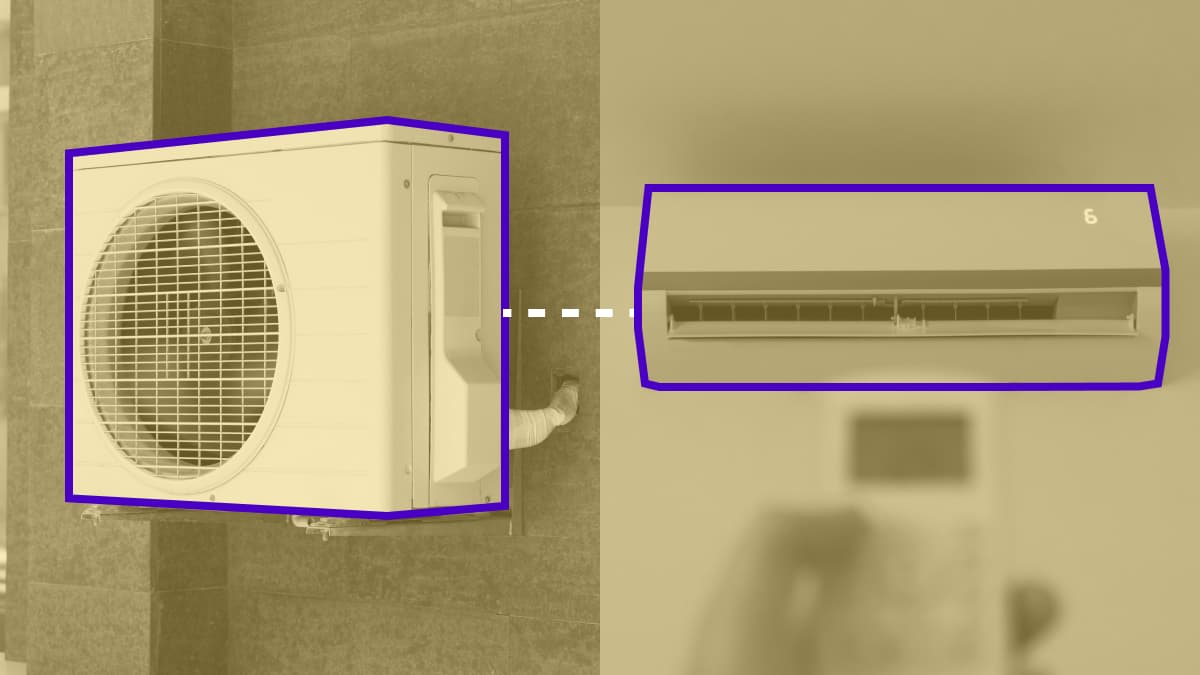
Ductless heat pumps — commonly known as mini splits — are versatile climate control systems designed to heat and cool your space without traditional ductwork. Rather than pushing conditioned air through a maze of ducts hidden in your walls and ceilings, a mini split delivers temperature-regulated air directly into a room through a sleek wall-mounted indoor unit.
These systems are typically composed of two key components: an outdoor compressor unit and one or more indoor air handlers. The indoor units mount high on a wall and connect to the outdoor unit through a small conduit, making installation far less invasive compared to traditional HVAC setups.
🌡 Offers Room-by-Room Temperature Control
Each indoor unit can be set to a different temperature, so every room in your home stays exactly as comfortable as you want — no more fighting over the thermostat.
How Does a Mini Split Actually Work?
A mini split functions similarly to a conventional air conditioning system, but with a crucial difference: it eliminates the need for air ducts entirely. In cooling mode, the system pulls warm air from inside your room, extracts the heat, and releases cool air back in. In heating mode, the process reverses — it draws heat energy from the outdoor air (even in cold weather) and transfers it indoors.
At its core, the system relies on a refrigerant cycle. The outdoor compressor pressurizes a refrigerant, which travels through a narrow conduit to the indoor unit. There, it either absorbs or releases heat depending on whether you are cooling or warming your space. This cycle of evaporation, compression, condensation, and expansion runs continuously to maintain your desired temperature.
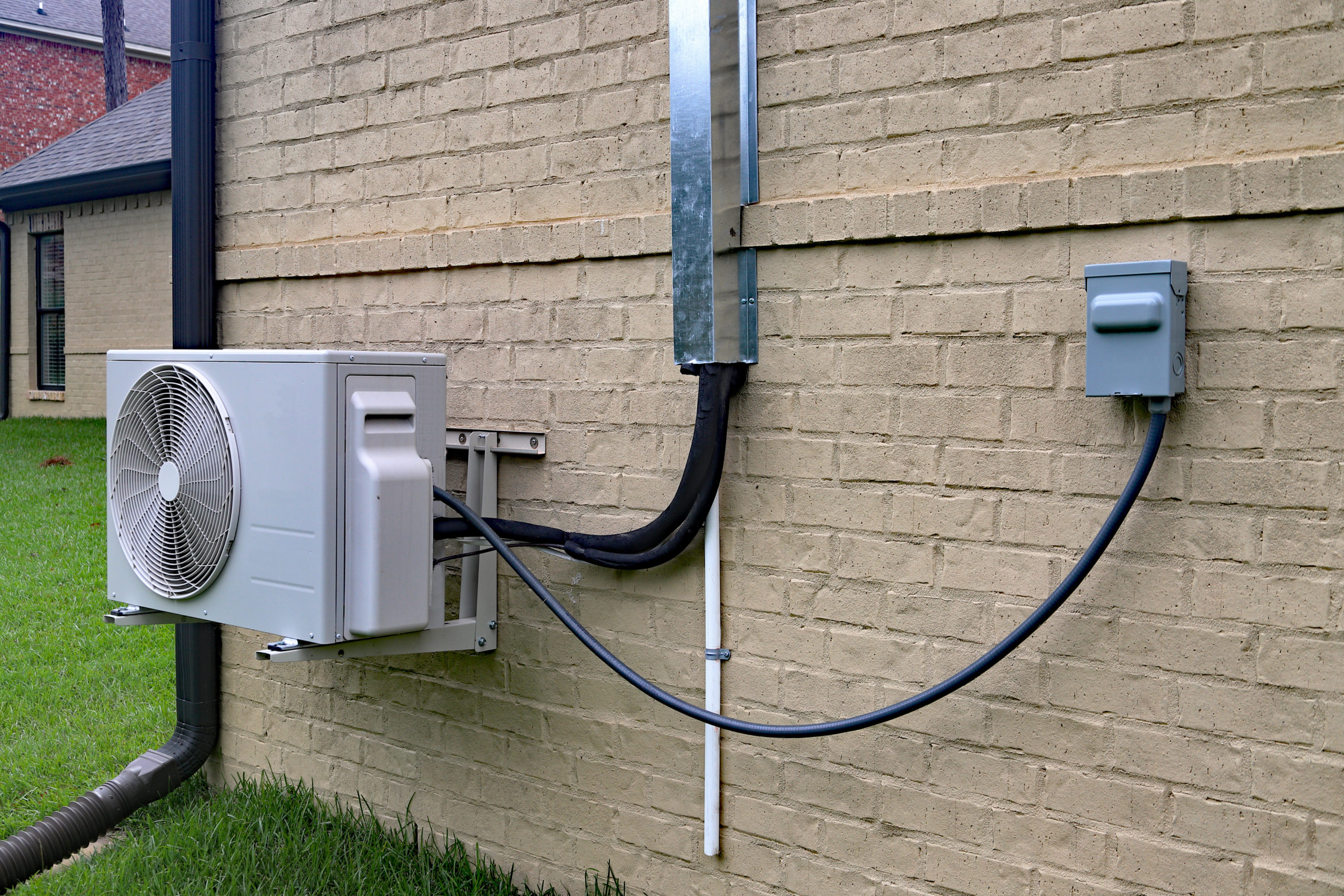
Because the refrigerant lines are the only physical connection between the indoor and outdoor units, installation requires just a small hole in the wall — making it ideal for older homes, additions, garages, or any space where running ductwork would be impractical or expensive.

Electrical Requirements for a Mini Split
Before purchasing a mini split, it is important to understand the electrical demands. Most residential mini split units operate on either 120-volt or 240-volt service, depending on the size of the system. Smaller single-zone units can sometimes run on a standard household outlet, while larger or multi-zone systems typically require a dedicated 240-volt circuit.
Each indoor unit connects to the outdoor condenser through a wiring harness, and the outdoor unit itself will need its own dedicated electrical line. Homeowners should always consult a licensed HVAC technician or electrician to confirm their panel can support the additional electrical load before installation begins.
Generally, a single-zone mini split system draws between 15 and 30 amps, while multi-zone setups may require 30 to 50 amps or more. Always refer to the manufacturer's specifications for precise amperage and breaker requirements.
Heating and Cooling "Zones" Explained
One of the standout advantages of a mini split system is its ability to create individualized climate zones within your home. Each indoor air handler operates independently, meaning you can set the living room to a comfortable 72°F while keeping the bedroom cooler at 66°F for sleeping.
A single outdoor unit can support multiple indoor units — commonly referred to as a "multi-zone" configuration. This is perfect for open floor plans, multi-story homes, or properties where different rooms have very different heating and cooling needs throughout the day.
Zoning also means you only condition the rooms you are actively using, rather than wasting energy heating or cooling an empty guest bedroom or rarely-used basement. This targeted approach is one of the biggest reasons mini splits are known for their energy efficiency.
Mounting Your Indoor Unit
The indoor air handler of a mini split system offers flexible mounting options, letting you choose the configuration that works best for your space and aesthetic preferences. The most popular choice is the high-wall mount, which positions the unit near the ceiling for efficient air distribution across the room.
Beyond the wall mount, there are several other installation styles to consider:
Wall-Mounted
The most common style — installed high on a wall, ideal for even air distribution across living spaces and bedrooms.
Floor-Standing
Sits low near the floor, making it a great choice for rooms with large windows, attic spaces, or areas with limited wall space.
Ceiling Cassette
Recessed into the ceiling for a discreet, built-in look — perfect for commercial spaces or modern home interiors.
Concealed Duct
Hidden behind walls or ceilings with only a small vent visible — the best option when appearance is a top priority.
Key Benefits of Mini Split Systems
⚡
Energy Efficiency
Ductless systems can be 25-50% more efficient than traditional forced-air setups, slashing utility bills significantly over time.
🏠
Individual Room Control
Set different temperatures in different rooms — no more household thermostat wars or wasted energy in empty spaces.
🔨
Easy Installation
No ductwork required means faster, less invasive installation — often completed in a single day by a qualified technician.
🔇
Whisper-Quiet Operation
Indoor units operate at noise levels as low as 19 decibels — quieter than a whisper, perfect for bedrooms and home offices.
🍃
Better Air Quality
Built-in multi-stage filtration reduces dust, allergens, and bacteria — without the contamination risks associated with aging ductwork.
💰
Dual Heating & Cooling
One system handles both summer cooling and winter heating, eliminating the need for separate furnace and AC investments.
Mini Splits vs. Central Air Conditioning
Deciding between a mini split and a central air conditioning system largely depends on your home's existing infrastructure, your budget, and your comfort priorities. Both systems have legitimate strengths, and the right choice varies from household to household.
| Feature | Mini Split | Central A/C |
|---|---|---|
| Installation | Minimal — no ducts needed | Requires full ductwork |
| Zone Control | Individual room control | Single thermostat for whole home |
| Energy Efficiency | Higher — no duct losses | Lower — duct leaks common |
| Upfront Cost | Lower for 1–3 zones | Lower for whole-home cooling |
| Heating Capability | Built-in heat pump | Requires separate furnace |
| Noise Level | Very quiet (19–40 dB) | Moderate (50–70 dB) |
Why Choose a Mini Split?
Mini splits shine in situations where running ductwork is impractical, expensive, or simply unnecessary. They give you granular control over which rooms receive heating or cooling and when, which translates directly into energy savings. If you are adding a room, converting a garage, or retrofitting an older home, a mini split is frequently the smartest and most cost-effective solution.
They are also the preferred option for homeowners who want to transition away from fossil fuels, since modern heat pump mini splits can provide efficient heating even in sub-zero temperatures — something that was not possible with earlier generations of the technology.
Why Choose Central Air?
If your home already has a well-maintained duct system and you want uniform cooling across every room with a single system, central air conditioning might be the better fit. The upfront cost of whole-home central AC can also be lower than installing multiple mini split zones, and many homeowners prefer the completely hidden look since all components are tucked away behind walls and in utility closets.
Featured Product
Senville AURA 18000 BTU Multi Zone Mini Split
Powerful multi-zone heating and cooling with inverter technology — designed for year-round comfort in every room of your home.

Two Major Appliances for the Price of One
When you invest in a mini split heat pump, you are essentially getting two appliances in one. During summer months, the system works as a highly efficient air conditioner, pulling heat from your living spaces and exhausting it outdoors. When winter arrives, it reverses direction and acts as a heater, extracting thermal energy from the outside air and channeling it inside.
This dual functionality means you no longer need to maintain separate heating and cooling equipment. That translates into lower overall equipment costs, less maintenance, and fewer points of failure in your home comfort system. For many homeowners, this alone makes the switch to a mini split well worth considering.
Higher-Quality Air in Every Room
Central ducted systems circulate air through long networks of ductwork that can collect dust, mold, and allergens over time. With a mini split, the air in each room is conditioned independently by its own dedicated unit equipped with multi-stage filtration — resulting in noticeably cleaner, fresher air.
Many modern mini split indoor units include washable filters and advanced filtration layers that capture fine particulates and bacteria, making them an excellent choice for allergy sufferers or anyone who prioritizes indoor air quality.
Built-In Dehumidification
Every air conditioning system removes some moisture from the air as part of the cooling process, but mini splits take this a step further. Many models include a dedicated dehumidification or "dry" mode that actively reduces indoor humidity without significantly lowering the temperature — perfect for damp climates or muggy shoulder seasons.
With a central air system, your choices for humidity management are more limited. A mini split gives you the flexibility to fine-tune comfort levels room by room, keeping humidity in check exactly where it matters most.
Potential Downsides to Consider
Upfront Investment
While mini splits are extremely cost-effective to operate, the initial purchase and professional installation can carry a higher price tag compared to a basic window unit or portable AC. A single-zone system typically ranges from around $1,500 to $4,000 installed, while multi-zone configurations can cost significantly more. However, the long-term energy savings and reduced maintenance costs often offset the upfront expense within a few years.
Aesthetic Considerations
Not everyone loves the look of a wall-mounted indoor unit. While modern designs have become increasingly sleek and compact, the indoor air handler is still a visible appliance mounted on your wall. For homeowners who prefer a completely hidden HVAC system, ceiling cassette or concealed duct options offer a more discreet alternative — though they come at a higher price point.
Whole-Home Coverage
If you need to heat and cool every room in a large home, installing multiple indoor units can become more expensive than a single central air system. Multi-zone mini split setups scale the cost with each additional zone, so for homes with six or more rooms requiring climate control, central air may still be the more economical route.
Frequently Asked Questions
Do I need a mini split in every room?
Not necessarily. A mini split system can serve as the primary climate control for your whole home, or it can complement your existing system by targeting specific rooms or areas that are hard to heat and cool. Many homeowners install mini splits in their most-used spaces — such as the living room, master bedroom, and home office — while relying on their existing system for the rest of the house.
Are mini splits noisy?
Modern mini split indoor units are among the quietest HVAC equipment available. Most operate at sound levels between 19 and 40 decibels indoors — roughly the volume of a whisper to a quiet library. The outdoor compressor units are slightly louder but still considerably quieter than traditional central air condenser units.
Can I install a mini split myself?
While some brands market DIY-friendly installation kits, professional installation is strongly recommended. A certified HVAC technician can ensure the refrigerant lines are properly charged, the electrical connections meet code, and the system operates at peak efficiency. Improper installation can void warranties and lead to costly repairs down the road.
Do mini split units come in different colors?
Most indoor units ship in white, which blends well with a wide range of interior styles. However, some manufacturers offer black or silver options, and aftermarket covers and custom wraps are available to help the unit blend even more seamlessly into your decor.
What size mini split do I need?
Sizing depends on the square footage of the room, the climate in your area, ceiling height, insulation quality, and how many windows the room has. As a general rule, you need approximately 20 BTU per square foot — so a 500-square-foot room would typically require a 10,000 BTU unit. However, a professional load calculation is always the most accurate way to determine the right size for your specific needs.

Ready to Upgrade Your Home Comfort?
Explore the Senville AURA 18000 BTU — a powerful, efficient multi-zone mini split built for year-round performance.
Senville AURA 18000 BTU Mini Split