

A dependable HVAC system is essential for maintaining a comfortable and well-regulated indoor environment throughout the year. The importance of a high-quality heating, ventilation, and air conditioning setup goes beyond just keeping the temperature right — it plays a significant role in energy savings, air quality, and overall household comfort.
Today's homeowners can select between single zone and multi-zone ductless mini split systems, each providing flexible options for personalized climate management. A single zone mini split pairs one outdoor compressor unit with one indoor air handler to condition a single area. A multi-zone system, on the other hand, connects one outdoor unit to two or more indoor units, enabling precise temperature adjustments across multiple rooms simultaneously.
When a multi-zone system serves just two rooms, it is commonly called a 2-zone ductless mini split. For this guide, we will use the term "2-zone system" throughout, though keep in mind that many multi-zone configurations can accommodate additional indoor units for expanded coverage as your needs grow.
If you have ever wondered "what exactly is a ductless air conditioner?" — the answer is straightforward. A ductless mini split system is made up of one outdoor compressor unit paired with one or more indoor air handlers, all connected by refrigerant lines and electrical wiring. This eliminates the need for bulky ductwork entirely. Beyond streamlined installation, ductless mini splits boost energy efficiency by avoiding the energy losses associated with traditional ducted systems. They also provide whisper-quiet operation, flexible heating and cooling capabilities, and minimal maintenance requirements — making them an increasingly popular choice for homeowners who want personalized comfort without compromise.
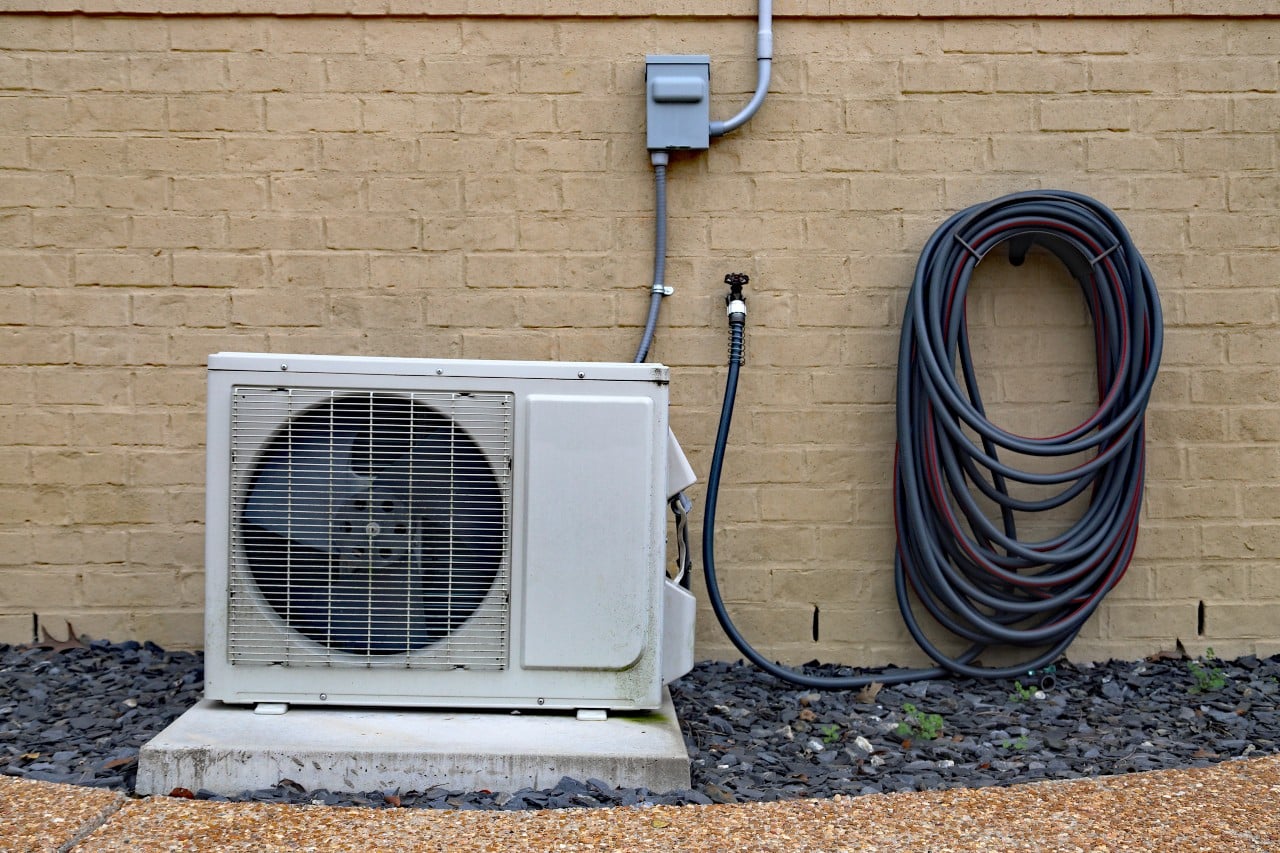
Difference Between Single and Dual Zone Mini Split
Choosing between a single zone and a dual zone ductless system is one of the most important decisions when upgrading your heating and cooling setup. Ductless systems have surged in popularity thanks to their efficiency and adaptability, but knowing whether a single or dual zone layout best fits your situation is critical.
We will break down the key differences, benefits, and potential drawbacks of each configuration so you can make a well-informed choice that optimizes comfort and energy usage in your living space.
Advantages & Disadvantages of Single Zone Ductless Mini Split
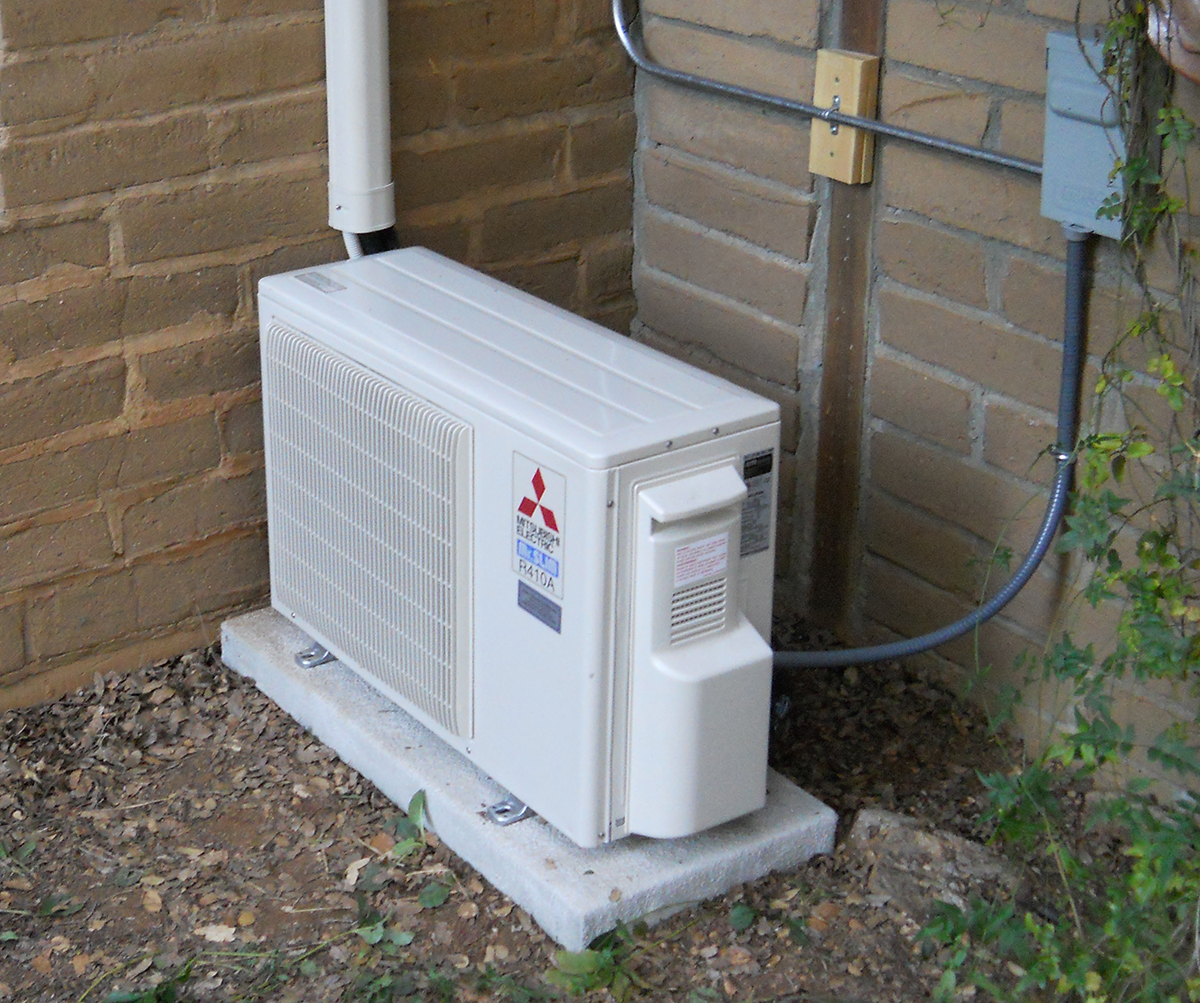
Single zone ductless mini split systems deliver focused comfort to individual rooms or areas, making them a go-to solution for targeted add-on heating and cooling. They are also a favored pick for energy-minded homeowners looking to supplement existing setups. Below, we highlight the main benefits and limitations to help you determine if a single zone configuration suits your needs.
✦ Advantages
Budget-Friendly Pricing: Single zone ductless systems are generally more affordable upfront than their 2-zone counterparts, since you only need one outdoor and one indoor unit. This keeps both equipment and installation costs down significantly.
Quick and Simple Installation: With fewer components and no ductwork involved, single zone systems can be installed quickly. Wall-mounted indoor units are straightforward to set up, meaning your system can be running in minimal time.
Space-Saving Design: These units save room without sacrificing performance. Whether wall-mounted or ceiling-recessed, single zone mini splits are compact and unobtrusive, allowing you to enjoy efficient climate control while preserving the look and feel of your living space.
✧ Disadvantages
Limited Coverage Area: Although highly efficient, single zone mini splits are designed for one specific space. They may fall short when it comes to conditioning larger areas or multiple rooms at once.
Fewer Style Options: Multi-zone systems often come with a variety of indoor unit types — wall-mounted, ceiling cassette, floor-standing, and concealed duct models. Single zone systems may offer fewer design choices, which could be a consideration for those who want the indoor unit to blend seamlessly into a room.
Advantages & Disadvantages of Multi Zone Mini Split Systems
Dual and multi-zone mini split systems bring together a comprehensive package of benefits along with some trade-offs. It is important to carefully evaluate both sides before committing to a purchase decision.
✦ Advantages
Zoning Capabilities: One of the standout features of a multi-zone system is the ability to create distinct climate zones for individual rooms. Each zone can be heated or cooled independently based on personal preference, with options ranging from 2-zone setups all the way up to configurations serving four or more areas.
Centralized Control: With a multi-zone ductless system, you gain the convenience of managing and adjusting settings for several rooms from a single point. This centralized approach simplifies day-to-day operation and enhances overall system efficiency.
Energy Efficiency: Multi-zone mini splits are recognized for their impressive energy performance. By directing conditioned air only to occupied rooms, they help cut down on wasted energy and lower monthly utility bills — since there is no need to heat or cool unused spaces.
✧ Disadvantages
Higher Initial Investment: The upfront cost of a dual or multi-zone ductless system is typically greater than a single zone unit. However, it is worth noting that the long-term energy savings often offset this initial expense over time.
Installation Complexity: Installing a multi-zone system involves more planning and coordination compared to a single zone setup. While still far less involved than traditional ducted systems, the additional indoor units and refrigerant lines do add some complexity. Despite this, the efficiency benefits frequently justify the extra installation effort.
Weighing these advantages and disadvantages carefully will put you in the best position to make a confident, well-informed decision based on your specific needs and priorities.
How to Choose a Ductless Mini Split System
Selecting the ideal ductless heating and cooling system for your home starts with a clear understanding of what you actually need. If the appeal of a single zone system lies in its simplicity and focused coverage, it may be the perfect fit for smaller homes, individual rooms, or converted spaces like garages and sunrooms.
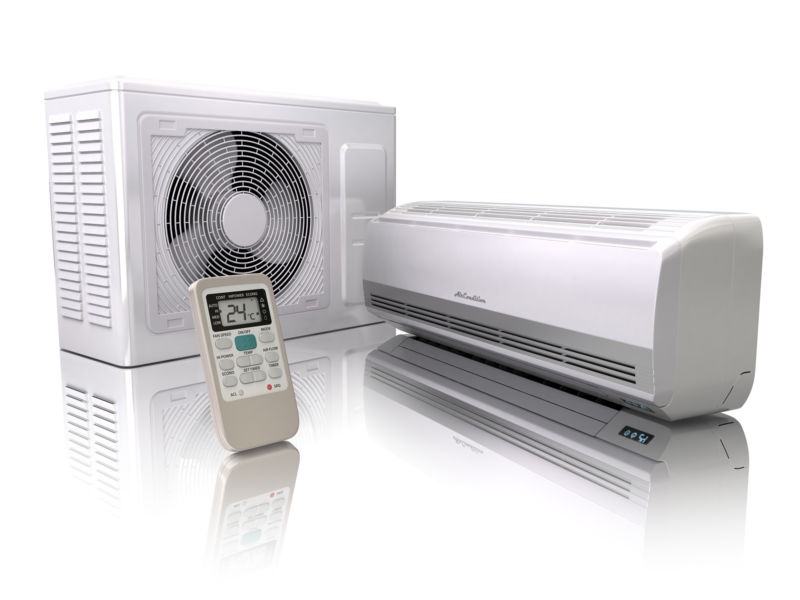
For larger residences or households where individual room-by-room temperature control is a priority, a multi-zone ductless system is likely the smarter investment. These advanced configurations allow homeowners to tailor the climate in different rooms independently, creating distinct comfort zones throughout the entire house. With the ability to customize each zone, you maximize energy efficiency and maintain your desired temperature in every living area.
Key factors to consider include the size of your home, the number of rooms you want to condition, and your overall heating and cooling demands. By choosing the right ductless mini split system tailored to your unique requirements, you can enjoy enhanced comfort, improved energy efficiency, and a climate control solution that aligns perfectly with your lifestyle.
Featured Product
Senville AURA 18000 BTU Multi Zone Mini Split
Heat Pump & Air Conditioner — Perfect for Multi-Zone Comfort

Energy Efficiency Tip
Whether you go with a single zone or multi-zone configuration, ductless mini splits consistently outperform traditional HVAC systems in energy efficiency. Avoid heating or cooling rooms that are not in use to get the most out of your system — multi-zone setups make this effortless with independent zone controls.