
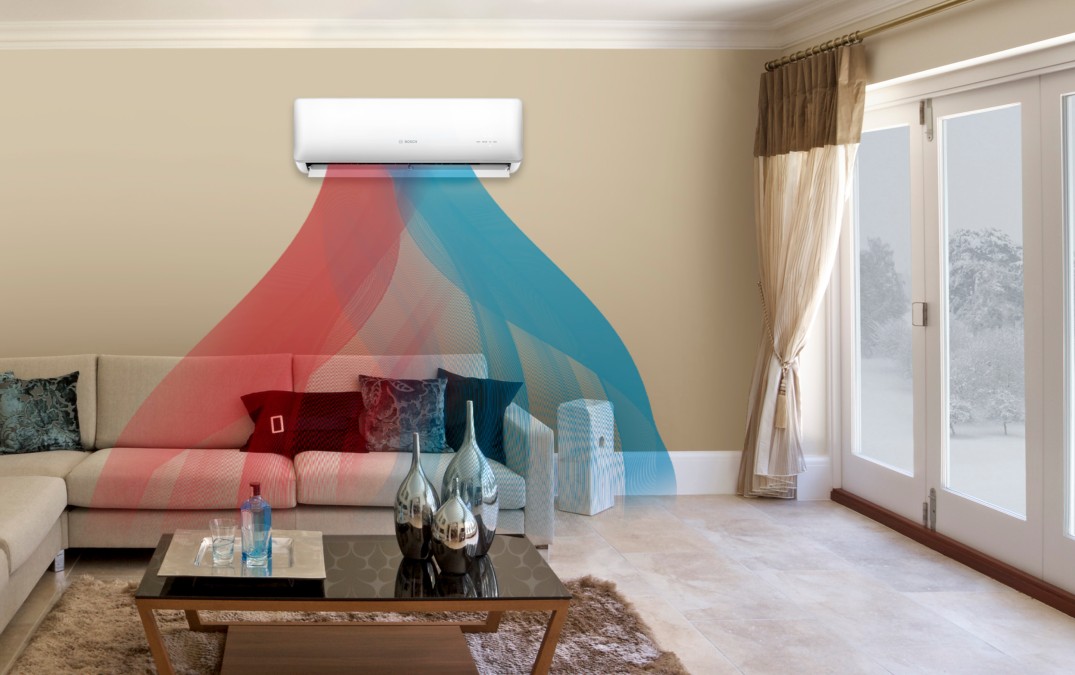
Here are six compelling reasons to go ductless on your next installation:
Perfect for Home Additions
With remote work becoming a permanent fixture for millions of households, the home office has gone from a luxury to a necessity. Hybrid schedules and telecommuting trends are projected to continue expanding throughout the decade, and makeshift workspaces at the kitchen counter simply aren't cutting it anymore. More homeowners are committing to dedicated additions — whether it's a proper office, a finished garage, or a basement conversion.
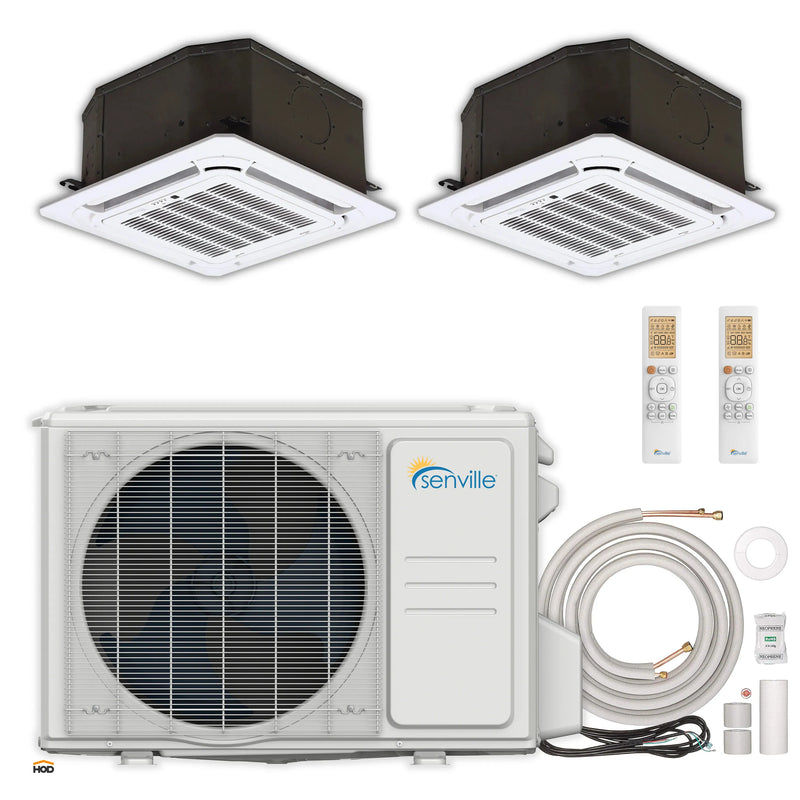
For these kinds of projects, a mini-split heat pump is an ideal climate solution. Since no ductwork is required, installation is straightforward and minimally invasive. The system consists of a compact outdoor unit paired with one or more sleek indoor air handlers, scaled to match the number of spaces being conditioned.

Great for New Construction
Mini-splits are also an excellent choice for new builds. Modern construction trends are increasingly moving away from traditional ductwork — and for good reason. Installing ducts is expensive and space-consuming, often requiring builders to sacrifice closet space, lower ceiling heights, or compromise the architectural flow of a structure.
Ductless mini-split systems eliminate these trade-offs entirely. By going ductless, builders free up valuable square footage and preserve the clean aesthetic of the home or building.
Significant Energy Savings for Homeowners
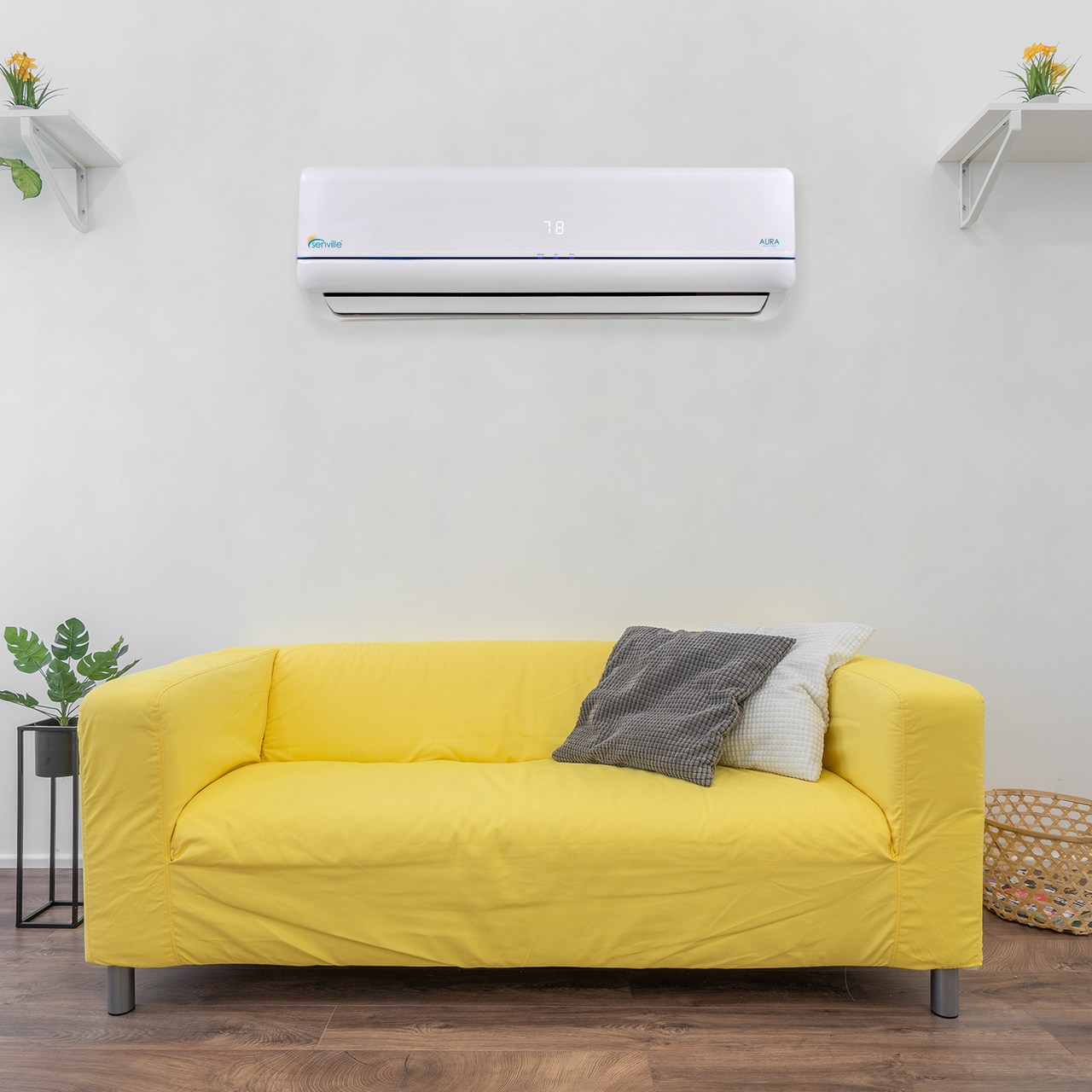
Imagine an installation that spans multiple rooms. One of the standout advantages of a multi-zone ductless system is the ability to set individual temperatures for each room. Perhaps someone likes their bedroom a few degrees cooler at night while keeping the living area toasty — mini-splits make that effortless. This level of precision not only improves comfort but can also lead to meaningful reductions in energy costs over time.
When it comes to efficiency, ductless systems avoid the substantial energy losses that plague conventional ducted setups. According to energy experts, over 30% of energy used for air conditioning can be wasted through ductwork alone. That's a significant figure — and a powerful selling point for homeowners looking to lower their utility bills.
No Ductwork? No Problem.
Conventional heat pumps and central air systems depend on an elaborate network of ducts to distribute conditioned air. During a renovation, extending or rerouting that ductwork for even a single additional room can become a costly and disruptive ordeal.
Mini-splits sidestep this issue completely. They allow homeowners and contractors to install HVAC in any room or area without touching the existing duct system in the rest of the house. No ductwork needed, no messy renovations required.
Easy to Install and Low Maintenance
For HVAC professionals, mini-splits are refreshingly simple to install. Compared to laying ductwork — a prerequisite for any traditional central air system — setting up a ductless unit is faster, more affordable, and far less complex. Homeowners will also appreciate that ongoing maintenance is generally easier and more manageable throughout the system's lifespan.
The electrical, refrigerant, and condensate lines connecting the indoor and outdoor components run through a small opening — typically around three inches in diameter — in an exterior wall. The outdoor condenser sits unobtrusively outside, while up to five indoor air handlers can be discreetly placed throughout the home.

Steady Market Growth
While mini-splits have been a mainstay in Asian markets — particularly in India, China, and Japan — for decades, they've only recently gained real traction in the United States. However, market trends now show a clear surge in consumer interest and adoption. According to recent industry reports, growth projections include:
- The overall U.S. ductless market is projected to grow by 9–10% annually
- Single-zone systems are expected to increase by 8% annually
- Multi-zone systems are projected to rise by 15% annually
These numbers signal a strong and growing demand — making ductless systems a smart investment for both homeowners seeking comfort and professionals looking to stay ahead of the curve.
Featured Product
Ready to Go Ductless?
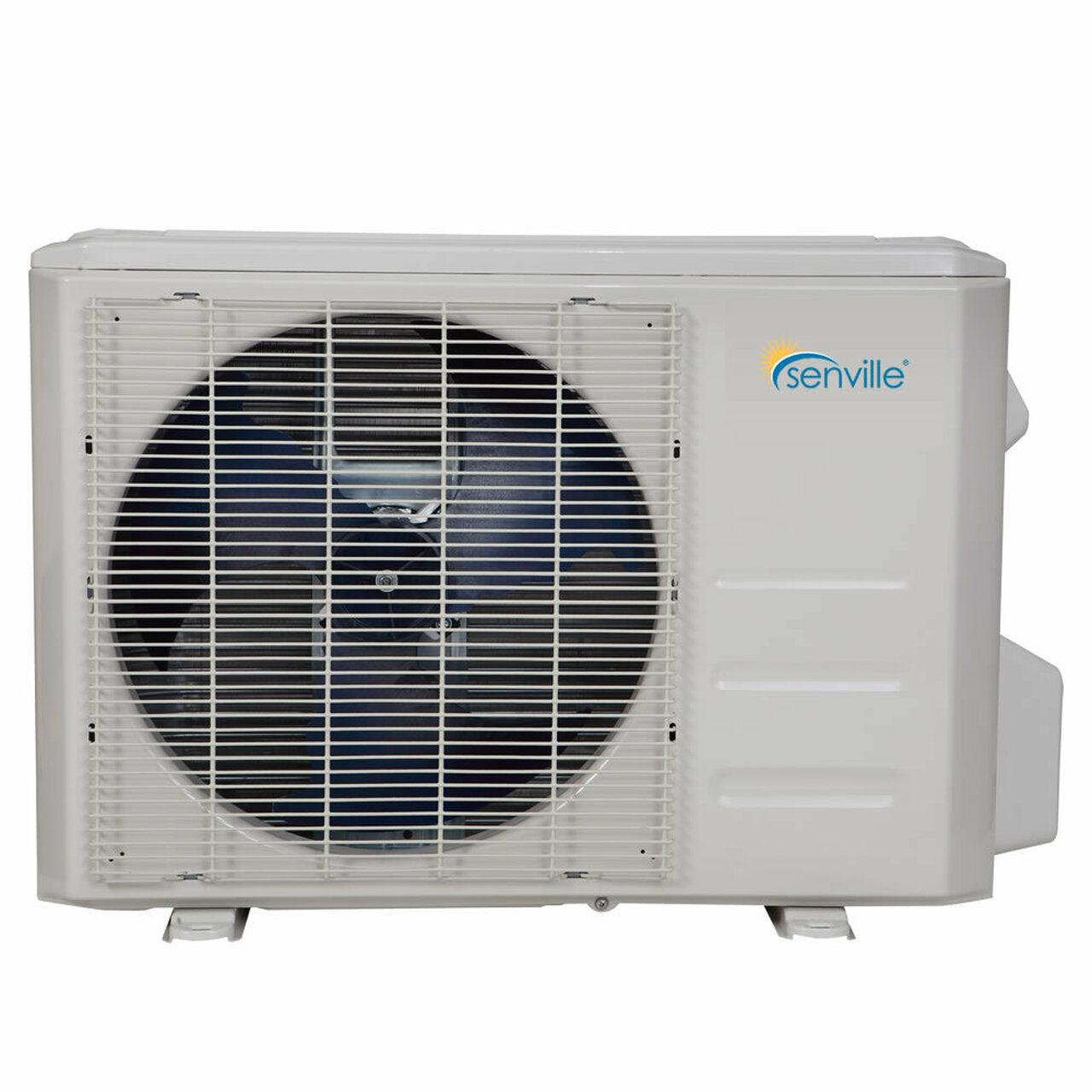
Explore top-rated multi-zone mini-split systems designed for efficient whole-home comfort — no ductwork required.
Senville AURA 18000 BTU Mini Split