
What Exactly Is a Ductless Heat Pump?
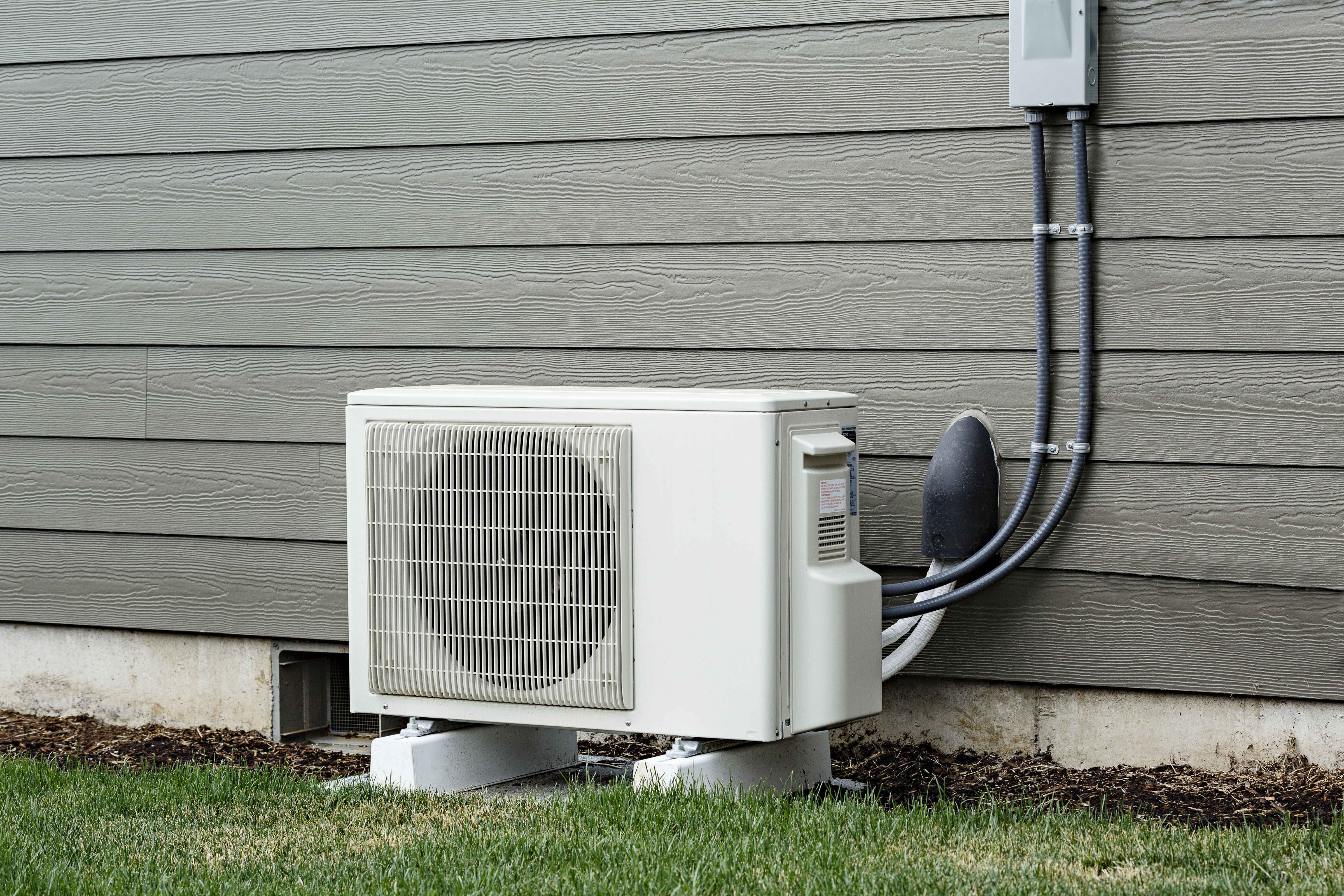
A ductless heat pump, often referred to as a mini-split heat pump, offers homeowners a highly efficient and practical way to manage indoor temperatures without relying on traditional ductwork. While conventional central air conditioning units push air through an elaborate network of ducts and vents, ductless systems take a different approach entirely. They are mounted directly in the rooms or zones you want to heat or cool, eliminating the need for ducts altogether.
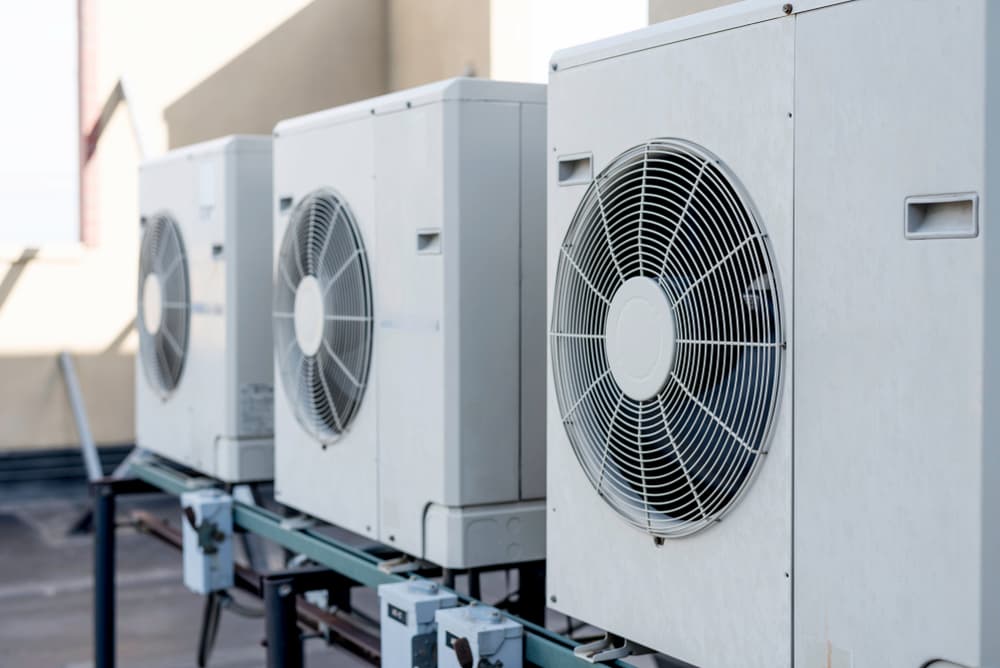
At their simplest, single-zone mini-split heat pumps consist of just one indoor unit paired with a single outdoor unit. However, you can expand to a multi-split configuration with up to five indoor units linked to one outdoor compressor. This allows you to condition up to five separate spaces independently — all without installing a single inch of ductwork. It is this kind of flexibility that makes ductless mini-split systems such an appealing option for whole-home or room-specific temperature control.
How Does a Mini-Split Heat Pump Work?
To understand the ductless mini-split, you first need to understand the basic principles of how any heat pump operates. Heat pumps are unique because they serve a dual purpose — they can both heat and cool your home depending on the season and your comfort needs. During colder months, a heat pump draws thermal energy from the outdoor air (or ground) and moves it inside your home. When summer arrives, the process reverses: the system pulls heat from indoors and sends it outside, effectively cooling your living space.
This reversal is made possible by a component called the reversing valve (sometimes called a switchover valve), which changes the direction of refrigerant flow within the system. The heat pump automatically manages this switch based on the temperature you set on the thermostat, so you never have to manually intervene.
In a ductless mini-split system, the indoor and outdoor units are connected by a pipe that circulates refrigerant — a chemical compound that absorbs and releases thermal energy. This refrigerant is the workhorse of the whole operation, carrying heat between the two units through a continuous cycle.

How a Ductless Heat Pump Cools Your Home
The cooling cycle of a ductless heat pump follows a process very similar to a standard air conditioning unit. Here is how it breaks down step by step:
The cycle starts when warm air from inside your home is drawn into the indoor unit. This heat is absorbed by the refrigerant flowing through the indoor coil.
The heat passes over the indoor coil, and the refrigerant inside absorbs it, carrying it away from the living space.
The refrigerant then travels through the connecting pipe to the outdoor unit, where the compressor increases the pressure and temperature of the refrigerant even further.
Finally, the superheated refrigerant reaches the outdoor coil, where the trapped heat from your home is released into the outside air. The refrigerant cools down and cycles back indoors to repeat the process.
How a Ductless Heat Pump Heats Your Home
When the seasons change and you need warmth instead of cooling, the reversing valve flips the flow of refrigerant so the system can extract heat from the outdoor air and deliver it inside. The system manages this transition automatically based on your thermostat settings. Here is what happens during the heating cycle:
Thermal energy from the outdoor air is drawn into the outdoor unit and absorbed by the refrigerant in the outdoor coil.
The refrigerant, now carrying the absorbed heat, moves to the compressor, where additional energy is added to raise its temperature significantly.
The hot refrigerant travels through the pipe to the indoor unit, where it enters the indoor coil.
The stored heat is released into your home, warming the room. The refrigerant then cools down and heads back outside to begin the process again.
Types of Ductless Heat Pump Systems
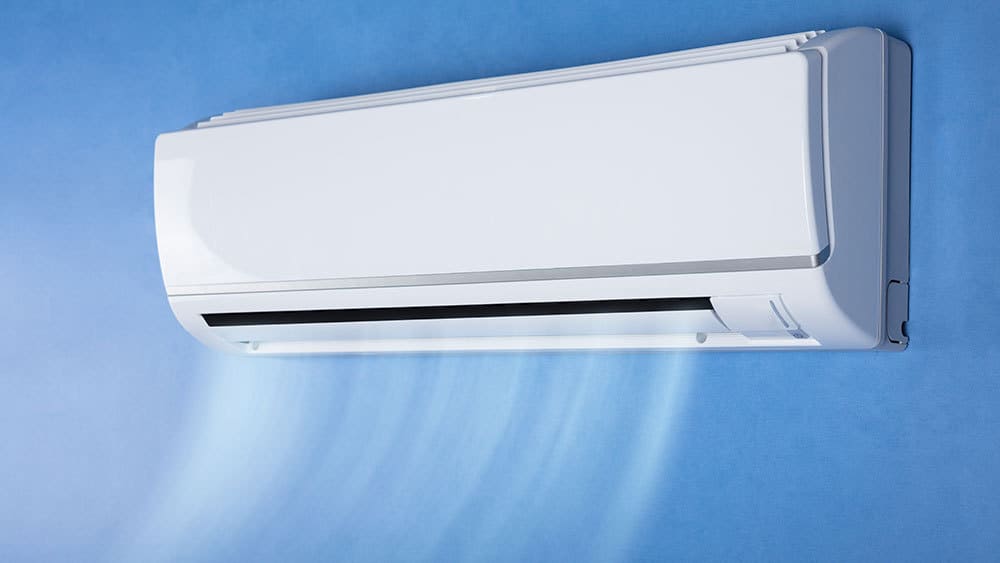
One of the great advantages of ductless mini-splits is their versatility in placement. Unlike ducted systems that rely on a fixed network of vents, ductless units can be mounted virtually anywhere in your home. Common installation styles include wall-mounted units, floor-standing models, and ceiling cassette configurations. This variety of mounting options makes it easy to find a setup that works with your room layout and aesthetic preferences.
7 Reasons a Ductless Heat Pump Might Be Perfect for Your Home
A ductless heat pump is not a one-size-fits-all solution, but certain situations make it an especially smart investment. If any of the following scenarios sound familiar, going ductless could be the right move:
1. Your home or the specific space you want to condition does not currently have any ductwork installed.
2. You need climate control for just one area of your home — such as an attic, garage, sunroom, or home addition — rather than the entire house.
3. You want to prioritize energy efficiency and reduce your carbon footprint with a modern heating and cooling system.
4. You have recently added a new room or extension to your home and need to bring it up to comfortable temperatures.
5. There is a room or zone in your home that consistently runs too hot or too cold compared to the rest of the house.
6. You share your home with family members or housemates who have different temperature preferences.
7. You are not ready to commit to a full whole-home HVAC system and prefer a scalable, zone-by-zone approach.
How to Choose the Right Ductless Heat Pump
Once you have decided a ductless system is the right path, the next step is selecting the right configuration. This largely comes down to how many spaces you need to condition. A straightforward rule of thumb applies: if you only need to heat or cool one room or zone, a single-zone ductless system will get the job done efficiently.
If multiple rooms require climate control — or if people in your household prefer different temperatures in different spaces — then a multi-zone ductless system is the better choice. With a multi-zone setup, you can deliver heated or cooled air throughout your home while still giving each zone its own independent thermostat for personalized comfort.
Ductless Heat Pump Cost and Lifespan
The overall cost of a ductless heat pump system depends on several factors, particularly how many indoor units you plan to install. As mentioned earlier, mini-split systems are available in both single-zone and multi-zone configurations, with the potential to connect up to eight indoor units to a single outdoor compressor.
You can generally expect to spend anywhere from $3,000 to over $10,000 for a complete mini-split installation. The final cost hinges on the system size, whether it is a single-zone or multi-zone setup, and any additional electrical upgrades or complex installation requirements your home may have.
Although the upfront investment might feel significant, keeping up with regular maintenance can dramatically extend your system's life and keep it performing at peak efficiency. The average lifespan of a well-maintained ductless heat pump falls somewhere between 15 and 30 years, depending on the model, usage patterns, local climate, and how diligent you are about servicing it.
Pros and Cons of a Ductless Heat Pump
Like any HVAC investment, going ductless comes with its share of advantages and trade-offs. Here is a balanced look at what you can expect.
Pro: Outstanding Flexibility
Ductless heat pumps are remarkably versatile. With a multi-zone configuration, you can independently heat or cool up to eight separate rooms or areas. Each indoor unit connects to its own thermostat, so everyone in the household can set their ideal temperature without compromising anyone else's comfort. This level of zone-by-zone customization is something traditional ducted systems simply cannot match.
Pro: Superior Energy Efficiency
Because ductless systems bypass ductwork entirely, they eliminate one of the biggest sources of energy waste in traditional HVAC setups. Leaky, poorly insulated, or aging ducts can account for hundreds of dollars in lost energy every year. With a ductless system, conditioned air goes directly from the unit to the room — no energy wasted in transit. This can translate to meaningful savings on your monthly utility bills.
Pro: Simple Installation Process
Ductless mini-split installation is refreshingly straightforward. All that is needed to connect the indoor and outdoor units is a small, roughly 3-inch hole through the wall. HVAC professionals have access to a range of wire and refrigerant line lengths, making it possible to place the indoor and outdoor units anywhere from 1 to 50 feet apart. No major renovations, no tearing into walls or ceilings — just a quick, clean setup.
Con: Visible Indoor Units
Traditional central air systems have the advantage of being largely hidden — the outdoor condenser sits outside, and the air handler is tucked away in the attic, basement, or a utility closet. With a ductless system, the indoor unit is mounted in the room it serves, which means it is visible. While modern designs have become sleeker and more discreet, some homeowners still prefer the completely hidden look that ducted systems provide. This is entirely a matter of personal taste.
Con: Higher Upfront Installation Cost
While the installation process itself is simple, the price tag can climb quickly — especially with multi-zone systems. A single-zone setup with one indoor and one outdoor unit is relatively affordable. But when you start adding multiple indoor units, costs increase with each one. In some cases, outfitting a home with several ductless zones can actually be more expensive than installing a traditional ducted system from scratch. Additionally, ductless units tend to carry a higher price tag per unit compared to standard window air conditioners.
Con: Sizing Can Be Tricky
Getting the right size for a ductless system is critical. An undersized or oversized unit will lead to a frustrating problem known as short cycling, where the system turns on and off too frequently without properly heating or cooling the space. This not only wastes energy and money but also places unnecessary strain on the equipment, potentially shortening its lifespan.
Mini-Split Heat Pump Installation: What to Expect
A ductless heat pump installation should always be handled by a licensed HVAC technician, but understanding what the process looks like can help you prepare. On average, installation takes around five hours, though the timeline can stretch depending on the number of units being installed.
One of the key benefits of the ductless approach is that indoor units are installed directly into the rooms where they are needed, so no major structural work is required. Before the technician arrives, make sure to clear furniture and create easy access to each room designated for a ductless unit.
The technician will typically start with the outdoor unit, then move inside to drill small holes in each wall for the refrigerant lines that connect the indoor and outdoor components. The indoor units are then mounted, connected via piping, and tested. If needed, individual thermostats can be installed in each zone for independent temperature control.
Once everything is connected and tested, your new ductless system is ready to go. Just remember to keep your installer's contact information on hand for future maintenance needs or any troubleshooting that may come up down the road.
