
You have likely come across terms like ductless, mini split, or wall-mounted cooling system. So what exactly is a ductless air conditioner? It is exactly what the name suggests — a climate control system that requires no ductwork at all. Whether you are building a new home, upgrading an older property without existing ducts, expanding with a room addition, or simply want precise year-round temperature control in a specific area, a ductless mini split system offers an efficient and versatile solution. Read on to explore what these systems are, how they function, their SEER efficiency ratings, installation advantages, and much more.
What Is a Mini Split Air Conditioner?
At its core, a ductless mini split system consists of two primary components: an outdoor compressor unit and an indoor air handler, linked together by refrigerant tubing and electrical wiring. The indoor unit is typically mounted on a wall and delivers heated or cooled air straight into the living space — completely eliminating the need for any ductwork. When set up this way with a single indoor unit, it is referred to as a single-zone system, designed to regulate the temperature in one targeted area of your home.
For whole-home coverage, a multi-zone ductless system pairs one outdoor compressor with up to five individual indoor units, each independently controlled. This means every room or area in your house can maintain its own ideal temperature setting, providing personalized comfort throughout your entire living space.
Since multiple styles of indoor units are available and installation only requires a small opening in the wall for the refrigerant line and wiring, ductless HVAC systems rank among the easiest and most adaptable climate control solutions to install.
How Does a Mini Split Work?
Remarkably well, if we may say so. Ductless air conditioning systems follow the same fundamental cooling process used by traditional central air systems. The key difference? While central AC relies on a network of ducts and vents to push conditioned air from a single location into every room, a ductless indoor unit delivers cooled or heated air directly into its designated living space — no middleman required.
A complete split-system cooling setup includes an indoor unit with an evaporator coil and blower fan, along with an outdoor unit housing a compressor, condenser coil, and fan. These two components are connected through copper refrigerant tubing and electrical wiring. Ductless AC units are effective for virtually any room in the home:
Wall-Mounted Units
Can be installed directly on an interior wall regardless of ceiling height, fitting neatly into any room layout.
Console Units
Ideal for spaces where wall mounting is not practical or desired, providing flexible floor-level placement.
Concealed Duct Units
In-ceiling ducted units are hidden from view where ceiling cavity space permits, maintaining a clean aesthetic.
Cassette Units
Mount directly onto the ceiling surface for discreet, even airflow distribution throughout the room.
Various sizes of ductless AC units allow for customized heating and cooling matched to each room's square footage, ensuring optimal performance and energy use.
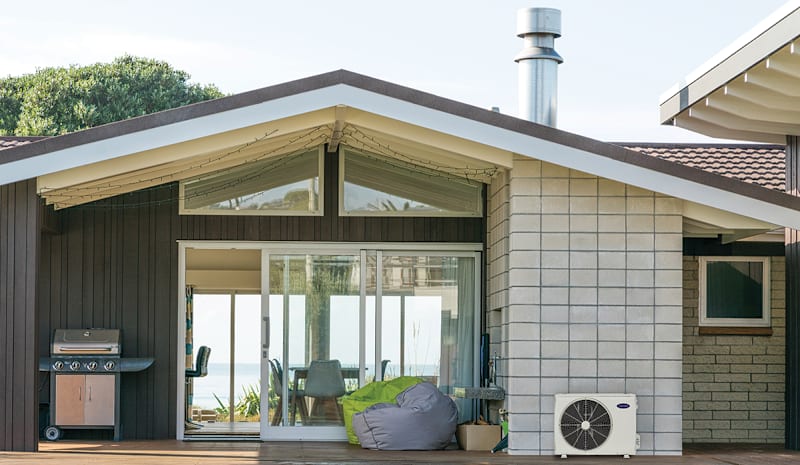
Outdoor compressor units can be strategically placed to reduce noise in living areas or away from patios and outdoor entertainment spaces. Compact cabinet designs make it possible to install a mini split even in tight outdoor spaces or smaller lots.
The outdoor compressor circulates chemical refrigerant through copper tubing to the indoor unit's evaporator coil. As indoor air passes over this coil, heat and humidity are extracted and the refrigerant absorbs them, turning from liquid to gas. The now-cooler, drier air is pushed back into the room. Meanwhile, the refrigerant — in gas form — returns to the outdoor unit where it releases the captured heat and converts back into liquid form to repeat the cycle. A ductless mini split heat pump operates in the same fashion for cooling, with the added capability of reversing this process to heat the indoor space during colder months.

Understanding Mini Split Zones: Single vs. Multi-Zone
What exactly is a mini split "zone," and how does it affect your decision when choosing the right ductless system? Ductless systems can be configured with either one or multiple indoor units, all powered by a single exterior compressor. This versatility makes them an outstanding choice for a wide range of applications — from room additions and sunrooms to garages, older homes, and any space where traditional ductwork is impractical or undesirable.

Single-Zone Ductless Systems
A single-zone configuration pairs one indoor air handler with one outdoor compressor. The compressor delivers refrigerant and power to the indoor unit through a small pipe that runs through a compact wall opening, resulting in a virtually invisible installation with minimal structural impact to your property.
Multi-Zone Ductless Systems
A single outdoor compressor can support up to five indoor units, each independently controlled via wireless remote. This setup offers tremendous flexibility in designing your comfort solution. You can even start with two indoor units and expand later as your needs evolve — depending on the maximum connectable capacity of the compressor — making it a scalable solution that grows with your home renovation plans and budget.
Essential Guidelines for Ductless Mini Splits
Ductless heat pump systems are often described as the Swiss Army knife of HVAC — and for good reason. They both heat and cool, reaching spaces where conventional ducted systems simply cannot. Thinking about adding climate control to a new room? Converting a basement, attic, or garage into a livable area? Boosting comfort in a room that always seems too hot or too cold? A ductless system can handle all of these scenarios and more.
With an extensive selection of configurations and indoor unit styles, ductless systems deliver the ultimate in customizable, no-ductwork-required comfort. They can operate independently or alongside your existing HVAC infrastructure, and ENERGY STAR® certified models help keep utility bills in check by actively conditioning only the spaces you are using. A system's SEER (Seasonal Energy Efficiency Ratio) rating tells you exactly how much energy it will consume over the course of a year, and with no ductwork involved, there is zero risk of energy lost through leaky ducts.
Still weighing your options on whether a ductless AC is the right choice? Take a look at the key advantages and drawbacks below.
✓ Pros of Ductless Air Conditioning
Outstanding energy efficiency that reduces utility costs
Simple installation with no patching, painting, or indoor wiring
Efficiently conditions rooms added to existing homes
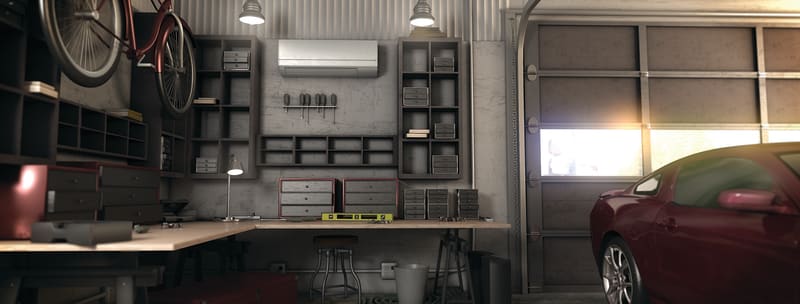
Ideal for converting basements, attics, and garages into living spaces
Preserves the structure and character of older homes without ductwork
Low-profile designs blend seamlessly with your interior decor
Supplements existing HVAC to address uneven temperatures
✗ Cons of Ductless Air Conditioning
Initial purchase and installation costs can exceed those of traditional ducted systems, though long-term utility savings often offset the difference
Unlike concealed ductwork, wall-mounted units are visible within the room — though modern designs have become increasingly sleek and unobtrusive
Key Benefits of a Ductless AC System
Efficient Heating & Cooling Performance
Ductless heat pump systems deliver reliable, energy-efficient comfort even in extreme weather conditions. They provide consistent year-round temperature control no matter what is happening outside. Select models are capable of heating at 80% capacity even when outdoor temperatures plummet to -22°F, and they can maintain 100% cooling output when it is a scorching 130°F outside. That is serious all-season performance.
Precise Room-by-Room Temperature Control
Ductless AC units deliver targeted comfort wherever they are installed. Prefer a cooler home office but a warmer bedroom? No problem at all. Room-by-room temperature management is one of the standout benefits of ductless air conditioning. Because each unit operates independently, different rooms can be set to different temperatures based on individual preferences. Inverter compressor technology takes precision even further — instead of the constant on-off cycling of traditional single-stage systems, a variable-speed inverter-controlled compressor acts like cruise control for your comfort, maintaining steady indoor temperatures with virtually no fluctuation.
Whisper-Quiet Operation
Never underestimate how much quiet operation contributes to your overall comfort. The best ductless mini split air conditioners should be appreciated — but not heard. Ductless outdoor units featuring inverter-driven, variable-speed compressors run on longer, lower-speed comfort cycles that significantly reduce noise levels. Extended refrigerant lines also give you the flexibility to position the outdoor unit further from decks, patios, or other outdoor living areas where peace and quiet matter most.
Superior Allergy & Air Quality Control
With built-in filters in each indoor unit, ductless mini split systems deliver cleaner air right where it matters. Ductless heating and cooling is not just about managing temperature — it is about managing air quality too. Since air circulation is contained within each individual zone, there is no cross-contamination of air between rooms, helping to reduce allergen spread and maintain a healthier indoor environment.
Long-Term Cost Savings
Mini split systems can deliver significant savings over time by providing efficient, zone-based cooling and heating without requiring a single foot of ductwork. Unlike traditional central air systems that lose energy through duct leaks and inefficiencies, mini splits target specific areas for more precise temperature control and lower energy consumption. While the upfront cost may be higher and aesthetic considerations should be weighed, the energy savings and low maintenance requirements often make ductless systems a highly cost-effective investment in the long run. Regular upkeep — including periodic filter cleaning and coil maintenance — is key to preserving peak efficiency.
Getting Started with Your Ductless Mini Split
Ready to take the next step? Consulting with an HVAC professional is the best way to determine which ductless mini split air conditioner is the perfect fit for your home. Experienced technicians provide expert guidance on system selection, professional installation, ongoing maintenance, and comprehensive service for all your ductless mini split air conditioning needs.

Frequently Asked Questions About Mini Split Air Conditioning
What Does It Mean If a House Is Ductless?+
What Is a Mini Split System?+
How Long Do Ductless Splits Last?+
How Does a Ductless System Work?+
Do Ductless Air Conditioners Pull Air From Outside?+
Does Ductless AC Need to Be Vented?+
Does a Ductless AC Purify Air?+
Do Mini Splits Produce Carbon Monoxide?+
What Is the Difference Between a Mini Split and a Standard AC?+
What Are the Disadvantages of a Mini Split System?+
Ready to experience the comfort of ductless climate control?
Senville AURA 24000 BTU Mini Split