

Choosing the right heat pump can feel overwhelming when you're faced with dozens of models, tonnage ratings, and efficiency numbers. But it doesn't have to be. With the right approach, you can confidently select a unit that matches your home's specific requirements — saving money on energy bills and keeping your family comfortable year-round.
This guide walks you through the entire process, from measuring your space to consulting with professionals. Let's break it all down so you can make a smart, informed decision.
Why Proper Heat Pump Sizing Matters
Selecting the correct heat pump size isn't just a technical formality — it has a direct impact on your daily comfort and your wallet. A unit that's too small will struggle to maintain the temperature you want, while an oversized system cycles on and off too frequently, wasting energy and wearing out components prematurely.
Here's what proper sizing brings to the table:
Extended System Lifespan
A correctly sized heat pump runs smoothly without being overworked. It avoids the constant stop-start cycling that accelerates wear and tear, meaning your investment lasts longer and performs reliably over the years.
Improved Air Quality
When a heat pump operates at the right capacity, it maintains consistent airflow. This steady circulation effectively filters out dust, pollen, and other airborne irritants, keeping the air inside your home cleaner and healthier.
Optimal Energy Efficiency
The right size means the right amount of energy. No more, no less. Your system delivers exactly what's needed without burning through electricity unnecessarily, translating to noticeably lower utility bills.
Long-Term Cost Savings
Reduced energy consumption and fewer breakdowns mean less money spent on repairs and replacements. A well-sized system is one of the smartest financial decisions you can make for your home.
How to Determine Heat Pump Size in 4 Easy Steps
Finding the right heat pump capacity takes a bit of calculation, but the process is straightforward when you follow it step by step. Below, we'll walk through each stage with practical examples and helpful reference points so you can approach this with total confidence.
Measure Your Space
The foundation of proper sizing starts with knowing exactly how much area your heat pump needs to serve. Measure the total square footage of every room or zone you plan to heat and cool. This includes hallways, open-concept spaces, and any connected areas.
To give you a frame of reference, here are some common home sizes:
Determine Your Heating and Cooling Load
Once you have your square footage, the next step is calculating the actual heating and cooling demand of your home. This is typically done using what's known as a Manual J calculation — a standardized method that accounts for multiple variables beyond just room size.
Several key factors influence this calculation:
| Factor | What It Means |
|---|---|
| Insulation Quality | Well-insulated homes retain heat better and need less capacity. Poorly insulated spaces require higher output to compensate for energy loss. |
| Climate Zone | Hot, humid climates demand more cooling power. Cold, dry regions push heating requirements higher. Your local weather patterns play a major role. |
| Occupancy Levels | Fewer people in a space means less body heat and lower load. Larger households generate more warmth, increasing the cooling demand. |
| Usage Patterns | Homes with constant daily use need a system that can handle sustained operation. Intermittent or seasonal use calls for a different capacity approach. |
Use Load Calculation Formulas
With your heating and cooling load determined, it's time to translate those numbers into an actual heat pump size. Industry-standard formulas and online calculators can help you pinpoint the required capacity, measured in both tons and BTUs.
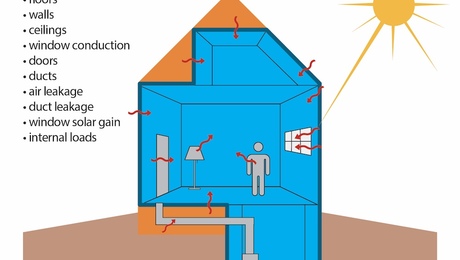
Use this sizing reference chart as a starting guide:
| Home Size | Heat Pump Size (Tons) | Heat Pump Size (BTUs) |
|---|---|---|
| 500 square feet | 1 ton | 12,000 BTUs |
| 1,000 square feet | 2 tons | 24,000 BTUs |
| 1,500 square feet | 3 tons | 36,000 BTUs |
| 2,000 square feet | 4 tons | 48,000 BTUs |
| 2,500 square feet | 5 tons | 60,000 BTUs |
| 3,000 square feet | 6 tons | 72,000 BTUs |
Consult with HVAC Professionals

While the steps above give you a strong starting foundation, there's no substitute for professional expertise. An HVAC technician can perform a thorough on-site evaluation, verify your calculations, and recommend the ideal unit for your specific home and climate conditions.
Experienced technicians conduct detailed load assessments that go beyond basic square footage. They'll examine your ductwork, evaluate window placement and sun exposure, and factor in local building codes — all of which influence the final recommendation.
Whether you're installing a brand-new system or considering an upgrade to your current setup, professional guidance ensures you get the perfect balance of comfort, efficiency, and performance from day one.
References
1. Dongellini, M., Naldi, C., & Morini, G. L. (2021). Influence of sizing strategy and control rules on the energy saving potential of heat pump hybrid systems in a residential building. Energy Conversion and Management, 235, 114021.
2. Alaizami, M., Lorente, S., Anderson, R., & Bejon, A. (2013). Effect of size on ground-coupled heat pump performance. International Journal of Heat and Mass Transfer, 64, 115–121.