
Millions of households across Australia continue to rely on gas or electricity as their primary energy source. If you're among them, you may not have considered a more energy-efficient way to heat and cool your home — the heat pump. This versatile technology can dramatically reduce your energy consumption while keeping your living spaces perfectly comfortable throughout every season.
Your standard reverse-cycle air conditioning unit is actually a well-known example of heat pump technology in action. While most people associate it with cooling during summer, it can also be configured to warm your home in winter and even heat your water supply. Depending on your setup, this same efficient technology can serve as your all-in-one comfort solution.

What Exactly Is a Heat Pump & How Does It Work?
When it comes to warming your home, heat pump technology captures thermal energy from the outdoors — even in cold weather — and moves it inside. Rather than generating heat directly, it transfers naturally occurring warmth from one location to another. Think of it as a refrigerator operating in reverse: instead of pulling heat out, it draws heat in.
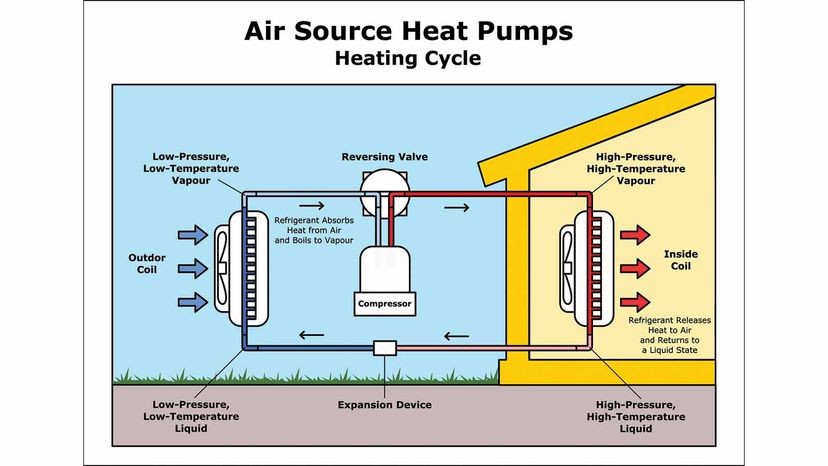
During warmer months, the process reverses. The heat pump extracts warmth from inside your home and pushes it outside, effectively cooling your interior spaces. This dual functionality makes it an incredibly versatile and cost-effective climate control solution.
⚡ Did You Know?
Air contains usable thermal energy even when temperatures drop close to freezing. Heat pumps are engineered to extract that energy efficiently, providing reliable warmth in conditions as cold as -15°C and beyond.
Heating Water with a Heat Pump
The same underlying principle applies when heating water. A heat pump water heater absorbs thermal energy from the surrounding air and channels it into a storage tank, raising the water temperature efficiently. This approach uses significantly less electricity than traditional electric resistance water heaters, making it an excellent choice for households looking to cut energy costs without sacrificing hot water availability.
How Does a Heat Pump Perform in Winter?
You might wonder how a heat pump can extract warmth when it's cold outside. The answer lies in fundamental thermodynamics. Even at low temperatures, outdoor air still holds a considerable amount of thermal energy. At absolute zero (-273.15°C), all molecular motion stops — but in any real-world conditions, there's always heat available to capture.
Heat pumps are designed to harness this ambient warmth and concentrate it using a refrigerant cycle. The extracted heat is then distributed throughout your home via air ducts or hydronic systems, delivering consistent indoor comfort even when it's freezing outside.

Types of Heat Pump Technology
Heat pumps come in several configurations, each suited to different environments and applications. Here are the most common types available today:
Geothermal (Ground Source)
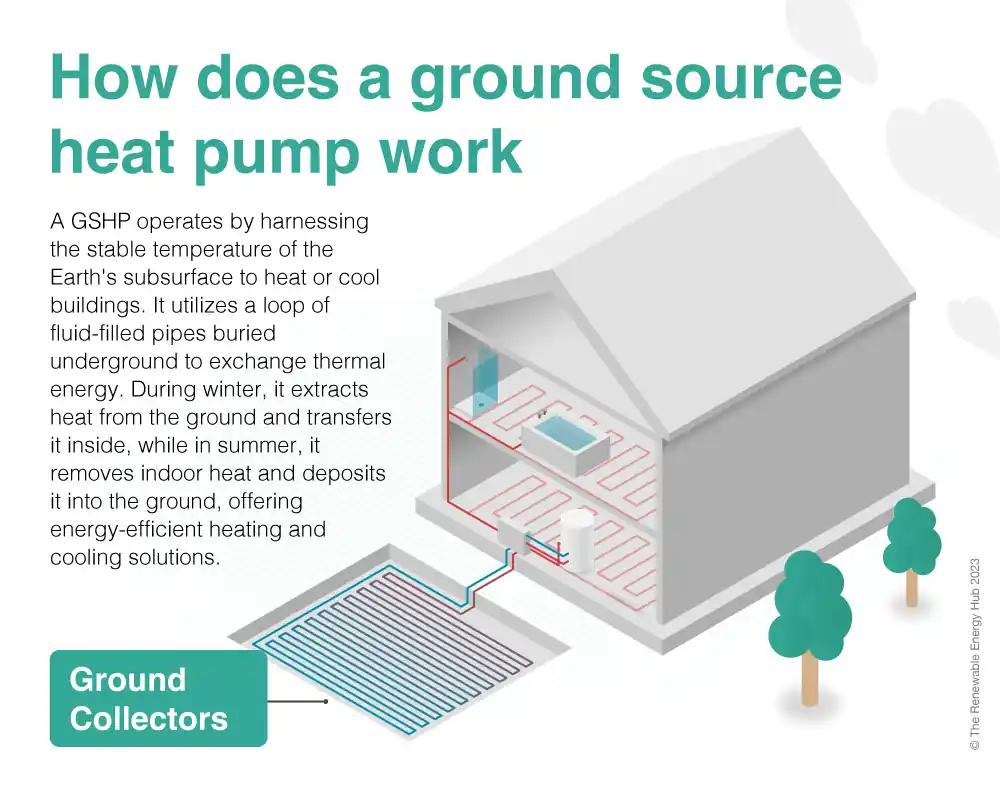
These systems draw heat from underground, where temperatures remain remarkably stable throughout the year. Pipes buried beneath the surface circulate a fluid that absorbs the earth's consistent warmth, providing highly efficient heating through hydronic or forced-air distribution systems.
Air Source Heat Pumps
The most widely installed variety, air source heat pumps absorb thermal energy directly from outdoor air. They can operate in both heating and cooling modes, making them a practical all-season solution. When summer arrives, the cycle simply reverses to cool your home.
What Does Installation Cost?
Heat pump hot water systems are notably efficient, but they do require an upfront investment. You can typically expect to pay somewhere between $3,000 and $7,000, including installation. The final price depends on the complexity of the setup — whether you're replacing an existing system or upgrading from a completely different energy type will affect the total.
For split systems, reverse-cycle air conditioners may range from around $600 to $5,000 for the unit itself, with installation adding between $600 and $6,000 or more depending on the configuration. When selecting your system, weigh both the initial cost and long-term running expenses. A slightly higher upfront investment often results in significantly lower energy bills over the life of the system.
It's also worth investigating government rebates and incentive schemes that may be available in your area, as these can substantially reduce the cost of transitioning to a more energy-efficient setup.
Featured Product
Armstrong Air 2.5 Ton Heat Pump Split System – 14 SEER
Armstrong Air 2.5T Heat PumpWhy Should You Consider Making the Switch?
Energy Savings Compared to Gas or Electric Heaters
Heat pumps use electricity to move thermal energy rather than generating it from scratch, which makes them remarkably efficient. For every unit of electricity consumed, a heat pump can deliver up to three or four times that amount in heating or cooling output. Premium systems can achieve a coefficient of performance (COP) of four or higher, meaning they produce 400% or more effective energy output compared to what they consume.
When it comes to water heating, heat pump systems are generally two to three times more efficient than standard electric resistance heaters. There are also a number of dedicated hot water heat pump models designed specifically to maximise efficiency for this purpose.
Lower Your Running Costs
Because of their exceptional energy efficiency, heat pumps can lead to noticeable reductions in your monthly utility bills. While the savings depend on your climate, home insulation, and usage habits, many homeowners report significant year-over-year savings after making the switch.
Two-in-One Heating and Cooling
Unlike traditional systems that only heat or only cool, heat pumps handle both functions in a single unit. This dual capability simplifies your home's climate control setup and eliminates the need for separate heating and cooling appliances, potentially freeing up space and reducing maintenance requirements.
Frequently Asked Questions
1. Do heat pumps work well in cooler climates?
Absolutely. Heat pumps perform effectively across a wide range of climates, including colder regions like Victoria, the ACT, and elevated parts of New South Wales. Modern units can efficiently extract warmth from outdoor air even when temperatures plummet well below zero. That said, some models are better optimised for extreme cold, so it's worth researching which system best matches your local conditions.
2. Are heat pumps more cost-effective than air conditioning?
Generally speaking, heat pumps tend to be more expensive upfront compared to a standalone air conditioning unit. However, because of their dual-purpose functionality and superior energy efficiency, they typically deliver better long-term value. When you factor in the cost savings on energy bills over time, a heat pump often proves to be the more economical investment.
3. How long do heat pumps typically last?
Depending on the model and usage patterns, heat pumps generally have a lifespan of 10 to 20 years. Units with higher build quality can push toward the 15- to 25-year mark when properly maintained. Regular servicing and appropriate sizing for your space are key factors in extending the operational life of your system.
4. Is a heat pump cheaper to run than gas?
In many cases, yes. While gas prices fluctuate, heat pumps generally offer lower running costs, particularly when paired with solar energy or off-peak electricity rates. The exact savings depend on your location, energy tariffs, and how well-insulated your home is, but the overall trend strongly favours heat pump efficiency over traditional gas heating.
5. What are the potential drawbacks of a heat pump?
Heat pumps do have some considerations to keep in mind. The higher initial purchase and installation costs can be a barrier for some households. Their efficiency can also dip in extremely frigid conditions, though modern models have largely addressed this limitation. Placement matters too — you'll need adequate outdoor space for the external unit, and the system should be positioned to minimise noise and maximise airflow. Despite these factors, the long-term energy savings and environmental benefits make heat pumps a compelling option for most homeowners.