
A comprehensive analysis of pitching machine value, accuracy, capabilities, and their role in player development
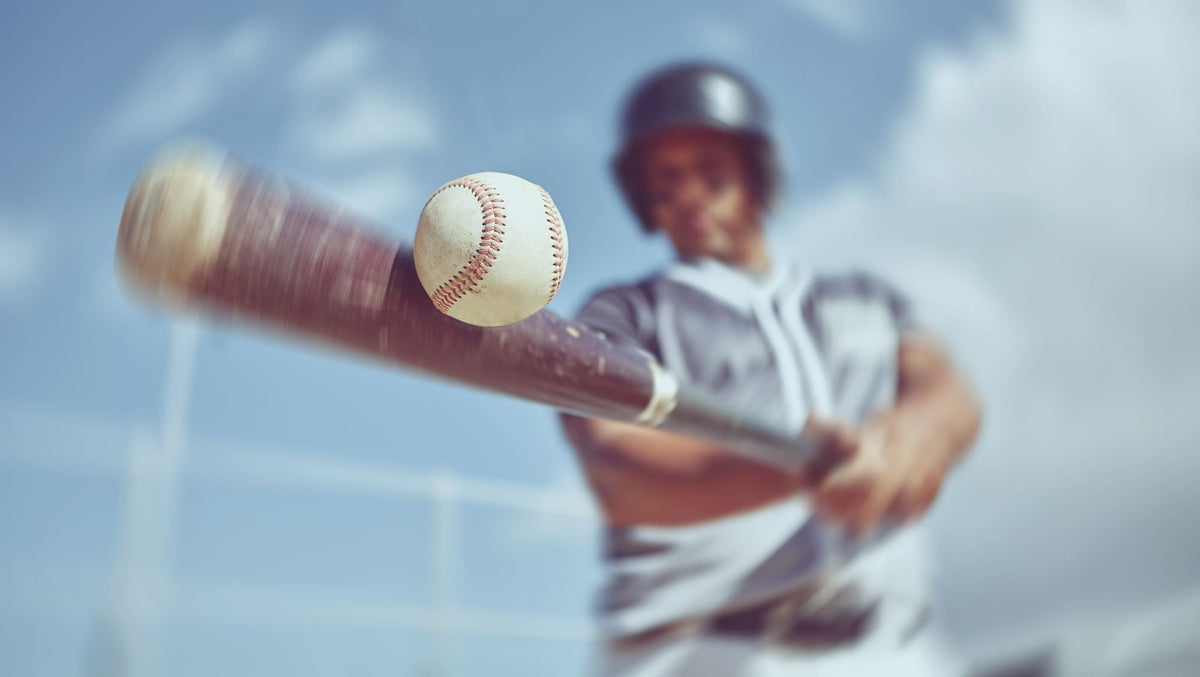
Every baseball and softball player, coach, and parent eventually confronts a fundamental question when considering training equipment investments: are pitching machines genuinely worth their cost? These sophisticated devices represent significant financial commitments, particularly when you factor in not just the machine itself but also necessary accessories like protective netting, specialized balls, and maintenance supplies. With quality machines ranging from several hundred to several thousand dollars, making an informed decision requires understanding both the tangible benefits these tools provide and the potential limitations that might affect their value proposition.
The answer to whether pitching machines justify their expense varies dramatically depending on specific circumstances, training objectives, and user expectations. For some situations, pitching machines deliver extraordinary value that quickly repays initial investments through accelerated skill development and enhanced training efficiency. For others, the same equipment might sit unused after initial enthusiasm wanes, representing a costly mistake. Understanding what pitching machines can and cannot do helps prospective buyers make rational decisions aligned with their actual needs rather than unrealistic expectations.
This comprehensive evaluation examines pitching machine value from multiple perspectives, addressing common questions about accuracy, capabilities, professional usage, and suitability for youth baseball development. By exploring both the advantages these machines offer and the limitations users should recognize, we provide the balanced perspective necessary for making informed equipment investment decisions that serve your specific training goals effectively.
Are Pitching Machines Accurate?
Accuracy represents perhaps the most critical performance characteristic determining whether pitching machines deliver genuine training value or simply waste time and money. When evaluating machine accuracy, we must consider multiple dimensions: velocity consistency, location repeatability, and spin reliability. Quality pitching machines excel in all these areas, though performance varies dramatically across different price points and design categories.
Premium pitching machines—particularly three-wheel designs from established manufacturers—achieve remarkable consistency, typically delivering pitches within one to two miles per hour of target velocity and locating within a few inches of the intended spot. This repeatability far exceeds what even professional pitchers can accomplish over extended sessions. Where human pitchers inevitably experience fatigue, lose command, and introduce variability through inconsistent mechanics, quality pitching machines maintain unwavering precision through thousands of consecutive pitches.
However, accuracy expectations must account for several important caveats. Even the finest machines require proper setup, leveling, and calibration to achieve their potential accuracy. Using worn or inconsistent baseballs introduces variability that compromises precision. Environmental factors like wind can affect outdoor pitch trajectories, particularly at higher velocities. And lower-priced recreational machines may not achieve the tight tolerances that characterize professional-grade equipment, delivering adequate but not exceptional accuracy suitable for their intended applications.
The Accuracy Advantage
For developing precise batting mechanics, consistent pitches prove invaluable. Batters can focus entirely on their swing mechanics, timing, and approach without adapting to the wild inconsistency that characterizes amateur pitching. This controlled environment accelerates skill development by allowing focused repetition under consistent conditions.
The key insight: pitching machine accuracy makes them worthwhile, but only when users invest in quality equipment properly maintained and calibrated. Budget machines offering marginal accuracy may not justify their cost if inconsistent performance frustrates users and limits training effectiveness.
Can Pitching Machines Throw Breaking Balls?
The ability to simulate breaking pitches substantially impacts whether pitching machines provide sufficient training value for advancing players. Beginning batters may progress adequately facing only straight fastballs, but competitive players eventually need practice against curveballs, sliders, and other breaking pitches that dominate higher-level competition. This requirement significantly influences machine selection decisions and value assessments.
Single-wheel pitching machines possess limited breaking ball capabilities, primarily offering straight pitches with some backspin variation. Two-wheel machines dramatically expand possibilities, using differential wheel speeds to create topspin (curveball movement) or enhanced backspin (rising fastball characteristics). By angling the throwing head, operators can combine vertical spin with horizontal positioning to simulate various breaking pitch trajectories—though true side-spinning sliders remain challenging for most two-wheel designs.
Three-wheel pitching machines represent the gold standard for breaking ball simulation, capable of replicating virtually any pitch thrown in professional baseball. These sophisticated systems independently control three wheels arranged triangularly around the ball path, enabling simultaneous application of backspin, topspin, and sidespin in any combination. Want a slider with two-plane break? A screwball with reverse action? A knuckle-curve with tumbling rotation? Premium three-wheel machines deliver these pitch types with remarkable fidelity to their live-pitched counterparts.

The practical implication for value assessment: if your training objectives include breaking ball practice—and they should for any player beyond beginner levels—budget accordingly for two-wheel or three-wheel machines capable of delivering this functionality. Purchasing a single-wheel machine that cannot throw breaking balls may represent false economy if players quickly outgrow its capabilities, necessitating additional equipment purchases. Conversely, families with young beginners might reasonably start with simpler machines, upgrading later as skills advance and breaking ball practice becomes relevant.
Can Pitching Machines Throw Curveballs?
Curveballs specifically deserve dedicated attention given their prevalence in competitive baseball and the challenges they pose for developing batters. A true curveball features topspin causing the ball to drop more sharply than gravity alone would dictate, combined with potential horizontal movement depending on spin axis orientation. Replicating this pitch type requires machines capable of imparting controlled topspin—a capability that varies dramatically across different machine designs.
Two-wheel and three-wheel pitching machines excel at throwing curveballs with movement characteristics closely matching live pitching. Two-wheel machines create curveball action by spinning the top wheel faster than the bottom wheel, imparting topspin as the ball passes between them. The speed differential determines curve severity—greater differences produce sharper breaking action. Users can fine-tune curveball characteristics by adjusting individual wheel speeds and machine angle, dialing in specific break trajectories matching the pitches they want batters to practice against.
Three-wheel machines offer even more sophisticated curveball capabilities, combining topspin with sidespin to create two-plane breaking action replicating how professional pitchers throw curves. These machines can simulate "12-to-6" curveballs with pure vertical drop, "sweeping" curves with horizontal movement, or any intermediate trajectory. The ability to program specific spin characteristics enables precise replication of particular pitchers' curveball signatures, providing incredibly realistic practice scenarios.
Curveball Training Value
The ability to throw consistent curveballs represents one of pitching machines' most compelling value propositions. Amateur pitchers often struggle to throw consistent breaking pitches, making quality curveball practice difficult to obtain through live pitching. Machines provide unlimited consistent curves, enabling batters to develop the pitch recognition and timing adjustment skills essential for hitting breaking balls successfully. For competitive players, this capability alone may justify machine investments that would otherwise seem extravagant.
What Pitching Machines Do MLB Teams Use in Batting Practice?
Professional baseball organizations' equipment choices provide valuable insights into pitching machine value and capability. Major League Baseball teams possess virtually unlimited training budgets, enabling them to purchase any equipment they desire without financial constraints. Their pitching machine selections therefore reflect pure performance considerations rather than cost compromises, offering revealing perspectives on what truly constitutes effective training technology.
MLB teams universally employ premium three-wheel pitching machines from established manufacturers specializing in professional-grade equipment. These machines offer the complete pitch repertoire, exceptional accuracy, and robust durability that professional training demands. Teams typically maintain multiple machines at their training facilities, using them extensively for batting practice, pitch recognition drills, and specialized training scenarios. Some organizations invest in advanced computerized systems that program complex pitch sequences, replicating specific opposing pitchers' arsenals to prepare batters for upcoming series.
However, professional teams also recognize pitching machine limitations. While machines provide valuable supplementary training, teams continue emphasizing live batting practice against actual pitchers who deliver visual cues, sequencing variety, and timing challenges that machines cannot fully replicate. The professional approach treats pitching machines as important training tools within comprehensive development programs rather than complete replacements for live pitching practice.
What does professional usage tell us about machine value for amateur players? First, it confirms that high-quality machines deliver genuine training benefits justifying significant investments for serious programs. Second, it validates the sophistication level that three-wheel designs provide, suggesting that advancing players benefit substantially from machines capable of complete pitch variety. Third, it reminds us that even the finest machines serve best as components within balanced training approaches rather than exclusive practice methods. These insights help frame realistic value expectations for amateur purchasers considering whether pitching machines warrant their substantial costs.
Are Pitching Machines Worth It for Youth Baseball?
Youth baseball presents unique considerations when evaluating pitching machine value. Young players developing fundamental skills possess different training needs compared with experienced athletes refining advanced techniques. Additionally, families supporting youth players typically face budget constraints that make expensive equipment purchases significant financial decisions requiring careful justification.
For serious youth players committed to baseball development, pitching machines can deliver extraordinary value that justifies their expense. Young batters need thousands of quality repetitions to develop proper mechanics, timing, and confidence. Obtaining these repetitions through live pitching proves challenging—finding pitchers willing to throw endless batting practice sessions isn't easy, particularly for families lacking connections to organized team practices. Pitching machines eliminate this constraint, enabling unlimited practice sessions on the family's schedule without depending on others' availability.
The consistency pitching machines provide benefits youth players particularly significantly. Young pitchers typically throw with considerable velocity and location variability, forcing batters to develop defensive swing approaches focused on making contact with unpredictable pitches rather than aggressive approaches attacking hittable pitches. Machine consistency lets youth batters work on proper aggressive mechanics against predictable pitches, building correct habits without the defensive adaptations that amateur pitching often necessitates.
Youth-Specific Value Factors
- Practice convenience enabling frequent training sessions without scheduling coordination
- Controlled environment ideal for developing proper mechanics and aggressive approaches
- Confidence building through successful contact experiences against consistent pitching
- Long-term cost efficiency compared with private coaching or facility rental fees
- Family bonding opportunities during backyard practice sessions
- Safety advantages compared with young pitchers throwing wildly at batters' heads
However, youth baseball pitching machines make sense primarily for families genuinely committed to regular practice. Machines that sit unused after initial novelty wears off represent poor investments regardless of their theoretical training value. Before purchasing, families should honestly assess whether players will consistently use equipment, whether adequate practice space exists, and whether adult supervision can be provided for safe operation. When these conditions align favorably, pitching machines offer youth players exceptional development opportunities worth their considerable expense.
Improving Player Reaction Times Through Consistent Practice
Among pitching machines' most valuable contributions to player development, the ability to improve reaction times and pitch recognition skills stands paramount. Hitting success at every competitive level depends critically on batters' ability to quickly recognize pitch types, predict trajectories, and initiate appropriate swing decisions within the brief time available—typically less than half a second from pitch release to bat-ball contact. Developing these skills requires extensive practice against varied pitches delivered with realistic timing patterns.
Pitching machines enable focused reaction time training impossible to achieve through most alternative methods. By delivering rapid-fire pitches with minimal delay between throws, machines allow batters to take far more swings per practice session than live pitching permits. This repetition volume accelerates the neural pathway development underlying quick reaction capabilities. The consistent timing pitching machines provide—same velocity, predictable delivery intervals—helps batters internalize the rhythm and tempo of pitched baseballs, training their visual systems and motor responses to operate within the compressed timeframes competitive hitting demands.
Advanced training protocols employ pitching machines for specific reaction time drills targeting different recognition challenges. Mixed pitch sequences—alternating fastballs with breaking balls—force batters to identify spin and trajectory quickly, making real-time decisions about whether and how to swing. Location variation drills improve batters' ability to track pitches across the strike zone, adjusting swing paths to match different pitch locations. Velocity progression exercises gradually increase pitch speeds, systematically extending batters' reaction capabilities to handle faster pitching.
Reaction Training Benefits
- High repetition volume accelerating neural pathway development for quick decision-making
- Consistent timing patterns helping batters internalize pitch recognition rhythms
- Controlled progression enabling systematic improvement without overwhelming batters
- Specific drill possibilities targeting particular recognition challenges
- Measurable performance tracking documenting improvement over time
The reaction time and pitch recognition improvements pitching machines facilitate translate directly into game performance advantages. Batters who've trained extensively against machines demonstrate superior ability to handle various pitch types, make correct swing decisions quickly, and adjust to different velocities. These skills prove increasingly valuable as players advance through competitive levels where pitching becomes faster and more sophisticated. For serious players pursuing baseball excellence, the reaction time development machines enable represents one of their most compelling value propositions.
Cost-Benefit Analysis: Calculating Long-Term Value
Understanding whether pitching machines represent worthwhile investments requires honest cost-benefit analysis comparing purchase and operational expenses against training alternatives. While machines require substantial upfront investments, their long-term costs per practice session often compare favorably with alternatives like batting cages, private coaching, or facility rentals—particularly for families committed to frequent training.
Initial Investment Considerations
Quality pitching machines range from approximately $500 for basic single-wheel recreational models to $5,000 or more for sophisticated three-wheel professional systems. Additional expenses include specialized machine balls (typically $50-150 for a dozen), protective netting or batting cage enclosures ($200-2,000), and potentially electrical installations for outdoor use. Total initial investments commonly reach $1,000-3,000 for complete home practice setups meeting most families' needs.
Ongoing Operational Costs
Pitching machines incur modest ongoing expenses including electricity (negligible for most residential use), occasional replacement balls as originals wear out, and periodic maintenance like wheel replacements every few years. Annual ongoing costs typically total $100-300 depending on usage intensity—substantially less than most alternative training expenses.
Comparative Alternative Costs
Batting cage facility rentals typically cost $20-40 per hour, accumulating to substantial annual totals for families practicing multiple times weekly. Private hitting instruction ranges from $50-150 per session, making regular coaching financially prohibitive for many families. Travel team participation involves thousands in annual fees, much of which funds practice facility access. Against these recurring expenses, a pitching machine's amortized cost per practice session quickly drops to single dollars after initial investment recovery.
The break-even analysis favors pitching machines decisively for committed families practicing frequently. Consider a family taking their player to batting cages twice weekly at $30 per visit—that's $240 monthly or $2,880 annually just for facility access. A $2,000 pitching machine investment breaks even in less than nine months while providing superior convenience and unlimited practice time. Over multiple years of youth baseball participation, machine ownership delivers extraordinary cost efficiency compared with pay-per-use alternatives.
However, this favorable calculus assumes regular usage justifying the investment. Families purchasing machines that see minimal use after initial enthusiasm wanes achieve poor returns regardless of theoretical cost advantages. The critical question isn't whether machines can deliver value—they absolutely can for committed users—but rather whether your specific situation will generate the usage volumes necessary to justify the substantial upfront expense. Honest self-assessment of likely usage patterns proves essential for making sound purchase decisions.
When Pitching Machines May Not Be Worth the Investment
While this analysis emphasizes the substantial value quality pitching machines can provide, intellectual honesty demands acknowledging situations where machines may not justify their considerable expense. Understanding when pitching machines represent poor investments helps prospective buyers avoid costly mistakes, focusing limited training budgets on alternatives offering better value for their specific circumstances.
Casual Recreational Players
Families whose children play recreational baseball primarily for fun and social interaction likely won't generate sufficient practice frequency to justify machine investments. If players practice sporadically, show limited commitment to skill development, or may not continue playing beyond current seasons, expensive equipment purchases represent questionable resource allocation. These families often achieve better value through less expensive alternatives like tee work, soft-toss practice, or occasional batting cage visits.
Space-Constrained Situations
Safe pitching machine operation requires adequate space for both the throwing distance and appropriate safety zones preventing balls from escaping into neighboring properties or public areas. Families lacking suitable practice space—whether due to small yards, close neighbors, or restrictive homeowner association rules—may find machines impractical regardless of training value they might otherwise provide. Without proper space, machines become expensive garage ornaments rather than functional training tools.
Severe Budget Constraints
Families facing financial pressures may need to prioritize essential expenses over baseball training equipment, regardless of machines' training value. If purchasing a pitching machine requires sacrificing other important family needs or creating financial stress, the equipment probably isn't worth it even for committed players. Baseball development offers many pathways requiring less financial investment, and pushing families beyond comfortable spending limits serves no one's interests well.
Adequate Team Practice Access
Players participating in well-organized programs with frequent team practices and quality coaching may receive sufficient batting practice through team activities without needing home equipment. If team practices include extensive machine work or quality live batting practice multiple times weekly, additional home training equipment may provide diminishing marginal returns not worth their expense. These players might better allocate resources toward other development areas like strength training, video analysis, or occasional private instruction addressing specific mechanical issues.
Maximize Your Training Investment with Professional Accessories
Owning a quality pitching machine represents just the beginning of creating a complete home training facility. The Baseball Team Feeder transforms your Junior Hack Attack into an automated practice powerhouse, holding 150 balls and delivering continuous pitching action without manual reloading interruptions. This professional-grade accessory eliminates the biggest limitation of home practice—constant ball feeding—enabling extended, uninterrupted training sessions that maximize skill development efficiency. For serious players and families committed to regular practice, the team feeder investment pays immediate dividends through dramatically improved practice productivity and training volume.
Baseball Team FeederFinal Verdict: Making the Right Decision
So are pitching machines worth their considerable expense? The answer depends entirely on your specific circumstances, training objectives, and commitment levels. For families with serious young players training regularly, adequate practice space, and financial capacity to invest in quality equipment, pitching machines deliver exceptional value that quickly justifies their cost through accelerated skill development and superior practice convenience. The ability to practice unlimited repetitions on your schedule, against consistent pitches including breaking balls, with immediate feedback and adjustment opportunities represents a training advantage difficult to replicate through alternative methods.
However, this favorable assessment assumes realistic expectations and appropriate equipment selection. Pitching machines supplement rather than replace comprehensive training programs including live batting practice, professional instruction, game experience, and other development components. Budget recreational machines may not deliver the accuracy and capabilities justifying their purchase for advancing players, while expensive professional models represent overkill for casual participants unlikely to utilize their sophisticated features. Success requires matching equipment capabilities to actual training needs while honestly assessing likely usage patterns that will either justify or invalidate the investment.
The most successful pitching machine purchases result from careful needs assessment, realistic expectation-setting, and commitment to regular utilization that extracts maximum training value from equipment investments. Families approaching purchases thoughtfully—considering player skill levels, space constraints, budget realities, and long-term commitment to regular practice—typically enjoy outstanding results from machine training that validates their investment decisions. Those purchasing impulsively without adequate consideration often experience buyer's remorse when expensive equipment sits unused or fails to deliver unrealistic outcomes. By applying the analytical framework this guide provides, prospective buyers can make informed decisions aligned with their specific circumstances, whether that means confidently investing in quality equipment or prudently recognizing that alternative approaches better serve their needs and resources.