

Understanding the Pilates Reformer
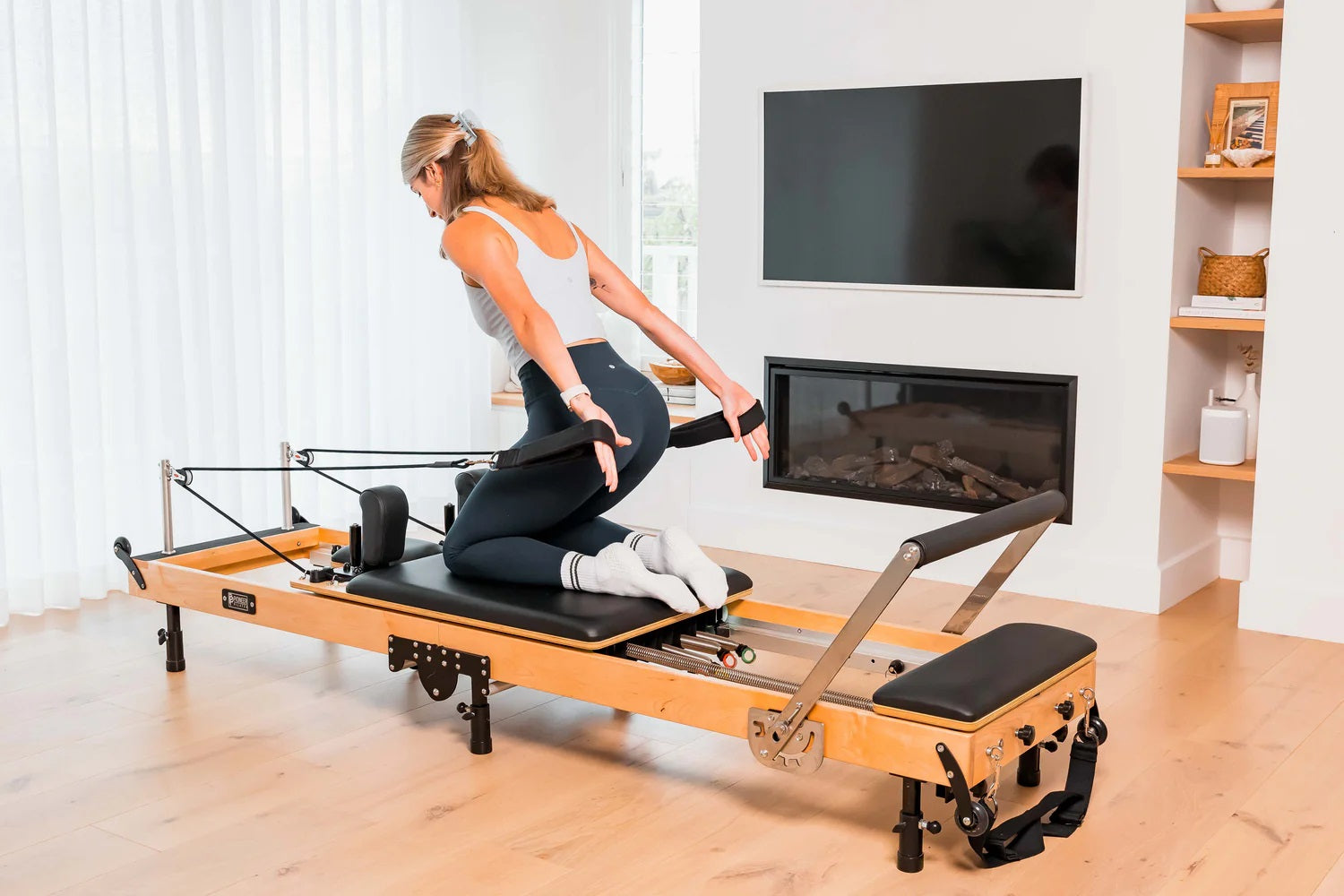
The Pilates Reformer is a flat, bed-like apparatus originally conceived by Joseph Pilates. At its core, it features a sturdy frame with a sliding carriage that moves smoothly back and forth on wheels. Long elastic cords attach to one end of the carriage, delivering adjustable resistance throughout every exercise. This ingenious machine harnesses your own body weight and muscular effort to build real strength. Beyond raw power, the Reformer places a strong emphasis on diaphragmatic breathing and precise postural alignment. Regular use leads to noticeable gains in overall strength, balance, flexibility, and coordination.
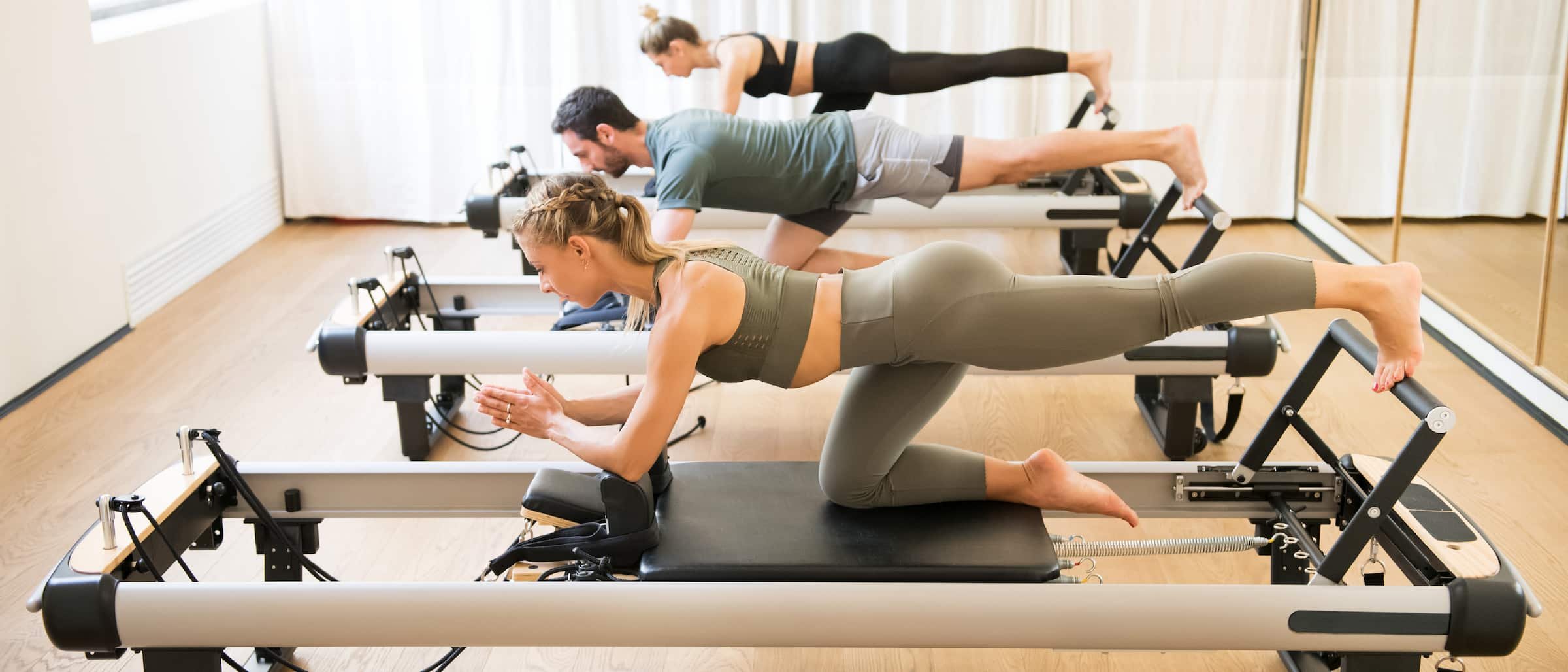
What makes the Reformer stand out is its ability to generate a distinctive movement pattern that directly targets the deep Pilates powerhouse muscles. By continually engaging these stabilizing muscles, the machine fosters improved posture, graceful and structurally sound movement, and meaningful relief from aches caused by muscular imbalances. Its generous dimensions allow for expansive, full-range motion during every exercise, amplifying both flexibility and functional strength in a single session.
Key Benefits at a Glance
Builds functional strength through body-weight resistance • Targets deep core stabilizing muscles • Improves posture and spinal alignment • Enhances flexibility with full-range movement • Promotes diaphragmatic breathing • Alleviates pain from muscular imbalances • Suitable for beginners through advanced practitioners
A Brief History of the Reformer
Originally called the "Medico-Mechanical System" and later the "Universal Reformer," this apparatus was first developed in the mid-1920s in Hamburg, Germany. It occupies a significant place in fitness history as the second major piece of equipment that Joseph Pilates ever designed. Over the decades, it has matured from a niche therapeutic tool into one of the most widely recognized fitness machines on the planet.
In its earliest incarnation, the device had no legs and lay flat on the ground, resembling a traditional mat. It utilized a frame fitted with wheels and a carriage that could slide along them. By 1924, Joseph Pilates was already promoting his Universal Reformer through advertisements in German publications, presenting it as a seven-spring apparatus created by a renowned sports instructor. The ad positioned it firmly within the tradition of therapeutic gymnastics and resistance-based athletic training.
The Reformer captured public interest because of its capacity to facilitate slow, deliberate movements that delivered a gentle massaging effect on internal organs while simultaneously building muscular strength. This holistic approach broke away from the harsh, impact-heavy exercises of the era and offered a more thoughtful path to total-body fitness.
How a Reformer Session Works
The elegance of the Reformer lies in its straightforward design. You begin by lying down on the carriage, resting your head on the padded headrest and placing your bare feet against the footrests. The most basic exercise involves gently pushing the carriage out and drawing it back in for about five minutes. As you progress, springs are added to increase the resistance, and sessions become longer to accelerate your results.
One of the Reformer's greatest strengths is its ability to activate multiple muscle groups at the same time. Throughout every session, muscles in the feet, legs, abdomen, and back are all working in concert. This adaptable structure and efficient workout routine are exactly why the Reformer has earned widespread popularity as an exceptional tool for elevating overall fitness and well-being.
Featured Product
Ready to Start Your Pilates Journey?
Bring the studio experience home with a professional-grade Reformer system designed for all skill levels.