
Over the past decade, Pilates has evolved from a niche studio practice into one of the most popular fitness disciplines worldwide. Whether offered as a personal training session, a group class, or a rehabilitation tool, Pilates — and Reformer Pilates in particular — has earned its place in gyms, physiotherapy clinics, and home workout spaces alike.
As a structured method of personal and group exercise, it is embraced by professional athletes, dancers, and everyday fitness enthusiasts for its ability to improve posture, build flexibility, develop core strength, and support injury recovery. But with so many machines, studios, and styles available, it can be difficult to know where to start.
This guide breaks down everything you need to know — from the fascinating origins of the Reformer to the core principles, key exercises, and what to look for when choosing an instructor. By the end, you will have a well-rounded understanding of why Reformer Pilates continues to grow in popularity and how you can benefit from it.
History of Pilates
The story of Pilates begins with a man named Joseph Hubertus Pilates, born in 1883 in Mönchengladbach, Germany. As a child, Joseph dealt with a number of health challenges including asthma, rickets, and rheumatic fever. Rather than letting these conditions define him, he became deeply committed to strengthening his body through physical exercise and self-discipline.
When he relocated to England in the early 1910s, Joseph found himself working with fellow Europeans who shared his interest in physical culture. His big breakthrough came when he was interned during World War I. Faced with bedridden patients, he devised a system of attaching springs to hospital beds so that patients could exercise while recovering — creating the early blueprint for resistance-based rehabilitation.
After the war, Joseph returned to Germany before eventually emigrating to New York City, where he and his wife Clara opened a studio. This studio quickly attracted dancers, actors, and athletes. Joseph called his method "Contrology," and over the years he refined it into the system of precise, controlled movements that we recognize today.
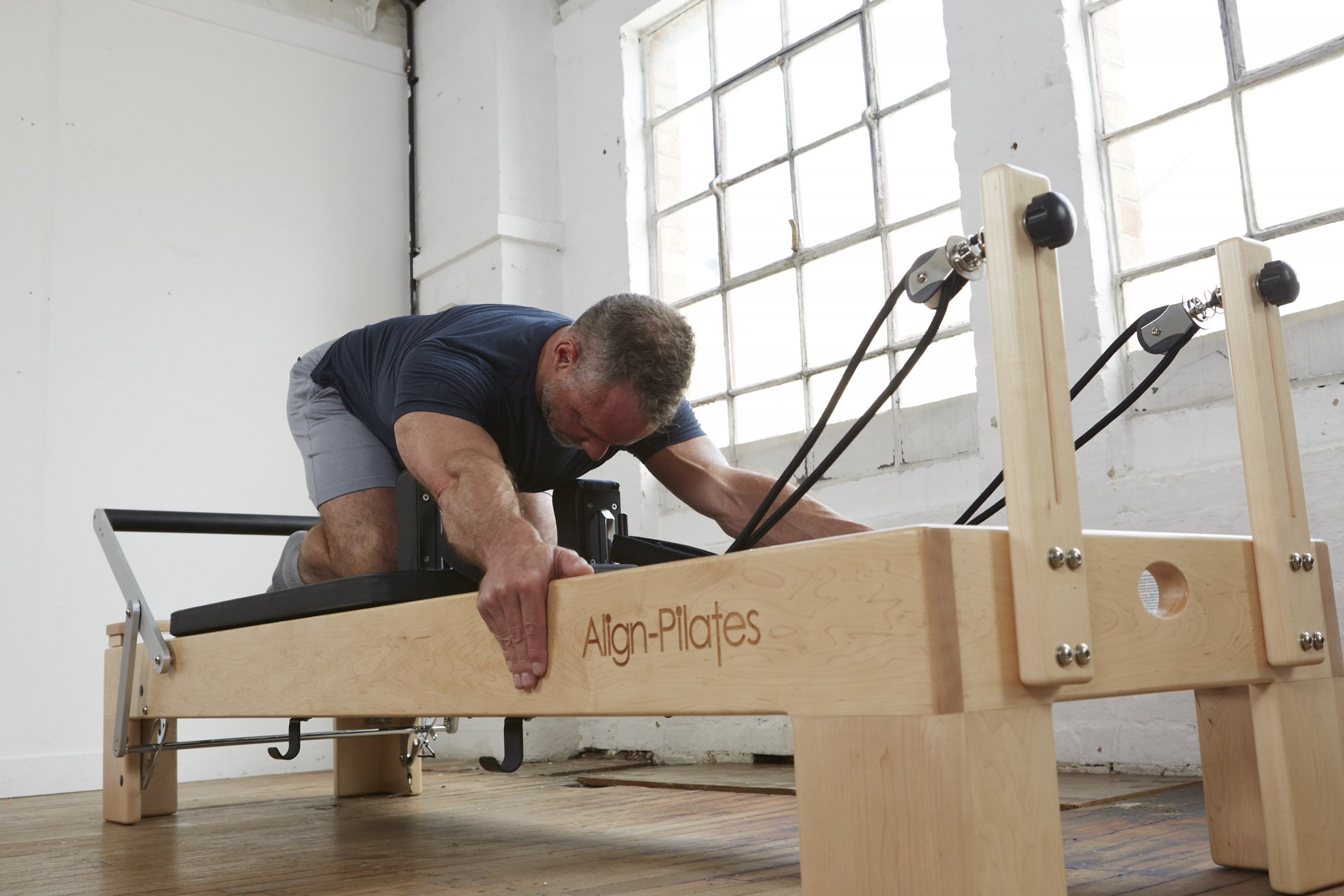
He authored two notable books, most famously Return to Life Through Contrology, which is still referenced by Pilates teachers around the world. Although Joseph never trademarked his approach — he referred to it as his "apparatus" — his work was carried forward by dedicated students and schools, each adding their own interpretations while staying true to the foundational principles.
Principles of Pilates
At the heart of the Contrology system, Joseph Pilates identified several guiding principles that he believed were essential for improving overall health through movement. Today, most Reformer classes still revolve around a set of roughly 30 to 35 exercises that emphasize strengthening and stabilizing the core. While some of these movements can be challenging for beginners, they are designed to be progressively adapted so that each practitioner can grow at their own pace.
Concentration
Joseph Pilates believed that full mental focus during each exercise was non-negotiable. By channeling total concentration into each movement, practitioners tap into the mind-body connection and unlock a greater range of physical and mental benefits.
Centering
Often called the "powerhouse," the core of the body is the central engine of every Pilates movement. A strong core provides stability, improves alignment, and allows practitioners to move with greater efficiency and safety.
Control
The very name "Contrology" reveals how central this principle is. Every motion should be deliberate and intentional — never rushed or careless. Mastering control leads to more effective workouts and significantly reduces the risk of injury.
Precision
In Pilates, quality always comes before quantity. Each exercise has an ideal form, and practitioners are encouraged to focus on executing movements with accuracy rather than simply completing repetitions.
Breath
Proper breathing is deeply woven into every Pilates exercise. Coordinating inhales and exhales with specific movements helps oxygenate the muscles, reinforce core engagement, and maintain a steady rhythm throughout the session.
Flow
Graceful, flowing movement is a signature of Pilates practice. Transitions between exercises should feel seamless, creating a continuous rhythm that strengthens the body while also calming the mind.
What Is a Pilates Reformer?
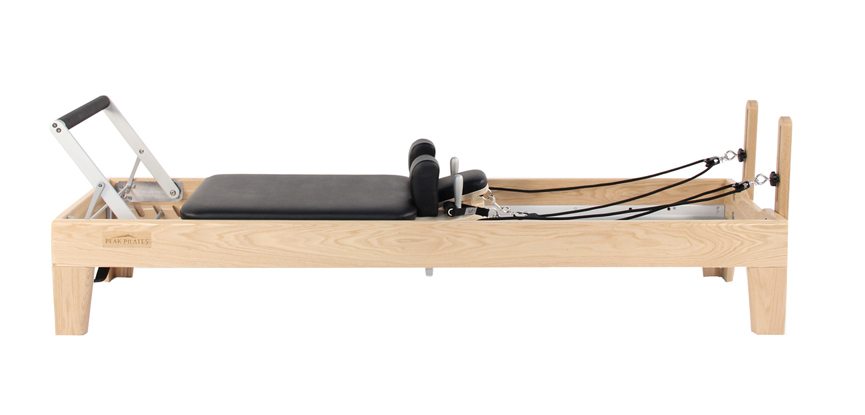
The Pilates Reformer is a specialized piece of equipment that resembles a low, flat bed frame fitted with a sliding carriage, adjustable springs, straps, and a foot bar. Originally crafted from wood, today's Reformers come in a wide range of designs using metal, composite materials, or a combination of all three. It was originally called the "Universal Reformer" because of its adaptability to virtually any fitness level or rehabilitation need.
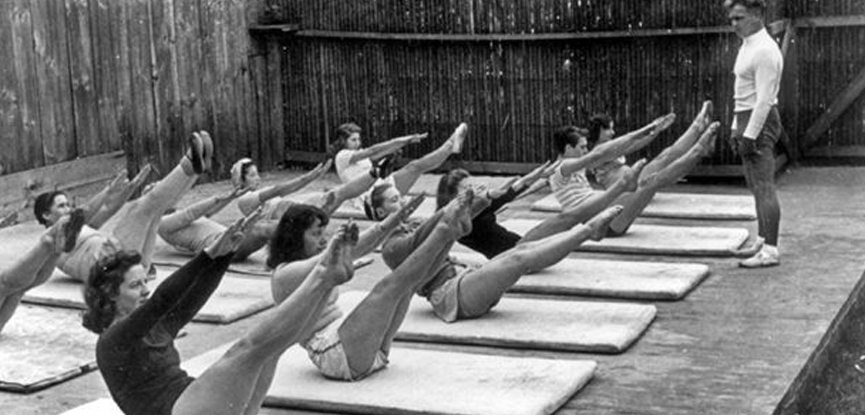
The genius of the Reformer lies in its spring-based resistance system. By adding or removing springs of different tensions, both the instructor and the user can finely tune the level of difficulty. Heavier springs create more resistance for strength-building work, while lighter springs challenge balance and stability in a different way. Many Reformers color-code their springs so that users and teachers can quickly identify the resistance level being used.
Historically, Joseph Pilates used the Reformer to help his students master the correct technique for each exercise. He observed that performing exercises only a handful of times with perfect form was far more beneficial than doing dozens of sloppy repetitions. The Reformer's guided movement pattern gave students a built-in framework for proper alignment, making it easier to develop strength without compensation or poor habits.
Today, the Reformer remains a cornerstone of modern Pilates studios and is increasingly popular for home use. Its versatility makes it suitable for everything from gentle post-injury rehabilitation to intense athletic conditioning.
Featured Product
Bring the studio experience home with a professional-grade Reformer.
AeroPilates Precision ReformerReformer Exercises
Reformer Pilates tends to be more dynamic and varied than mat-based work, largely because the machine adds resistance and support that cannot be replicated on a flat surface. Most exercises are performed through a wider range of motion, targeting the core, legs, arms, and back in ways that build both strength and flexibility simultaneously.
The Reformer was originally created to help students prepare for the more advanced mat exercises. It provides a supportive framework that makes it easier to learn correct alignment before progressing to unsupported movements. That said, Reformer exercises are a challenging and complete workout in their own right.
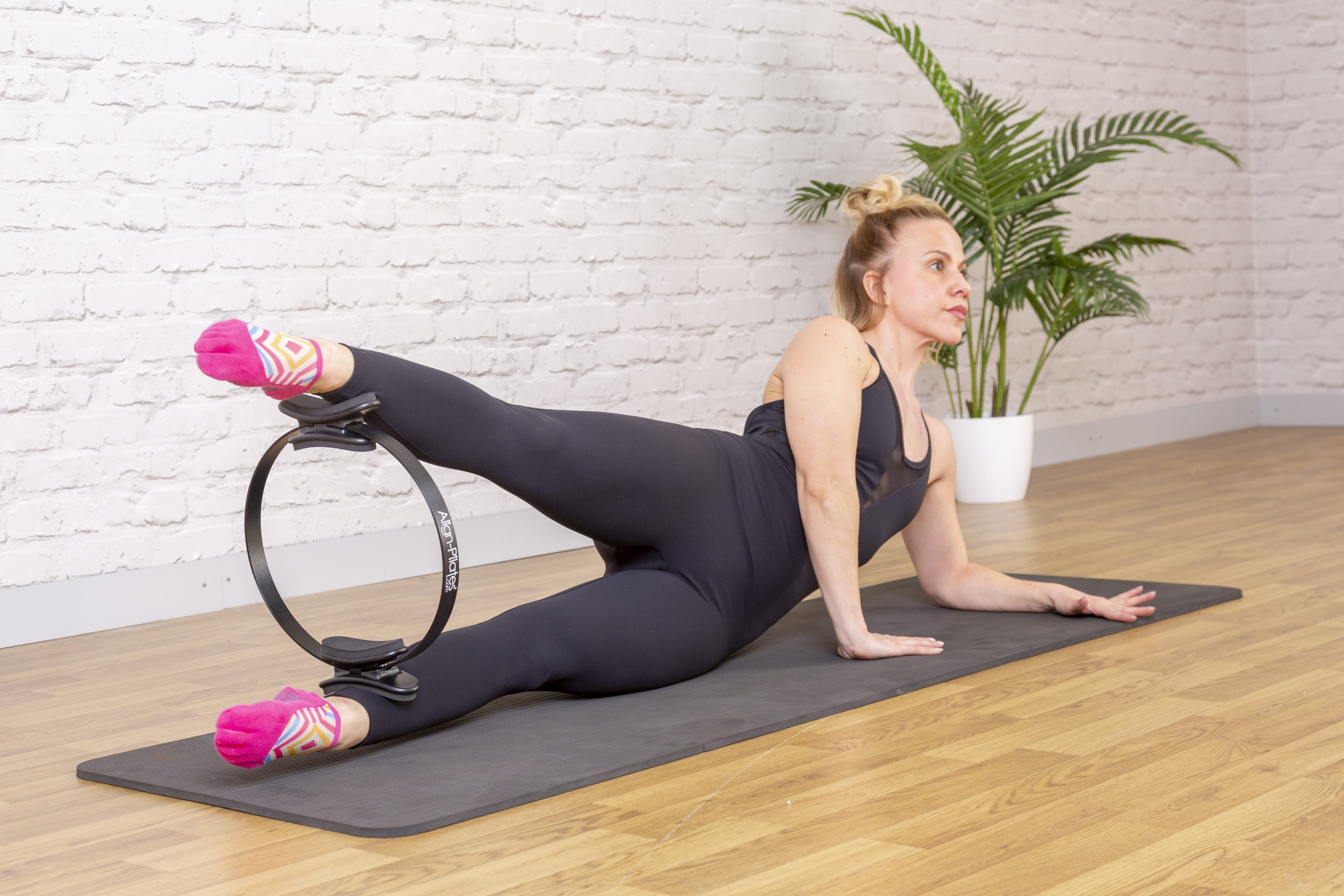
Like mat sessions, Reformer classes are typically organized into series — groups of exercises that flow logically from one to the next. Each series within a class is structured to target specific areas or build on the movements that came before it. While individual instructors may vary the order or emphasis, most Reformer sessions include a selection from the following foundational exercises:
There are subtle and sometimes significant variations between these exercises depending on the school of Pilates being taught and the level of the practitioner. Regardless of the specific variation, the underlying emphasis on control, precision, and breath remains consistent across every exercise and every session.
Reformer Instructors
If you are considering enrolling in Reformer Pilates classes, it is worth understanding what separates a qualified instructor from someone who has only completed a weekend workshop. Pilates instruction requires a solid understanding of anatomy, biomechanics, and the specific techniques unique to the Reformer. A properly certified instructor will have completed a recognized qualification, often involving hundreds of hours of supervised practice and written examination.
There are numerous organizations and certification bodies that offer Reformer Pilates training. Some programs are delivered entirely online, while others require extensive in-person practical hours. The quality and depth of these programs can vary considerably, so it is a good idea to research the credentials behind any instructor or studio before committing.
The most reputable programs emphasize hands-on teaching, detailed anatomical knowledge, and a comprehensive understanding of how to modify exercises for different body types, injury histories, and fitness levels. A well-trained instructor can make the difference between a session that transforms your body and one that leaves you frustrated or, worse, injured.
Start Your Pilates Journey
Ready to Experience Reformer Pilates at Home?
Get studio-quality resistance training in the comfort of your backyard or home gym with a precision-engineered Reformer system.
AeroPilates Precision Reformer