
Moving pipes around a worksite safely and without wasting time is one of the trickiest parts of any construction, utilities, or infrastructure job. Longer and heavier pipe sections are almost impossible to relocate by hand, and relying on old-fashioned manual methods raises the chances of both material damage and worker injuries. A pipe carrier attachment built for telehandlers provides a smart, hands-on answer to these problems — giving crews better safety, tighter control, and higher output no matter the scale of the project.
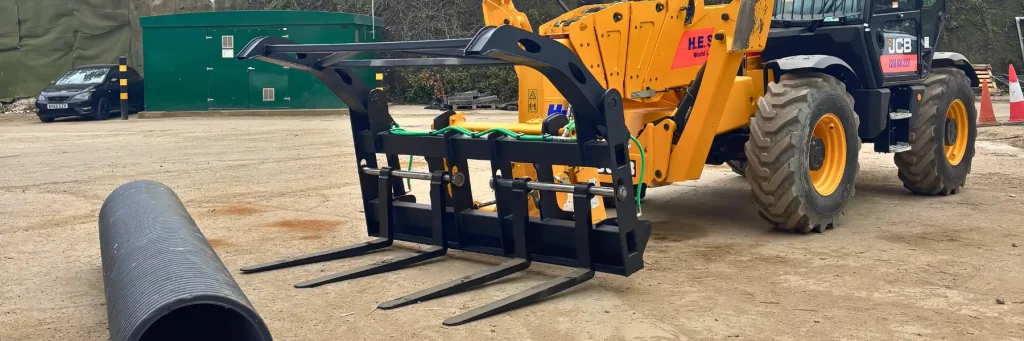
Understanding the Telehandler Pipe Carrier Attachment
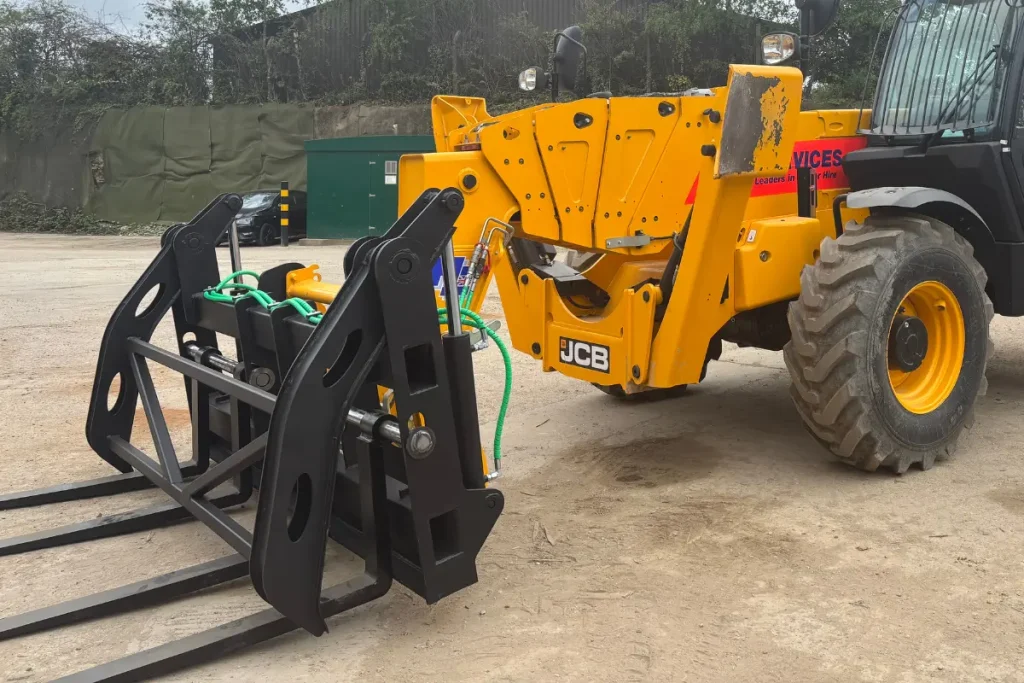
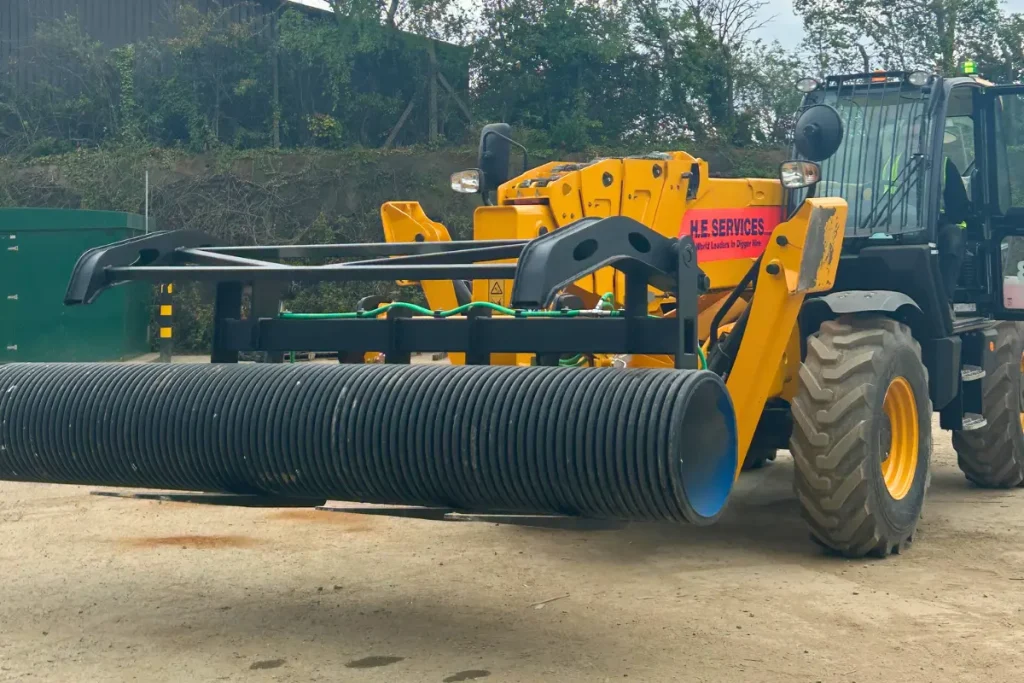
A telehandler pipe carrier attachment is a purpose-engineered accessory that extends what your telehandler can do. It gives the machine the ability to cradle, lift, and transport pipes with far greater precision and steadiness. These attachments feature a sturdy frame or cradle that holds the pipes firmly in place as the telehandler carries them across the site. This means operators can handle long or bulky pipe sections right from the cab — cutting out most of the dangerous manual lifting that slows teams down.
Pipe carriers built for telehandlers are designed with durability and grip in mind. Most models include curved cradles, retention bars, or similar holding features that keep pipes from shifting or rolling during transit. They're compatible with a broad spectrum of pipe materials and diameters — everything from lightweight plastic ducting to large concrete pipes — and they mount onto standard telehandlers with ease.
Essentially, this attachment turns a regular telehandler into a dedicated pipe-moving machine, drastically reducing dependence on manual labour and making site logistics far smoother.
Which Types of Projects Gain the Most?
Pipe carrier attachments prove their worth on any project that involves moving, positioning, or lifting pipework with accuracy and minimal risk. Among the most common use cases:
Drainage & Sewage Work
Safely lowering and positioning pipes into trenches and channels without risking damage or crew safety.
Utility & Civil Engineering
Relocating pipe sections needed for water mains, gas lines, and electrical conduit installation across job sites.
Construction Groundwork
Managing storm drains, service ducting, and underground pipework efficiently on active construction sites.
Large Infrastructure Builds
Transporting extended pipe sections for highway projects, pipeline construction, and major roadwork operations.
In each of these settings, the ability to grab, move, and place pipes directly with a telehandler streamlines the entire workflow and keeps site disruption to a minimum.
Core Benefits of a Pipe Carrier Attachment
Opting for a telehandler pipe carrier over traditional handling techniques delivers clear operational gains. Here are the primary advantages:
Enhanced Safety
Minimising hands-on pipe handling significantly lowers the chance of workplace injuries. Operators can shift pipework without standing near suspended loads, keeping them protected throughout the process.
Superior Stability & Control
Hydraulic cradles and secure locking mechanisms keep pipes perfectly steady during transport — even across rough terrain — dramatically cutting the risk of drops or slippage.
Boosted Efficiency
Positioning pipes directly with the telehandler is vastly quicker than relying on manual lifting, slashing the number of separate handling steps and accelerating overall project timelines.
Less Material Damage
Because pipes sit securely in the carrier, the scratches, dents, and cracks that come from manual or improvised handling are largely avoided — saving money on replacements.
Wide-Ranging Versatility
These attachments accommodate a variety of pipe diameters and materials, making them useful across many different sectors and project types without requiring specialised rigs.
When combined, these advantages deliver smoother project completion, reduced labour expenses, and more predictable outcomes for every crew working on-site.
What to Look for in a Telehandler Pipe Carrier
When it comes to choosing a pipe carrier attachment, the key factors are build quality, compatibility, and long-term reliability. The best carriers are manufactured to a high standard using robust materials and precision engineering, so they hold up under tough site conditions day after day.
Look for attachments that are designed with real-world demands in mind — ones that can be tailored to fit your specific telehandler model and the types of pipes you work with most. This kind of flexibility ensures you get the exact right fit for your operation, which means better performance and greater confidence for operators.
Whether you're managing drainage jobs, utility projects, or full-scale infrastructure builds, investing in a dependable pipe carrier attachment is a straightforward way to make pipe handling safer, faster, and more cost-effective. Proven designs backed by strong build quality give teams the reliability they need to enhance their capabilities on every project.
Backyard Provider — Your Source for Construction & Outdoor Equipment