
Discover How Advanced Solar Panel Technology is Transforming Renewable Energy Efficiency
The solar energy landscape has evolved into a cornerstone of our sustainable future. As concerns over environmental impact intensify, photovoltaic (PV) systems have emerged as vital instruments in transforming how we harness renewable power. Among the technological breakthroughs revolutionizing this industry, PERC innovation stands at the forefront—offering remarkable efficiency gains that exceed traditional panel capabilities. This cutting-edge advancement brings unprecedented energy yield, exceptional long-term durability, and sophisticated manufacturing precision that redefines solar power expectations.
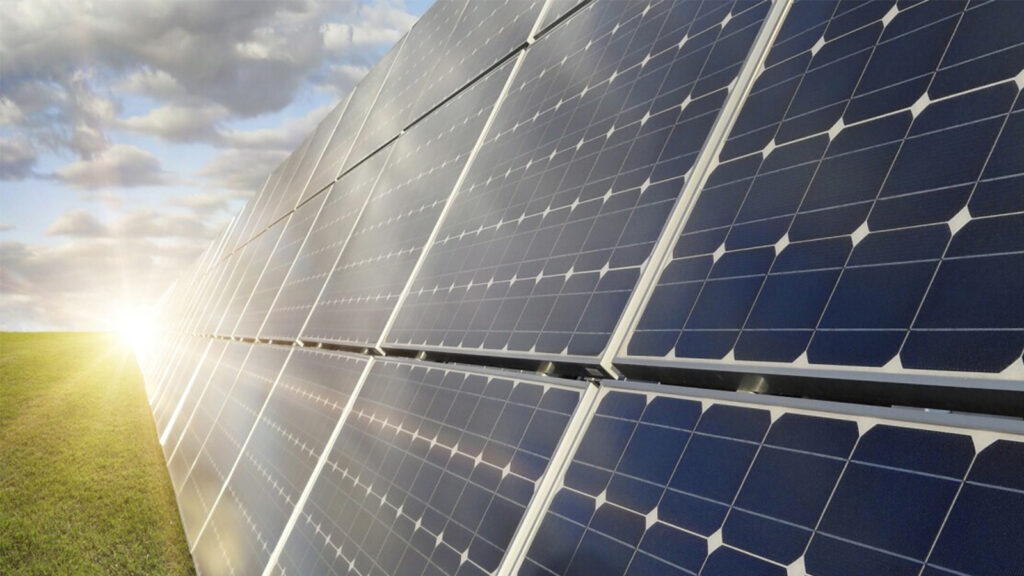
Understanding PERC Solar Architecture
Key Structural Components:
Frame & Reinforcement: Protective exterior housing
Passivated Emitter: Enhanced electron collection
PERC Core: Advanced photovoltaic cell structure
Reflective Rear: Light recapture technology
Aluminum Base: Structural foundation layer
What Defines PERC Technology?
PERC represents "Passivated Emitter and Rear Cell"—an innovative approach that fundamentally enhances photovoltaic performance. This advancement builds upon conventional solar architecture by introducing a specialized dielectric passivation layer to the cell's posterior surface. The ingenious design captures photons that would traditionally escape, redirecting them back through the active silicon layer. This process dramatically amplifies energy conversion rates, extracting maximum output from every ray of sunlight. By minimizing electron recombination losses, PERC technology establishes a new benchmark for solar efficiency that significantly outperforms standard cell designs.

How Does PERC Technology Function?
The operational principle behind PERC technology centers on maximizing light utilization throughout the solar spectrum. When sunlight strikes the panel surface, photons penetrate the cell layers and initiate electron movement. Traditional designs lose substantial energy as photons pass completely through without conversion. PERC technology revolutionizes this process by incorporating a precision-engineered rear surface that acts as a photonic mirror. This reflective barrier captures escaping light particles and redirects them back into the silicon substrate, providing additional conversion opportunities. The passivation layer simultaneously reduces electrical resistance, allowing generated electrons to flow more efficiently through the circuit with minimal energy dissipation.

Why PERC Technology Leads the Solar Revolution
01 | Superior Performance Efficiency
PERC technology delivers exceptional energy conversion capabilities—regularly achieving efficiency levels that substantially surpass conventional alternatives. This enhanced performance translates directly into superior power generation from identical installation footprints. Homeowners and businesses benefit from accelerated return on investment timelines, as the increased output rapidly offsets initial system costs. The technology's ability to extract maximum energy from available sunlight positions it as the premier choice for space-conscious installations requiring optimal energy yields.
02 | Enhanced Low-Light Performance
When standard panels struggle during suboptimal conditions, PERC technology continues delivering impressive performance. Its sophisticated light management system excels in capturing and utilizing diffused illumination, including overcast skies, dawn hours, and dusk periods. This capability ensures more consistent daily energy production across varying weather patterns and seasonal changes. The rear surface passivation enables superior quantum efficiency throughout extended wavelength ranges, enabling the cell to harness even marginal light conditions that conventional designs would simply waste.
03 | Extended Temperature Tolerance
Solar panels inherently experience efficiency degradation as operating temperatures rise—a phenomenon that affects all photovoltaic technologies. PERC innovation addresses this challenge through superior thermal management characteristics. The advanced cellular architecture exhibits reduced temperature coefficients, maintaining more stable performance output even during intense heat exposure. This thermal resilience proves particularly valuable in regions experiencing elevated ambient temperatures or installations with limited ventilation. The result is sustained energy generation throughout summer months when conventional panels experience significant power reductions.
04 | Cost-Effective Manufacturing Integration
Despite its sophisticated technological advantages, PERC represents a remarkably economical evolutionary step from traditional production methods. Manufacturers can implement PERC processes using existing infrastructure with minimal capital investment, requiring primarily the addition of rear surface passivation and contact optimization stages. This compatibility with established manufacturing lines has accelerated widespread adoption throughout the industry, driving down production costs while simultaneously improving panel performance. The scalability of PERC technology ensures that premium efficiency remains accessible across diverse market segments and installation scales.

PERC Applications & Future Outlook
PERC technology has transcended niche applications to become the dominant standard across residential, commercial, and utility-scale solar installations globally. From compact rooftop arrays on suburban homes to expansive solar farms spanning hundreds of acres, PERC panels deliver consistent, reliable performance. Their versatility extends across diverse climatic zones—from tropical environments to temperate regions—while maintaining efficiency advantages. As manufacturing processes continue advancing and economies of scale drive costs downward, PERC technology solidifies its position as the foundational platform for modern solar energy systems, paving the pathway toward universal renewable energy adoption.

PERC Technology: Charting the Course to a Sustainable Tomorrow
As global communities intensify efforts toward carbon neutrality and renewable energy dominance, PERC technology emerges as an indispensable catalyst for this transformation. Its remarkable combination of exceptional efficiency, manufacturing scalability, and proven reliability positions it as the cornerstone of modern photovoltaic advancement. The technology addresses critical challenges facing renewable energy adoption—including space limitations, performance consistency, and economic viability—while simultaneously reducing dependence on fossil fuel sources and minimizing environmental impact.
Forward-looking research initiatives continue pushing PERC capabilities further, exploring bifacial configurations that capture reflected ground radiation, investigating tandem cell architectures combining multiple semiconductor layers, and developing advanced encapsulation materials extending operational lifespans. These innovations promise even greater efficiency gains and cost reductions, accelerating the timeline toward complete renewable energy systems. PERC technology represents more than incremental improvement—it embodies a fundamental shift in how humanity harnesses solar power, transforming renewable energy from alternative option to primary power source for generations ahead.
Experience PERC Excellence Today
Transform your energy independence with cutting-edge solar technology designed for maximum efficiency and long-term reliability.
450W PERC Solar Panel