
From backyard sessions to game-day readiness — how the right portable mound transforms the way pitchers train, compete, and develop their craft.
Train Like It's Game Day — Every Day
Portable pitching mounds are more than a convenience. For youth leagues, travel teams, facilities, and coaches running multi-age programs, a quality portable mound delivers regulation-height throws anywhere and anytime. Whether you're at the indoor cage, a rented field, or a practice diamond without a built-in mound, a portable option keeps training consistent and your pitching mechanics sharp.
Your pitchers don't have to adjust their release points, alter their stride, or risk bad habits from flat-ground overuse. A portable mound brings the real deal to every session, every surface, every afternoon.
4 Key Features to Look for in a Portable Pitching Mound
Before you invest in any portable mound, know what sets the great ones apart from the ones that end up forgotten in storage after a season or two.
Regulation-Ready Dimensions
A mound that mirrors real league height lets pitchers practice with game-accurate mechanics. Always verify that the portable mound you're considering matches your league's height standard — youth, high school, college, and pro all differ. Muscle memory built on the right height translates directly to the mound when it counts.
Built to Absorb Punishment
A pitcher's landing foot slams down on that mound hundreds of times per session. Lesser materials crack, chip, or cave. The best portable mounds are built from high-density rubber or reinforced fiberglass composites that flex slightly to absorb impact without breaking down — and without turning into a slip hazard after heavy use.
Move It Without the Crew
The whole point is portability. Look for mounds designed with manageable weight, integrated handles, and stable wheel systems. A great portable mound should be something one person can move, set up, and store without a 20-minute ordeal or a pulled muscle. The easier the transport, the more often it actually gets used.
Surface Compatibility
Grass, turf, dirt, gym floors — your mound should grip and stabilize across all of them. Look for non-slip rubber bases and designs that don't require anchoring hardware to stay put. A mound that shifts mid-windup creates inconsistency at best and injuries at worst. Stability is non-negotiable regardless of what it's sitting on.""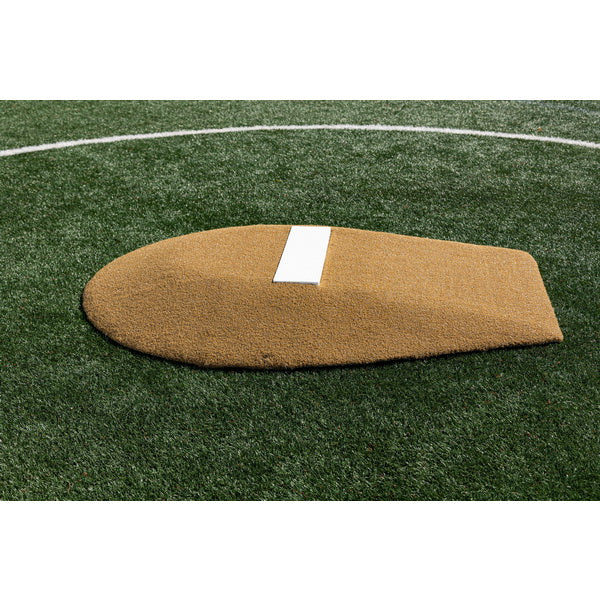
Match the Mound to Your Program's Needs
Not all portable mounds are right for every situation. Nailing the right choice comes down to understanding what your program actually demands — and being honest about the gaps in your current setup.
Practice-First Flexibility
For programs focused on high-volume repetitions and mechanical development, prioritize a mound with moderate weight and a stable, repeatable rubber surface. The goal is consistent foot placement across every throw — not a mound that shifts a little differently every 30 pitches. Lightweight construction helps coaches drag it across the infield without breaking a sweat.
Game-Ready Performance
When budgets allow, choose a mound built closer to competition specifications — regulation slope, regulation height, and a surface texture that mirrors what your pitcher will feel on a real clay mound. High-spec portable mounds like those in the Trigon Sports lineup allow pitchers to cross from practice to competition without recalibrating their mechanics.
Dual-Sport Versatility
Programs that split time between baseball and softball benefit from mounds adjustable to different heights. Rather than buying two separate units, a mound engineered to serve both sports represents a smarter allocation of a facility's equipment budget — without sacrificing quality for either discipline.
Multi-Field Logistics
Facilities running multiple diamonds simultaneously need mounds that can be transported quickly between fields with minimal setup time. Look for models with reinforced wheel systems and handles that allow a single staff member to relocate the mound between innings or between practices. Time saved in transitions is time given back to actual development.
"The jump from flat-ground to a real mound is significant. Practice that transition out and your pitchers arrive on game day already calibrated — confident, loose, and ready."
— Coaching Insight, Backyard Provider Baseball SeriesGetting the Most Out of Your Portable Mound
Owning a great mound is only the beginning. How you use it and maintain it determines how long it lasts and how much value it delivers to your program.
- Simulate Game Conditions: Set the mound at your league's regulation distance from the rubber to home plate every single practice. Eliminating even small inconsistencies in positioning builds the kind of spatial awareness that holds under pressure.
- Rotate Your Landing Zones: Even the most durable mounds experience wear from repetitive foot strikes in the same spot. Rotate pitcher positions slightly during practice sessions to distribute wear evenly and extend the surface life significantly.
- Break It Down Properly: After each session, rinse off loose dirt and debris before storing. A quick clean-down after every outing prevents material buildup that degrades the rubber surface over time — especially relevant for outdoor use in wet or muddy conditions.
- Invest in Proper Storage: Mounds left in direct sun for extended periods can warp slightly over multiple seasons. Store covered or indoors when not in active use. A mound stored well is a mound that holds its shape and performance season after season.
- Pair With a Pitcher's Routine: A portable mound is only as effective as the program around it. Integrate the mound into structured bullpen sessions, complete with pitch counts, mechanical checkpoints, and video review when possible. The mound is the environment — the coaching is what makes it count.
Build a Complete Training Setup
A portable mound anchors your pitching development program — but it performs best when it's part of a complete training environment. Pair your mound with the right complementary equipment to run drills that translate directly to game performance.
- Weighted training balls for arm conditioning
- Portable pitching screens and L-screens
- Pitch-back nets for solo sessions
- Portable batting cages for full BP sessions
- Radar guns and velocity tracking tools
- Mechanical analysis tools and video setups
- Protective turf mats for indoor use
- Storage carts for organized equipment transport
Find Your Best Portable Pitching Mound Today
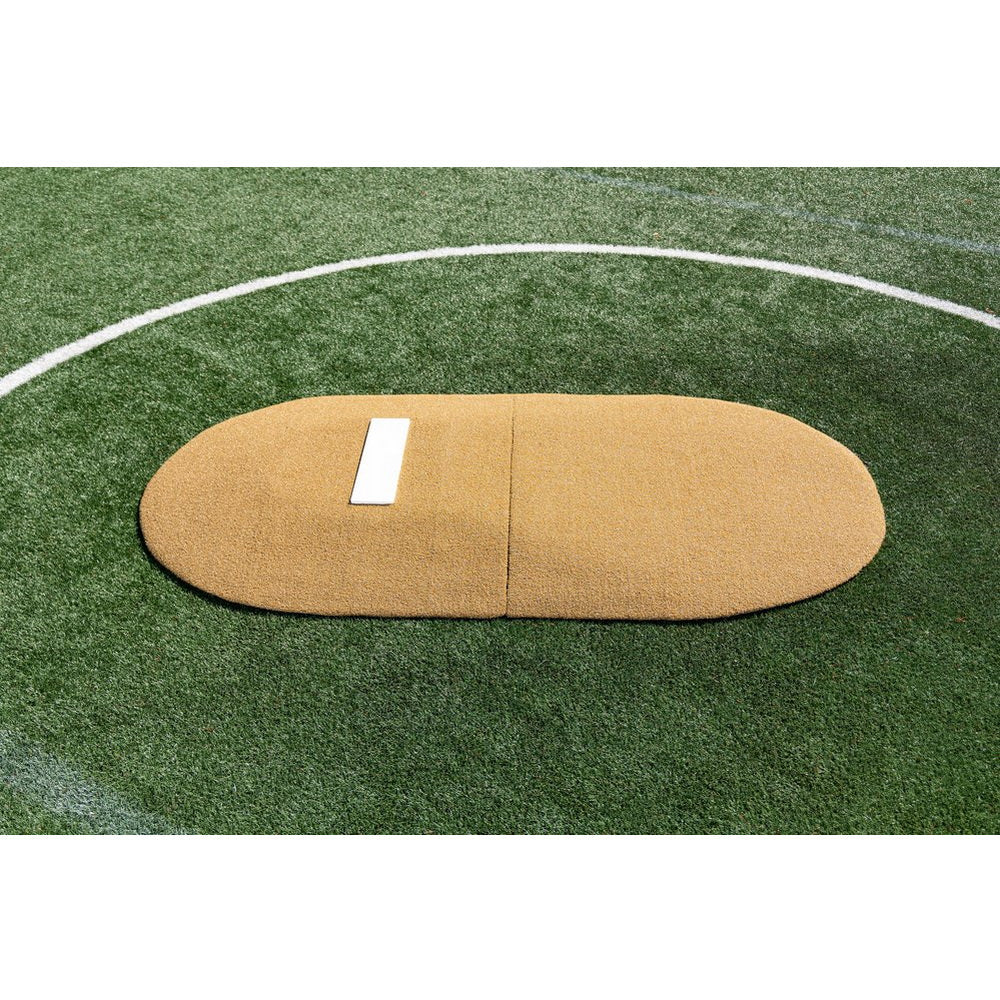
The PortoLite 6" Little League Full Length Portable Game Pitching Mound is purpose-built for youth leagues and training programs that demand regulation-level quality in a genuinely portable package. True game dimensions, durable rubber construction, and a design built to move between fields and facilities without fuss — this is the mound that serious programs trust.
PortoLite Little League MoundChoosing the Right Portable Pitching Mound
Can portable mounds be used for sanctioned games?
Yes — many portable mounds are approved for use in youth, prep, and recreational league play. Approval typically depends on your specific league's equipment standards. Verify the mound meets your governing body's height and dimension requirements before official use. Most quality portable mounds like those in the PortoLite lineup are built to meet Little League and similar youth program specifications.
How do I maintain a portable pitching mound?
After each use, remove loose dirt, debris, and moisture from the surface. Store the mound indoors or covered when not in active use to prevent UV degradation. Inspect the rubber surface and base hardware periodically, and tighten any connections that loosen with use. A well-maintained portable mound should hold its shape and performance for many seasons.
What exactly makes a mound "portable"?
A portable pitching mound is a self-contained, freestanding structure that can be set up and moved without permanent installation. True portability means one person can reasonably transport and position the mound — typically through a combination of manageable weight, integrated handles, and wheel systems. Portable mounds typically weigh between 60 and 200 pounds depending on size and construction.
What's the right portable mound for youth, high school, or college baseball?
Youth programs typically need mounds in the 4" to 6" height range to match Little League dimensions. High school and college programs require mounds closer to the 10" regulation professional height. Always match the mound height to your league's official specifications — training on the wrong height, even marginally, creates mechanical habits that carry over to competition.
Do portable pitching mounds come with wheels?
Many full-length portable mounds include integrated wheel systems and handles for easy relocation between fields. Not all mounds include wheels — smaller or youth-oriented models may prioritize lighter overall weight instead. If your facility requires frequent repositioning across multiple surfaces, prioritize models with reinforced transport hardware built into the base design.
Where can I find the best portable mound options?
A wide range of high-quality portable pitching mounds — from youth training models to full game-ready platforms — are available directly through Backyard Provider. Each mound in our selection is chosen for durability, regulation accuracy, and genuine portability that holds up over multiple seasons of serious use.