
The pitching mound is far more than a raised patch of dirt — it is the stage where young players discover their voice, their arm, and their love for the game. That modest elevation profoundly shapes how Little Leaguers pitch, compete, and grow.
The Mound: More Than a Raised Platform
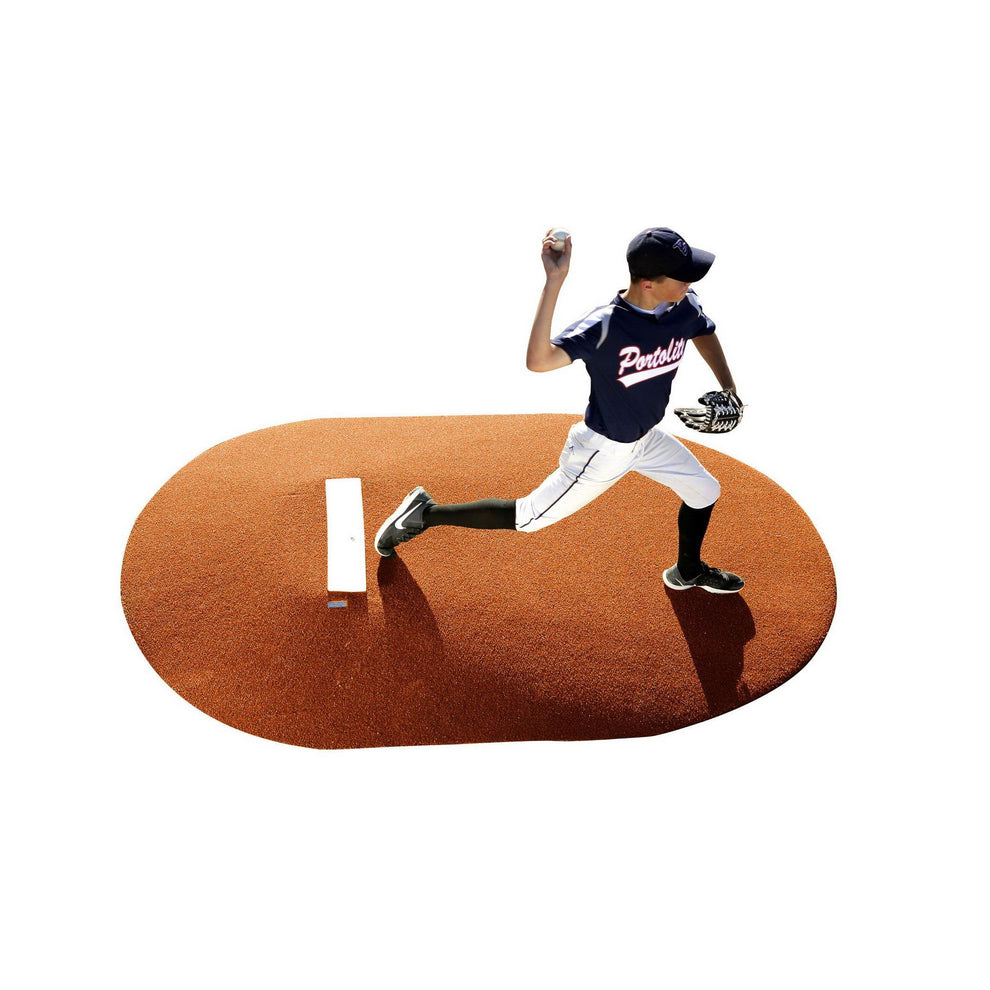
In Little League baseball, the pitching mound stands as a cornerstone of the game — a place where raw talent first takes shape and youthful ambitions are tested. Regulation height sits at a modest 6 inches above the playing field, a measurement that might seem trivial on paper but carries real weight on the diamond.
That slight rise above the flat ground can reshape a pitcher's mechanics, dictate pitch velocity, and even influence how the batter reads an incoming throw. For a child stepping onto a mound for the first time, every inch matters.
Adapting to Elevation: The Young Pitcher's Challenge
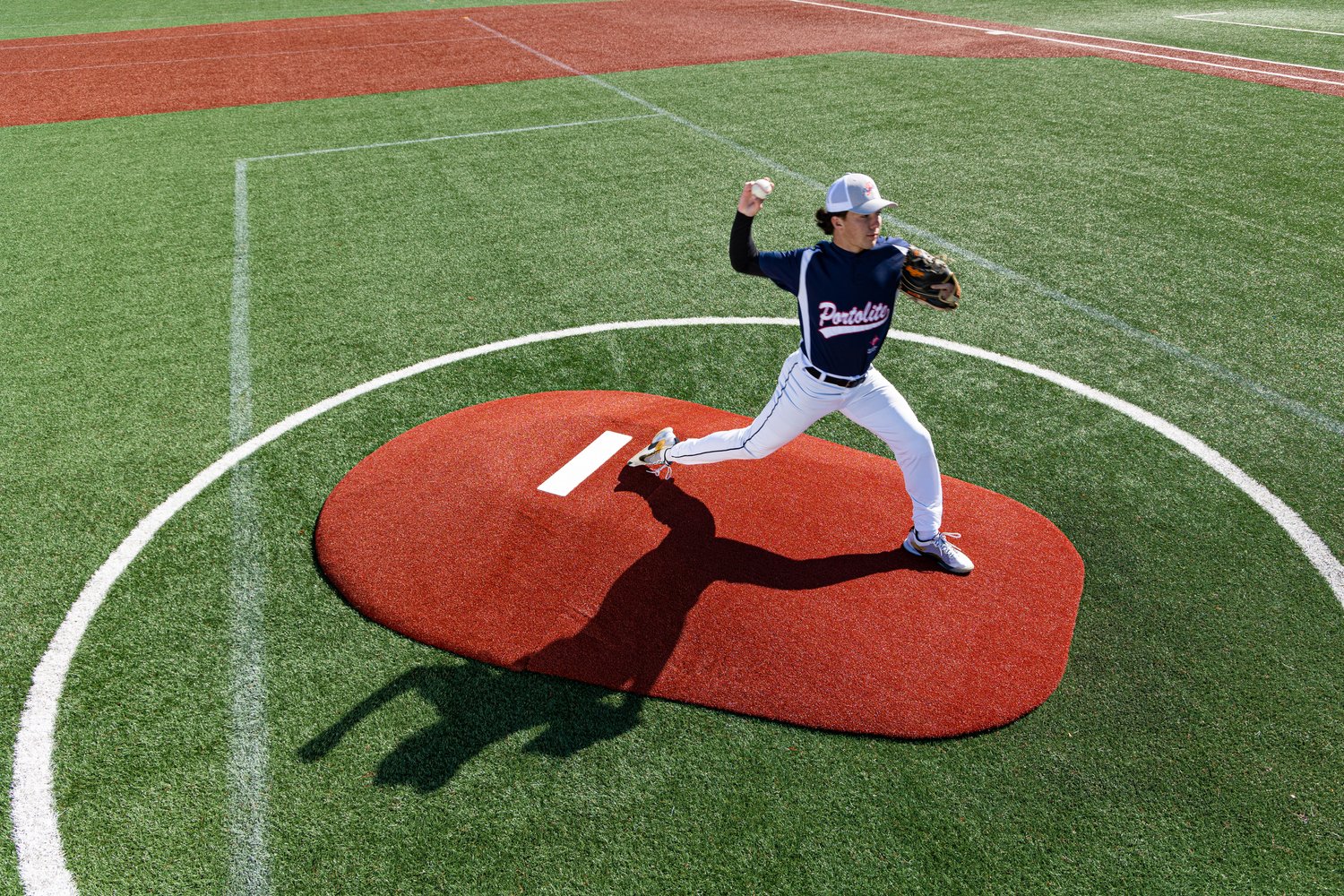
For many young athletes, ascending the mound for the first time is a defining moment. That elevated ground grants a genuine sense of authority — it is their stage, and the game flows from their arm. Yet the same elevation that empowers also demands adaptation.
Shifting from flat-ground throwing to pitching off a mound requires changes in footwork, balance, and arm angle. The downward slope alters the natural stride, and young bodies in their formative years must carefully adjust. Without proper guidance, even well-coached athletes can develop strain in the joints and tendons that are still maturing.
"The mound doesn't just change where a player stands — it changes everything about how they throw, think, and compete."
Coaching on Elevated Ground: Techniques That Build Lasting Skills
Skilled coaches understand that the transition to the mound is a pivotal developmental milestone. Footwork drills, weight-transfer exercises, and gradual slope exposure are all critical tools in the coaching arsenal when working with young pitchers.
The seamless shift from flat-field throwing to elevated mound mechanics is not instinctive — it must be nurtured through deliberate repetition. Coaches who invest time here lay the groundwork for mechanically sound, confident pitchers who can compete at higher levels without compromising their physical health.
Beyond the Pitcher: How the Mound Shapes the Entire Game
The mound's influence doesn't stop at the pitcher's release point. Batters stepping into the box against an elevated thrower face an entirely different challenge. Pitches arrive on a downward plane, creating variations in speed perception and ball movement that are simply absent in flat-ground scenarios.
This unpredictability adds strategic depth to Little League games. Batters must read release points differently, adjust their swing planes, and anticipate movement that a regulation mound naturally introduces. In this way, the elevation becomes a teacher for every player on the field — not just the one holding the ball.
Balancing Competition with Physical Well-being
Competitive spirit is a wonderful thing in youth sports, but it must be balanced with a clear-eyed awareness of physical development. The incline of a pitching mound places unique stresses on young joints and muscles that are still forming, making proper mechanics and rest schedules non-negotiable.
Leagues, coaches, and parents all share responsibility for monitoring workloads and ensuring that the mound remains a place of growth rather than injury. The right equipment — including a properly sized, regulation-compliant practice mound — plays an equally important role in making that balance achievable.
Elevate Your Little League Experience
Little League baseball is one of the richest proving grounds a young athlete can have. It builds resilience, sharpens focus, and fosters a lifelong love of the game. At the center of all of it stands the mound — quietly shaping every pitch thrown, every strategy devised, and every lesson learned.
Investing in a quality pitching mound is not just about equipment — it is about creating the conditions where young players can develop safely, practice with purpose, and fall in love with what it feels like to take the hill and compete.
Ready to Bring the Game Home?
Give your young pitcher the regulation feel they need to train with confidence, build proper mechanics, and love every moment on the mound.
PortoLite 6" Pitching Mound