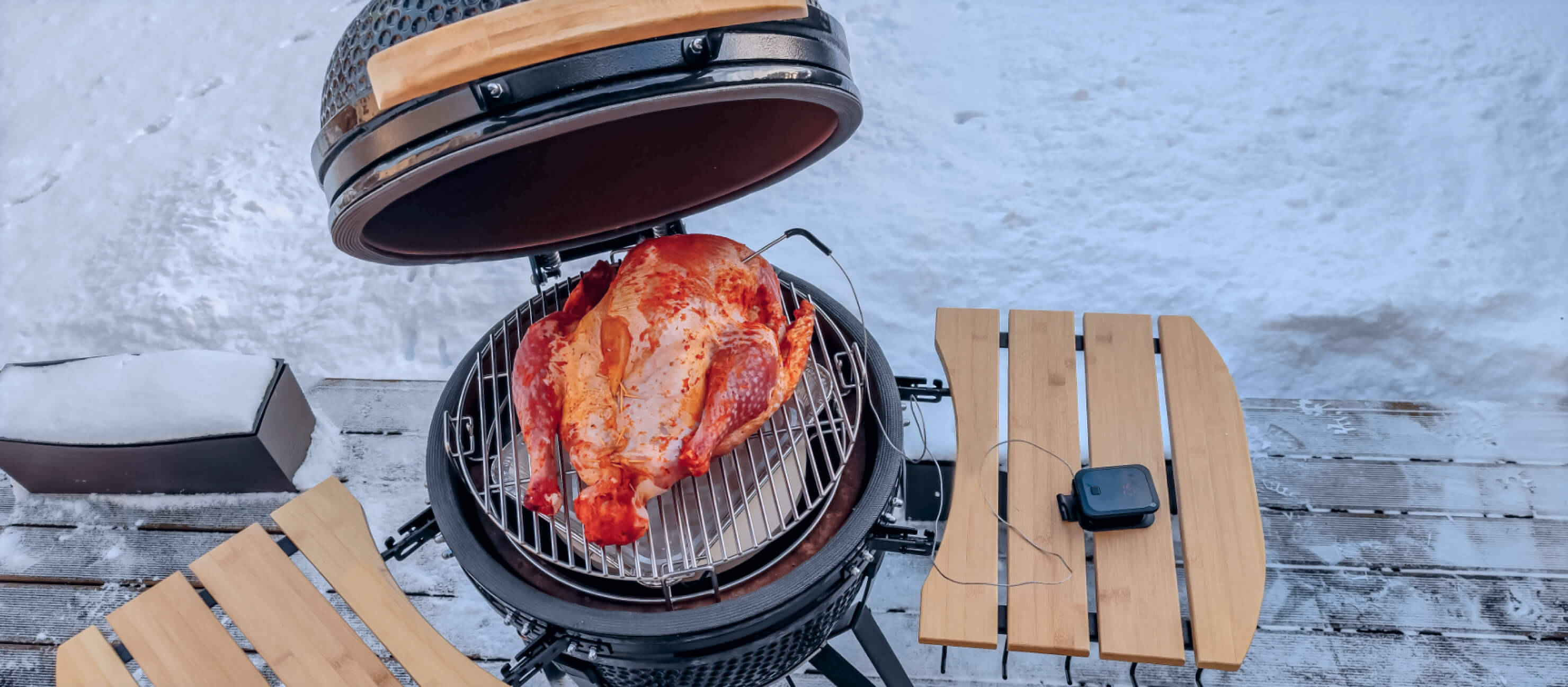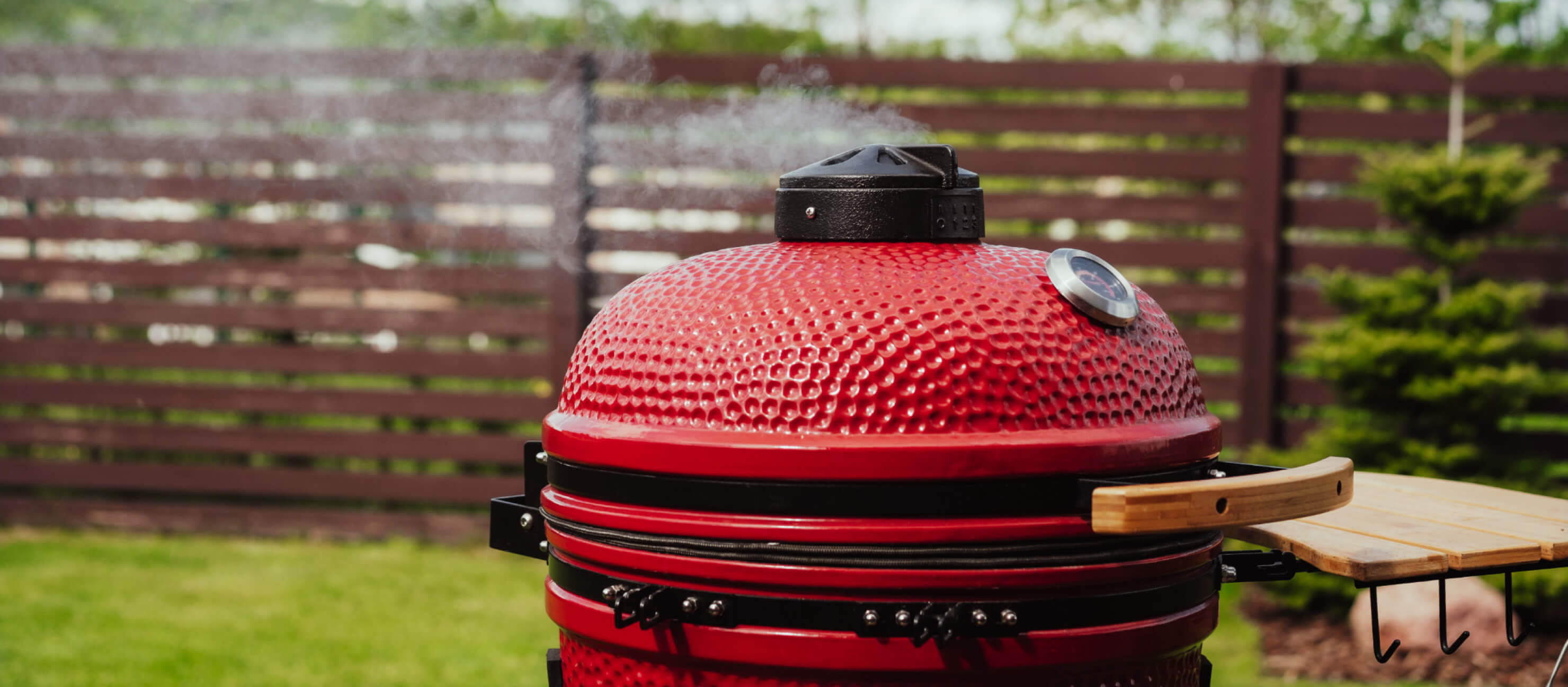
Have you ever noticed those distinctive egg-shaped grills at your neighbor's backyard barbecue? Perhaps you've seen one featured in a cooking magazine or spotted one at a high-end outdoor store. These unique cookers are called Kamado grills, and they represent one of the most versatile and efficient ways to cook outdoors. Whether you're a seasoned pitmaster or just getting started with backyard cooking, understanding what makes these grills special can transform your outdoor culinary adventures.
Key Takeaways
- Kamado grills originated thousands of years ago and have evolved into premium outdoor cooking equipment
- The ceramic construction provides exceptional heat retention and fuel efficiency
- These versatile cookers can grill, smoke, roast, bake, and even function as a pizza oven
- Temperature control is achieved through adjustable vents at the top and bottom
- With proper care, a quality Kamado grill can last for decades
What Exactly Is a Kamado Grill?
A Kamado grill is a charcoal-powered cooking vessel characterized by its distinctive oval or egg-like shape. The name "Kamado" comes from the Japanese word for "stove" or "cooking range," reflecting the design's Asian origins that date back thousands of years. Ancient versions were crafted from clay, while modern iterations typically feature thick ceramic walls that provide superior insulation and heat management.
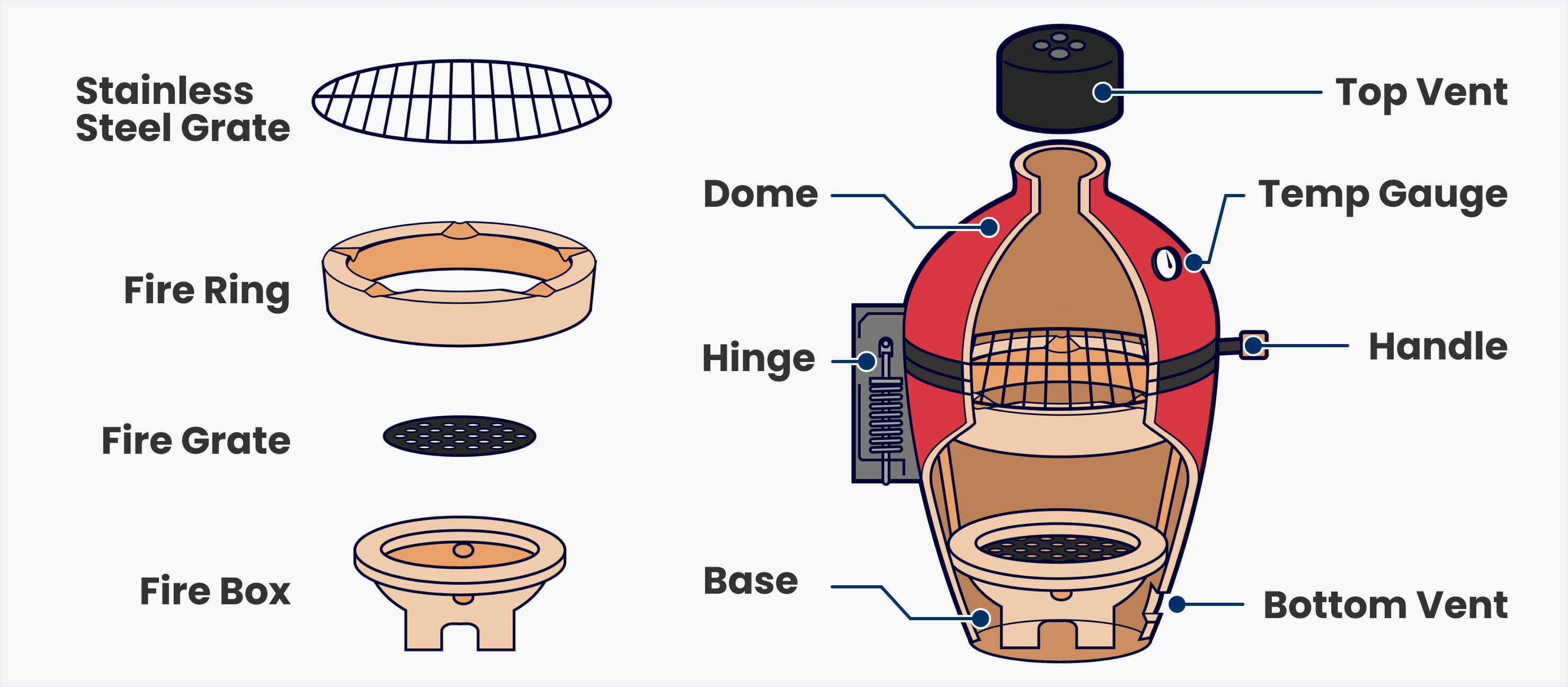
Domed Lid
Traps heat and smoke for even cooking
Top Vent
Controls airflow and temperature from above
Fire Box
Holds charcoal fuel for long-lasting heat
Bottom Vent
Regulates oxygen intake for precise control
The genius of the Kamado design lies in how these components work together. The thick ceramic walls act as exceptional insulators, maintaining consistent temperatures while using remarkably little fuel. This efficiency, combined with the ability to reach extreme temperatures, makes the Kamado one of the most versatile outdoor cookers available today.
Expert Tip
After preheating for 10 to 15 minutes, Kamado grills can achieve internal temperatures exceeding 800°F, making them ideal for restaurant-quality pizza and perfectly seared steaks.
How Do Kamado Grills Work?
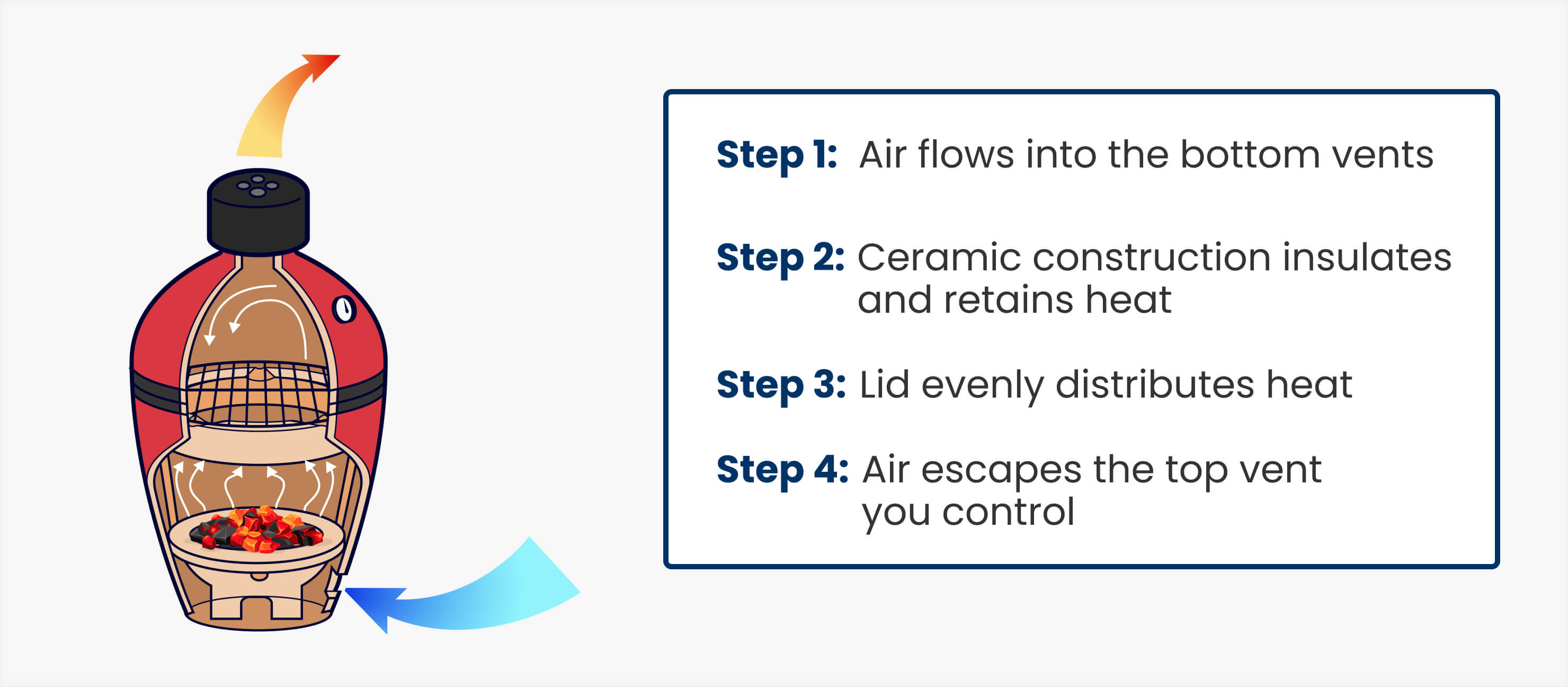
The operational principle behind a Kamado grill is elegantly simple yet highly effective. The ceramic shell creates an insulated cooking chamber that minimizes heat loss while maximizing fuel efficiency. When you light the charcoal in the fire box, heat rises naturally through the cooking grate and circulates within the domed interior.
Temperature regulation happens through the strategic manipulation of two vents. The bottom vent, located near the ash collection area, controls how much oxygen enters the fire box. Opening it wider introduces more air, which intensifies the flame and raises the temperature. The top vent, positioned in the dome, allows hot air and smoke to escape. By adjusting these vents in tandem, you can maintain precise temperatures ranging from low-and-slow smoking at 225°F to blazing hot searing at 750°F or higher.
Fire Ignites in the Bottom Section
The charcoal in the fire box creates the heat source, with oxygen drawn in through the lower vent.
Ceramic Walls Store and Distribute Heat
The thick ceramic construction absorbs thermal energy and radiates it evenly throughout the chamber.
Hot Air Circulates in the Dome
The curved shape promotes natural convection, surrounding food with consistent heat from all directions.
Air Escapes Through the Top Vent
Controlling the exhaust vent fine-tunes temperature by regulating airflow and smoke retention.
What Are the Benefits of a Kamado Grill?
Kamado grills have earned their devoted following for several compelling reasons. Here's what makes these cookers stand out from conventional grilling options:
Exceptional Fuel Efficiency
The insulating properties of ceramic mean you'll use significantly less charcoal compared to metal grills. A single load can maintain cooking temperatures for 12 to 18 hours during low-and-slow sessions.
Unmatched Versatility
Beyond traditional grilling, these cookers excel at smoking, roasting, baking, and high-heat searing. Bake artisan bread, smoke a brisket, or cook pizzas with a crispy charred crust.
Superior Temperature Control
Once you dial in your desired temperature, Kamado grills hold it steady with minimal adjustment. This precision is crucial for achieving consistently delicious results.
Moisture Retention
The sealed cooking environment traps moisture, resulting in incredibly juicy meats and vegetables. Your food won't dry out even during extended cooking sessions.
Built to Last
Quality Kamado grills are constructed to withstand years of use. Unlike metal grills that rust and corrode, ceramic maintains its integrity through countless cooking sessions.
Enhanced Flavor
Charcoal and wood chips impart authentic smoky flavor that gas grills simply cannot replicate. The convection cooking style ensures flavors penetrate deeply into your food.
How to Use a Kamado Grill
Getting started with your Kamado grill is straightforward once you understand the basic workflow. Follow these steps to achieve outstanding results from your very first cook:
Step 1: Start With a Clean Grill
Before igniting your Kamado, remove any leftover ash from previous cooking sessions. Clear the bottom vent and fire box of debris. A clean grill ensures proper airflow and consistent performance. Use an ash tool or vacuum designed for grills to make this process quick and easy.
Expert Tip: Empty the ash before every cook. An overly filled ash collector can block airflow and make temperature control difficult, so maintain this habit consistently.
Step 2: Add Lump Charcoal
Fill the fire box with natural lump charcoal. Avoid briquettes, as they contain binders and fillers that can affect flavor and produce more ash. Lump charcoal burns cleaner, ignites faster, and responds more quickly to airflow adjustments. Fill the fire box according to your planned cook time—more charcoal for longer sessions.
Expert Tip: If you're planning a smoking session, consider placing wood chunks directly into the charcoal. This method allows smoke flavor to infuse gradually throughout the cooking process.
Step 3: Light the Charcoal
Use a fire starter or electric starter to ignite the charcoal. Never use lighter fluid, as it can impart unwanted chemical flavors to your food and potentially damage the ceramic interior. Create a small well in the center of the charcoal, place your starter there, and light it. Leave the lid open for several minutes to allow the fire to establish.
Step 4: Preheat the Grill
Close the lid and open both vents wide. Allow the grill to preheat for approximately 10 to 15 minutes. Monitor the built-in thermometer as the temperature climbs. During this phase, the ceramic walls absorb heat, which they'll later radiate back evenly during cooking.
Expert Tip: Once you're grilling, open the lid slowly. The sudden rush of oxygen can cause a flashback of flame. Crack it first, wait a few seconds, then open fully.
Step 5: Set Your Target Temperature
Adjust both vents to reach your desired cooking temperature. For low-and-slow smoking around 225°F to 275°F, close the vents significantly, leaving only small openings. For high-heat grilling at 450°F to 600°F, keep the vents more open. Make small adjustments and wait several minutes to observe the effect before changing again.
Expert Tip: It's easier to raise the temperature than to lower it. Start with a conservative vent setting and gradually open them to reach your target rather than overshooting and trying to cool down.
Step 6: Place Your Food and Cook
Position your ingredients on the cooking grate and close the lid. Resist the temptation to peek frequently, as each opening releases heat and smoke. Use a reliable meat thermometer to monitor internal temperatures without lifting the lid. Your Kamado's stable environment will do the work.
Step 7: Cool Down Safely
When finished cooking, close both vents completely to extinguish the fire. The ceramic will retain heat for hours, so exercise caution. Allow the grill to cool naturally before cleaning. Leftover charcoal can often be reused for your next session if it hasn't turned to ash.
Expert Tip
After closing the vents, consider "burping" the grill by opening it slightly for 2 to 3 seconds to let any built-up heat escape before opening it fully. This prevents sudden flare-ups and protects both you and your food.
How to Choose a Kamado Grill: Factors to Consider
Ready to invest in your own Kamado grill? Here are the key factors to evaluate before making your purchase:
Grill Shape and Size
Traditional Kamado grills feature the classic egg shape, optimized for heat circulation and efficiency. However, newer designs include variations that offer expanded cooking surfaces while maintaining core Kamado principles. Consider how many people you typically cook for—compact models suit couples or small families, while larger units accommodate entertaining crowds. Keep in mind that bigger grills require more charcoal and longer preheating times.
Expert Tip: You can set up indirect heat in an egg-shaped Kamado grill by placing a heat deflector or pizza stone between the fire and the cooking grate, which distributes heat evenly throughout the chamber.
Additional Features
Modern Kamado grills come with various accessories and features that enhance the cooking experience. Some models include built-in thermometers with greater accuracy than basic versions. Look for convenient features like easy-open hinges, wheeled carts for mobility, side shelves for prep space, and tool hooks for organization. Many manufacturers offer compatible accessories such as pizza stones, rotisserie attachments, rib racks, and multi-level cooking systems that expand your culinary possibilities.
Price Points
Kamado grills range considerably in price, from entry-level options around a few hundred dollars to premium models exceeding several thousand. Entry-level grills provide an excellent introduction to Kamado cooking at accessible price points. Mid-range options typically offer improved build quality, better temperature control, and more durable components. Premium models feature the finest materials, precision engineering, superior heat retention, and comprehensive warranty coverage. Consider your commitment level and budget when selecting the right tier for your needs.
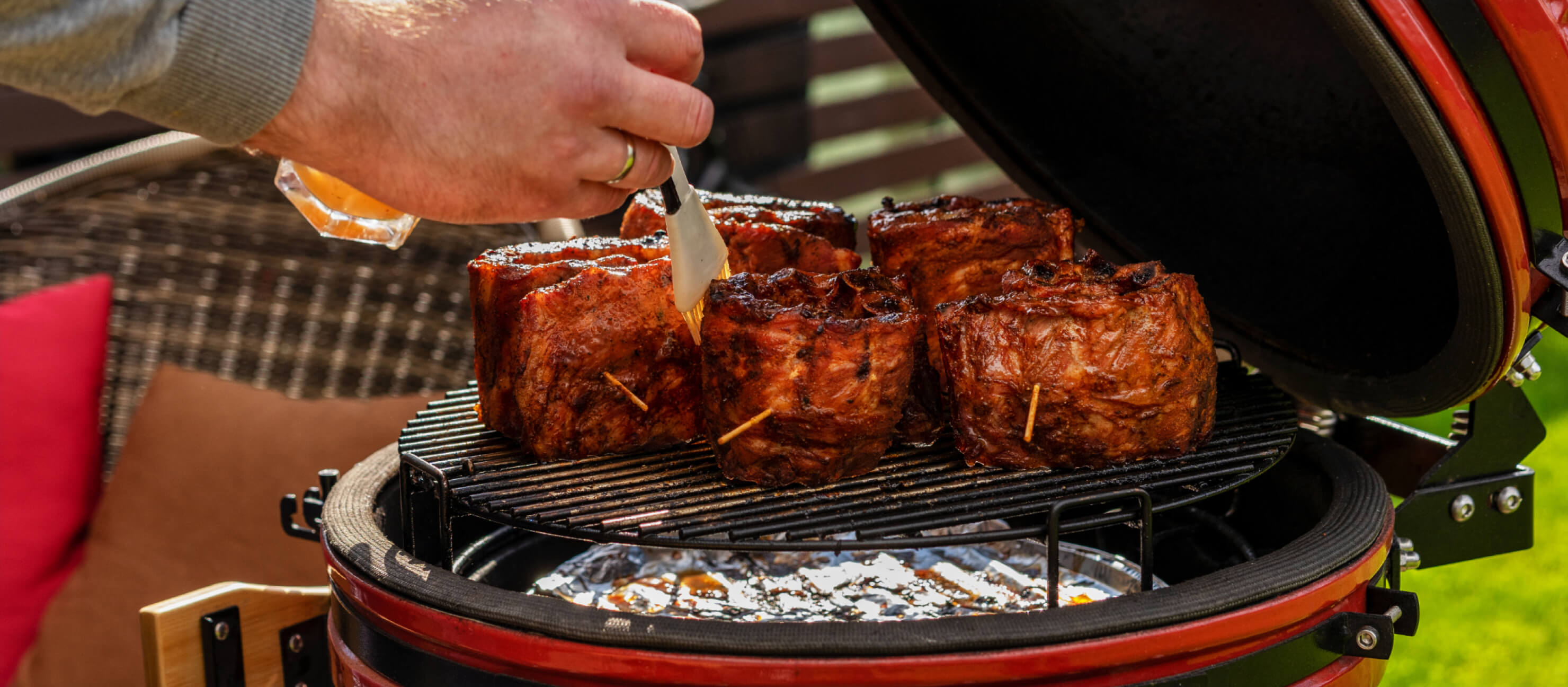
Get Outside and Start Grilling!
Ready to transform your outdoor cooking experience? A Kamado grill opens up a world of culinary possibilities, from perfectly seared steaks to fall-off-the-bone ribs and wood-fired pizzas. Find the ideal Kamado for your backyard and discover why so many outdoor enthusiasts consider this the ultimate grilling investment.