
Within this comprehensive guide, we'll walk you through the distinctions between various speed oven models, explain the core principles of their operation, and identify the ideal applications for each type.
Let's explore the world of rapid cooking technology...
Understanding Speed Ovens and Rapid Cooking Technology
Speed ovens go by various names in the culinary world. Manufacturers like TurboChef and others use terms such as accelerated cooking, rapid cooking technology, speed cooking, microwave combination cooking, and several other designations.
An authentic speed oven or rapid cooking appliance employs multiple heating technologies to dramatically decrease cooking duration. The phrase "speeding up" refers to the cooking process itself. These advanced cooking methods typically combine several heat sources including infrared heating, high-velocity hot air, impinged heated air, convection heating, and microwave energy.
A rapid cooking appliance utilizes several of these heating technologies simultaneously to accelerate the cooking process. For instance, it might combine microwave energy to heat food from the inside while high-velocity hot air crisps and browns the exterior. This dual-process approach turns what would traditionally be two separate cooking steps into a single, time-efficient operation.
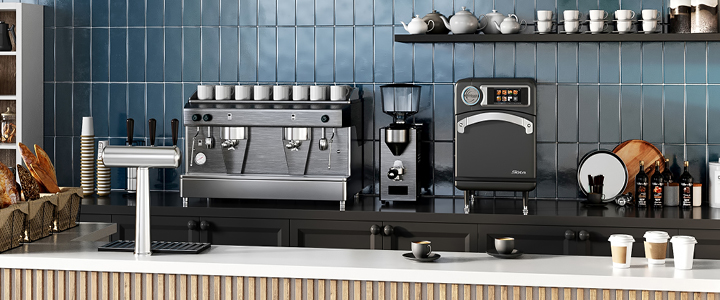
The vast majority of rapid cooking ovens feature ventless design. This eliminates the need for costly extraction hood systems typical of conventional ovens. They accomplish this through an integrated catalytic converter system. This converter continuously scrubs the air within the cooking chamber as it circulates throughout the oven. It effectively removes grease particles, smoke, and volatile organic compounds from the cooking environment, combusting them into harmless compounds before releasing clean air into your space. Consequently, speed ovens and rapid cooking appliances are perfect for front-of-house installations in establishments such as coffee houses, quick-service restaurants, and dining facilities.
Categories of Speed Ovens and Rapid Cooking Appliances
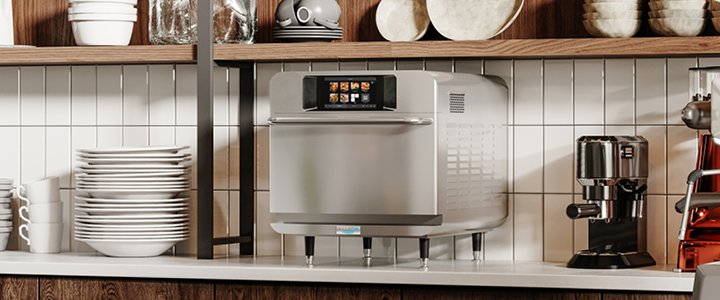
The market offers four distinct categories of speed cooking technology.
Microwave Speed Ovens
These units combine traditional microwave technology with convection heating and sometimes additional elements for enhanced browning and crisping capabilities.
Impingement Speed Ovens
Utilizing high-velocity air jets directed at food from multiple angles, these ovens cook rapidly while achieving excellent surface texture and browning.
Conveyor Speed Ovens
Designed for high-volume operations, these models move food through the cooking chamber on a continuous belt system for consistent results.
Accelerated Cooking Ovens
These advanced systems combine infrared, convection, and microwave technologies for the fastest cooking times with professional-quality results.
Advantages of Speed Cooking Technology
Speed ovens deliver remarkable time savings compared to traditional cooking methods. What might take fifteen to twenty minutes in a conventional oven can often be accomplished in just three to five minutes. This efficiency translates directly into improved customer service, reduced energy consumption, and increased throughput during peak service periods.
The ventless operation of most models represents another significant advantage. Without requiring expensive ventilation infrastructure, these units can be positioned virtually anywhere in your facility. This flexibility opens up possibilities for satellite cooking stations, outdoor kitchen installations, and front-of-house service areas that would be impractical with traditional equipment.
Selecting the Right Speed Oven
When evaluating speed ovens for your needs, consider your typical menu items, daily volume requirements, and available space. Countertop models offer flexibility and require minimal installation, while built-in units provide a more integrated appearance. Capacity varies significantly between models, so assess your peak-hour demands carefully.
Programming capabilities differ substantially across manufacturers. Some units offer simple preset buttons, while others feature sophisticated touch-screen interfaces with hundreds of programmable recipes. Consider your staff's technical comfort level and training requirements when making your selection.
Energy efficiency should factor into your decision as well. While all speed ovens use less energy than traditional ovens due to shorter cooking times, specific models vary in their standby power consumption and insulation quality. Review the energy specifications and calculate long-term operating costs as part of your purchasing decision.
Explore Professional Speed Cooking Solutions
Buy Speed OvenInstallation and Maintenance Considerations
Professional installation ensures optimal performance and safety. While many countertop models simply require a standard electrical outlet, built-in units may need dedicated circuits and proper ventilation clearances. Always consult with a qualified technician and follow manufacturer specifications precisely.
Regular maintenance extends the lifespan of your speed oven and maintains cooking quality. Daily cleaning of interior surfaces, weekly inspection of air filters, and monthly checks of door seals help prevent issues. Most manufacturers recommend annual professional servicing to verify calibration and inspect internal components.
Maximizing Your Speed Oven Investment
Proper staff training unlocks the full potential of your speed cooking equipment. Invest time in teaching your team about optimal food placement, understanding cooking profiles, and recognizing when adjustments are necessary. Well-trained operators achieve more consistent results and can troubleshoot minor issues independently.
Experiment with your menu to discover new applications for your speed oven. Many operators find that items they previously considered impractical become feasible with rapid cooking technology. From reheating delicate pastries to finishing proteins, these versatile appliances often exceed initial expectations when given creative application.
Document successful cooking programs and create reference guides for your staff. As you develop optimized settings for various menu items, recording these parameters ensures consistency across shifts and simplifies training for new team members. Many modern units allow you to save custom programs directly in the oven's memory for instant recall.
Final Thoughts
Speed ovens represent a significant advancement in cooking technology, offering unprecedented flexibility, efficiency, and quality. Whether you're operating a busy café, restaurant, or catering service, these appliances can transform your kitchen operations. By understanding the different types available and carefully matching features to your specific requirements, you'll select equipment that serves your needs for years to come.