When a group of engineers and IT professionals spend enough time working side by side, something inevitable happens — a shared obsession takes root. In our case, that obsession was foosball. Over the span of two years, our team accumulated a surprising depth of knowledge about this deceptively simple game. What started as casual break-room matches quickly evolved into a full-blown study of table mechanics, player figures, rod techniques, and competitive etiquette. This guide distills everything we learned into one comprehensive resource.
Onboarding the Idea
So you're eager to bring some play into your IT department, engineering floor, or startup space. Maybe you've decided to start your own company and want to build a culture that values creativity, teamwork, and a healthy dose of competition. Excellent decision — foosball tables are one of the best ways to foster that kind of energy.
As a tip from those of us who have been there: don't just pick any table your coworker saw online and call it a day. You absolutely should not walk into a big-box store and grab the first thing that looks like a foosball table. Instead, invest the time in understanding your company's real needs — the space you have, the level of play you expect, and the kind of investment that makes sense for your budget.
A high-quality foosball table is a functional piece of engineering in its own right — and we think every tech team deserves access to one. The foosball table (also known as a table football or kicker) is the perfect break-room companion.
Below, we've put together a practical guide for choosing the right foosball table. Let's begin.
Should I Build a Table or Buy It?
"To do, or not to do: that is the question."
— Paraphrased from William Shakespeare
Honestly, the right path for engineers who want to try their hand at building things is to just build one. But we need to be real about this: unless you happen to have the exact right equipment, precision tools, and a deep understanding of table dynamics, the odds are not in your favor. Building a foosball table from scratch that actually plays well is a serious undertaking.
For most teams, we strongly recommend buying a quality table. The right commercial table will have been engineered with tolerances and materials that ensure consistent play, proper ball control, and long-lasting durability. You can partner it with some fun extras to make it your own — custom paint jobs, branded balls — but the core table should be professionally manufactured.
Think of it this way: you wouldn't build your own server rack from lumber, so don't try to build a foosball table from spare parts either. If you skip this advice, don't be surprised when the rods bend and the playing surface warps after a month of heavy use.
What Kind of Table to Buy?
When shopping for a foosball table, you'll quickly discover that one of the most important factors to consider is the table's construction quality. You want to evaluate it based on three key criteria: build durability, availability of replacement parts, and overall level of craftsmanship.
Depending on how much you're willing to invest, tables can range from budget-friendly recreational models to top-of-the-line tournament-grade machines. Let's walk through some well-known styles.
Case Study: Italian Style — Fabi or Roberto College
Italian-made foosball tables carry a well-earned reputation for extremely high build quality and outstanding craftsmanship. These tables are known for being among the best in terms of overall construction. But they come with a caveat: replacement parts and accessories can be difficult to source outside of Europe, and pricing often reflects that premium origin.
One thing worth noting is that Italian tables tend to feature very smooth playing surfaces with lightweight balls, which can feel quite different from what American or German players are accustomed to. The style of play they encourage is fast, reactive, and skill-intensive.
These tables also feature pinball-style side rods — meaning the rods telescope inward rather than extending through the opposite side of the cabinet. They're very safe (no risk of poking someone standing nearby), and they offer a very smooth rod action. However, they can add cost and complexity to repairs.
Case Study: Tornado Style Table
The Tornado brand is arguably the most recognized name in competitive foosball in North America. These tables are built to tournament specifications and are the standard at virtually every sanctioned foosball competition in the United States. The playing surface provides consistent ball control, the counterbalanced men allow for precise shot execution, and the split bearings keep rod movement smooth and predictable.
If you're looking for a table that delivers both recreational enjoyment and competitive-grade performance, the Tornado lineup is hard to beat. Their tables are designed to take a beating in high-traffic environments — think office break rooms, college rec centers, and tournament halls — and still perform like day one after years of use.
The patented Tornado men have a cross-hatched toe design that grips the ball on contact, enabling players to execute pull shots, snake shots, and a wide variety of passing techniques with remarkable control. This is the table style that most serious players in the US gravitate toward.
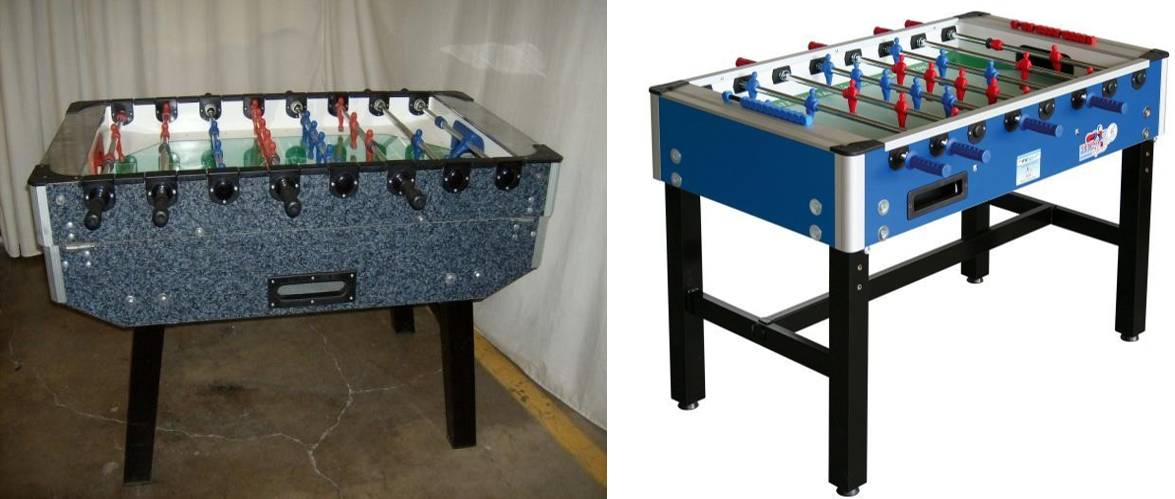
Beyond Tornado and Italian models, you'll also encounter Chinese-manufactured tables. These are widely available and tend to be very affordable. However, buyer beware: they are very hit-and-miss when it comes to consistency. Some budget models fall apart within weeks, while others can surprise you with decent playability. The primary concern is that cheap tables tend to have lightweight cabinets, flimsy rods, and poor bearing quality — all of which directly impact the playing experience.
Our recommendation? If your budget allows, always go with a recognized brand. The difference in feel, durability, and resale value is enormous.
Choosing the Right Players (Figures)
"Lord, what fools these mortals be, picking anything but quality."
— Loosely adapted from Shakespeare
This is something many people tend to have strong opinions about. Should the figures be round-footed or square-tipped? Wider stance or more compact? Which paint finish holds up best under constant friction? The truth is, most of the time you'll be buying your figures from a handful of reputable manufacturers, and the quality across major brands is generally solid.
What matters most is that the figures are made from high-density, impact-resistant material and that they are properly counterbalanced. Counterbalanced men stay horizontal when released — this means they don't flop forward and block the playing lane, which is critical for both defensive setups and offensive passing plays.
Important: Always check for replacements to confirm they'll fit your specific table model before ordering. Not all figures are cross-compatible between brands.

Greasing the Rods
"Why, then the world's mine oyster, if only I oil it."
— Loosely adapted from Shakespeare
One of the most important aspects of maintaining a foosball table is keeping the rods properly lubricated. A dry, sticky rod completely ruins the playing experience — it slows your reaction time, introduces inconsistency into your shots, and can even cause long-term damage to the bearings and bushings.
Use only silicone-based lubricant specifically designed for foosball rods. Avoid petroleum-based products at all costs — they attract dust, degrade rubber components, and leave behind a gunky residue that's extremely difficult to clean. Apply a thin, even coat along the full length of each rod, making sure you also lubricate where the rod passes through the bearings.
The rod should slide effortlessly when properly lubricated. If there's any catching, grinding, or stiffness, it's time for maintenance. Make sure you have the right size rod for your table model. When the sleeve or bushing is slightly smaller than the bore of the cabinet, you'll get a smooth glide; go too tight and it'll bind up no matter how much lubricant you apply.
Also, keep the rods well-greased at all times. We found that good silicone lubricant lasts about a week with daily use before needing reapplication. Set a reminder — it makes a bigger difference than you'd think.


Most office foosball setups use standard rod buffers, bumpers, or shock absorbers. Players are fond of wrapping their handles with specialized grip tape, similar to what you'd find on a tennis racquet. This provides better control and reduces hand fatigue during extended sessions. Don't underestimate ergonomics — if you're playing five or six matches during lunch, your hands will thank you for the upgrade.
Noise Issues and How to Solve Them
Many IT departments have open-plan office spaces that are not exactly forgiving when it comes to sound. Foosball can generate quite a bit of noise — the clatter of rods, the thwack of shots, and the inevitable cheering (or groaning). This often creates friction with coworkers who are trying to focus.
Here are some practical solutions we've found that actually work:
1. Dampened rod bumpers — Noise can be substantially reduced by using soft rubber rod bumpers. They are inexpensive and very effective at absorbing the impact that creates most of the loud banging sounds you hear during gameplay.
2. Table placement — Position the table on a thick rubber mat or carpet remnant. This absorbs vibration that would otherwise resonate through hard flooring. It also prevents the table from sliding during intense matches.
3. Strategic location — Don't put the foosball table right next to the quiet focus area. Place it in a break room, a conference room that doubles as a rec space, or near the kitchen where ambient noise already exists.
Bonus tip: Whatever you do, the foosball culture at your workplace will endure. A group of engineers working together will always find their way back to the table. The trick is making it coexist harmoniously with the rest of the office by being proactive about noise management.
Keeping Score
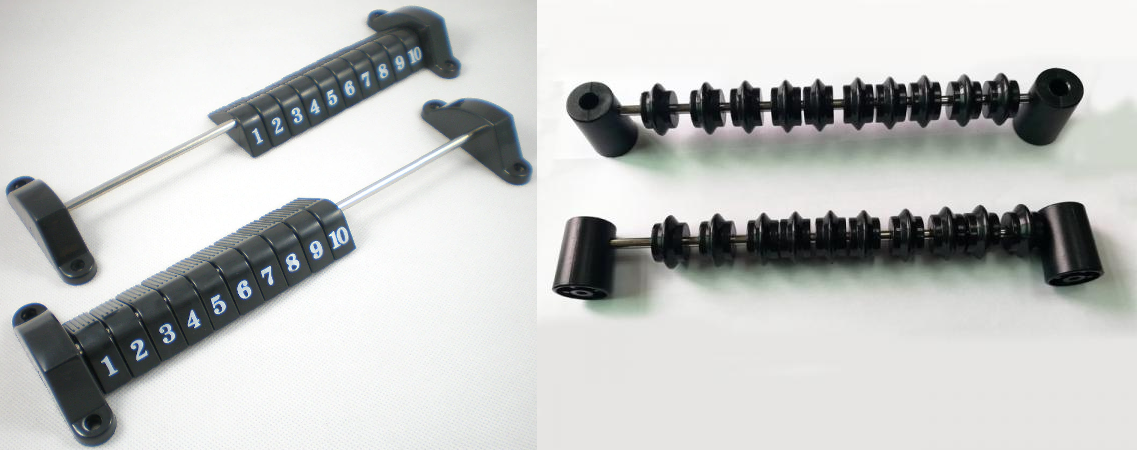
Most foosball tables come equipped with sliding score counters along each side — simple bead-style markers that you push across to track goals. They serve the purpose, but they can feel a bit underwhelming for an office that takes its matches seriously.
Many players prefer to establish a points system or bracket structure using a whiteboard or digital tracker. Some offices use Slack channels or custom-built scoreboards to keep running tallies. The standard game is typically played to 5 goals in a best-of format. Make sure you set clear rules early — does the ball need to touch at least two figures before a goal counts? What about spinning? These are the kinds of details that prevent arguments.
Whatever tracking method you choose, consistency is key. Keep it visible, keep it accurate, and keep it fun. We always made sure everyone signed their names next to their scores — it added a nice layer of accountability and friendly bragging rights.
Etiquette and Rules of the Game
"The first thing we do, let's establish fair rules."
— Loosely adapted from Shakespeare
Every office needs to establish a set of house rules for the foosball table. Without clear guidelines, games devolve into debates faster than a sprint retrospective without a facilitator. Here are the fundamentals you should agree upon before the first serve:
No spinning. This is the cardinal rule. Spinning the rods 360 degrees is universally banned in competitive play and should be banned in your office too. It damages the rods, the bearings, and the players — both the figures and the humans.
Serve protocol. After a goal is scored, the ball is served by the team that was scored on. The serve should be fair — no trick serves or intentional advantages on the drop.
Dead ball rules. If the ball stops between two rods where neither player can reach it, it goes back to the last team that served. Some offices call for a re-serve from the center in that scenario. Pick one and stick with it.
Time limits. In a busy office, consider enforcing a time limit per possession to keep things moving. A 10-to-15-second rule on each rod prevents stalling and encourages faster, more exciting play.
You may find that your team's competitive structure starts drawing attention from other departments — senior management, marketing, even HR. The foosball table has a way of becoming the social hub of the office. Embrace it. Use it as a team-building tool, a way to break down departmental silos, and a stress-relief mechanism that genuinely works.
Pro tip: If you have a large IT team or a company with a formal engineering culture, consider establishing a printed rule sheet next to the table. Laminate it. Trust us — when things get competitive, having the rules on display prevents 90% of the disagreements.
And in the end, if you have a solid IT mindset that values engineering precision and continuous improvement, you'll find that foosball is the perfect analog counterpart to your digital world. It teaches you hand-eye coordination, strategic thinking, teamwork, and how to handle both victory and defeat with grace. So invest in a quality table, learn the fundamentals, and may the best rod-spinner — er, we mean non-spinner — win.
Ready to Bring Foosball to Your Space?
Explore tournament-grade foosball tables built to last.