
A foosball table right in your backyard or game room — exciting, right? It brings families closer and turns any gathering into a lively competition. The goal is simple: outmaneuver your opponent by flicking a small ball past their defenders using miniature players mounted on spinning rods. With eight rods in total, each team commands four, gripping the handles to control every pass, block, and shot. Whether you are seven or seventy, foosball delivers pure, unadulterated fun.
That said, picking the right table is not as simple as it sounds. The market is flooded with countless brands and models, and without knowing what truly matters, you could end up spending money on a table that does not hold up. The trick is understanding the fundamentals — the features, the build quality, and the playing experience — before making a purchase. This guide breaks down everything you need to know so you can choose a foosball table that delivers years of smooth, competitive gameplay.
Types of Foosball Tables
Know what is out there before you buy
You will encounter several distinct categories of foosball tables on the market. Each comes with its own advantages and ideal use case. Understanding the differences will help you narrow your choices and invest in a table that matches your needs and playing style.
Standard Foosball Table
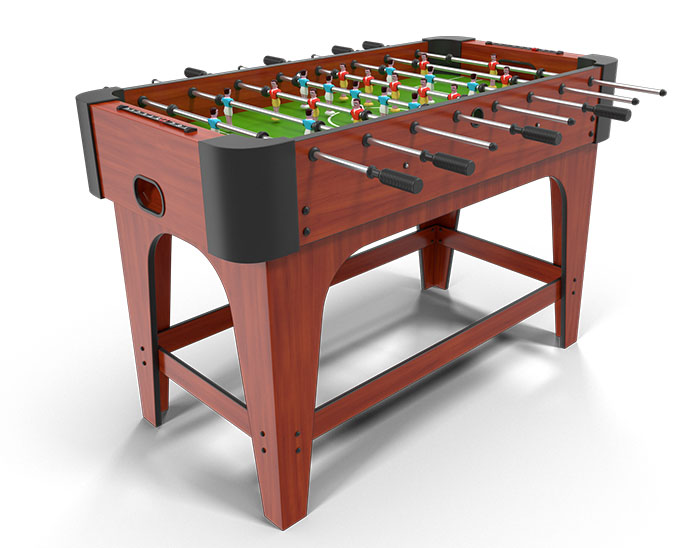
This is the go-to choice for most players. It is a full-size gaming table that stays put in one dedicated spot, typically crafted from solid wood or a sturdy blend of real wood and MDF particleboard. These tables are built to endure — manufactured with premium, high-quality components that keep gameplay consistent year after year. Heavy-duty versions can even handle outdoor conditions. If your budget is tight, consider a slightly smaller model. The compact versions may not be full-size, but they still deliver a great playing experience for casual home matches.
Coin-Operated Foosball Tables
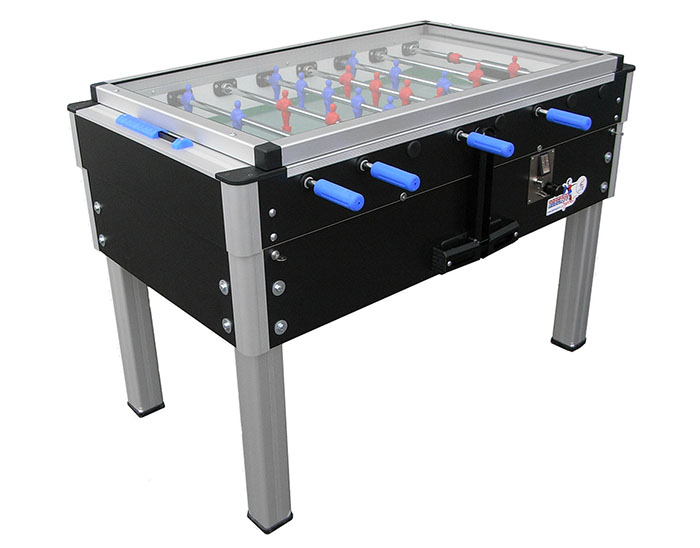
You have probably seen these in arcades, bars, and recreation centers. They accept coins to start a game, which means they need to be tougher than your average home table. Because they face constant use from dozens of different players, coin-operated tables are built ultra-heavy-duty with reinforced cabinets and secure mechanisms to protect the coin system. They sit at the premium end of the price range, but if you are looking for commercial-grade durability, nothing beats them.
Combination Game Tables
Planning to get a foosball table for the kids to enjoy? A combination game table is your best bet. These versatile tables transform into multiple games — foosball, air hockey, billiards, and more — all in one compact unit. They are generally well-made and come in sizes close to full-scale. Perfect for households that love variety but do not have the room or budget for separate tables dedicated to each game.
Key Features to Evaluate
The details that separate great tables from average ones
Once you have a sense of which table type suits your situation, it is time to dig into the standard features that define a quality foosball table. The price point of a table largely dictates what features it includes. Higher-end models pack in refinements you will not find in budget options. Knowing what to look for helps you decide which features are worth paying extra for and which ones you can live without.
Size
A standard full-size table measures 56 inches long by 30 inches wide. Keep in mind that width does not account for the extended rods on each side. Make sure you factor in that extra reach when measuring your space. A minimum playing area of roughly 7 feet by 6 feet is recommended so players have enough room to move freely.
Goalie Configuration
Foosball tables come with either single-man or three-man goalie setups, and the choice makes a real difference. A three-goalie setup delivers fast-paced action, while a single-goalie design rewards precision and skill development. Beginners and kids typically benefit from three goalies, whereas serious players looking to sharpen their technique prefer the single-goalie challenge. Many high-end tables with three-goalie setups also convert to a one-goalie configuration for versatility.
Counter Weighted Men
If you are aiming for professional-grade play, counterweighted men are a must. These figures rest horizontally when released, staying out of the ball's path instead of dangling downward and disrupting shots. It is a small detail with a massive impact on gameplay quality. Having counterweighted players on the rods elevates every match you play.
Table Levelers
Fair play starts with a level surface. A foosball table equipped with adjustable leg levelers ensures neither side has an unfair advantage due to uneven flooring. There are different leveler types available across models, but the core purpose is universal — keeping the playing field perfectly balanced so every goal earned is legitimate.
Playing Rods
Always confirm that your table comes with steel playing rods. This is non-negotiable. Hollow rods are lighter and faster, giving you quick reaction times. Solid steel rods, found on premium tables, offer unmatched rigidity and longevity. Budget-friendly tables typically use hollow rods, while competition-grade models go solid. Either way, avoid anything that is not steel.
Construction
The materials that go into a foosball table determine how long it will serve you. Solid wood, composite, and plastic boards are the three main contenders. High-end tables feature solid wood cabinets, while budget options lean toward plastic. Solid wood is vulnerable to humidity, so humid climates call for composite construction instead. A thicker composite table resists warping, lasts longer, and plays beautifully. Steer clear of particleboard — it is fragile, lightweight, and tends to break down over time.
Table Surface
Where the ball rolls matters more than you think
The playing surface deserves careful scrutiny. Always opt for a table with a laminate surface rather than one with stick-on designs. Cheap tables tend to use peel-off or roll-up graphics that degrade quickly, and stick-on field markings should be avoided entirely.
Speed is another factor worth weighing. A harder, smoother surface means the ball travels faster during play. Tables with a solid wood finish naturally slow ball travel, which some players prefer for a more controlled game. If fast-paced, professional-style gameplay is what you are after, prioritize a smooth, hard playing surface.
Choosing by Skill Level
Match the table to the player
Your playing ability should guide your purchase. There is no sense in spending a fortune on a competition-grade table if you are just getting started, and a flimsy beginner model will frustrate an experienced player. Here is how to match the right table to your skill level.
Level 1
Beginners & Kids
A tabletop model is the ideal entry point for children and newcomers. Regular full-size tables can be too tall for kids, and these smaller units are both affordable and forgiving. If an enthusiastic youngster gets a little rough with it, there is no major loss. A budget-friendly tabletop or compact table lets beginners learn the ropes and upgrade once they are ready for more serious play.
Level 2
Intermediate
If you know the game but do not play every day, a mid-level table hits the sweet spot. Look for solid steel rods, durable composite construction, a flat playing surface, and practical features that enhance gameplay without breaking the bank. A mid-range table gives you the quality you need without unnecessary frills.
Level 3
Advanced
Serious players need a serious table. At this level, you want high-quality construction, feature-rich design, and rock-solid durability. Competition-grade tables feature sturdy cabinets, sleek aesthetics, hollow rods for speed, and a perfectly flat surface that enables smooth, fast gameplay. A well-made advanced table is an investment that lasts for years.
Final Thoughts
Now you have a solid understanding of what makes a foosball table worth owning and how to pick one that fits your space, skill level, and budget. Whether you are outfitting a game room for the family or setting up a competitive station for serious matches, the right table makes all the difference. Review the specifications, compare your options, and make sure the table you choose delivers the quality and features that match your expectations.
If you are investing in a high-end model, verify that it comes with a solid warranty. A quality foosball table is a long-term commitment to entertainment and family fun — so choose wisely, set it up, and start playing.