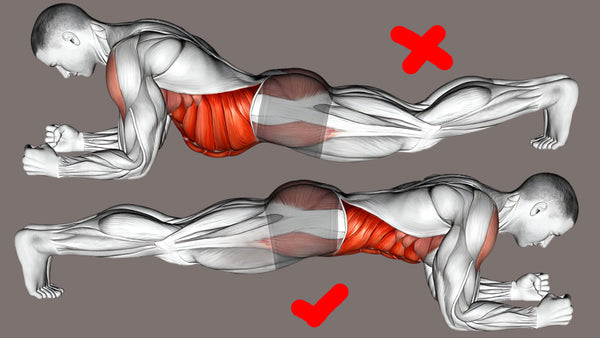
The plank is widely regarded as one of the most effective and accessible exercises available. Whether you are a fitness newcomer or a seasoned athlete, planking delivers remarkable results without requiring expensive equipment or gym memberships. This straightforward movement strengthens muscles, supports bone health, and even contributes to stress reduction and better mental clarity.
In this comprehensive guide, we explore the many reasons why regular planking should become part of your daily routine — and how it can benefit virtually every system in your body.

How Your Body Transforms with Regular Planks
Committing to a consistent plank routine triggers a cascade of physical improvements. Initially, you will notice enhanced stability in your midsection and improved posture throughout your daily activities. Over time, the benefits extend far beyond the core — your shoulders, back, glutes, and even your legs begin to develop greater endurance and tone.
Understanding exactly what happens inside your body when you hold a plank can motivate you to stay consistent and push through those challenging final seconds.
Strengthening the Spine and Alleviating Back Pain
Back pain is among the most common health complaints for adults of all ages. A major contributor to this discomfort is weak core musculature that fails to adequately support the spinal column. When the deep stabilizers of the abdomen, the multifidus muscles of the back, and the hip flexors are all engaged simultaneously during a plank, the spine receives balanced support from every direction.
Research consistently supports the connection between core-strengthening exercises and spinal health. By building a strong muscular corset around the torso, planks help distribute mechanical loads more evenly and reduce the strain that causes chronic lower back problems.

Supporting Heart Health and Blood Vessel Function
As we age, blood vessels naturally lose some of their elasticity, which can contribute to elevated blood pressure and cardiovascular strain. Engaging in isometric exercises like the plank activates major muscle groups simultaneously, promoting healthy circulation and encouraging the cardiovascular system to work more efficiently.
Regular planking helps the body maintain healthier resting blood pressure levels and supports overall arterial flexibility. Additionally, the metabolic demands of holding a plank position can improve how efficiently your body manages cholesterol and blood sugar levels — both critical factors in long-term heart health.
Preventing Falls and Reducing Injury Risk
The plank targets the body’s core stabilizer muscles, which are essential for maintaining balance, coordination, and steady movement. When these muscles are strong, your body can react more quickly to sudden shifts in balance, dramatically lowering the risk of falls.
Connective Tissue & Injury Prevention
Planks engage muscles responsible for stabilizing the shoulders, hips, and knees — the joints most vulnerable to injury. By building resilient connective tissue and improving neuromuscular coordination, regular planking can reduce your risk of sprains, strains, and overuse injuries by a significant margin.
Functional Strength for Everyday Life
Strong core stability translates directly into safer movement patterns during everyday tasks like lifting, bending, climbing stairs, and carrying groceries. This functional strength is especially important as we age.
Protecting Joints and Helping Prevent Arthritis
Over time, cartilage in our joints can deteriorate, leading to reduced range of motion, stiffness, and eventually arthritic conditions. High-impact activities can accelerate this wear. The plank, however, is a low-impact exercise that strengthens the muscles surrounding vulnerable joints without placing excessive stress on the joint surfaces themselves.
By improving muscular support around the knees, hips, shoulders, and wrists, planking helps reduce inflammation markers and slows the degenerative processes that contribute to arthritis. Consistent practice also enhances synovial fluid circulation, which keeps joints lubricated and mobile.
Boosting Brain Function and Reducing Stress
One of the lesser-known benefits of planking is its positive impact on the nervous system. During a plank hold, the body activates the sympathetic nervous system, which stimulates the release of endorphins and other mood-regulating neurotransmitters. This process helps alleviate stress, improve mental clarity, and promote a more positive emotional state.
The mental focus required to maintain proper plank form also trains concentration and mindfulness — skills that carry over into work, relationships, and daily decision-making.
Building Bone Density and Helping Prevent Osteoporosis
After approximately age 30, bone density begins to decline gradually, making individuals more susceptible to fractures and osteoporotic conditions. This is particularly concerning for women during and after menopause, when hormonal changes accelerate bone loss.
Planks are classified as a weight-bearing exercise — they load the bones of the wrists, arms, and spine without the jarring impact of running or jumping. Scientific evidence suggests that consistent weight-bearing and resistance activities can increase bone mineral density in the spine and hip by meaningful percentages over time.
Stimulating Internal Organs and Supporting Digestion
Planks create gentle compression and engagement of the abdominal region, which can stimulate the digestive organs and promote healthier gut motility. This is particularly beneficial for those who experience occasional bloating, sluggish digestion, or irregularity.
The exercise also supports improved blood flow to the intestines and surrounding tissues, which helps facilitate nutrient absorption and waste elimination. Additionally, the deep breathing patterns encouraged during planking can activate the parasympathetic nervous system, further supporting relaxed and efficient digestion.
Enhancing the Lymphatic System and Supporting Detoxification
Unlike the circulatory system, the lymphatic system has no central pump — it relies entirely on muscular contractions and movement to circulate lymph fluid throughout the body. This fluid plays a vital role in immune defense, waste removal, and fluid balance.
When you hold a plank, the sustained muscle engagement creates a gentle pumping action that encourages lymphatic flow. This helps the body filter toxins more effectively, reduces inflammation, and strengthens immune response — benefits that are often overlooked when discussing simple bodyweight exercises.

Essential Guidelines for Performing the Plank Correctly
To maximize the benefits and minimize the risk of injury, keep these key pointers in mind every time you hold a plank:
- Maintain a straight line from the crown of your head through your heels — avoid letting the hips sag or pike upward.
- Distribute your weight evenly across your forearms and toes, keeping your elbows directly beneath your shoulders.
- Engage your core by pulling your navel toward your spine while continuing to breathe steadily.
- Keep your neck neutral — look at a spot on the floor roughly a foot ahead of your hands to avoid straining.
- Relax your shoulders away from your ears to prevent unnecessary tension in the upper trapezius.
- Press the floor away with your forearms to activate the serratus anterior and maintain scapular stability.
- Start with manageable holds of 15 to 30 seconds, gradually working up to 60 seconds or more as your strength improves.
- Never sacrifice form for duration — a shorter plank with perfect alignment delivers far better results than a longer one with poor posture.
Five Popular Plank Variations to Try
Once you have mastered the standard plank, incorporating variations keeps your muscles challenged and prevents training plateaus.
1. Classic Forearm Plank
The foundational version — forearms flat, body straight, core braced. Ideal for building initial endurance and form.
2. Knee-Supported Plank
Perfect for beginners or those recovering from injury. Lowering the knees reduces intensity while preserving core engagement.
3. Side Plank
Targets the obliques and lateral stabilizers by supporting your weight on one forearm and the side of one foot.
4. Dynamic Plank
Transition between forearm and high plank positions to challenge coordination, endurance, and upper body strength.
5. Plank with Leg Lifts
From a standard plank, alternate lifting each leg a few inches off the ground. This intensifies the demand on your glutes, hamstrings, and core stabilizers.
Elevate Your Plank Training with the Right Equipment
Ready to take your core workout to the next level? Purpose-built fitness equipment can help you target muscles more effectively, maintain proper alignment, and accelerate your results. Explore our recommended trainer designed for complete core development.
Total Gym ELEVATE Core TrainerMake the Plank a Cornerstone of Your Fitness Routine
From strengthening your spine and protecting your joints to boosting mental clarity and supporting cardiovascular health, the plank is a deceptively simple exercise with far-reaching benefits. It requires no special equipment, can be performed almost anywhere, and scales effortlessly from beginner to advanced levels.
Whether you are looking to build foundational strength, recover from back pain, or simply maintain a healthy and active lifestyle, adding a few minutes of planking to your daily routine is one of the most efficient investments you can make in your long-term well-being.