Indoor hydroponic cultivation has transformed the agricultural landscape, bringing fresh produce cultivation into controlled environments where every variable can be optimized. At the heart of any successful grow operation lies one critical factor that determines whether plants thrive or merely survive: precise climate management.
Whether you are establishing a commercial grow facility or scaling up a personal cultivation space, understanding the intricate relationship between temperature, humidity, and air circulation is essential for achieving consistent, high-quality yields throughout the growing season.
Precision Climate Control for Commercial Hydroponics
Commercial hydroponic operations demand unwavering environmental consistency. Unlike traditional outdoor farming where nature dictates conditions, indoor cultivation puts growers in complete command of their growing environment. This control comes with both tremendous opportunity and significant responsibility.
The challenge lies in maintaining stable conditions across large cultivation areas while managing the substantial heat loads generated by high-intensity grow lighting systems. Modern LED and HPS lighting fixtures produce considerable thermal output that must be efficiently removed to prevent plant stress and optimize photosynthesis rates.
Temperature Management
Optimal growing temperatures typically range between 65°F and 80°F depending on crop variety. Consistent thermal regulation prevents heat stress during light cycles and maintains metabolic efficiency during dark periods.
Humidity Regulation
Relative humidity levels between 50% and 70% support healthy transpiration rates. Proper moisture management prevents fungal diseases while ensuring adequate nutrient uptake through plant root systems.
CO2 Enrichment
Elevated carbon dioxide levels between 1000-1500 PPM dramatically accelerate photosynthesis and plant growth rates. Strategic CO2 supplementation requires coordinated ventilation management.
Understanding Grow Room Climate Requirements
Every hydroponic grow room presents unique climate control challenges based on its physical dimensions, lighting configuration, plant density, and geographic location. A comprehensive environmental assessment forms the foundation for designing an effective HVAC solution tailored to specific operational needs.
The thermal load calculation must account for heat generated by lighting systems, dehumidification equipment, pumps, and other electrical components operating within the space. Additionally, the metabolic heat produced by actively growing plants contributes to overall cooling requirements, particularly in densely planted cultivation areas.
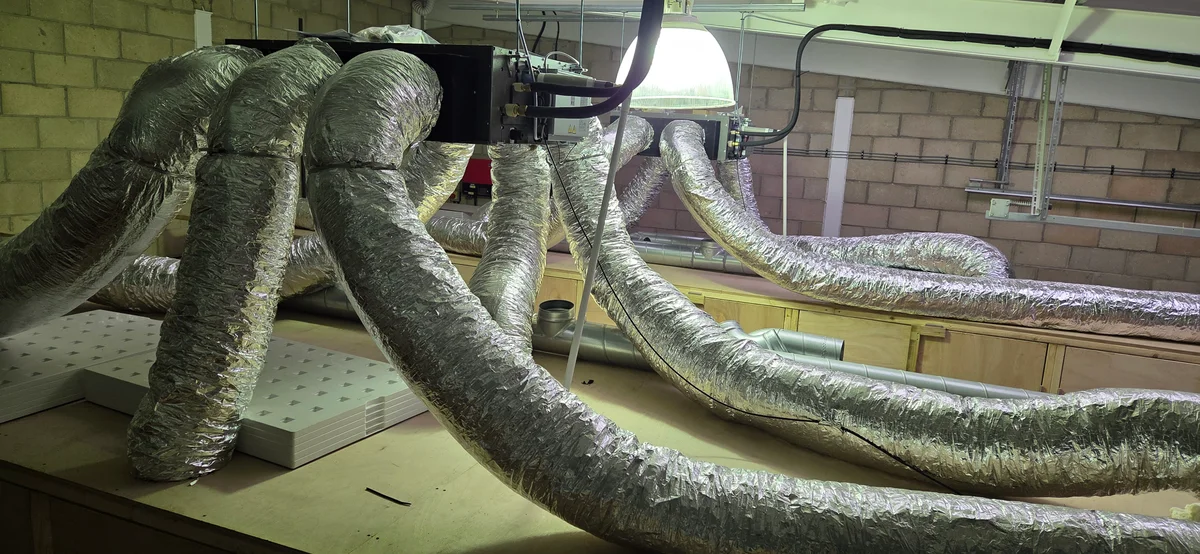
Proper airflow distribution ensures temperature uniformity throughout the canopy level while preventing stagnant air pockets that promote pest infestations and disease development. Strategic placement of supply and return vents creates gentle air movement that strengthens plant stems without causing wind damage to delicate foliage.

The Project: Custom Grow Cabinet Installation
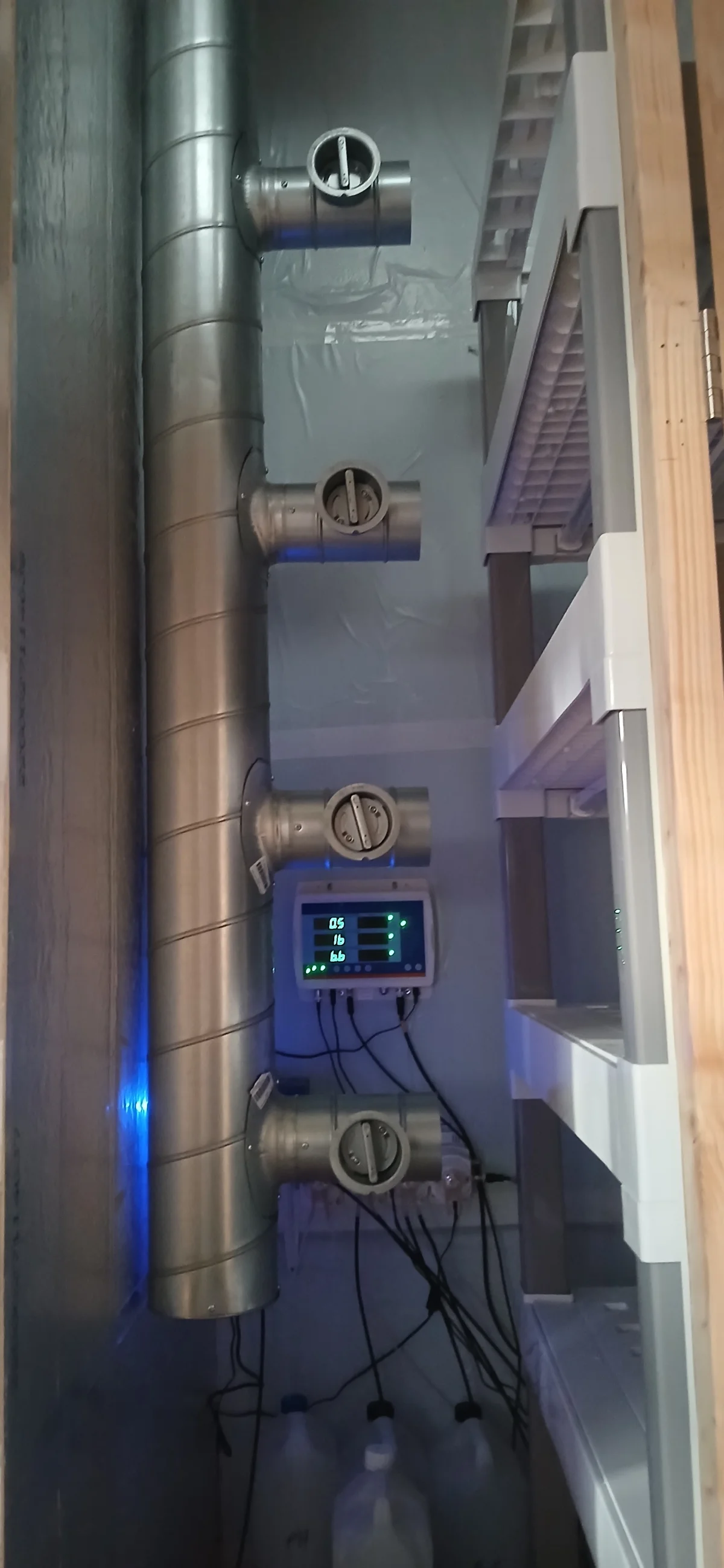
This particular installation involved designing and implementing a complete climate control system for multiple custom grow cabinets. The project required careful coordination between cooling equipment, dehumidification systems, CO2 injection, and intelligent environmental controllers to create a fully automated growing environment capable of maintaining precise conditions around the clock.
The Climate Control Solution
Achieving optimal growing conditions requires an integrated approach combining multiple climate control technologies working in harmony. The cooling system forms the primary defense against heat accumulation, removing thermal energy faster than lighting and equipment can generate it.
Cooling System Specifications
Cooling Capacity
24,000 BTU
Temperature Range
60°F - 80°F
Humidity Control
40% - 70% RH
Air Circulation
400+ CFM
Mini Split Cooling Systems
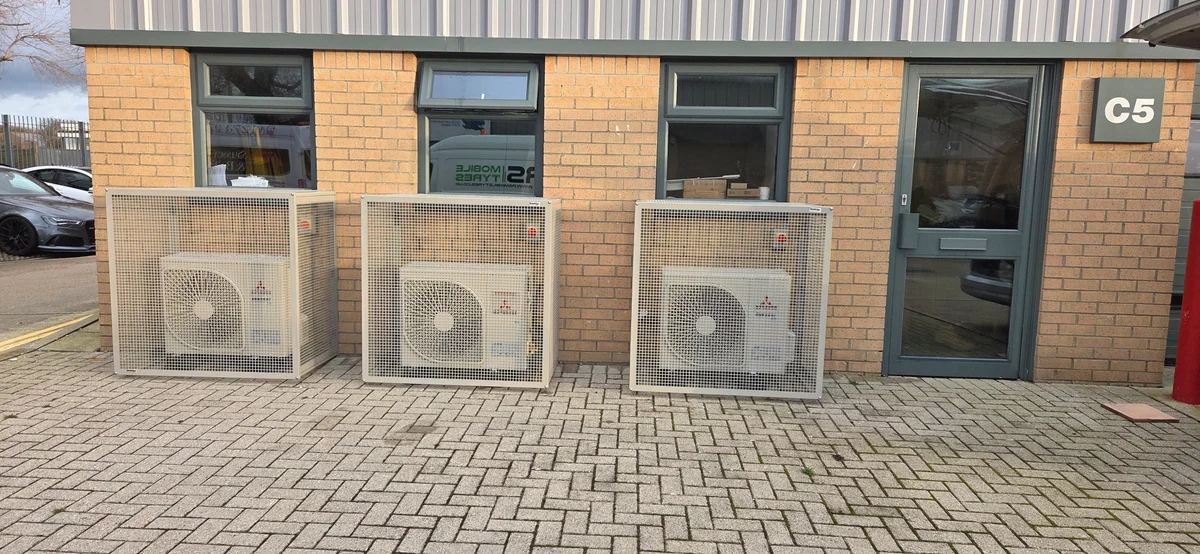
Ductless mini split air conditioners offer exceptional efficiency for grow room applications. Their inverter-driven compressors modulate output continuously to match cooling demand precisely, eliminating the temperature swings associated with conventional single-stage equipment. This precise control maintains growing conditions within narrow tolerances while minimizing energy consumption.
The split system configuration positions the heat-generating condenser unit outside the growing space, preventing unwanted heat from entering the controlled environment. Indoor air handlers distribute cooled air quietly and efficiently without requiring extensive ductwork installation.

Dehumidification Systems
Hydroponic growing environments generate substantial moisture through plant transpiration and evaporation from nutrient reservoirs. Without adequate dehumidification, humidity levels quickly exceed safe thresholds, creating conditions favorable for powdery mildew, botrytis, and other fungal pathogens that devastate crops.
Commercial-grade dehumidifiers remove dozens of pints of water daily while operating efficiently in the temperature ranges typical of grow room environments. Proper sizing ensures continuous moisture removal capacity exceeds plant transpiration rates even during peak growth phases.
CO2 Enrichment Integration
Carbon dioxide supplementation accelerates photosynthesis rates significantly when combined with adequate lighting intensity. Plants growing in CO2-enriched atmospheres produce larger yields in shorter timeframes, improving overall operational efficiency and profitability.
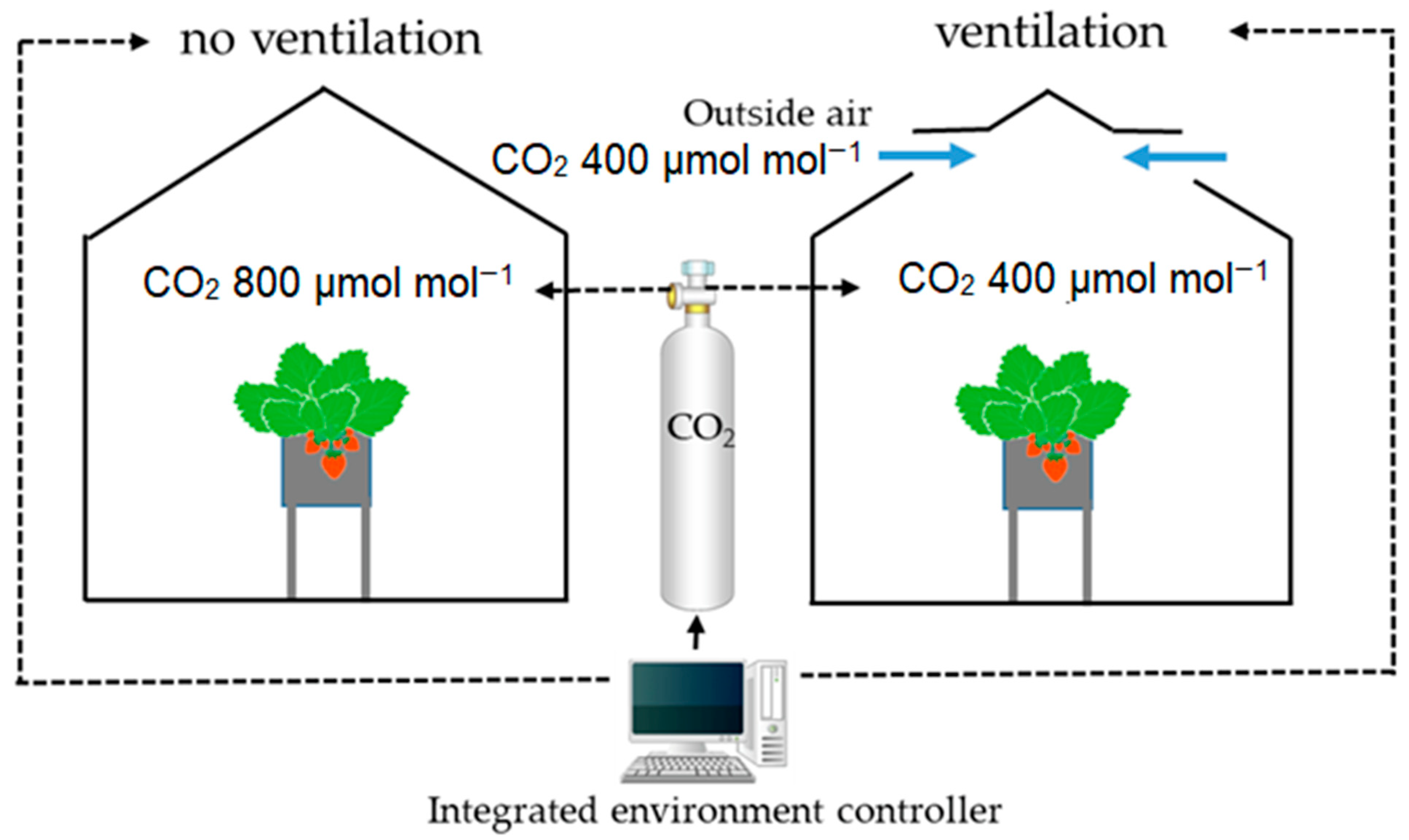
Effective CO2 management requires coordination with ventilation systems to maintain elevated levels during light cycles while allowing natural atmospheric exchange during dark periods. Automated controllers monitor CO2 concentrations continuously and regulate injection rates to maintain target levels without wasteful over-supplementation.
WiFi Integration and Smart Controls
Modern grow room automation leverages intelligent controllers that integrate all climate systems into a unified management platform. These sophisticated devices monitor multiple environmental parameters simultaneously and coordinate equipment operation to maintain optimal conditions while minimizing energy consumption.
WiFi-enabled controllers provide remote monitoring and adjustment capabilities through smartphone applications, allowing growers to observe conditions and modify settings from anywhere. Automated alerts notify operators immediately when parameters drift outside acceptable ranges, enabling rapid response to potential problems before crop damage occurs.
Data logging functionality records environmental conditions continuously, creating detailed historical records that support cultivation optimization and regulatory compliance documentation. Trend analysis reveals patterns that inform equipment scheduling and growing protocol refinements.

Technical Challenges and Solutions
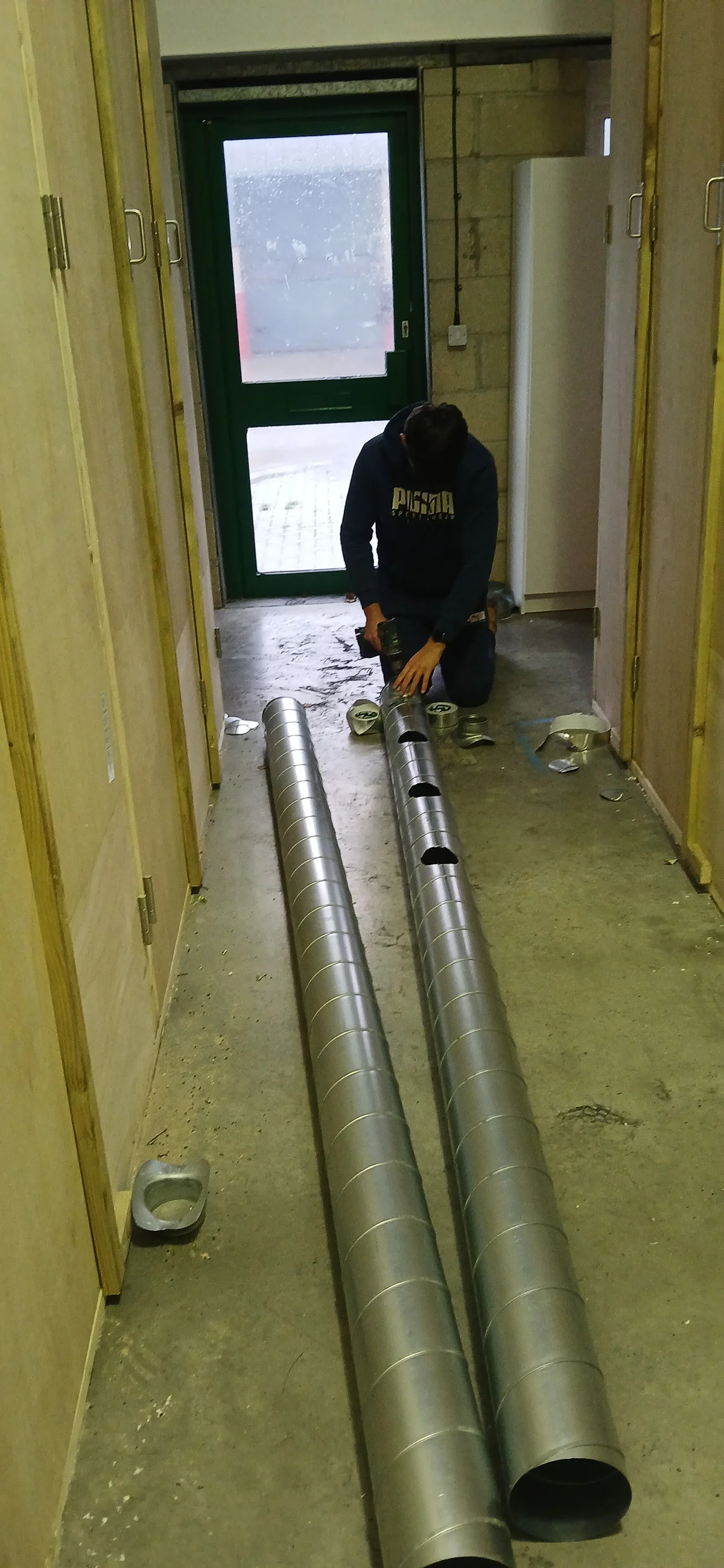
Every grow room installation presents unique technical challenges requiring creative engineering solutions. Ductwork routing must balance airflow efficiency with space constraints while maintaining accessibility for maintenance and cleaning. Equipment placement affects both performance and serviceability throughout the system lifespan.
Electrical infrastructure must support substantial power demands from cooling, lighting, and auxiliary equipment while meeting applicable codes and safety requirements. Proper circuit sizing and distribution prevents overloading while enabling future expansion as operations grow.
Condensate management presents often-overlooked challenges in humid grow environments. Cooling coils and dehumidifiers produce significant water volumes requiring proper drainage systems to prevent flooding and water damage. Gravity drain lines or condensate pumps must reliably remove moisture continuously during equipment operation.
Maintaining CO2 Levels During Cooling
Sealed grow environments retain supplemental CO2 effectively but require careful coordination between cooling and ventilation systems. When outdoor air exchange becomes necessary for temperature control, CO2 levels drop rapidly. Advanced controllers minimize this conflict by optimizing equipment cycling to maintain both temperature and CO2 targets within acceptable ranges.
Preventing Temperature Stratification
Thermal stratification creates temperature differentials between floor level and ceiling areas that stress plants and reduce yields. Circulation fans positioned strategically throughout the growing space mix air continuously, eliminating hot and cold spots while ensuring uniform conditions across the entire canopy.
The Growing Importance of Controlled Environment Agriculture
Controlled environment agriculture represents the future of food production as climate uncertainty and population growth pressure traditional farming methods. Indoor vertical farms and hydroponic facilities produce crops year-round regardless of outdoor weather conditions, dramatically increasing yields per square foot compared to field cultivation.
Water efficiency improvements of 90% or more compared to conventional agriculture make indoor growing particularly attractive in water-scarce regions. Elimination of pesticide requirements appeals to health-conscious consumers seeking clean produce free from chemical residues.
Urban location possibilities reduce transportation distances between production and consumption, improving freshness while reducing carbon emissions associated with long-distance food distribution. Local growing operations strengthen food security and community resilience against supply chain disruptions.
Project Completion and Results
The completed installation demonstrates professional-quality climate control engineering tailored specifically for hydroponic cultivation requirements. All systems integrate seamlessly under centralized automated control, maintaining precise environmental conditions with minimal operator intervention.
±1°F
Temperature Accuracy
±3%
Humidity Control
24/7
Automated Operation
100%
Remote Monitoring
Specialist Applications Require Specialist Knowledge
Hydroponic grow room climate control differs fundamentally from conventional HVAC applications. Standard comfort cooling systems designed for occupied spaces lack the precision, reliability, and specialized features required for successful cultivation environments.
Professional installation by technicians experienced in controlled environment agriculture ensures proper equipment selection, optimal system configuration, and reliable long-term operation. Investment in quality components and expert installation protects valuable crops while maximizing return on cultivation infrastructure.
The right climate control equipment transforms unpredictable growing outcomes into consistent, repeatable results harvest after harvest. Proper environmental management represents the foundation upon which successful hydroponic operations build their production capacity and product quality.
Project Gallery