
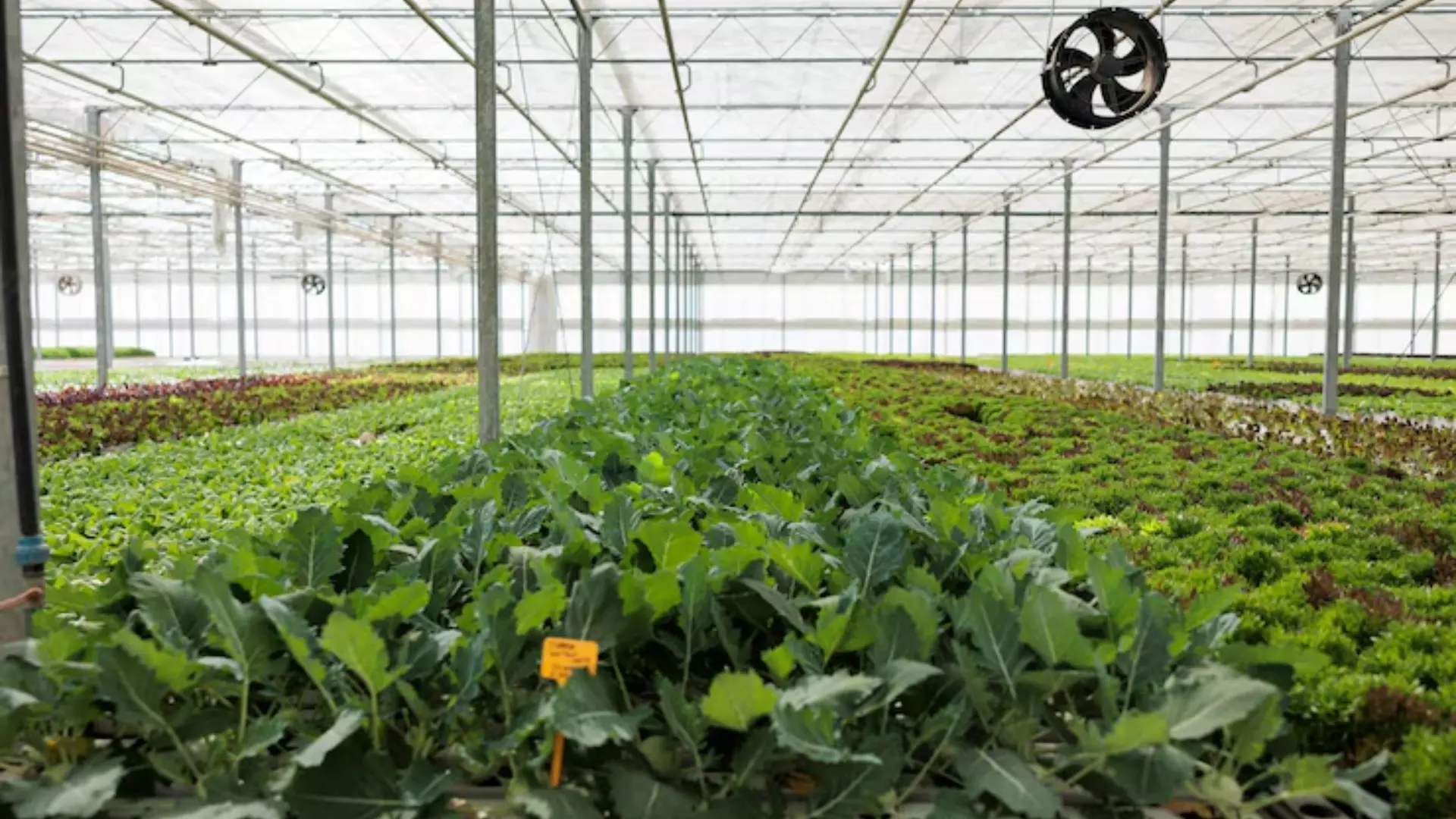
Successful indoor farming hinges on one critical factor: climate management. Whether you're cultivating crops in greenhouses, vertical farms, or controlled environment agriculture facilities, maintaining optimal growing conditions is essential for achieving healthy yields that meet rising demand. Today's advanced environmental control systems and precision airflow adjustments are revolutionizing how we approach cultivation, delivering perfect temperature and humidity levels while reducing waste, maximizing energy efficiency, and boosting overall production.
Essential Facts for Indoor Growers
Automation Savings: Intelligent environmental control systems can slash energy and labor costs by 20-40% through real-time automation of airflow, lighting, and climate parameters.
Production Increase: Proper CO₂ supplementation combined with adequate ventilation can boost plant yields by 25-30%.
Remote Management: Modern control systems enable growers to monitor and adjust environmental data from anywhere, improving precision and consistency.
AI Response Time: Advanced systems utilize artificial intelligence to respond to environmental changes in milliseconds, maintaining perfect growing conditions without manual intervention.
Zone Customization: Contemporary HVAC systems offer zone-based temperature control, allowing growers to fine-tune conditions for different crops or growth stages.
Pro Tip: Automated airflow systems optimize CO₂ distribution and transpiration, promoting stronger, healthier plant growth throughout your entire cultivation space.
Why Precision Climate Systems Matter in Indoor Cultivation
In indoor farming, creating the right growing environment is paramount. Every climate condition requires precise levels of heat and humidity. Advanced control systems manage these variables in real-time, giving growers instant responsiveness to environmental shifts. This translates to healthier plants, more predictable harvests, and reduced resource waste.
The exact levels of CO₂, airflow, and other environmental factors play a crucial role in determining plant development. Without proper management, plants experience stress, resulting in diminished growth and reduced production. Precision climate solutions provide the exact formula needed for plants to achieve their full potential at every growth stage.
T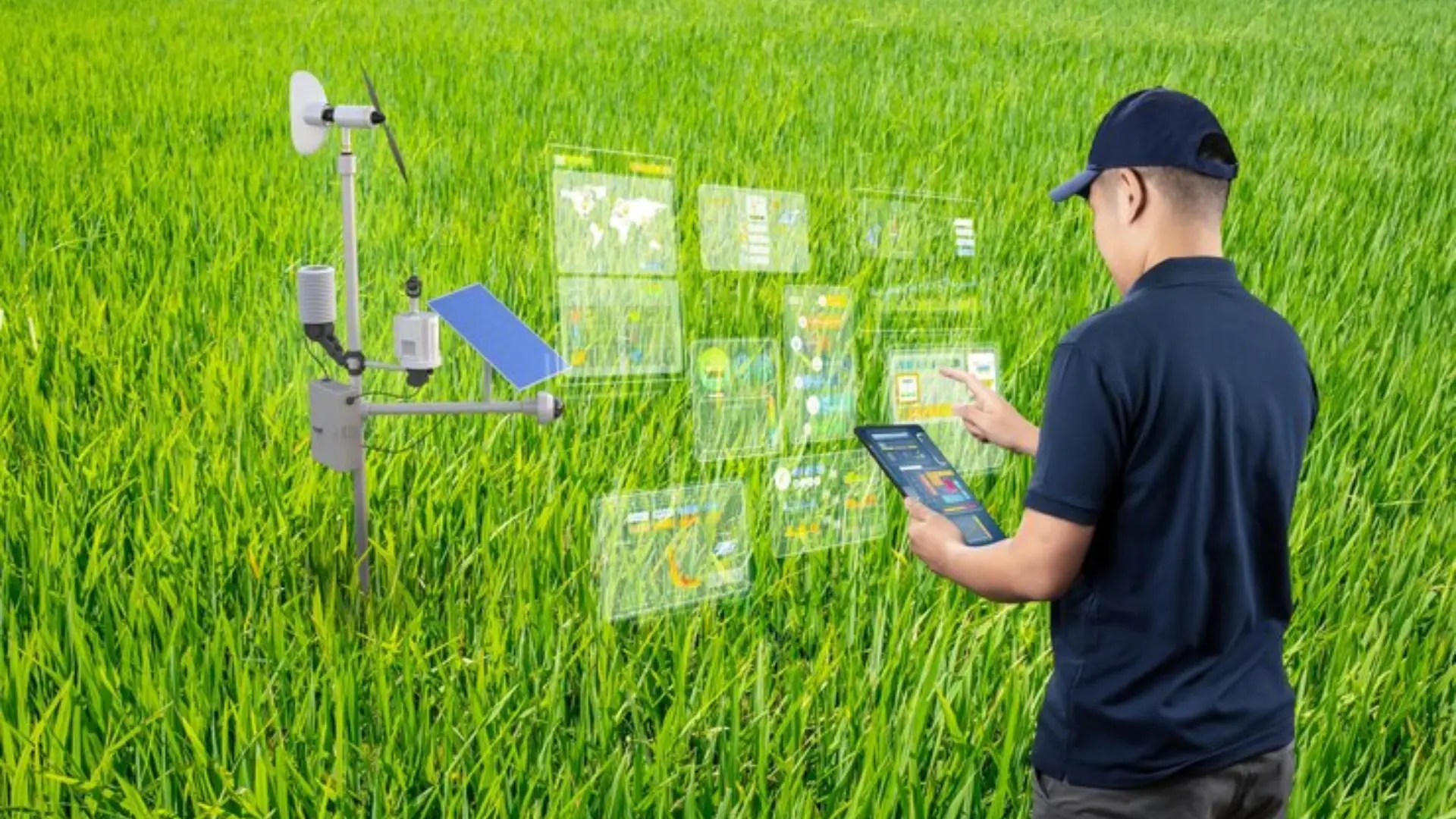 he Role of Temperature, Humidity, CO₂, and Airflow in Plant Health
Temperature, humidity, CO₂, and airflow are fundamental to maintaining plant health within enclosed growing environments. Each variable directly influences photosynthesis, respiration, and nutrient absorption. Plants require specific temperature ranges to function optimally—conditions that are too hot or too cold can inhibit growth or cause stress.
Humidity levels affect both transpiration and water uptake, while optimal CO₂ concentrations stimulate photosynthesis, leading to faster and healthier plant development. Meanwhile, proper ventilation ensures plants receive clean air, discouraging mold growth and encouraging robust leaf development. Together, these factors contribute to overall plant vitality and vigor.
How Grow Room Automation Supports Consistency and Optimal Yields
Automating grow room operations represents a significant advancement in maintaining consistency. Systems that regulate light, temperature, humidity, CO₂, and airflow create environments where conditions remain stable around the clock. This automation minimizes human error, ensuring plants always exist in ideal states.
With automated approaches, adjustments happen seamlessly, enabling growers to respond rapidly to changing conditions. This results in greater control over plant development, higher yields, and healthier crops. Cultivation becomes less about guesswork—automation allows growers to replicate successful results from one harvest to the next.
Engineering Airflow Excellence
Industry leaders have built impressive reputations for high-efficiency, design-forward air-circulating solutions. From industrial pressure exhaust fans to ceiling tile fans that integrate seamlessly into drop ceilings, today's product lines prioritize both efficiency and safety.
Modern ceiling fans and exhaust systems deliver even airflow distribution throughout grow rooms, eliminating hot and cold spots that can slow plant growth. With quiet operation and safety certifications, these products suit both commercial and residential growing operations perfectly.
AI-Driven Environmental Innovation
What began as noise-reduction projects for studios has evolved into groundbreaking environmental control technology. The dedication to intelligent automation and comprehensive functionality has earned these systems their status as go-to solutions for growers needing dependable, smart equipment.
Intelligent ecosystems allow growers to automate temperature, humidity, VPD (vapor pressure deficit), and even CO₂ levels through advanced controllers. These systems function like smart brains for grow rooms, employing AI to forecast climate changes and reactively calibrate equipment for optimal conditions.
Smart Airflow Solutions for Consistent Growth Conditions
Airflow serves as the driving force behind stable and productive grow rooms. Intelligent airflow systems manage temperature, humidity, and CO₂ distribution simultaneously, relying on sensor feedback to automatically control flow rates without human intervention. Fans, ducts, and smart controllers combine to react in real-time to changing conditions, creating comfortable, stress-free environments for plants.
Consistent airflow prevents hotspots and cold zones from forming, which can cause uneven growth. It also maintains optimal growth environments, delivering maximum yields and stronger plants with better crop uniformity.
The Role of Air Circulation in Preventing Mold and Heat Stress
Poor airflow is one of the fastest ways to introduce mold into growing spaces. Humid, stagnant air envelops plants, creating ideal conditions for powdery mildew and botrytis to develop.
Effective air movement prevents moisture from settling on leaves and stems. By continuously exchanging fresh air, growers minimize humidity pockets and keep surfaces dry, making it much more difficult for pathogens to establish themselves.
Heat management also depends heavily on air circulation. Without it, areas beneath grow lights can become excessively hot, stressing plants and slowing development. Proper airflow environments maintain consistent, controlled temperatures, ensuring better growth rates from seed to flower.
Why Grow Room Automation Depends on Efficient Airflow Management
Automation systems are only as effective as the airflow supporting them. Without adequate ventilation and circulation, sensors may deliver false readings, causing climate control to malfunction.
Strong airflow supports the entire system. It maintains consistent temperature and relative humidity levels while circulating uniform CO₂ throughout rooms, enabling smart controllers to make immediate and accurate interventions.
Automated fans, dampers, and filters react in microseconds to shifts, modulating airflow as needed. This enhances system performance while safeguarding crops by providing consistently ideal environments day and night.
Smart Environmental Control: Automation for Every Grower
Specialists in grow room equipment control offer comprehensive product ranges for agricultural and horticultural applications, serving growers of every scale. Environmental control systems represent some of the most complete solutions available, managing temperature, humidity, CO₂, lighting, and watering from single intelligent platforms.
From advanced sensor systems to inline fans, today's hardware and software enable growers to monitor operations and control environments remotely—whether managing a single room or multi-tier facility.
Key Features of Modern Environmental Control:
Remote Access Apps: Monitor and adjust grow rooms from anywhere in the world
Digital Flow Meters & Smart Junction Boxes: Designed to optimize irrigation and energy consumption
Metal Inline Duct Fans: Built for rugged performance and precision airflow delivery
With flexible, upgradeable systems that adapt to emerging technologies, modern solutions help growers future-proof their operations while achieving peak efficiency.
The Importance of Modern Grow Rooms: Environmental Control Systems
Contemporary grow rooms utilize extensive technology to extract maximum growth potential from plants. These systems offer climate monitoring and environmental control, adjusting conditions to maintain perfect growing environments. Growers can fine-tune settings using sophisticated sensors and smart software for precise adjustments.
This control proves essential for optimizing crop yield and quality. By maintaining optimal temperature, humidity, air circulation, and CO₂ levels, growers minimize plant stress, pest problems, and disease risk. Ultimately, environmental control systems enable indoor cultivators to scale production while reducing overhead and increasing yields.
The Advantages of Grow Room Automation
Automated grow room climate control systems are revolutionizing farming practices. They deliver precision impossible to achieve manually. With automated controls, light cycles, airflow, and more can be managed remotely, virtually guaranteeing consistent and ideal growing environments.
Two primary advantages of automation:
1. Energy savings through optimized resource usage
2. Cost reduction across operational processes
Machine automation dynamically responds to real-time environmental changes, reducing power usage and operational overhead. This proves critical for indoor farms where energy consumption represents a major operating expense. Additionally, automation contributes to better crop quality and uniform conditions, ensuring healthier plants and improved production.
HVAC Control for Agriculture
HVAC systems are now custom-designed specifically for indoor farming applications. Grow rooms require dedicated HVAC systems customized and engineered to function in hot, humid environments. These systems handle heat loads from grow lights and equipment while providing optimal temperature control and humidity management.
Energy-efficient technologies in HVAC systems—including high-efficiency heat pumps, air handlers, and dehumidifiers designed to minimize energy usage while improving environmental comfort—have become increasingly important. This evolution in HVAC technology proves critical for managing heat in modern indoor farms, creating efficient and sustainable growing environments.
Smart HVAC Systems for Agricultural Applications
HVAC serves as the heart and lungs of any indoor farm. Energy-saving versatility optimized for agriculture brings new possibilities to growers. Ductless mini-split systems coupled with smart thermostats provide granular control over temperature zones without the headaches traditional heating, ventilation, and air-conditioning systems often create.
Benefits of Smart HVAC in Indoor Cultivation:
Zoned Climate Control: Tailor environments for individual crop types, growth stages, or specific zones
Easy Installation: Perfect for retrofitting existing greenhouses or building new facilities
With cost-effective HVAC solutions, both hobbyists and commercial farmers can maintain ideal climates regardless of season or external conditions.
The Future of Indoor Growing: Smart Solutions for Healthy Growth
The future of indoor farming will be shaped by smart and agile systems. Growers are moving beyond manual controls to integrated technologies that think, respond, and optimize in real-time.
Climate automation has become a necessity for those seeking to remain competitive, from commercial greenhouses to vertical farms. These responsive systems optimize space, minimize labor requirements, and allow producers to micro-adjust conditions for perfect growing environments.
More intelligent technology brings finer control. Whether scaling up production or fine-tuning a single grow room, today's systems flex to accommodate any scale or plant variety, paving the way to a future where every plant has access to perfect growing conditions.
Trends in Smart Airflow Solutions and Climate Tech
Smart airflow technology is evolving rapidly. Today's fans and vents are no longer passive set-it-and-forget-it devices—they're adaptive tools responding instantly to sensors tracking temperature, humidity, and CO₂ levels.
Wireless controls, high-efficiency motors, and automatic zoning are replacing older systems. This allows growers to direct airflow precisely where and when needed, reducing waste and enhancing performance.
In climate tech, integrated environmental systems are moving toward room-level intelligence. Sensors, controllers, and HVAC units communicate seamlessly, allowing growers to control their environments with a tap or voice command.
How AI and IoT Are Driving the Next Generation of Grow Room Innovation
Artificial intelligence and the Internet of Things are transforming indoor farming. These systems adapt and learn from prior performance, proactively adjusting settings before issues emerge.
With AI, climate systems predict and prevent fluctuations based on weather data, crop cycles, or historical trends. Real-time metrics collected from IoT devices support automation for temperature, lighting, airflow, and irrigation.
Together, AI and IoT create grow rooms that never sleep—constantly monitoring, adjusting, and optimizing toward optimal plant health and maximum yield while minimizing energy consumption and labor requirements.
Creating the Ideal Environment for Indoor Plants
Indoor plants require conducive environments to grow healthy and reach their full potential. Whether cultivating snake plants, cast iron plants, spider plants, or any other varieties, managing light exposure, humidity, and temperature becomes crucial for supporting robust root systems and lush foliage. Most foliage plants prefer cooler temperatures and consistent lighting, conditions that can be modified and automated with artificial light systems tailored for indoor growing.
Indoor gardens featuring corn plant varieties and other specialty crops can flourish throughout the year using intelligent airflow and climate control solutions. While it's certainly possible to grow plants in constantly air-conditioned spaces, most indoor plants thrive with relatively stable temperatures and air flow that resembles their natural outdoor environments.
By automating systems that provide supplemental light when necessary and control airflow, growers can guarantee healthy plants with stronger stems and glossier leaves. These smart strategies are transforming how people care for plants indoors, making it easier than ever to manage growing plants in any setting—from homes to high-tech farms.
Frequently Asked Questions
Why is precision climate control important in indoor growing?
Precision climate control creates the optimal environment for keeping plants healthy and thriving by maintaining ideal temperatures, humidity levels, CO₂ concentrations, and airflow patterns. This attention to environmental detail results in higher yields, uniform quality, and lower resource consumption.
Can smart airflow solutions really prevent mold and plant stress?
Absolutely. Through continuous air movement, smart airflow systems minimize humidity pockets that encourage mold growth while promoting even heat distribution. This protects plants from stress and creates optimal growing environments.
Are automated grow systems suitable for small-scale growers?
Yes, absolutely. Leading manufacturers provide modular solutions ideally suited for home growers and small-scale operations, making automation accessible far beyond commercial-scale budgets. Today's systems scale to fit virtually any growing space.
Conclusion
With indoor farming operations expanding rapidly, demand for smart, economical, and flexible climate control systems has never been greater. Modern equipment is establishing new benchmarks for climate and airflow control, allowing growers to maintain perfect growing environments that promote healthy growth, increased yields, and decreased operational costs.
From seamless automation to AI-powered insights, the new generation of environmental control systems has evolved far beyond simple thermostat regulation. By combining airflow, humidity, CO₂, and temperature management into fully integrated, automated equipment networks, growers retain complete autonomy over their environments without constant second-guessing.
The future of farming is undoubtedly smart, and indoor agriculture's success will increasingly depend on scalable solutions addressing diverse growing environments. Whether managing a small home grow or a massive commercial operation, precision climate technology ensures your plants have the best possible growing environment season after season.
Disclaimer: This material is for informational purposes only and should not be relied on for legal, medical, financial, or other professional advice.